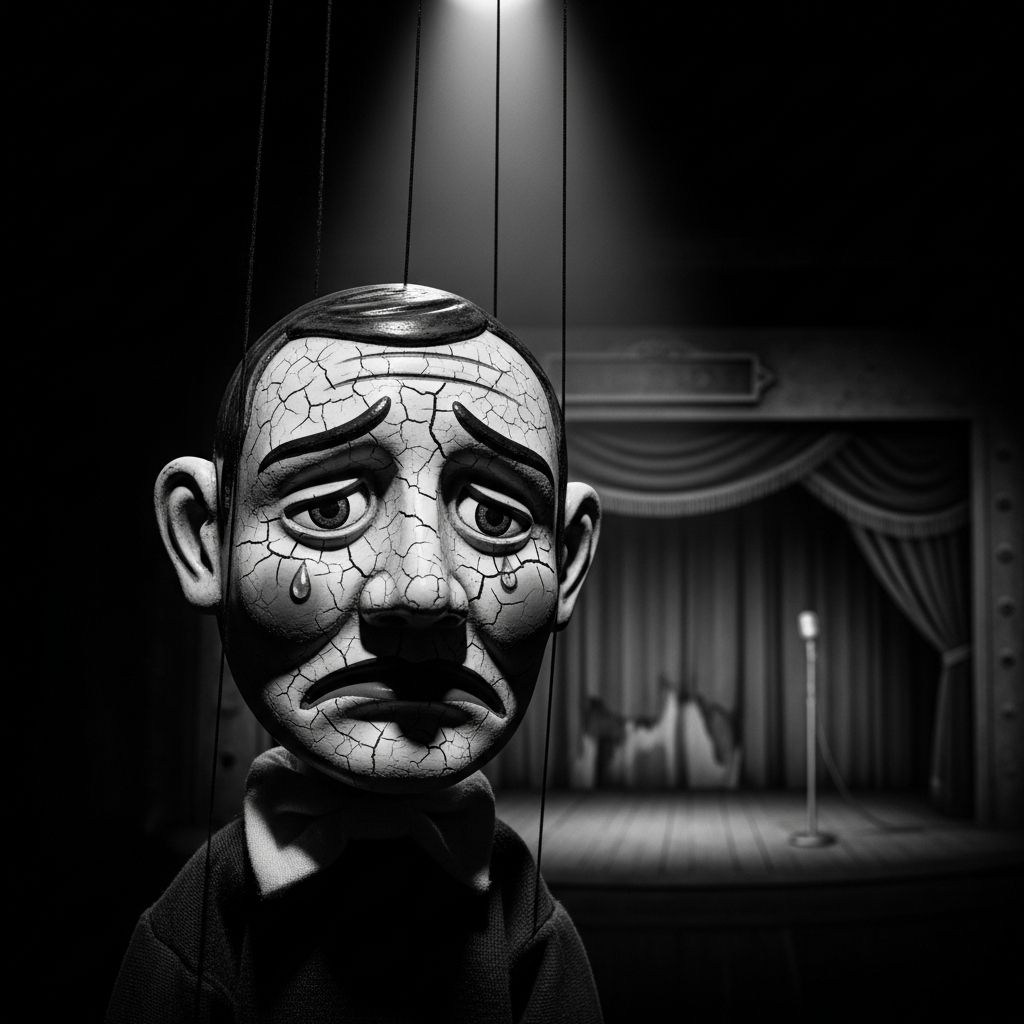
Many of the adults who can light up a room with a perfectly timed joke grew up in homes that felt heavy, lonely, or unpredictable. Research on trauma, resilience, and humor suggests this is not a coincidence: difficult childhoods can teach kids to use laughter as both armor and lifeline, shaping the comedians, witty friends, and sharp observers they later become.
This article unpacks how sad or stressful early experiences can fuel adult humor, what that does in the brain and in relationships, and how to keep laughter healing instead of harmful. It draws on psychological and clinical insights, but is written for any reader who has ever wondered why the kid crying in their room at 10 might be the one doing the best impressions at 30.
The Emotional Classroom of Childhood
Childhood is where most people learn their first emotional \”languages\”: how to express needs, how to handle conflict, and how to respond when life feels unfair. In supportive families, kids are taught to name feelings, ask for comfort, and rely on stable caregivers. In chaotic or emotionally distant homes, children often improvise their own strategies to feel safer and more in control.
For many of those kids, humor becomes a fast, flexible tool. A tense dining room can be softened with a joke. A parent’s anger can be redirected with a funny face. A bullying classmate can be disarmed with a sharp comeback. These micro-lessons accumulate into a lifelong habit: when emotions spike, crack a joke.
Why Sad Kids Reach for Jokes
- Attention as protection: Being \”the funny one\” can reduce the risk of becoming a target, whether at home or at school.
- Control in chaos: If a child cannot control adults’ moods, they may learn they can at least control the energy in the room with humor.
- Distance from pain: Turning a painful scene into a ridiculous one inserts just enough emotional distance to make it tolerable.
Over time, this survival skill starts to feel like personality: the sad kid becomes the funny adult because laughter was the first tool that reliably worked.
What Humor Does in the Brain
Humor is not just a personality trait; it is a complex brain process involving attention, memory, language, and emotional regulation. Studies on humor and mood show that joking about difficult material can reduce negative feelings and boost positive ones in the short term more effectively than serious reappraisal alone.
When someone \”laughs through the pain,\” their brain is doing several things at once: reframing a threat, lowering physiological arousal, and activating reward circuits. This combination explains why many trauma survivors describe humor as both addictive and indispensable.
Key Psychological Effects of Humor
- Emotional regulation: Humor can help shift from overwhelming sadness or fear into a more manageable emotional state.
- Cognitive flexibility: Seeing a painful event from a surprising or absurd angle disrupts rigid, negative thinking patterns.
- Social bonding: Shared laughter signals safety and belonging, which are especially powerful for people who felt isolated as kids.
Different Humor Styles, Different Outcomes
Not all humor is created equal. Research distinguishes between more adaptive forms (affiliative and self-enhancing) and more maladaptive ones (aggressive and self-defeating). These styles matter because they shape whether a sad childhood leads to connection and resilience or to loneliness behind a mask.
Adults shaped by difficult childhoods often blend several styles at once: they might use self-deprecating humor to preempt criticism, affiliative humor to keep friends close, and dark humor to manage intrusive memories. Recognizing these patterns can help separate what is healing from what quietly hurts.
Common Humor Styles
| Humor style | Description | Typical impact |
|---|---|---|
| Affiliative | Light, inclusive jokes that bring people together without targeting anyone. | Builds connection and social support, often protective for mental health. |
| Self-enhancing | Finding something amusing in personal struggles without harsh self-criticism. | Linked to better emotion regulation and lower depressive thinking. |
| Aggressive | Jokes that put others down, mock, or humiliate. | Can damage relationships and reinforce hostility. |
| Self-defeating | Harsh self-mockery, often to gain approval or avoid deeper conversations. | May temporarily relieve tension but is associated with more distress long-term. |
When Humor Becomes a Mask
There is a difference between using humor to cope and using it to disappear. Clinicians who work with trauma, addiction, and mood disorders often see clients who joke whenever emotions get close to the surface, turning every serious moment into a bit. This pattern can delay healing by keeping real feelings out of reach.
In these cases, laughter no longer serves connection; it becomes camouflage. Friends see the quick wit but not the fear of being judged, abandoned, or seen as \”too much.\” Without conscious awareness, the once-sad child may become an adult who feels exhausted after social interactions because every conversation requires performance.
Signs Humor Is Hiding Pain
- You automatically make a joke whenever someone asks how you really are.
- People describe you as the \”funny one,\” but almost no one knows your actual struggles.
- Therapy or deep talks stay on the surface because you keep turning serious topics into punchlines.
- You feel drained or unseen after being \”on\” around others.
How Sad Kids Grow Into Sharp Observers
Many people with painful childhoods develop intense observational skills. Watching adults carefully was a way to anticipate danger or sudden mood shifts. That same alertness later becomes a key ingredient in sophisticated humor: noticing tiny contradictions, subtle hypocrisies, or quiet absurdities that others miss.
This hyper-awareness also fuels dark humor. Trauma survivors sometimes joke about topics that make others uncomfortable because they have spent years privately rehearsing those lines as a way to reclaim some power over frightening experiences.
Strengths Forged in Difficult Childhoods
- Emotional radar: Quickly sensing tension or sadness in a room.
- Storytelling skills: Learning to narrate chaos in a way that others can follow and even laugh at.
- Flexible thinking: Generating multiple ways to look at the same event, which is central to clever jokes and satire.
Benefits and Risks of Darker Humor
Dark or gallows humor is common among people who work with trauma, such as medical staff, first responders, or military personnel, and among individuals who experienced early adversity. Research indicates that dark humor can act as a short-term coping mechanism that reduces distress and builds group cohesion in high-stress environments.
However, if this is the only way someone engages with their pain, it can also blunt emotional awareness. Rather than feeling grief, fear, or anger, the person stays in ironic detachment. This may reduce immediate discomfort but can contribute to numbness, stalled recovery, or difficulty accessing genuine vulnerability later.
Questions to Ask About Your Dark Humor
- Can you also talk about the issue seriously, or only as a joke?
- Does your humor make others feel closer to you, or pushed away?
- Do you feel lighter after joking, or oddly empty and disconnected?
Turning Survival Humor Into Healthy Humor
The goal is not to stop being funny. For many adults shaped by sad childhoods, humor is one of the most creative, life-affirming parts of who they are. Instead, the aim is to shift from using humor as a shield against all feelings to using it as one tool among many for understanding and expressing those feelings.
Clinical approaches that address trauma and emotion regulation often encourage people to notice when humor appears, what it protects them from, and how they might slowly experiment with staying present for a few more seconds before making a joke. This kind of mindful awareness can keep humor available without allowing it to run the entire show.
Practical Ways to Use Humor More Healthily
- Pause before the punchline: When you feel the urge to deflect with a joke, silently ask what emotion you are trying not to feel.
- Mix serious and silly: In close relationships, practice sharing one honest sentence before you add a humorous one.
- Notice your audience: Pay attention to whether your jokes land as connection or confusion; adjust when others seem hurt or shut out.
- Write instead of perform: Journaling a darkly funny take on a memory can help you process it without needing an audience.
When Professional Help Matters
If childhood experiences included abuse, neglect, chronic bullying, or other trauma, humor alone is unlikely to address the deeper wounds. Studies on childhood trauma show long-term risks for depression, anxiety, and other mental health concerns when early experiences are unprocessed. In these cases, therapy offers a safe space to unpack what happened beyond the jokes.
Some clinicians explicitly incorporate humor in treatment, both as a way to build rapport and as a tool for gentle cognitive reframing. At the same time, they help clients notice when humor is blocking grief, shame, or fear that needs space to be felt. The combination allows the funny adult to keep their wit while gaining new ways to heal the sad kid inside.
Helpful Supports to Consider
- Trauma-informed individual therapy or counseling.
- Support groups where dark humor is understood but not the only language.
- Mindfulness or grounding practices to stay connected to the body, not just the mind’s commentary.
Frequently Asked Questions
Does a sad childhood always create a funny adult?
No. Difficult childhoods can lead to many different outcomes, including withdrawal, anger, perfectionism, or caretaking roles. Humor is one possible adaptation, not a guaranteed result.
Is it unhealthy to joke about trauma?
Joking about traumatic experiences can be both helpful and harmful, depending on context. It may relieve tension and foster connection, but if it is the only way you can reference those experiences, it may be preventing deeper processing and healing.
Can humor actually help heal trauma?
Humor on its own does not erase trauma, but studies suggest that laughter and structured humor interventions can reduce anxiety, depression, and rigid negative thinking, making it easier to engage in other healing work.
How can I tell if I am using humor as a mask?
Notice what happens when someone invites you to be honest. If you feel almost unable to respond seriously, rush to make a joke, or feel exposed and panicky when you try to be sincere, humor may be functioning as armor rather than just play.
Is dark humor always a red flag?
Not necessarily. Dark humor can be a way to reclaim power over frightening experiences, especially in high-stress professions. It becomes more concerning when it isolates you from others, blocks empathy, or is the only way you can touch painful memories.
Embracing Both the Tears and the Punchlines
Sad kids often grow up to be funny adults because humor proved to be a clever, creative response to environments that felt too big for their young hearts. That same creativity can support deep healing when it is allowed to coexist with honesty, vulnerability, and support. The goal is not to silence the jokes but to make room for the full story behind them.
When laughter walks alongside, rather than in front of, real feeling, the once-sad child does not have to hide behind their own performance anymore. They can be both deeply sensitive and genuinely hilarious—and that balance is where humor finally becomes more than survival; it becomes part of a whole, integrated self.