At age four, children enter a dynamic phase of development where their bodies, minds, and social skills rapidly advance, laying the foundation for school readiness. This period marks significant gains in coordination, communication, and independence, as supported by pediatric guidelines from leading health organizations.
Mastering Physical Abilities
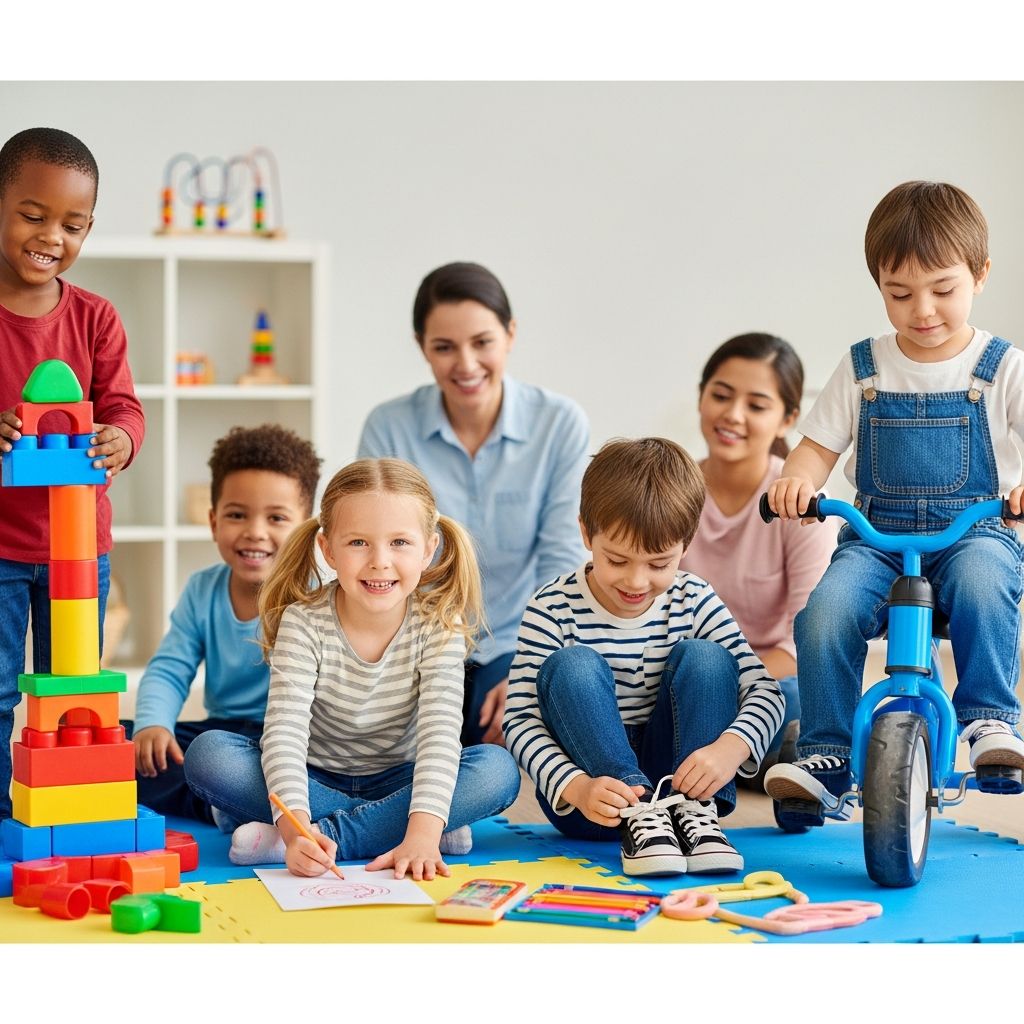
Four-year-olds exhibit remarkable improvements in gross and fine motor skills, enabling more complex activities. They typically hop on one foot without losing balance, throw a ball overhand with better aim, and climb structures with confidence. These advancements stem from maturing neuromuscular systems, allowing for sustained balance and precision.
Fine motor progress includes using scissors to cut simple shapes and drawing basic figures like circles or crosses. Children can often fasten large buttons or pull up zippers after initial help, fostering self-dressing independence. Daily physical play, such as riding tricycles or kicking balls, strengthens muscles and coordination.
- Hop on one foot for several seconds
- Throw and catch a large ball most times
- Climb playground equipment safely
- Draw basic shapes and people with 4-6 body parts
- Use utensils proficiently during meals
Parents can promote these skills through outdoor exploration and structured games, ensuring environments are safe for testing limits.
Language and Communication Advances
Vocabulary explodes to over 1,000 words, with sentences forming 4-5 words or more, including past tense usage. Four-year-olds ask endless questions, retell stories, and engage in imaginative narratives, reflecting cognitive-linguistic integration.
They understand concepts like ‘same’ and ‘different,’ rhyme words, and follow multi-step directions. Singing songs from memory or reciting rhymes enhances phonological awareness, crucial for future reading.
| Skill | Examples | Support Strategies |
|---|---|---|
| Sentence Building | 4-5 word phrases | Read daily, discuss stories |
| Questioning | Why/how inquiries | Answer patiently, expand responses |
| Storytelling | Retells events | Encourage pretend play |
Interactive conversations boost these abilities, turning everyday moments into learning opportunities.
Cognitive and Problem-Solving Growth
Cognitively, four-year-olds grasp counting basics up to 4-10, name colors, and sort by shape or size. They understand time concepts like ‘yesterday’ and engage in make-believe play, blending fantasy with reality.
Curiosity drives exploration; they name coins, sequence days of the week, and solve simple puzzles. This era sees magical thinking, where thoughts seem to influence events, a normal phase per developmental psychology.
- Counts objects accurately
- Identifies 1-4 colors
- Completes 4-6 piece puzzles
- Understands ‘bigger/smaller’
- Plays board games with rules
Activities like shape sorters or memory games sharpen these skills, preparing for academic challenges.
Social and Emotional Maturation
Socially, children prefer peer play, cooperating in groups and negotiating roles in pretend scenarios like ‘superhero’ or ‘teacher’. They comfort upset friends, follow location-based behavior rules, and express pride in helping.
Emotions intensify; mood swings, fears, and imaginary friends are common. Independence grows, though selfishness or aggression may surface during conflicts. They distinguish fantasy from reality less sharply, enjoying role-play.
Building empathy involves modeling kindness and discussing feelings, helping children navigate friendships.
Daily Living and Self-Care Skills
Four-year-olds manage toileting independently, dress with minimal aid, and assist with chores like setting tables. They pour drinks (supervised) and serve food, promoting autonomy. Sleep patterns stabilize at 11-13 hours nightly, often without naps.
Body awareness leads to curiosity about exploration, best addressed factually to build healthy attitudes.
Activities to Foster Development
Engage in reading aloud, singing, and word games to expand language. Physical outlets like jumping rope precursors or backward walking build strength. Limit screens to quality 1-2 hours daily, prioritizing active play.
Encourage chores, rule-following in games, and visits to stimulating environments like parks or museums.
Red Flags and When to Seek Help
Monitor for delays: inability to hop, use 3-word sentences, or play cooperatively. Persistent bedwetting, extreme aggression, or lack of pretend play warrants professional evaluation. Early intervention maximizes outcomes.
Frequently Asked Questions
How much should a 4-year-old sleep?
Typically 11-13 hours per night, possibly with a short nap.
Is imaginary play normal at this age?
Yes, it’s a key way to process emotions and practice social roles.
What if my child can’t use scissors?
Practice with supervision; consult a doctor if no progress by 4.5 years.
How to encourage sharing?
Model turn-taking in games and praise cooperative efforts.
Should I worry about fears?
Common; reassure with routines and avoid dismissing feelings.
References
- Developmental Milestones: 4 to 5 Year Olds (Preschool) — CHOC. 2023. https://choc.org/ages-stages/4-to-5-years/
- Developmental milestones record – 4 years — MedlinePlus. 2024-01-15. https://medlineplus.gov/ency/article/002015.htm
- Development & Milestones for Pre-K Children (4-5 years) — Michigan.gov. 2024. https://www.michigan.gov/mikidsmatter/parents/pre-k/milestones
- Milestones by 4 Years | Learn the Signs. Act Early. — CDC. 2025-06-12. https://www.cdc.gov/act-early/milestones/4-years.html
- 4-5 years: preschooler development — Raising Children Network. 2024. https://raisingchildren.net.au/preschoolers/development/development-tracker/4-5-years
- Developmental Milestones: 4 to 5 Year Olds — HealthyChildren.org (AAP). 2024-09-01. https://www.healthychildren.org/English/ages-stages/preschool/Pages/Developmental-Milestones-4-to-5-Year-Olds.aspx