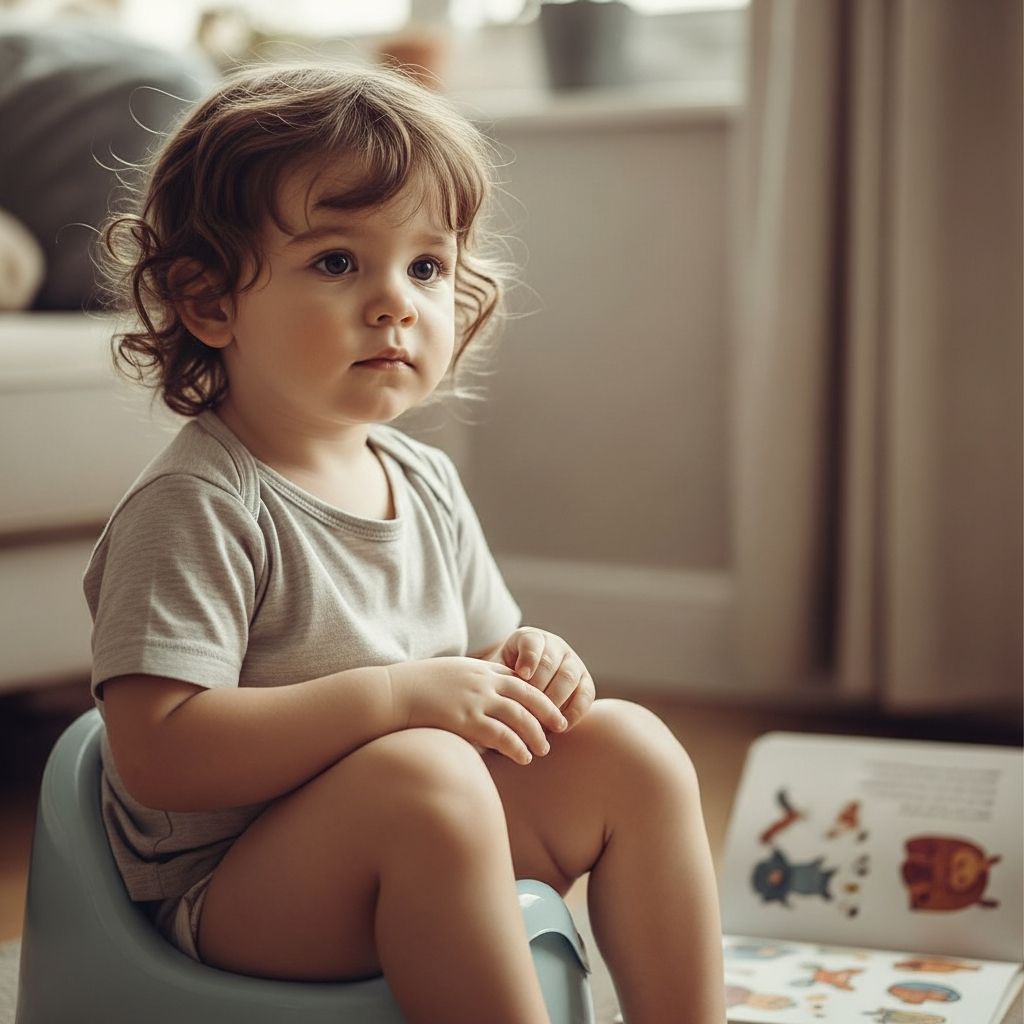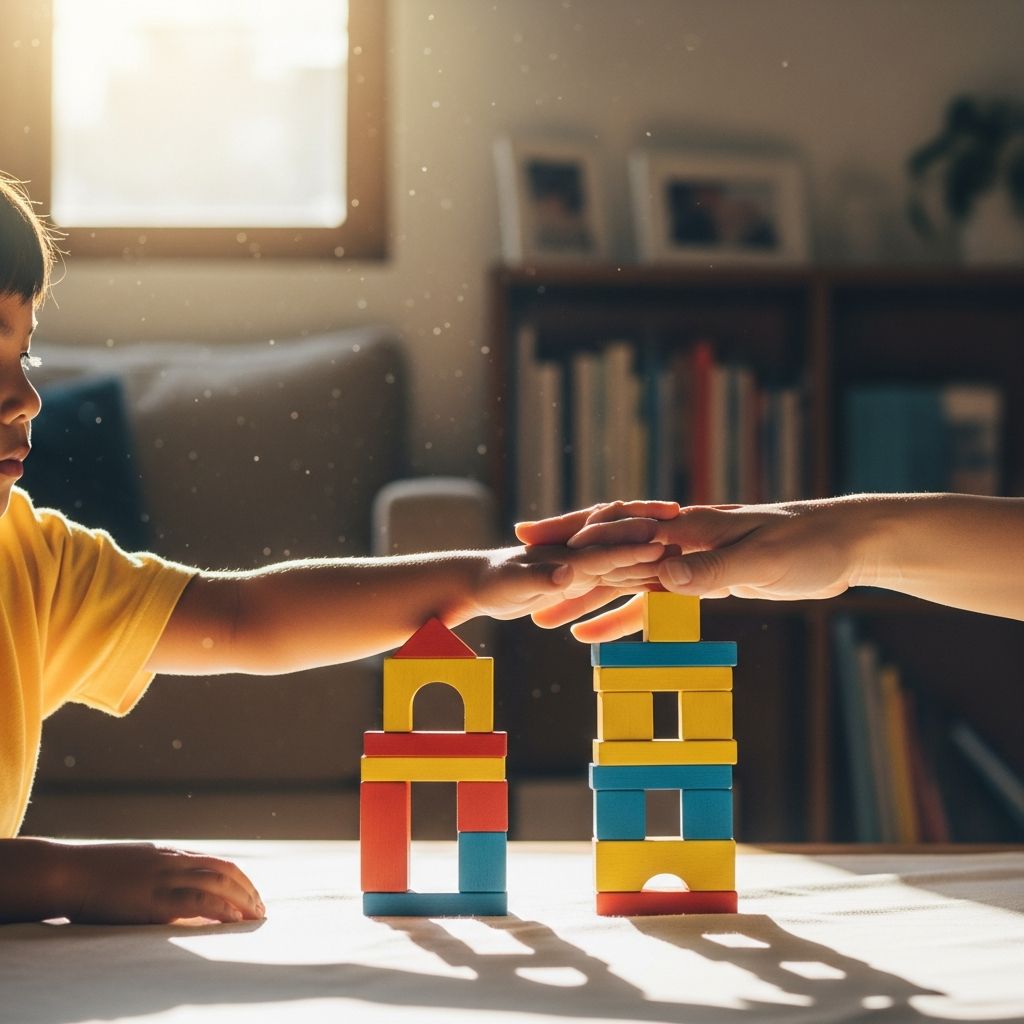
When children know roughly what comes next, life feels safer, calmer, and more manageable for everyone. Routines and structure are not about turning families into rigid machines; they are about creating a predictable rhythm that supports connection, learning, and cooperation. Used wisely, routines become a soft framework that holds your child’s day, not a hard set of rules that creates more stress.
Why Predictability Feels So Good To Kids
Adults often underestimate how confusing and overwhelming the world can feel to a child. Everything is new, rules seem to change depending on the situation, and big emotions can surge without warning. A predictable daily flow gives children an emotional anchor. When they know what usually happens in the morning, after school, and before bed, they can relax instead of constantly scanning for surprises.
Predictable routines also make expectations visible. Instead of living inside a parent’s head as vague commands (“Hurry up!” “Get ready!”), the day is broken into familiar steps that a child can understand and eventually anticipate. This sense of clarity reduces anxiety and frustration for both parent and child.
Structure Versus Control: A Helpful Distinction
Many parents resist routines because they equate structure with harsh control. In reality, structure and control are very different. Structure answers the question, “What usually happens and in what order?” Control answers the question, “Who gets to decide and how strictly is it enforced?” You can have strong structure with very gentle control.
Healthy structure is flexible, responsive, and grounded in respect. It allows for detours, special days, and emotional hiccups. Controlling patterns, in contrast, often involve rigid rules, frequent power struggles, and a focus on obedience over understanding. When structure is used as support instead of a weapon, children are more likely to cooperate willingly.
The Hidden Benefits Of Daily Rhythms
Thoughtful routines do more than make mornings smoother. Over time, they quietly build important life skills and emotional strengths. Children learn how to transition between activities, how to manage their energy, and how to anticipate and prepare for what is coming next.
Well-designed routines can support:
- Emotional security, by giving children a sense of safety and predictability.
- Independence, by letting kids practice familiar steps on their own.
- Self-control, by building habits that help children pause and shift gears.
- Connection, by reserving time for shared rituals such as meals or bedtime chats.
Key Ingredients Of A Helpful Routine
Not every repeated pattern automatically counts as a supportive routine. A helpful routine has several qualities that make it easier for children to follow and for parents to maintain. These ingredients also reduce the likelihood that routines turn into rigid, stressful checklists.
| Ingredient | What It Means In Practice | Why It Helps Children |
|---|---|---|
| Predictability | Roughly the same steps happen in a similar order most days. | Children feel safer when they can guess what comes next and prepare for it. |
| Visual clarity | Pictures, charts, or simple lists show the routine outside a parent’s head. | Kids see expectations instead of relying on repeated verbal reminders. |
| Participation | Children help design and adjust the routine over time. | Shared ownership increases cooperation and reduces resistance. |
| Flexibility | There is room for bad days, special events, and spontaneous fun. | Children learn that structure can bend without breaking, which builds resilience. |
| Connection | Each routine includes a brief moment of one-on-one attention. | Kids associate structure with warmth and care, not just demands. |
Designing A Morning That Doesn’t Start In A Panic
Mornings set the emotional tone for the rest of the day. When they are frantic and full of nagging, everyone carries that stress into school, work, and beyond. When they are reasonably calm and predictable, children arrive feeling more settled and confident. The goal is not perfection, but a smoother pattern that works most of the time.
To reshape mornings, think in terms of a simple sequence rather than a long list of commands. Focus on the few essential steps and remove unnecessary choices or distractions during busy periods. Supporting children the night before (laying out clothes, packing bags) can also take pressure off the morning window.
Sample Kid-Friendly Morning Flow
- Wake up with a brief snuggle or kind greeting to ease the transition from sleep.
- Use the bathroom and get dressed before screens or toys are available.
- Eat a simple breakfast at roughly the same time and place each day.
- Brush teeth and do any grooming (hair, face, etc.).
- Check a small visual chart to be sure essentials are ready (bag, lunch, homework).
- End with a short goodbye ritual such as a hug, special handshake, or phrase.
Once this flow becomes familiar, children often start to move through it with less prompting. You can then gently shift from giving directions to asking, “What’s next on your morning steps?” so they begin to take more ownership.
After-School Routines That Protect Connection
The hours after school can feel chaotic: children are tired, parents are juggling work and home tasks, and everyone has competing needs. A loose but reliable after-school routine can transform this tricky window into a more peaceful transition. The first priority is connection, not productivity. A child who feels seen and heard is far more likely to cooperate with homework, chores, or activities.
Think in terms of a sequence that moves from reconnection, to decompression, to responsibilities, and then to free time. The exact timing will depend on your family, but keeping the order similar most days makes it easier for kids to follow along.
Elements Of A Supportive After-School Sequence
- Reconnection: A few minutes of full attention (eye contact, hugs, simple questions about the day).
- Snack and rest: A consistent place to eat something and unwind quietly.
- Homework or practice block: A set time window for school tasks or lessons, with brief movement breaks.
- Household contribution: One small, age-appropriate task that helps the family (placing cutlery, feeding a pet).
- Free play: Unstructured time before dinner, ideally with some screen-free options.
When children know that playtime is definitely coming, they often resist homework or chores less because their need for freedom is already built into the routine. This can reduce daily debates and make the parent’s role more about guiding than policing.
Creating Bedtime Routines That Soothe Nervous Systems
Bedtime is another key transition that benefits enormously from consistency. Many sleep challenges are not just about when children go to bed, but how they get there. A soothing bedtime ritual signals to the body and brain that it is time to slow down, making it easier to fall asleep.
A calm evening rhythm begins long before lights out. Dimming lights, lowering noise, and reducing stimulating activities at least a little while before bed can help children’s nervous systems settle. The goal is a predictable, comforting chain of events that stays mostly the same each night, even if the clock time varies somewhat.
Example Bedtime “Wind-Down” Pattern
- Gentle warning that bedtime is approaching (for example, “Ten more minutes of play”).
- Bath or wash-up time, ideally at a relaxed pace.
- Pajamas, teeth brushing, and choosing a book or quiet toy.
- Snuggle and story, song, or quiet chat about the day.
- Short, predictable goodbye ritual (special phrase, kiss, or gesture) before lights out.
When this sequence is repeated most nights, children often begin to feel sleepy simply from moving through the routine. If a child resists bedtime, gently emphasizing the comforting parts of the ritual rather than the command to “go to sleep” can lower tension and build cooperation.
Using Visual Supports So You Talk Less
Routines are easier to follow when they live somewhere other than your voice. Visual supports turn repeated instructions into shared tools. For younger children, simple picture charts are often most effective; for older children, a short checklist or planner works well. The key is to keep them simple, visible, and collaborative.
Involving your child in creating these visuals increases their sense of ownership. You might draw the steps together, let them choose stickers or icons, or ask what they think should come first. This process also helps them mentally rehearse the routine, making it more likely to stick.
Ideas For Visual Routine Tools
- Picture cards on the wall showing each morning step in order.
- A magnet or velcro board where children move completed steps to a “done” column.
- A small laminated checklist clipped to a backpack for after-school tasks.
- A weekly family whiteboard that highlights anchor points such as meals, activities, and family time.
Instead of repeatedly nagging, you can calmly redirect a distracted child by saying, “Let’s check your chart together” or “What’s still left on your card?” Over time, they learn to consult the routine independently.
Staying Flexible When Life Gets Messy
No routine survives real life unchanged. Illness, travel, visitors, late meetings, and growth spurts will all knock your ideal schedule off course. The point of structure is not to trap your family, but to give you a home base you can return to after the chaos. When you treat routines as guides rather than laws, it becomes easier to bend without breaking.
On unusual days, it often helps to narrate what is different and what will stay the same. For example, you might say, “We’re having dinner later than usual today because of the game, but we will still do our short bedtime chat before you sleep.” This reassurance reminds children that underneath the disruption, the core rhythm of connection and care remains.
Responding To Resistance Without Escalating
Even with great routines, children will sometimes push back. Resistance is often a sign of unmet needs (tiredness, hunger, desire for autonomy) rather than simple defiance. When you meet that resistance with curiosity instead of instant punishment, you learn what the routine might be missing or where it is too rigid.
Instead of arguing, try slowing down and asking gentle questions. You might discover that the morning routine is too rushed for your child’s pace, that they need a small break between homework and chores, or that bedtime feels lonely. Small adjustments can make a big difference in how willing a child is to cooperate.
Strategies For Handling Pushback
- Validate feelings first (“You really don’t feel like getting ready right now”).
- Offer a bounded choice within the routine (“Do you want to brush teeth before or after pajamas?”).
- Use playful elements occasionally (races, silly voices, pretend games) to ease tension.
- Review the routine later, when everyone is calm, and adjust together if needed.
Over time, children learn that while the general structure is consistent, their emotions and opinions matter. This reduces power struggles and strengthens trust.
Rituals: When Routines Become Meaningful
Some parts of the day do more than keep everyone organized; they express what your family values. When a routine carries emotional meaning or a sense of identity, it becomes a ritual. These are often the moments children remember most vividly, like a special weekend breakfast, a particular song before bed, or a family phrase said at the door.
Rituals do not have to be fancy or time-consuming. What matters is repetition and emotional warmth. A small, consistent act of connection can help children feel that they belong and that their family is a safe base, especially during stressful times.
Simple Ritual Ideas To Strengthen Bonding
- A short “rose and thorn” check-in at dinner where each person shares one good and one hard thing from the day.
- A weekly walk, game night, or story time that everyone can count on.
- A special greeting or goodbye handshake at the door.
- A birthday or holiday tradition that reflects your family’s unique personality.
These small rituals woven into regular routines help children carry a sense of connection with them, even when they are away from home or facing challenges.
Adapting Routines As Children Grow
What works beautifully for a toddler may frustrate a school-age child, and what suits a young child may feel insulting to a teenager. Routines should evolve alongside your child’s development. As children grow, they can handle longer stretches of responsibility, more complex sequences, and more say in how their day is organized.
Inviting older children and teens into regular conversations about family structure is essential. They can help design homework blocks, technology limits, and sleep schedules that balance freedom with responsibility. This collaborative process teaches planning, compromise, and respect, while also making them more invested in following the agreed-upon rhythms.
Frequently Asked Questions About Routines And Structure
Are routines going to make my child less spontaneous or creative?
Consistent routines actually protect space for creativity. When basic needs and responsibilities are predictable, children feel safer to explore, imagine, and play freely in the times between structured activities. The goal is not to script every minute, but to create a reliable frame that holds plenty of unstructured time.
What if my own schedule is very irregular?
Even in families with shifting work hours or custody arrangements, you can create small anchor points that stay mostly the same. For example, you might keep a consistent bedtime ritual regardless of which adult is present, or maintain a standing weekly call, note, or shared activity. Focus on repeating the emotional pattern (connection, reassurance, basic steps) even when the exact time or place changes.
How do I start if everything currently feels chaotic?
Begin with one part of the day that causes the most stress, often mornings or bedtimes. Sketch a very simple three- to five-step sequence and try it for a week, adjusting as needed. Once that piece feels steadier, you can gently extend structure into other parts of the day instead of overhauling everything at once.
Is it too late to introduce routines with an older child or teen?
It is never too late to bring more predictability into family life, but the approach will look different with older children. Rather than “setting rules,” invite them into a problem-solving conversation about what is and isn’t working right now. Co-creating routines that respect their growing autonomy increases the chances they will follow through.
What if sticking to routines makes me feel pressured or guilty?
Routines are meant to serve your family, not the other way around. If they become a source of constant guilt, it may be a sign that the plan is too ambitious or perfectionistic. Choosing a few meaningful anchors and letting the rest be flexible often reduces pressure while still giving children the benefits of structure.
Bringing It All Together
Routines and structure work best when they are rooted in connection, not control. A calm rhythm to the day lowers stress, supports learning, and helps children grow into more confident, capable versions of themselves. By starting small, staying flexible, and weaving in moments of genuine warmth, any family can gradually build days that feel less chaotic and more connected.
Over time, these everyday patterns become an invisible support system. They help your child know that even when emotions are big, school is demanding, or life feels unpredictable, there is a familiar rhythm to come home to—and caring adults who will walk through each step alongside them.