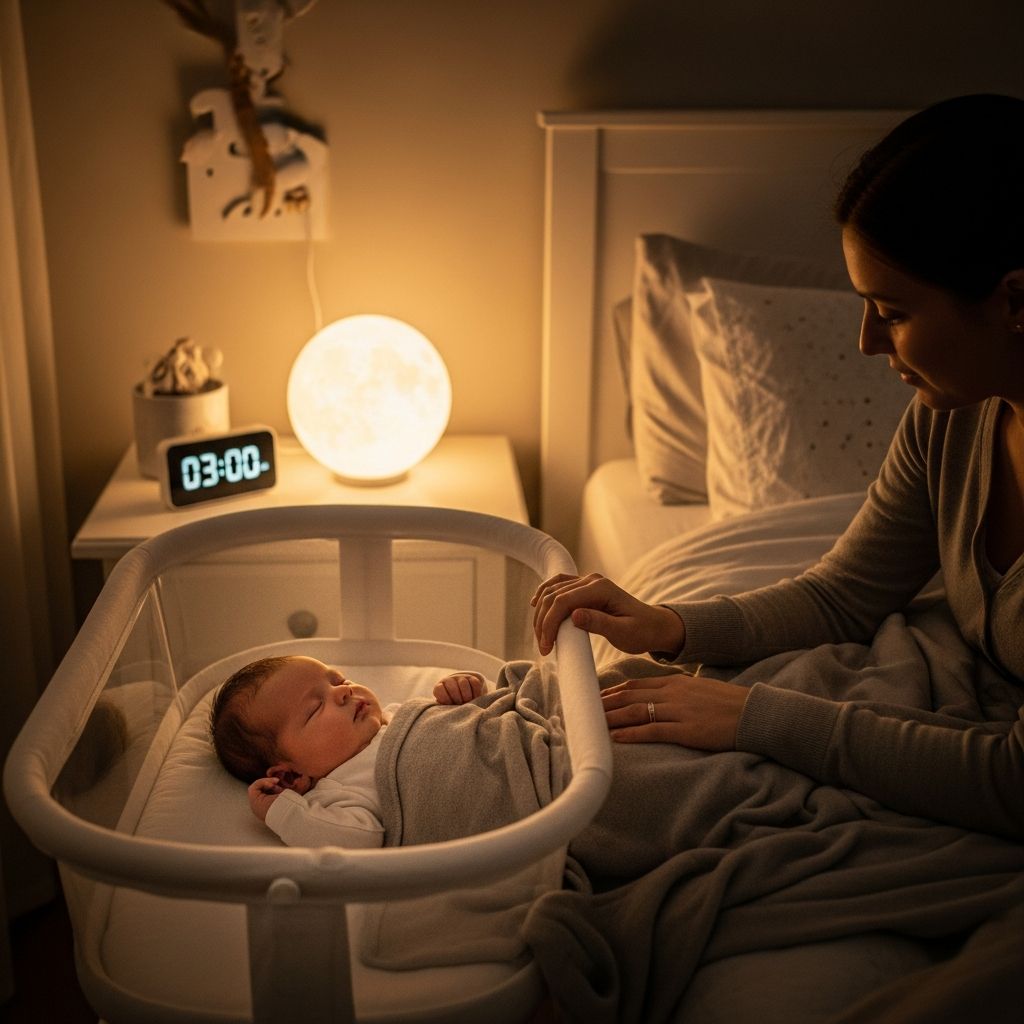
Health experts recommend that parents keep their newborn in the same room for at least the first six months, ideally up to one year, to enhance safety and bonding while following strict safe sleep protocols.
Why Proximity Matters in Early Infancy
Maintaining close physical proximity to your baby during sleep offers substantial protective effects against sudden unexpected infant death (SUID), including sudden infant death syndrome (SIDS). Official guidelines from leading health organizations emphasize room-sharing without bed-sharing as a cornerstone of infant safety.
The rationale stems from easier monitoring of breathing patterns, quicker response to cries, and frequent nighttime feeds that support breastfeeding success. Babies in the same room experience more synchronized sleep-wake cycles with caregivers, fostering secure attachment from day one.
- Immediate access reduces response time to potential issues like choking or overheating.
- Proximity encourages breastfeeding, which independently lowers SUID risk.
- Visual and auditory cues help parents detect subtle changes in infant state.
Establishing a Secure Sleep Foundation
To maximize benefits, the baby’s sleep space must adhere to the ABCs: Alone, on their Back, in a Crib. This means a separate bassinet, crib, or playard positioned within arm’s reach of the parental bed.
Firm, flat surfaces with fitted sheets are non-negotiable; soft bedding, pillows, or toys introduce suffocation hazards. Always position infants supine for every sleep episode, naps included, as stomach or side placement elevates SIDS risk dramatically.
| Safe Sleep Element | Do | Don’t |
|---|---|---|
| Sleep Position | Back only | Stomach or side |
| Sleep Surface | Firm crib mattress with fitted sheet | Soft bedding, pillows, bumpers |
| Room Setup | Bassinet in parents’ room | Bed-sharing or sofa sleeping |
| Extras | Wearable blankets if needed | Loose blankets, hats indoors |
Avoid inclined sleepers, swings, or car seats for routine rest; transfer sleeping infants to approved surfaces promptly.
Recommended Timeline from Trusted Authorities
The American Academy of Pediatrics (AAP) and Centers for Disease Control and Prevention (CDC) align on room-sharing for at least six months, extending to 12 months when feasible. This duration aligns with peak SUID vulnerability periods.
- 0-6 Months: Mandatory room-sharing to slash SIDS risk by up to 50% through vigilant oversight.
- 6-12 Months: Continue if logistically viable, as benefits persist amid ongoing brain development.
- Beyond 12 Months: Transition to separate room once sleep independence solidifies, balancing autonomy with security.
State health departments echo these timelines, stressing compliance with Consumer Product Safety Commission (CPSC)-certified equipment.
Advantages of Extended Room Proximity
Beyond mortality prevention, room-sharing streamlines parental duties. Night wakings become manageable, preserving sleep for all. Breastfed infants thrive with on-demand access, boosting milk supply and nutritional intake.
Developmentally, babies regulate better near familiar voices and scents, potentially shortening sleep onset latency. Parents report heightened confidence from normalized vigilance, reducing anxiety common in early postpartum phases.
Longitudinal data supports fewer sleep disruptions overall, as co-located infants arouse more readily to parental presence, mimicking evolutionary co-sleeping norms safely adapted for modern homes.
Navigating the Shift to Independent Sleeping
Signs for readiness include consistent self-soothing, prolonged stretches without feeds, and minimal night interventions. Typically emerging around 6-9 months, these cues signal low SIDS risk as motor skills advance.
Prepare gradually: introduce daytime naps in the target room, maintain bedtime rituals, and use monitors for reassurance. White noise machines and consistent routines ease separation anxiety for both parties.
- Week 1: Place bassinet in baby’s future room for playtime.
- Week 2: Supervised naps there with door open.
- Week 3: Full overnight transition with check-ins.
Regression is common during teething or illness; revert temporarily without guilt, recommencing progression swiftly.
Common Hurdles and Practical Fixes
Space constraints challenge urban families; compact bassinets or bedside sleepers fit tight quarters effectively. Noise from adult sleepers disturbs some infants—earplugs or fans mitigate this.
Overheating risks demand room temperatures of 68-72°F, dressing babies in one layer more than adults. Swaddling suits newborns until rolling commences, ensuring hip mobility and loose chest fit.
Partner disagreements on duration warrant open dialogue, prioritizing evidence over tradition. Pediatric consultations personalize advice, factoring family dynamics.
Debunking Persistent Myths
Back sleeping doesn’t cause choking; infants’ reflexes protect airways. Separate sleep spaces don’t equate emotional neglect—proximity suffices for bonding. Home monitors lack evidence for SUID prevention, diverting from proven strategies.
Weighted sacks or positioners pose entrapment dangers, contravening guidelines. Smoking exposure, even passively, heightens risks exponentially—maintain smoke-free zones.
Frequently Asked Questions
What if my baby rolls over during sleep?
Continue placing on back; if they roll independently both ways, allow position changes with a clear sleep area.
Can I use a co-sleeper attachment?
Yes, if CPSC-approved and ensuring no bed-sharing occurs.
Is room-sharing safe for multiples?
Each needs individual compliant sleep space nearby.
How do I keep baby warm without blankets?
Opt for sleep sacks or layered footed pajamas.
What about pets in the room?
Keep away from sleep area to prevent disturbances.
Long-Term Sleep Health Outlook
Adhering to these practices lays groundwork for robust sleep hygiene. By one year, most infants consolidate nights, paving way for toddler independence. Parental modeling of calm routines instills lifelong habits, mitigating future disruptions.
Community resources, like hospital classes, reinforce compliance. Track progress via sleep logs, adjusting as milestones unfold. Ultimately, informed room-sharing empowers families, blending safety with serenity.
References
- Infant Safe Sleep Practices — Safe Sleep NM. 2023. https://www.safesleepnm.org/public/
- Safe Sleep for Babies – Nationwide Children’s Hospital — Nationwide Children’s Hospital. 2024. https://www.nationwidechildrens.org/family-resources-education/health-wellness-and-safety-resources/helping-hands/safe-sleep-practices-for-babies
- Providing Care for Babies to Sleep Safely | SUID and SIDS – CDC — Centers for Disease Control and Prevention. 2025-01-10. https://www.cdc.gov/sudden-infant-death/sleep-safely/index.html
- Safe Sleep for Babies – CDPH — California Department of Public Health. 2024. https://www.cdph.ca.gov/Programs/CFH/DMCAH/SIDS/Pages/Safe-Sleep-for-Babies.aspx
- Safe Sleep, Every Sleep for Infants — South Carolina Department of Health. 2024. https://dph.sc.gov/health-wellness/child-teen-health/early-childhood/newborn-infant-safety/safe-sleep-every-sleep
- How to Keep Your Sleeping Baby Safe: AAP Policy Explained — American Academy of Pediatrics. 2022-10-21. https://www.healthychildren.org/English/ages-stages/baby/sleep/Pages/a-parents-guide-to-safe-sleep.aspx