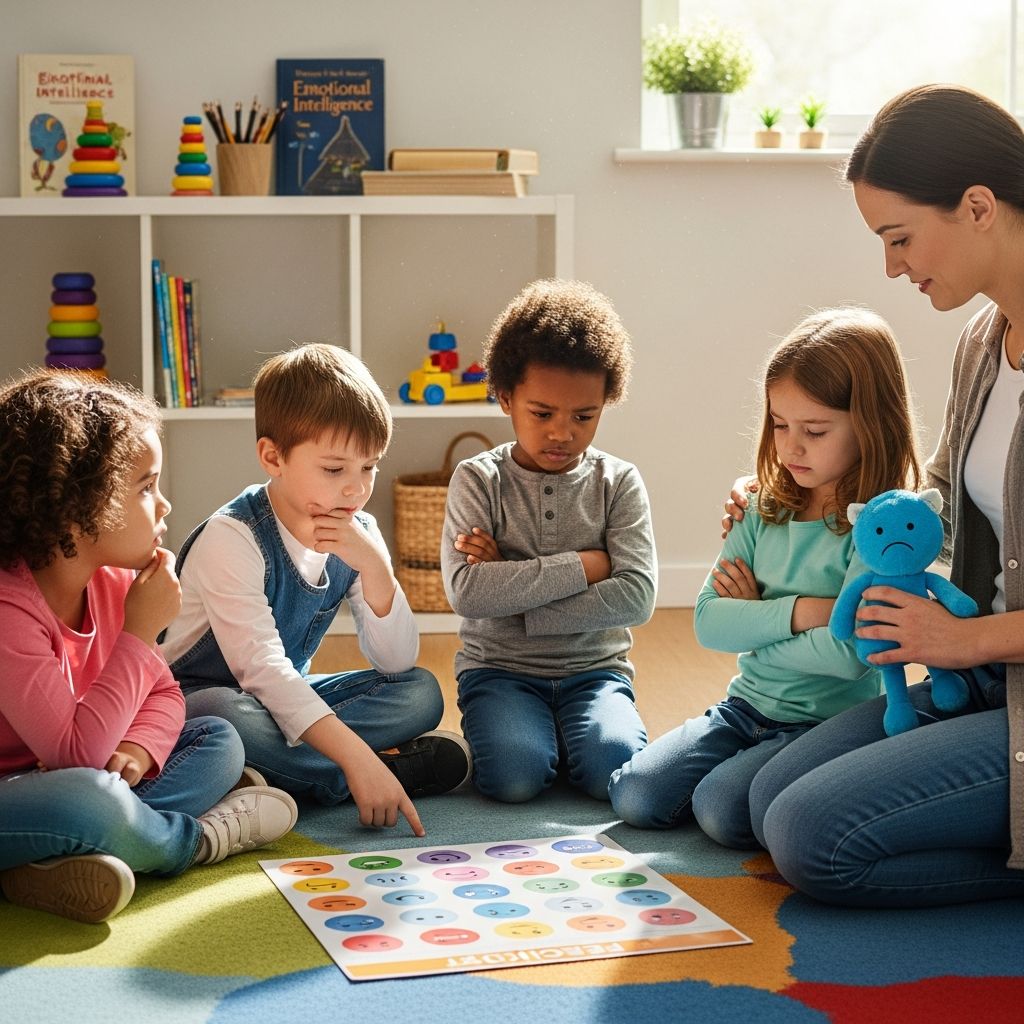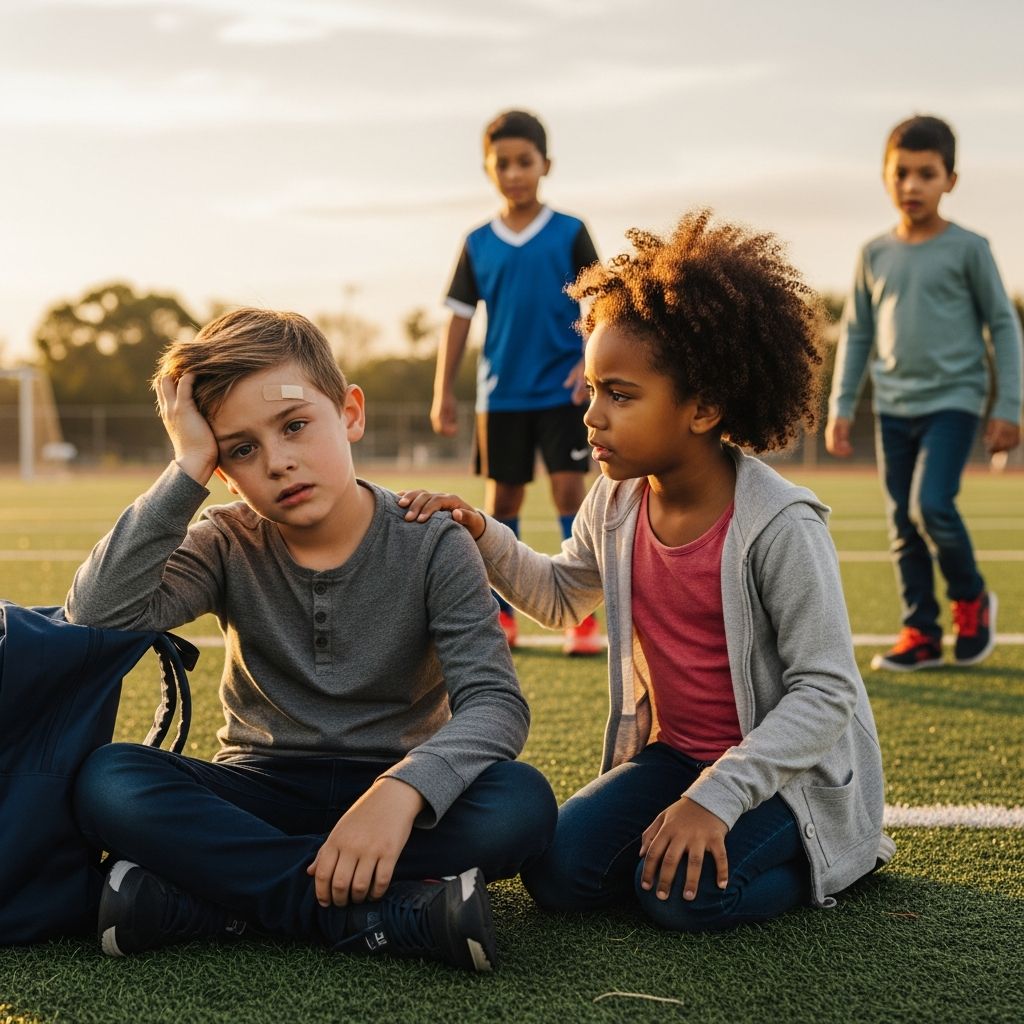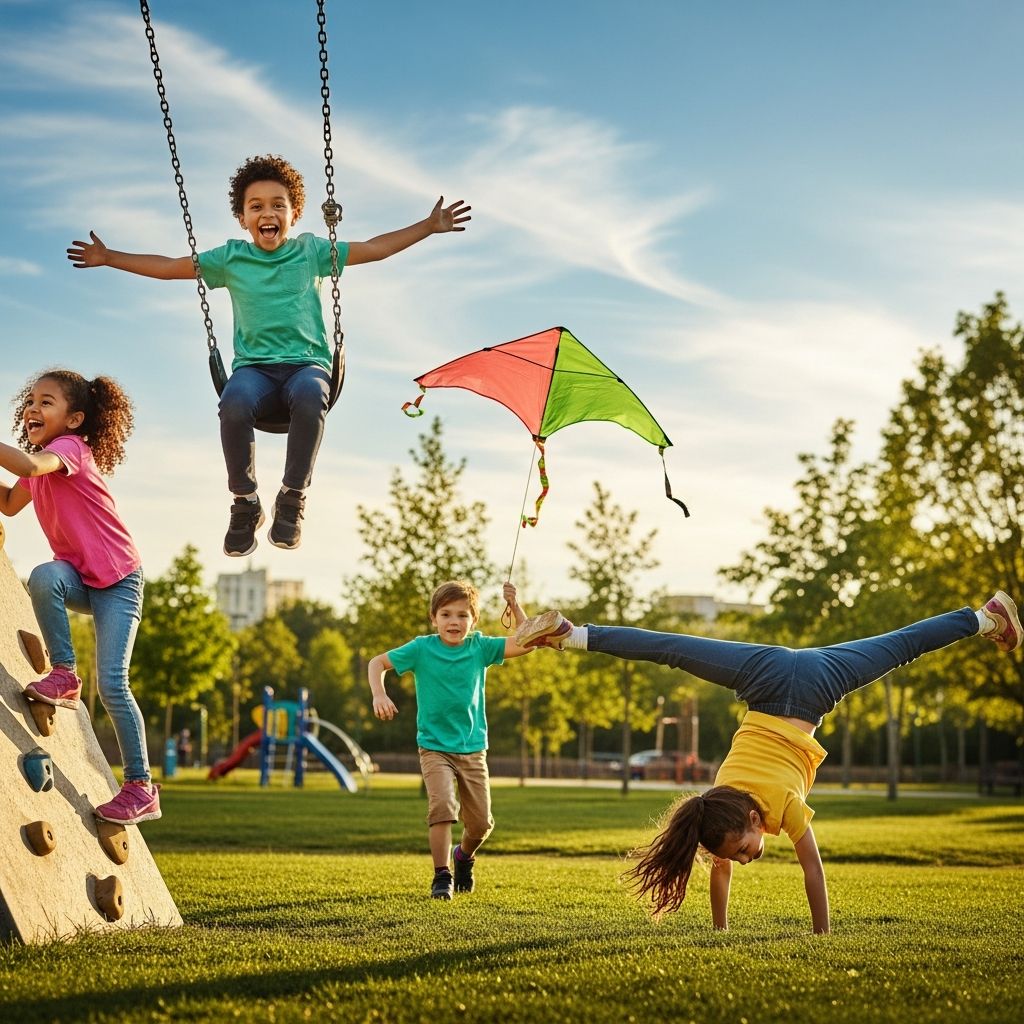
Energetic physical interactions, often called rough and tumble play, are a natural part of childhood that parents and educators sometimes hesitate to encourage due to concerns about safety or aggression. However, research consistently shows that this type of play is essential for children’s overall development, providing benefits that extend from bodily strength to emotional regulation and problem-solving abilities. By understanding its value, caregivers can create environments where kids thrive through joyful movement.
Understanding the Nature of Energetic Play
Active play involves playful physical contact, such as wrestling, chasing, or mock fighting, distinguished from real aggression by laughter, open expressions, and turn-taking. Children engage in it instinctively, much like young animals, to practice essential life skills in a safe, fun context. Unlike true fights, which feature closed fists and negative emotions, this play pulls punches and includes smiles, allowing participants to switch roles fluidly.
From ages 2 to 6, children naturally seek out these activities, using them to test boundaries and build confidence. Indoor or outdoor, it transforms everyday spaces into arenas for growth, whether tumbling on mats or chasing across playgrounds.
Physical Gains from Vigorous Movement
One of the most immediate advantages of energetic play is its impact on physical health. These activities demand full-body engagement, promoting muscle development, improved balance, coordination, and cardiovascular endurance. Children who regularly roughhouse show enhanced gross motor skills, making them better prepared for sports or structured games later.
- Muscle and bone strength: Wrestling and lifting peers build core and limb strength without equipment.
- Cardio boost: Chasing games elevate heart rates, mimicking high-intensity interval training suited for young bodies.
- Body awareness: Learning to control force prevents injuries and teaches spatial judgment.
Studies link such play to better overall fitness, reducing obesity risks and supporting lifelong activity habits. Even short bursts improve attention and academic performance by enhancing brain blood flow.
Boosting Social and Emotional Intelligence
Beyond the body, energetic play sharpens social skills crucial for friendships and group dynamics. Kids must read facial cues, body language, and vocal tones to ensure play remains fun, fostering empathy and negotiation from an early age.
During a tussle, children alternate aggressor and defender roles, practicing fairness and consent. This role-switching mirrors real-life cooperation, like sharing toys or resolving disputes. It also builds resilience, as minor ‘defeats’ teach graciousness and quick recovery.
| Skill Developed | How Play Helps | Long-Term Benefit |
|---|---|---|
| Empathy | Checking partner’s enjoyment | Stronger peer relationships |
| Self-Regulation | Moderating strength | Better emotional control |
| Conflict Resolution | Negotiating rules mid-play | Effective problem-solving |
Parental involvement amplifies these gains, strengthening family bonds and modeling positive interactions. Roughhousing with adults reduces child anxiety while teaching emotional attunement.
Cognitive Advantages of Unpredictable Fun
The chaotic nature of active play stimulates brain development, particularly in areas handling memory, logic, and language. Quick adaptations to opponents’ moves hone flexible thinking and strategic planning, translating to classroom success.
Combined with imaginative elements—like pretending to be superheroes—it sparks creativity and abstract reasoning. Research indicates kids who roughhouse perform better academically, with improved focus and mood regulation.
- Enhanced executive function for task-switching.
- Better attention spans post-play sessions.
- Creative problem-solving through improvisation.
Addressing Common Concerns for Safe Play
Many adults worry that energetic play leads to bullying or injuries, but evidence shows it rarely escalates when supervised. Only a tiny fraction of instances turn aggressive, and proper guidance prevents issues.
To promote safety:
- Set clear rules: No head hits, stop on ‘no’.
- Supervise without over-intervening to allow natural resolution.
- Choose soft surfaces and age-matched partners.
- Intervene only if distress appears, distinguishing play cries from real ones.
Educators in supportive settings note children prefer spaces affording movement, indoor or out, leading to more positive interactions.
Practical Ideas to Encourage Active Engagement
Incorporate energetic play daily with simple, home-friendly activities. Start slow if hesitant, building comfort through repetition.
- Chase variants: ‘Floor sharks’ where you crawl and tag gently.
- Wrestle games: ‘Airplane’ lifts or piggyback rides with tickles.
- Obstacle fun: Pillow forts to climb and defend.
- Role-play battles: Heroes vs. villains with slow-motion moves.
- Group tag: Add themes like animals for variety.
Time it before homework for optimal focus benefits, or as wind-down to release energy.
For schools, dedicate ‘active zones’ with mats, encouraging teacher-led starts to model boundaries.
Gender Differences and Inclusivity
Boys often favor contact-heavy play, while girls lean toward movement without touch, yet both reap equal rewards. Encouraging all forms ensures inclusivity, avoiding stereotypes that limit opportunities.
Long-Term Impacts on Well-Being
Children engaging in regular active play grow into resilient adults with superior social navigation, physical health, and mental agility. It counters sedentary lifestyles, combating issues like ADHD symptoms through natural outlets.
By prioritizing this play, we equip kids not just to survive, but excel in a complex world.
Frequently Asked Questions
Is energetic play safe for toddlers?
Yes, with supervision and soft landings. Start gently to build skills gradually.
Does it increase aggression?
No, studies show it reduces real fights by teaching boundaries.
How much is enough?
15-30 minutes daily suffices for big benefits without exhaustion.
What if my child is shy?
Pair with one trusted peer or parent to ease in comfortably.
Can it help school performance?
Absolutely—post-play focus and creativity boost learning.
References
- The Impact of Rough & Tumble Play — Children’s Museum of Atlanta. Accessed 2026. https://childrensmuseumatlanta.org/rough-and-tumble-play/
- Rough and Tumble Play: A Teacher’s Guide — Brightwheel. 2026. https://mybrightwheel.com/blog/rough-and-tumble-play
- 6 Reasons Roughhousing is Good for Children — Highlights for Children. Accessed 2026. https://parents.highlights.com/6-reasons-roughhousing-good-children
- Playful Parenting: Why Roughhousing is Vital for Kids’ Growth — The Alliance for Early Childhood. 2024-09-09. https://theallianceforec.org/blog/2024/9/9/playful-parenting-why-roughhousing-is-vital-for-kids-growth
- Children’s Rough-and-Tumble Play in a Supportive Early Childhood Environment — PMC (National Library of Medicine). 2021. https://pmc.ncbi.nlm.nih.gov/articles/PMC8507902/
- Rough Play Parent Guide — Office of Child Development, University of Pittsburgh. Accessed 2026. https://www.ocd.pitt.edu/sites/default/files/Parent_Guides/Updated-Parenting-Guides/Rough%20Play%20Parent%20Guide.pdf