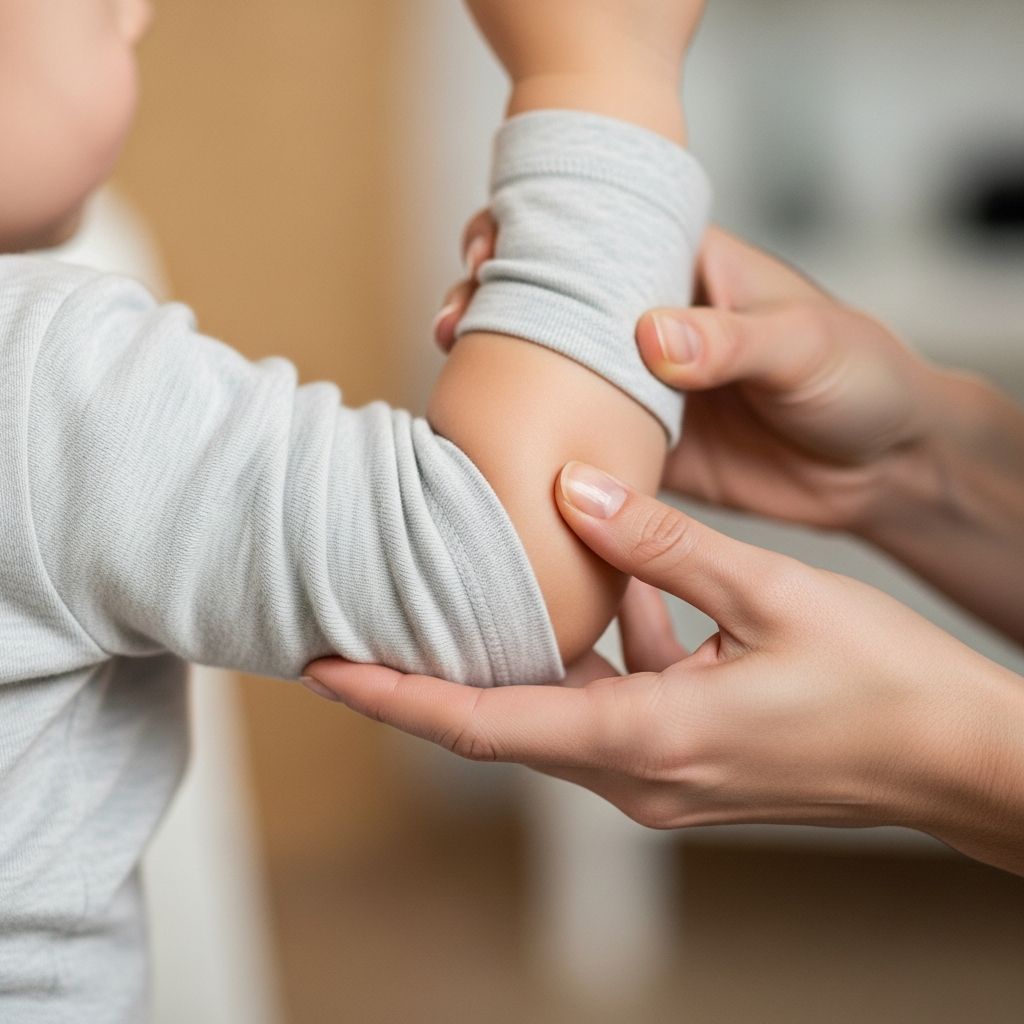
Coxsackie virus is a very common cause of viral illness in babies and children, especially in group settings like daycare and school. While the name can sound frightening, most infections are mild, short-lived, and manageable at home with rest, fluids, and comfort care.
This guide walks you through what Coxsackie virus is, how it spreads, what symptoms to watch for, and how to care for your child safely while reducing the risk of complications.
Understanding Coxsackie Virus
Coxsackie viruses belong to a family of viruses called enteroviruses, which typically live in the digestive tract and can spread easily from person to person. They are especially active in warm weather seasons and in places where children have close contact.
Different strains of Coxsackie virus can cause a range of illnesses, from very mild “summer colds” to more recognizable conditions like hand, foot, and mouth disease.
Common Illnesses Caused by Coxsackie Virus
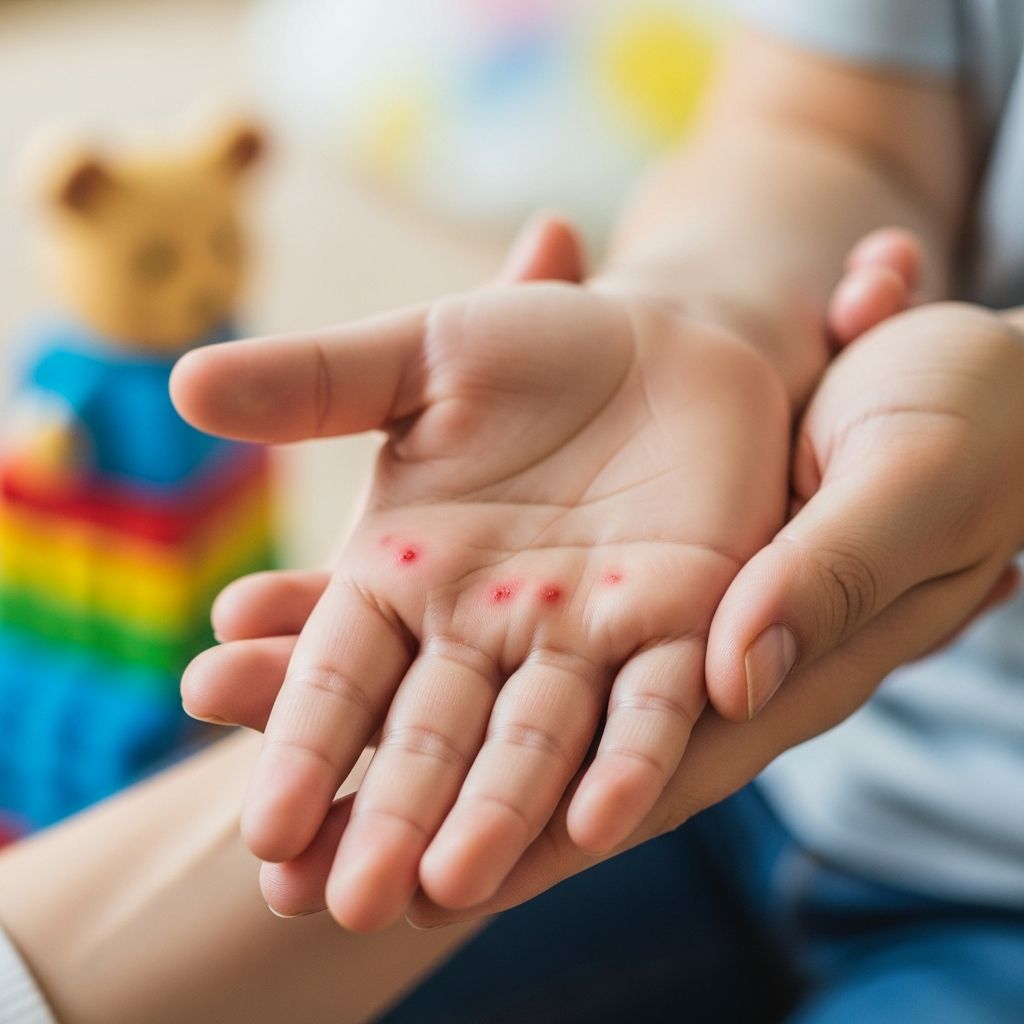
- Hand, foot, and mouth disease (HFMD): A viral illness featuring fever, small blisters or spots on the hands, feet, and sometimes buttocks, along with painful mouth sores.
- Herpangina: Sudden high fever and painful ulcers at the back of the mouth and throat, often making swallowing uncomfortable.
- Flu-like viral illness: Some children may simply have fever, sore throat, and general aches without a distinct rash pattern.
How Coxsackie Virus Spreads
Coxsackie virus spreads very efficiently in environments where children share toys, touch the same surfaces, and may not wash hands thoroughly. Understanding the main routes of transmission helps you take simple preventive steps at home.
Ways Children Can Catch the Virus
- Respiratory droplets: When an infected child coughs, sneezes, or talks, tiny droplets can carry the virus to others nearby.
- Contact with saliva or nasal secretions: Sharing cups, utensils, towels, or pacifiers can transfer the virus.
- Stool–hand–mouth route: Tiny particles of stool can end up on hands or surfaces during diaper changes or toilet use and then be carried to the mouth.
- Contaminated surfaces and toys: The virus can survive for a period on frequently touched objects such as doorknobs, light switches, and shared toys.
Because children often touch their face and mouth, and because their immune systems are still developing, they are more likely than adults to get infected and to bring the virus home.
Typical Symptoms in Children
Not every Coxsackie infection looks the same. Some children have dramatic rashes and obvious mouth sores, while others may only seem a little tired and warm. Symptoms usually appear a few days after exposure and then peak over several days.
Early Signs to Watch For
- Sudden fever, sometimes the first and only sign at the beginning.
- Decreased appetite or reluctance to drink.
- Fussiness, clinginess, or unusual tiredness.
- Complaints of sore throat or “my mouth hurts.”
Skin and Mouth Changes
- Mouth sores: Small red spots or blisters inside the cheeks, on the tongue, or at the back of the throat that may become painful ulcers.
- Rash on extremities: Tiny red spots or blisters on the palms, soles, and sometimes buttocks or arms and legs.
- General rash: In some children, the spots may appear in more scattered locations on the body.
Other Possible Symptoms
- Headache or body aches.
- Mild stomach upset, nausea, or loose stools.
- Low energy and increased sleep.
Most children start to feel noticeably better within about a week, with the fever resolving first and the rash and sores fading gradually.
When Symptoms May Be More Serious
Severe complications are rare, but Coxsackie viruses can occasionally cause more serious problems, particularly in very young infants and children with weakened immune systems. Parents should know the warning signs that call for urgent medical assessment.
Red-Flag Symptoms: Seek Medical Care Promptly
- Difficulty breathing, rapid breathing, or chest pain.
- Stiff neck, extreme headache, or sensitivity to light.
- Persistent high fever that does not improve with fever-reducing medicine or lasts more than a few days.
- Unusual sleepiness, confusion, or difficulty waking the child.
- Inability or refusal to drink, with signs of dehydration such as very dry mouth, no tears when crying, or significantly fewer wet diapers.
If any of these symptoms appear, or if you simply feel that “something isn’t right,” contact a health professional for immediate advice or evaluation.
How Doctors Diagnose Coxsackie Virus
In most children, a doctor can diagnose a Coxsackie infection simply by hearing the history and examining the skin, mouth, and throat. Lab tests are rarely needed for typical, mild cases.
What to Expect During the Visit
- The provider will ask about the child’s symptoms, when they started, and any known exposure at daycare, school, or home.
- They will examine the mouth, hands, feet, and other areas of skin for the classic pattern of spots or blisters.
- They will check for signs of dehydration and evaluate breathing, heart rate, and overall alertness.
Occasionally, in very sick children or in hospital settings, samples from the throat, stool, or blood may be sent for testing to identify the specific virus or rule out other causes.
Treatment: Comfort and Support at Home
There is no specific antiviral drug that cures Coxsackie virus. Treatment focuses on easing symptoms, preventing dehydration, and keeping your child as comfortable as possible while the immune system clears the infection.
Fever and Pain Relief
- Use children’s pain and fever relievers exactly as directed by your child’s healthcare provider or the product label.
- Avoid aspirin in children and teens due to the risk of a rare but serious condition associated with certain viral illnesses.
- For older children, a cool cloth on the forehead or a lukewarm bath can sometimes ease discomfort.
Helping with Mouth Sores
- Offer soft, smooth foods such as yogurt, mashed potatoes, smoothies, or pureed soups that are easier to swallow.
- Avoid salty, spicy, or acidic foods (like citrus fruits and tomato sauces) that can sting the sores.
- Cool options like ice pops or chilled drinks can temporarily soothe sore mouths.
- Ask your child’s provider if mouth rinses, sprays, or gels to numb pain are appropriate for your child’s age.
Preventing Dehydration
- Encourage frequent small sips of water, oral rehydration solutions, or other child-safe fluids.
- For infants, continue breast milk or formula; offer feeds more often if tolerated.
- Watch for fewer wet diapers, very dark urine, or dry lips and tongue as possible signs of dehydration.
Home Care Checklist for Parents
Managing a Coxsackie infection at home is mostly about observation, comfort, and good hygiene. The following checklist can help keep you organized.
- Track your child’s temperature and note any changes in behavior or energy level.
- Offer small, frequent meals and snacks; do not worry if intake is temporarily lower than usual as long as fluid intake remains adequate.
- Keep fingernails trimmed and encourage gentle patting rather than scratching if the rash is itchy, to reduce the risk of skin infection.
- Clean frequently touched surfaces (toys, doorknobs, phones, tablet screens) with appropriate disinfectants.
- Keep your child home from daycare or school while feverish or feeling unwell, especially during the first days of illness.
How Long Does Coxsackie Virus Last?
Most children improve significantly within a week to ten days. Fever usually resolves first, often within a few days, while skin spots and mouth sores may take slightly longer to clear fully.
Even after your child feels better, the virus can continue to be shed in the stool for several weeks, which makes ongoing handwashing and toilet hygiene important.
Typical Recovery Timeline
| Illness Stage | Approximate Timeframe | What Parents Often Notice |
|---|---|---|
| Incubation | 3–6 days after exposure | Child may appear well or slightly tired before symptoms start. |
| Early symptoms | Days 1–2 of illness | Fever, decreased appetite, sore throat, or vague complaints of feeling sick. |
| Peak illness | Days 2–4 | Rash and mouth sores appear; fever may continue; child may be fussy or clingy. |
| Improvement | Days 4–7 | Fever settles; child becomes more active; rash starts to fade. |
| Recovery | Up to 10 days | Most symptoms gone; occasional spots or peeling may remain temporarily. |
Preventing the Spread in Your Home
Because Coxsackie virus spreads so easily, prevention focuses on hygiene and limiting close contact during the contagious period. These steps also help reduce the spread of many other childhood infections.
Practical Prevention Steps
- Teach and remind children to wash hands with soap and water after using the toilet, after diaper changes, and before eating.
- Use alcohol-based hand rubs when soap and water are not available, especially while out of the house.
- Disinfect surfaces and toys regularly, particularly when someone in the household is sick.
- Avoid sharing cups, utensils, toothbrushes, washcloths, or towels.
- Keep sick children home from group activities until fever and most symptoms have improved.
Daycare and School Considerations
- Inform your child’s daycare or school if a diagnosis has been made so they can monitor for additional cases.
- Follow local policies on when children can safely return, usually when they are fever-free and feeling well enough to participate in activities.
- Encourage the facility to reinforce handwashing, surface cleaning, and proper diaper-changing practices.
Frequently Asked Questions (FAQs)
Is Coxsackie virus dangerous?
For most healthy children, Coxsackie virus causes a mild, self-limited illness that goes away on its own with supportive care. Serious complications are rare but can occur, so it is important to watch for warning signs such as breathing difficulties, persistent high fever, or unusual drowsiness and seek medical help if they appear.
Can my child get Coxsackie virus more than once?
Yes. Because there are several different strains of Coxsackie virus, a child who has been sick once can still get infected again by a different strain in the future. Good hygiene and avoiding close contact with sick individuals remain important, even after a previous infection.
Is Coxsackie virus the same as hand, foot, and mouth disease?
Hand, foot, and mouth disease is one of the illnesses commonly caused by Coxsackie viruses, but it is not the only condition they can cause. Other symptoms such as herpangina or nonspecific feverish illnesses can also be linked to this virus family.
When can my child go back to daycare or school?
Most children can return when they have been without fever for at least 24 hours without fever-reducing medicine, feel well enough to participate, and can manage regular eating and drinking. Some mild rash spots may still be visible, but this alone usually does not prevent return; always follow your provider’s advice and local policies.
Can adults catch Coxsackie virus from children?
Adults can become infected, especially if they have close contact with young children, but many adults have partial immunity from previous exposures. When adults do get sick, the symptoms are often milder, although they can still experience fever, sore throat, and rash and should practice the same hygiene measures to protect others.
Is there a vaccine for Coxsackie virus?
There is currently no widely available vaccine that prevents Coxsackie virus infections in the general population. Prevention relies on careful handwashing, good hygiene, and minimizing exposure during outbreaks in community settings.
Key Takeaways for Parents
- Coxsackie virus is common in childhood and often causes mild illnesses that resolve on their own.
- Typical signs include fever, sore throat, mouth sores, and a rash on the hands, feet, or other areas of the body.
- Treatment focuses on comfort: controlling fever and pain, keeping your child hydrated, and encouraging rest.
- Careful handwashing, surface disinfection, and staying home when sick are the best tools to reduce spread.
- Contact a healthcare provider if you notice signs of dehydration, trouble breathing, persistent high fever, or unusual changes in your child’s behavior or alertness.
With calm observation, supportive care, and good communication with your child’s healthcare provider, most Coxsackie infections can be safely managed at home while your child’s immune system does the work of recovery.