The Foundation of Lifelong Learning
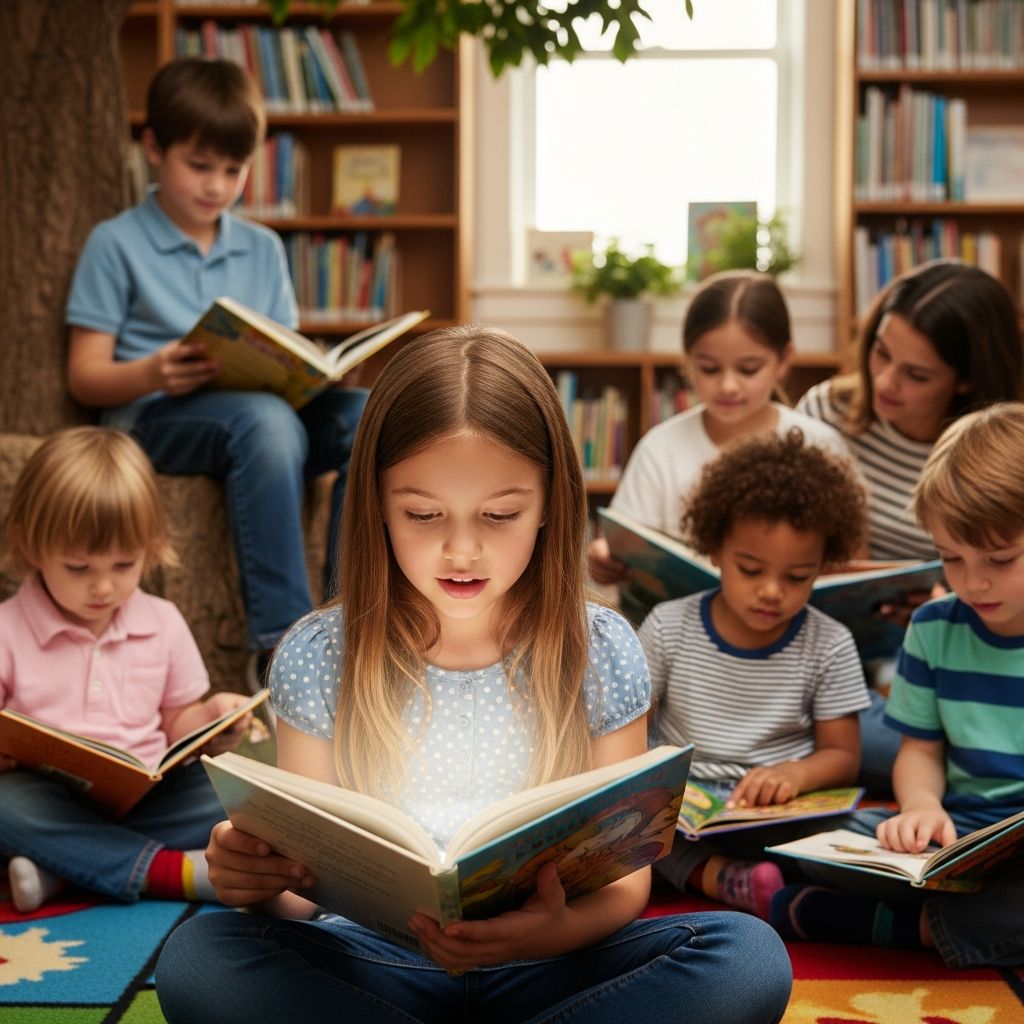
Reading is more than a pastime; it is a cornerstone of early childhood development. When children are regularly exposed to books, stories, and shared reading experiences, they build the foundation for lifelong learning and success. From infancy through adolescence, reading shapes the way children think, communicate, and interact with the world around them .
Cognitive Growth Through Storytelling
Reading to children stimulates their brains in unique ways, supporting cognitive development from the earliest stages of life. When children listen to stories, their brains form new neural connections, strengthening memory, attention, and problem-solving abilities . Exposure to new words and concepts expands their vocabulary and helps them understand complex ideas, preparing them for academic challenges ahead .
- Reading builds memory and critical thinking skills.
- Stories introduce children to new concepts and ways of thinking.
- Regular reading strengthens attention span and focus.
Emotional and Social Development
Books are powerful tools for teaching children about emotions, relationships, and empathy. Through stories, children learn to recognize and express their own feelings, as well as understand the perspectives of others . Reading together also fosters a sense of security and connection, helping children feel loved and supported .
- Stories help children identify and manage emotions.
- Shared reading strengthens parent-child bonds.
- Books expose children to diverse cultures and experiences.
Language and Literacy Skills
Reading aloud is one of the most effective ways to develop language and literacy skills in young children. Daily exposure to books helps children acquire new words, understand sentence structure, and develop phonemic awareness . This early foundation is crucial for future reading and writing success.
- Reading expands vocabulary and language comprehension.
- Stories introduce children to grammar and sentence patterns.
- Regular reading improves listening and communication skills.
Imagination and Creativity
Books transport children to new worlds, sparking their imagination and creativity. When children listen to stories, they visualize characters, settings, and adventures, which encourages creative thinking and problem-solving . This imaginative play is essential for innovation and adaptability in later life.
- Stories inspire children to dream and explore new ideas.
- Reading encourages creative expression and storytelling.
- Imagination nurtured through books supports future innovation.
Academic Success and Beyond
Children who are read to regularly are more likely to excel academically. Reading builds the skills needed for school success, including comprehension, critical thinking, and concentration . These abilities not only help children perform well in school but also prepare them for lifelong learning and achievement.
- Reading improves academic performance and test scores.
- Strong literacy skills support future career opportunities.
- Books foster a love of learning and curiosity.
Practical Tips for Parents
Integrating reading into daily routines is simple and rewarding. Parents can create a special reading time, choose age-appropriate books, and encourage children to ask questions and share their thoughts about stories . Libraries and community programs also offer valuable resources for families.
- Set aside a consistent time for reading each day.
- Choose books that match your child’s interests and reading level.
- Discuss stories and characters to deepen understanding.
- Visit libraries and participate in reading programs.
FAQs
Why is reading important for young children?
Reading supports cognitive, emotional, and social development, builds language and literacy skills, and fosters a love of learning .
How much should I read to my child each day?
Even 15–20 minutes of daily reading can have a significant impact on your child’s development .
What types of books are best for young children?
Choose books with colorful pictures, simple language, and engaging stories that match your child’s age and interests .
Can reading help children with learning difficulties?
Yes, reading can support children with learning challenges by improving language skills, concentration, and confidence .
How can I make reading fun for my child?
Use expressive voices, ask questions, and let your child choose books to make reading an enjoyable experience .
Conclusion
Reading is a powerful tool for shaping children’s minds and futures. By making reading a daily habit, parents can nurture their children’s cognitive, emotional, and social growth, setting them on a path to lifelong learning and success .