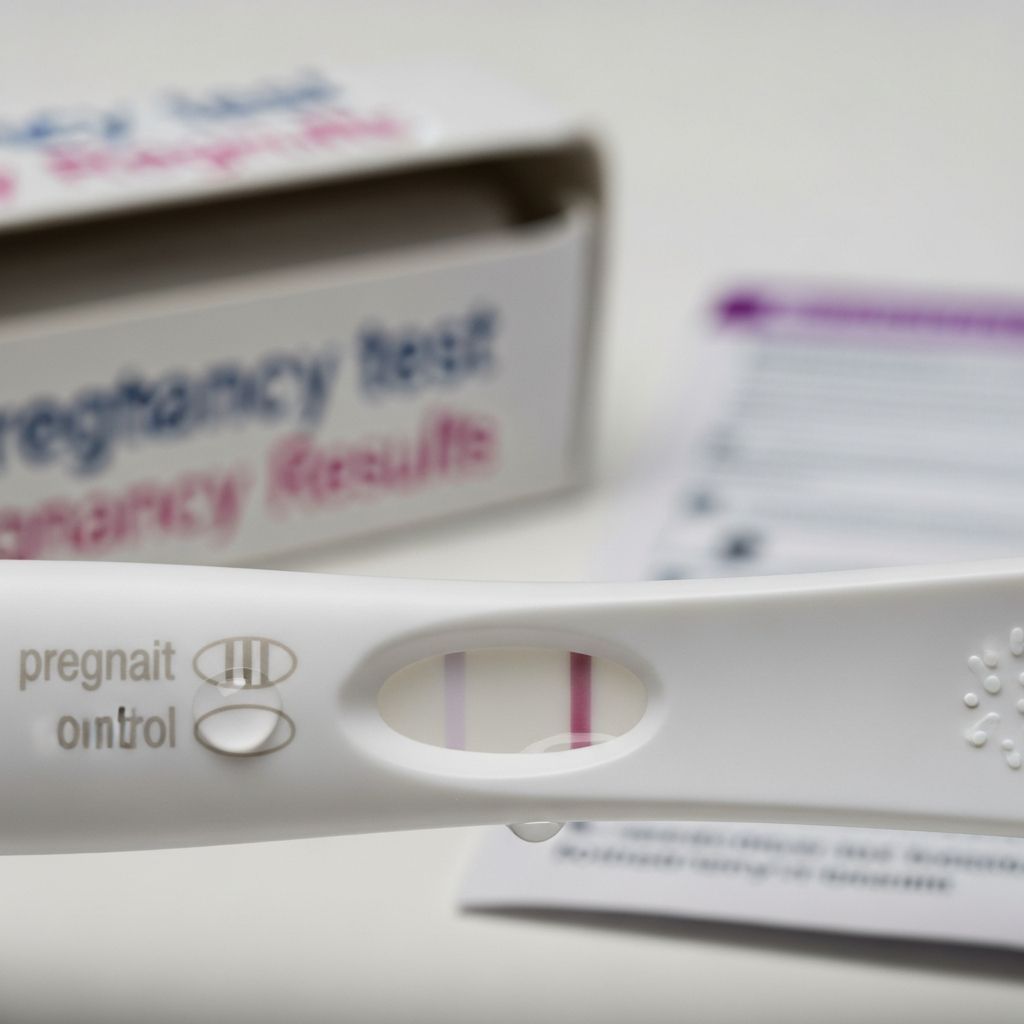
When Pregnancy Tests Mislead: Understanding False Negatives
Discovering a negative pregnancy test when you suspect you’re pregnant can be emotionally challenging and confusing. The reality is that home pregnancy tests, while generally reliable, are not foolproof. Studies estimate that up to 11% of pregnancies may go undetected by urine tests early in pregnancy. Understanding the reasons behind inaccurate results can help you make informed decisions about retesting and when to seek professional medical evaluation.
The Science Behind Pregnancy Test Accuracy
Modern home pregnancy tests work by identifying the presence of human chorionic gonadotropin (hCG), a hormone produced during pregnancy. This hormone begins developing after a fertilized egg implants in the uterine lining. When hCG is present in sufficient quantities, the test’s chemical indicator changes color or displays a result. However, the journey from conception to detectable hCG levels involves several variables that can affect test accuracy.
When tests are performed on the day a missed period is expected, high-quality pregnancy tests demonstrate accuracy rates exceeding 99%. However, this assumes optimal conditions and proper test usage. The challenge arises when conditions are less than ideal, leading to results that don’t reflect the actual pregnancy status.
Primary Reasons for Negative Results During Pregnancy
Testing Timeline Issues
One of the most common causes of false negatives involves testing too early in pregnancy. If you perform a test before your period is officially due or within just a few days of missing it, hCG levels in your urine may remain below the test’s detection threshold. Early pregnancy produces hCG at relatively low concentrations initially, which gradually increase as the pregnancy progresses. The test can only detect hormones present at certain minimum levels, so premature testing essentially catches the pregnancy before the hormone reaches measurable amounts.
Additionally, some individuals experience delayed implantation, meaning the fertilized egg takes longer than average to embed in the uterine lining. This delays hCG production, pushing detectable hormone levels even further into the future. For this reason, healthcare providers recommend waiting until at least the first day of a missed period before testing for the most reliable results.
Irregular Menstrual Cycles
Between 14% and 25% of women experience irregular menstrual cycles, making it difficult to accurately predict when ovulation occurs and when a period should arrive. When cycle length varies, ovulation timing shifts accordingly. This variation can throw off calculations about when to expect a period and when to test. Someone might believe they’ve missed a period when they’re actually testing too early based on their actual cycle length. This miscalculation frequently results in negative tests that don’t reflect true pregnancy status.
Diluted Urine Concentration
The concentration of hCG in urine fluctuates throughout the day and depends significantly on fluid intake. Overhydration dilutes urine, reducing the concentration of detectable hormones. Testing with diluted urine makes it harder for the test to identify hCG, even when the hormone is present. For optimal results, many experts recommend using urine collected first thing in the morning when concentration is naturally highest after several hours without fluid intake.
Test Expiration and Quality Issues
Home pregnancy tests have expiration dates for good reason. Tests past their expiration date may not function properly, delivering inaccurate results. Additionally, faulty tests occasionally reach consumers due to manufacturing defects or improper storage conditions. Tests exposed to extreme temperatures or humidity may not perform as intended. When a negative result seems inconsistent with pregnancy symptoms, test quality should be considered.
Incorrect Test Administration
Following manufacturer instructions precisely matters significantly for accuracy. Common user errors include checking results too soon before the test has finished processing, not allowing sufficient contact between urine and the test strip, or misinterpreting results. Some individuals examine results before the recommended waiting period has elapsed, potentially misreading an incomplete test. Setting a timer can help ensure you wait the full processing time before checking results, reducing the likelihood of misinterpretation.
Hormonal and Physiological Factors
Naturally Lower hCG Production
Not all pregnancies produce hCG at identical rates or concentrations. Some individuals naturally produce lower levels of this hormone throughout pregnancy while maintaining completely healthy pregnancies. Their hCG concentrations might remain below standard test detection thresholds longer than average, causing early tests to register negative even though pregnancy exists. Blood tests, which can detect lower hCG concentrations than urine tests, often clarify these situations.
The Hook Effect in Advanced Pregnancy
Paradoxically, extremely high hCG levels can also cause false negatives, though this occurs in later pregnancy stages. Most over-the-counter tests are calibrated to detect hCG within a specific range. When hCG concentrations exceed this range significantly—which can happen several weeks into pregnancy—the test may fail to register the hormone properly. This phenomenon, called the “hook effect,” occurs when test antibodies become oversaturated with hCG. The degraded form of hCG, called hCG core fragment, can accumulate as pregnancy progresses, sometimes interfering with test accuracy by binding to antibodies designed to detect the intact hormone.
Degraded Hormone Detection Problems
Research has identified a specific vulnerability in some home pregnancy tests. As pregnancy advances, hCG breaks down into fragments. Some test devices inadvertently bind to these fragments rather than the intact hormone. When this occurs, the test cannot generate a positive signal despite hCG presence, resulting in false negatives several weeks into pregnancy.
Medical Conditions and Recent Events
Ectopic Pregnancy Complications
In an ectopic pregnancy, the fertilized egg implants outside the uterus, typically in the fallopian tube. This life-threatening condition still produces hCG but often at lower or slower rates than typical uterine pregnancies. The pregnancy test might register negative while the individual experiences serious symptoms including severe pelvic or abdominal pain, unusual vaginal bleeding, shoulder pain, weakness, and dizziness. Anyone experiencing these symptoms requires immediate medical attention regardless of test results.
Recent Pregnancy Loss or Termination
Following miscarriage, abortion, or childbirth, hCG levels can persist in the bloodstream for up to 60 days. If testing occurs during this window, pregnancy tests may detect residual hormone and produce false positives. Conversely, if someone who isn’t pregnant tests during this period after believing they’ve conceived again, the lingering hCG from the previous pregnancy could cause confusion about results.
Underlying Medical Conditions
Certain medical conditions affect menstrual regularity independently of pregnancy. Stress, significant weight fluctuations, eating disorders, hormonal imbalances, and various medical conditions can cause delayed or missed periods. When a period is delayed for these reasons rather than pregnancy, a negative test accurately reflects the situation, though it may still feel puzzling given the absence of menstruation.
Medications and External Influences
Specific medications, particularly fertility treatments containing hCG, can interfere with test results by creating false positives. Conversely, some medications may affect hormonal balance in ways that influence cycle regularity. However, most common medications including pain relievers, antibiotics, alcohol, and hormonal contraceptives do not interfere with pregnancy test results. Always review medication instructions carefully, as some fertility treatments explicitly require consideration when interpreting results.
Distinguishing Pregnancy Symptoms from Other Causes
Early pregnancy symptoms overlap significantly with premenstrual syndrome (PMS), making differentiation challenging. Both conditions can produce fatigue, breast tenderness, mood changes, nausea, and cramping. This similarity means that experiencing these symptoms doesn’t definitively indicate pregnancy. Stress, hormonal fluctuations, illness, poor sleep, dietary changes, and numerous other factors can produce identical symptoms. When symptom spotting occurs—where any physical sensation gets attributed to pregnancy—objective assessment becomes difficult. While genuine pregnancy symptoms may indeed be present, alternative explanations merit consideration.
Recommended Actions for Negative Results with Pregnancy Suspicion
Retesting Strategy
If you receive a negative result but suspect pregnancy, retesting after three days provides more reliable information. This interval allows hCG levels to increase substantially if pregnancy exists, making detection more likely. Using first-morning urine for subsequent tests improves accuracy by providing more concentrated hormone levels.
When Professional Evaluation Becomes Essential
Healthcare professionals recommend seeking medical evaluation if two negative pregnancy tests taken one week apart are both negative yet pregnancy symptoms persist and menstruation hasn’t returned. A doctor can order blood tests, which detect lower hCG concentrations than home urine tests, or perform ultrasound imaging to clarify whether pregnancy exists. These options provide definitive answers when home tests leave questions unanswered.
Blood Test Advantages
Quantitative blood tests measuring hCG levels offer superior sensitivity compared to urine tests. They can detect pregnancy earlier and provide actual hormone concentration numbers rather than simple positive/negative results. For anyone consistently receiving negative home test results despite strong pregnancy suspicion, requesting blood testing represents the most reliable next step.
Addressing False Negatives Systematically
| Factor | Impact on Results | How to Address |
|---|---|---|
| Testing Timing | Negative result before missed period | Wait until period is due or use blood tests |
| Diluted Urine | Low hCG concentration undetectable | Use first-morning urine; limit fluids before testing |
| Expired Test | Unreliable results | Check expiration dates; purchase fresh tests |
| User Error | Misinterpreted or premature results | Follow instructions carefully; use timer |
| Irregular Cycles | Miscalculated testing window | Track cycle length; consult healthcare provider |
| Low hCG Production | Below detection threshold | Retest in three days; request blood test |
Common Questions About False Negative Pregnancy Tests
Q: How accurate are home pregnancy tests on the day a missed period is expected?
A: Home pregnancy tests are over 99% accurate when taken on the day a missed period is expected, assuming proper use and fresh, quality tests. However, accuracy decreases significantly if testing occurs before a missed period.
Q: Can I be pregnant with two negative tests?
A: Yes, false negatives can occur despite multiple negative tests, particularly if testing occurs too early, urine is diluted, or if hCG levels are naturally lower. Blood tests provide more definitive answers when suspicion remains.
Q: What should I do if I have pregnancy symptoms but negative test results?
A: Retest after three days using first-morning urine. If symptoms persist and another test is negative, contact your healthcare provider for blood testing or ultrasound confirmation.
Q: Can medications cause false negative pregnancy tests?
A: Most common medications don’t interfere with pregnancy tests. However, certain fertility treatments containing hCG can affect results. Always review medication instructions before testing.
Q: Is the hook effect a common cause of false negatives?
A: The hook effect, while possible, is relatively rare and typically occurs several weeks into pregnancy when hCG levels are extremely high. Blood tests can confirm pregnancy when this occurs.
Q: How does irregular menstruation affect pregnancy test timing?
A: Irregular cycles make it difficult to determine exact ovulation timing and expected period dates. This can result in testing too early. Tracking cycles over several months helps establish patterns for more accurate predictions.
Q: Should I test with first-morning urine?
A: Yes, first-morning urine contains the highest hCG concentration after several hours without fluid intake, improving test accuracy and reducing false negatives.
References
- False negative and false positive pregnancy test results explained — Clearblue. 2025. https://www.clearblue.com/am-i-pregnant/pregnancy-symptoms-but-negative-test-meaning
- Negative and false-negative pregnancy tests: Causes and what to do — Flo Health. 2025. https://flo.health/getting-pregnant/trying-to-conceive/pregnancy-tests/false-negative-pregnancy-test
- My Pregnancy Test Is Negative, but I Still Have Symptoms — Rose Women’s Health Center. 2024. https://www.rosewomenshealthcenter.com/blog/my-pregnancy-test-is-negative-but-i-still-have-symptoms-what-should-i-do
- Negative Pregnancy Test but Feel Pregnant: 10 Possible Reasons — Healthline. 2025. https://www.healthline.com/health/pregnancy/negative-pregnancy-test-but-feel-pregnant
- Home pregnancy tests: Can you trust the results? — Mayo Clinic. 2024. https://www.mayoclinic.org/healthy-lifestyle/getting-pregnant/in-depth/home-pregnancy-tests/art-20047940
- Flaw in many home pregnancy tests can return false negative results — Washington University School of Medicine. 2024. https://medicine.washu.edu/news/flaw-in-many-home-pregnancy-tests-can-return-false-negative-results/