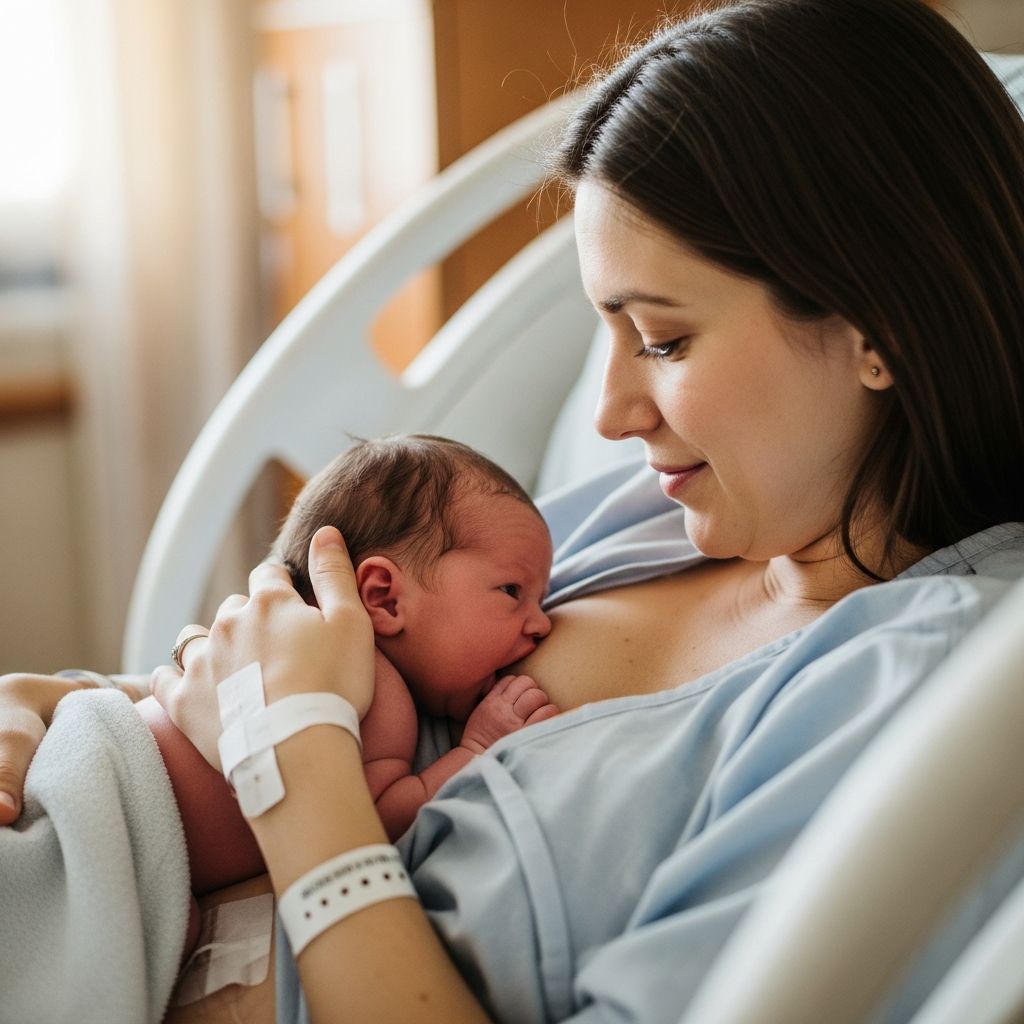
Delivering your baby via cesarean section (C-section) brings unique recovery demands, yet breastfeeding remains not only possible but highly beneficial for both mother and infant. With targeted strategies like immediate skin-to-skin contact and frequent feeding attempts, many parents establish a strong nursing routine despite surgical aftermath.
Understanding the Impact of Cesarean Birth on Lactation
Cesarean deliveries can subtly alter the onset of breastfeeding compared to vaginal births. The absence of labor-induced oxytocin surges may delay milk production, while post-operative pain, IV lines, and limited mobility complicate early latching. Research shows mothers post-C-section report higher instances of perceived low milk supply and infant feeding difficulties, underscoring the need for proactive support.
Despite these hurdles, lactation physiology remains robust. Colostrum—the nutrient-dense first milk—produces regardless of delivery method, providing essential antibodies and sustenance in tiny volumes. Transition to mature milk typically occurs 2-5 days postpartum, accelerated by demand from nursing or pumping.
Immediate Steps: Skin-to-Skin Contact and the Golden Hour
Right after surgery, if you and your baby are stable, prioritize skin-to-skin contact. Place your naked newborn chest-down on your bare chest under a warm blanket. This triggers oxytocin release, stabilizes baby’s vitals, reduces stress, and cues instinctive rooting and latching.
- Encourages natural breastfeeding initiation during the ‘Golden Hour’—the first 60 minutes when babies are most alert.
- Promotes maternal milk ejection reflex, countering potential delays from anesthesia.
- Facilitates bonding if initial separation occurred due to medical needs.
In ‘gentle’ or family-centered cesareans, surgical drapes allow immediate chest placement even during closure, minimizing separation. If apart, have a partner provide skin-to-skin until reunion.
Optimal Breastfeeding Positions for C-Section Recovery
Protecting your incision while nursing requires body mechanics that minimize abdominal strain. Experiment with these positions, using pillows for support.
| Position | Description | Benefits |
|---|---|---|
| Football Hold | Baby tucked under your arm, legs pointing away from incision; support with pillow. | Keeps baby off belly; ideal for post-op tenderness and twins. |
| Side-Lying | Lie on side facing baby, draw them close with top arm; pillow between knees. | Restful for recovery; reduces twisting. |
| Laid-Back (Biological Nurturing) | Recline at 30-45 degrees, baby prone on chest leading latch. | Leverages gravity; eases pain and enhances milk flow. |
| Cross-Cradle | Baby across lap, head in hand opposite nursing breast; pillow elevates. | Precise control for latch; avoids belly pressure. |
Ask caregivers to hand you your baby to avoid bending. These adaptations enable feeding in recovery rooms or bedsides.
Building and Maintaining Milk Supply Post-C-Section
Frequent stimulation is key to robust supply. Nurse or pump every 1-3 hours, including nights, aiming for 8-12 sessions daily. Colostrum yields small amounts—mere teaspoons suffice for newborns’ stomachs.
- Hand Expression: Gentle massage and stripping technique post-delivery collects colostrum for syringe/s spoon-feeding.
- Pumping: If latching delays, use hospital-grade double electric pumps within 1-2 hours postpartum. Models with initiation technology mimic let-down.
- Pre-Birth Prep: From 37 weeks in planned C-sections, express colostrum antenatally for storage, pending midwife approval.
Monitor output: Wet diapers (6+ daily by day 5) and steady weight gain confirm adequacy. Pediatric checks days 3-5 post-discharge are vital.
Navigating Pain Management and Hospital Protocols
Surgical pain and medications challenge early nursing, but compatible analgesics like ibuprofen preserve supply unlike some narcotics. Discuss breastfeeding-safe options with providers.
Advocate for rooming-in to facilitate on-demand feeding, countering separation risks to exclusivity rates. Midwives or lactation consultants offer latch assessments and expression demos.
Long-Term Strategies: Home Transition and Support Networks
Discharge brings mobility gains but fatigue. Continue frequent feeds; pump post-nursing to boost volume if needed. Hydrate abundantly, eat nutrient-rich foods (oats, fenugreek if approved), and rest when baby sleeps.
Community resources amplify success:
- Health visitors/midwives for home checks.
- Peer support groups for techniques and encouragement.
- IBCLC consultants for persistent issues like poor gain.
Premature or low-birthweight babies may tire quickly—supplement with expressed milk via cup/syringe while pumping.
Common Challenges and Evidence-Based Solutions
Post-C-section hurdles include delayed engorgement, sore nipples from shallow latches, and baby drowsiness from anesthesia.
| Challenge | Solution | Evidence |
|---|---|---|
| Delayed Milk | Frequent skin-to-skin, pump every 2-3 hrs. | Oxytocin boost; supply-demand principle. |
| Painful Latch | Football/side positions; consultant help. | Reduces strain. |
| Sleepy Baby | Wake every 2-3 hrs; undress for alertness. | Ensures intake. |
| Low Supply Perception | Track diapers/weight; hand express. | Hospital policies improve outcomes. |
Frequently Asked Questions (FAQs)
Can I breastfeed immediately after a C-section?
Yes, many start in the operating/recovery room with skin-to-skin if stable. Midwives assist despite IVs or drapes.
What if my baby won’t latch post-C-section?
Pump to establish supply; use hand expression for colostrum feeds. Seek lactation support promptly.
Does C-section affect milk quality or quantity?
Quality matches vaginal births; quantity responds to stimulation. Early pumping prevents shortfalls.
Are pain meds safe while breastfeeding?
Most are—ibuprofen, acetaminophen preferred. Confirm with providers.
How soon can I pump after surgery?
Within 1-2 hours if not nursing, using hospital pumps.
Empowering Your Breastfeeding Journey
Success post-C-section hinges on persistence, education, and help-seeking. Policies promoting rooming-in and lactation checks enhance outcomes, reducing low-supply reports. Celebrate incremental wins—your milk nourishes profoundly.
References
- Breastfeeding after a c-section (caesarean) — Tommy’s. 2023. https://www.tommys.org/pregnancy-information/giving-birth/caesarean-section/breastfeeding-after-c-section
- What to Know About Breastfeeding After a C-Section — Medela. 2023. https://www.medela.com/en-us/breastfeeding-pumping/articles/breastfeeding-tips/what-to-know-about-breastfeeding-after-a-c-section
- Breastfeeding after a Caesarean Birth — Breastfeeding Network. 2023. https://www.breastfeedingnetwork.org.uk/breastfeeding-after-a-caesarean-birth/
- Cesarean Birth (c-section) and Breastfeeding — La Leche League Canada. 2023. https://www.lllc.ca/c-section-and-breastfeeding
- How Cesarean Birth Can Influence Breastfeeding Outcomes — Aeroflow Breastpumps. 2023. https://aeroflowbreastpumps.com/care-guides/post/how-cesarean-birth-can-influence-breastfeeding-outcomes
- C-section recovery: What to expect — Mayo Clinic. 2024-01-16. https://www.mayoclinic.org/healthy-lifestyle/labor-and-delivery/in-depth/c-section-recovery/art-20047310
- Caesarean Birth and Breastfeeding — La Leche League GB. 2023. https://laleche.org.uk/caesarean-birth-and-breastfeeding/
- Association of Caesarean delivery and breastfeeding difficulties — PMC (NCBI). 2023-01-18. https://pmc.ncbi.nlm.nih.gov/articles/PMC9849537/