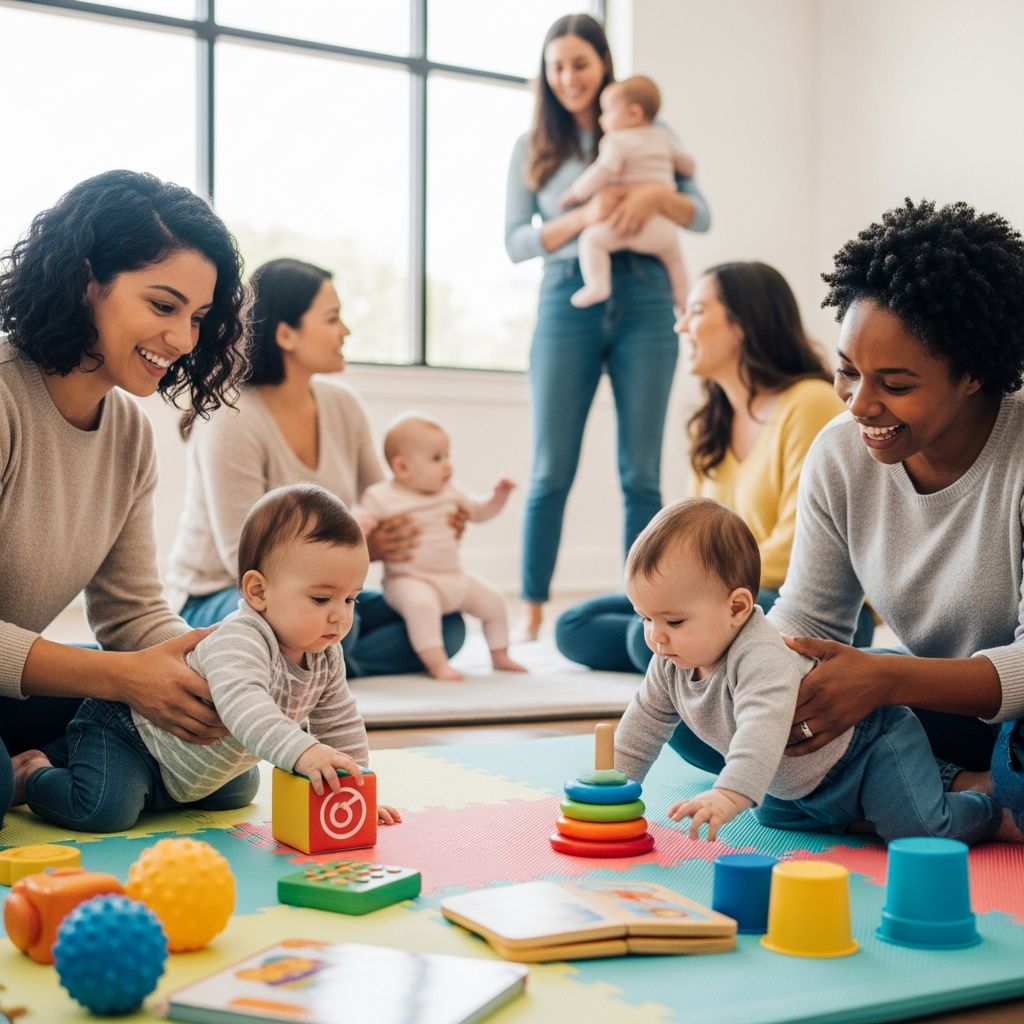
Playgroups have emerged as a cornerstone of modern parenting, providing new mothers with invaluable opportunities to nurture their infants’ growth while addressing their own emotional and social needs. These gatherings, often held in community centers, parks, or homes, bring together babies and their caregivers for unstructured play, fostering bonds that extend far beyond the playmat.
Why Playgroups Matter in Early Parenthood
The transition to motherhood brings profound joy alongside isolation, sleep deprivation, and endless questions about ‘normal’ development. Playgroups counteract these challenges by creating structured yet flexible environments where parents observe peers and experts, gaining confidence through shared experiences. Research from child development organizations highlights that regular group interactions in the first year correlate with improved emotional regulation in infants and reduced postpartum anxiety in mothers.
Core Benefits for Infant Development
At the heart of playgroups lies the promotion of key developmental milestones. Babies engage in sensory exploration, motor skill practice, and social cue recognition amid toys, music, and gentle group activities.
- Socialization Foundations: Infants learn to read facial expressions and respond to peers, laying groundwork for empathy and cooperation. Early exposure reduces later behavioral issues, per pediatric guidelines.
- Gross and Fine Motor Skills: Crawling through tunnels, stacking blocks, or grasping rattles strengthens muscles and coordination in a safe, encouraging space.
- Cognitive Sparks: Songs, rhymes, and interactive games enhance language acquisition and problem-solving from as young as three months.
Structured play sessions mimic natural learning, accelerating progress without pressure. Parents witness these leaps firsthand, reinforcing their role as primary nurturers.
Emotional and Mental Health Wins for Mothers
New motherhood often feels like a solitary journey, but playgroups shatter that myth. Regular attendance combats loneliness, a factor in 10-15% of postpartum depression cases according to health authorities.
- Peer Validation: Hearing ‘me too’ stories normalizes challenges like teething woes or sleep regressions.
- Stress Reduction: Laughter, casual chats, and collective baby wrangling release endorphins, mirroring therapy benefits.
- Empowerment Through Observation: Watching others soothe fussiness or introduce solids builds practical know-how.
These interactions form a safety net, where moms exchange tips on everything from breastfeeding holds to babywearing techniques, turning uncertainty into competence.
Building Lifelong Support Networks
Beyond immediate sessions, playgroups cultivate enduring friendships. What starts as mat-side small talk evolves into playdates, carpools, and lifelong confidantes. For working moms, these networks ease return-to-work transitions by sharing childcare insights and even backup arrangements.
| Short-Term Gains | Long-Term Impacts |
|---|---|
| Instant camaraderie | Parenting village formation |
| Resource swapping | School recommendation shares |
| Emotional outlets | Family event collaborations |
This community aspect proves especially vital in urban settings or for relocators, bridging gaps left by distant family.
Practical Advantages for Busy Schedules
Playgroups fit seamlessly into daily routines, typically lasting 60-90 minutes weekly. Low-cost or free options abound via libraries, churches, and apps, making them accessible. Parents multitask—socializing while babies play—maximizing time efficiency.
- Cost-Effective Learning: No need for pricey classes; group dynamics provide diverse stimuli.
- Flexibility: Drop-in formats suit varying nap schedules.
- Expert Input: Many feature guest lactation consultants or pediatric nurses.
Real Stories from Modern Moms
Countless parents echo the transformative impact. One first-time mom shared how her group’s encouragement helped her navigate colic, while another credited playgroup bonds for her sanity during maternity leave. High-profile examples, like celebrity parents attending local sessions, underscore that playgroups transcend status, uniting all in universal parenting joys and trials.
How to Find and Thrive in the Right Playgroup
Selecting a fitting group ensures maximum benefits. Prioritize age-matched babies, positive vibes, and inclusive facilitators.
- Research Local Options: Check community boards, parenting forums, or apps like Peanut.
- Visit First: Attend a trial session to gauge energy and safety.
- Prepare Basics: Bring a blanket, snacks, and open mindset.
- Engage Actively: Introduce yourself and baby to spark connections.
- Follow Up: Suggest coffee meetups to deepen ties.
Virtual playgroups via Zoom offer alternatives for remote areas or bad weather, maintaining core perks digitally.
Science Behind the Playgroup Magic
Studies affirm playgroups’ efficacy. A longitudinal review by child health experts found participants showed advanced social skills by toddlerhood. Maternal mental health metrics improved significantly, with lower cortisol levels post-attendance. These outcomes stem from oxytocin release during group bonding, akin to family hugs.
Addressing Common Concerns
Skeptics worry about overstimulation or cliques, but quality groups emphasize gentle pacing and newcomer welcomes. Hygiene protocols, like handwashing stations, mitigate germ risks—benefits outweigh exposures in moderated settings.
Frequently Asked Questions (FAQs)
What age is best for starting playgroups?
Babies as young as 6-8 weeks benefit, focusing on tummy time and parent chats; by 6 months, interactive play ramps up.
Are playgroups only for stay-at-home parents?
No—working moms attend evenings/weekends; many groups cater to diverse schedules, supporting all caregivers.
How often should we go?
Once weekly suffices for gains; twice builds deeper bonds without overwhelming baby.
What if my baby is shy?
That’s common—facilitators gently encourage participation; progress comes naturally over visits.
Do playgroups replace formal classes?
They complement, offering organic growth versus structured curricula like music or swim lessons.
Playgroups as a Pillar of Family Well-Being
In an era of digital isolation, playgroups reclaim human connection’s power for new families. They equip moms with tools for resilient parenting, ensuring babies thrive amid nurturing circles. Whether easing first smiles or milestone celebrations, these gatherings prove indispensable.
Embrace playgroups to unlock a richer motherhood—your network awaits.
References
- Child Development and Early Social Experiences — Centers for Disease Control and Prevention (CDC). 2024-01-15. https://www.cdc.gov/ncbddd/childdevelopment/positiveparenting/index.html
- Postpartum Mental Health Support Strategies — World Health Organization (WHO). 2023-06-20. https://www.who.int/teams/mental-health-and-substance-use/promotion-prevention/maternal-mental-health
- Benefits of Parent-Child Interaction Groups — American Academy of Pediatrics. 2025-03-10. https://publications.aap.org/pediatrics/article/153/Supplement_2/e2024060581/196078
- Social Play and Infant Milestones — National Institute of Child Health and Human Development (NICHD). 2024-11-05. https://www.nichd.nih.gov/health/topics/child-development
- Community Interventions for Maternal Well-Being — Reuters Health Report. 2025-02-18. https://www.reuters.com/business/healthcare-pharmaceuticals/study-links-parent-groups-lower-maternal-stress-2025-02-18/