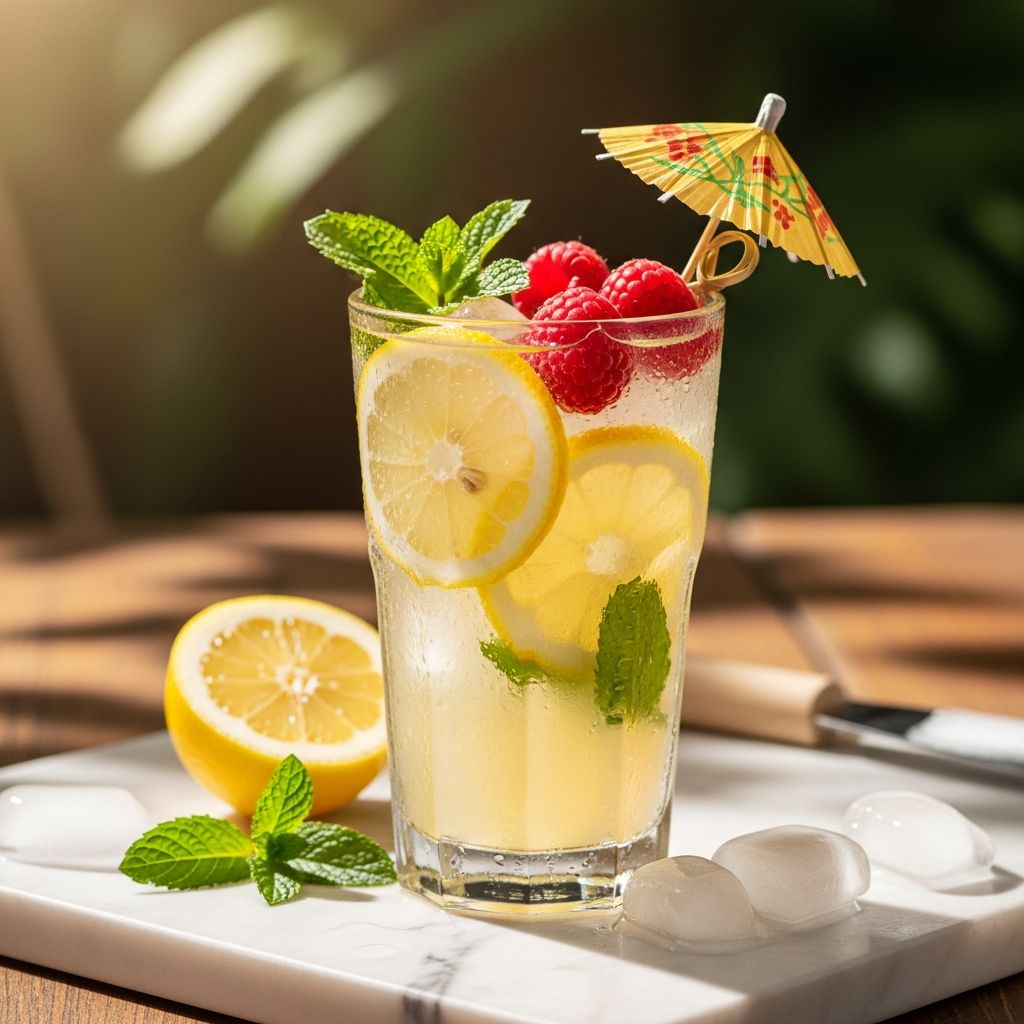
Spiked lemonade is one of the easiest ways to turn a familiar childhood favorite into a grown-up drink that still feels bright, fun, and refreshing. With a few smart choices about spirits, sweetness, and flavor add-ins, a glass of basic lemonade can become a bar-worthy cocktail without complicated techniques.
This guide walks through the key building blocks of great spiked lemonade, plus original recipe ideas, serving tips, and FAQs so you can mix confidently for everything from weeknight wind-downs to backyard parties.
Why Spiked Lemonade Works So Well
Lemonade is an ideal cocktail base because it delivers three things at once: acidity from the citrus, sweetness from sugar or syrup, and plenty of dilution from water or melted ice. Alcohol simply becomes the fourth element in that balance.
- The tart lemon keeps drinks tasting crisp instead of cloyingly sweet.
- The sugar rounds out the sharpness of the citrus and softens the burn of alcohol.
- The water or ice stretches the flavor so you can sip slowly on a hot day.
Because the base is so forgiving, spiked lemonade is also a forgiving canvas for experimentation. If a mix tastes too strong, more lemonade fixes it; if it’s too tame, another splash of spirits usually brings it back into balance.
Core Formula for Reliable Spiked Lemonade
Instead of memorizing individual recipes, it helps to remember a simple ratio. Think of a single serving of spiked lemonade in three parts:
- 2 parts lemonade (homemade or high-quality store-bought)
- 1 part spirit (vodka, gin, rum, tequila, or other base)
- Optional topper: a splash of soda, tonic, ginger beer, or sparkling wine
This is not a strict rule, but it’s a useful starting point. Adjust the amount of alcohol slightly down for long, sessionable drinks, or slightly up for smaller, more intense cocktails served over a lot of ice.
| Drink Style | Lemonade | Spirit | Topper | Best Glass |
|---|---|---|---|---|
| Light & Sessionable | 3–4 oz | 1–1.25 oz | 1–2 oz soda or tonic | Tall Collins or highball |
| Classic Cocktail Strength | 3 oz | 1.5–2 oz | Optional splash | Rocks glass |
| Short & Punchy | 2 oz | 2 oz | None | Small rocks or coupe |
Choosing the Right Spirit
Different spirits change the personality of spiked lemonade. Choosing the right one often comes down to what kind of mood you want the drink to have.
Vodka: Clean and Crowd-Friendly
Vodka is the easiest choice when serving a group because its neutral flavor disappears into the lemonade and lets citrus and any added fruit or herbs shine.
- Use plain vodka for a clean, classic taste.
- Reach for citrus, vanilla, or berry-flavored vodkas if you want extra character without more ingredients.
Gin: Herbal and Sophisticated
Gin brings botanicals like juniper, citrus peel, and spices, which turn simple lemonade into something closer to a craft cocktail.
- Pairs especially well with herbal add-ins like rosemary, basil, or thyme.
- Works nicely in tall, bubbly lemonades topped with tonic or soda water.
Rum: Tropical and Relaxed
Light rum adds a gentle sweetness and a hint of tropical personality, while dark or aged rum gives a deeper, caramel-like depth.
- Try light rum with pineapple, mango, or coconut elements for beachy vibes.
- Use dark rum sparingly in lemonade with brown sugar or honey to avoid overpowering the citrus.
Tequila: Bright and Zesty
Tequila and lemon create a sharp, high-energy profile reminiscent of a margarita but with a slightly different citrus tone.
- Blanco tequila emphasizes fresh, peppery notes.
- Reposado tequila can add soft vanilla and oak, balancing very tart lemonade.
Other Spirits and Liqueurs
Beyond the standard bases, liqueurs and fortified wines can introduce layers of flavor, color, or sweetness to a spiked lemonade formula.
- Orange liqueur adds a gentle, round citrus note to tequila or vodka lemonade.
- Elderflower liqueur introduces floral sweetness that works especially well with gin.
- Bitters or amaro can provide a subtle bitter edge that keeps sweet lemonades from feeling one-note.
Building a Flavor Profile: Fruits, Herbs, and Spices
What separates a basic spiked lemonade from a memorable one is often the supporting cast: berries, stone fruit, herbs, and even gentle heat from peppers or ginger.
Fruit Add-Ins
Fresh or frozen fruit can be muddled in the glass, blended into the lemonade, or used as a garnish. Each approach shifts both flavor and appearance.
- Berries: Strawberries, raspberries, blueberries, and blackberries add color and soft sweetness.
- Stone fruit: Peaches, nectarines, and cherries lend perfume and a more rounded, mellow fruit flavor.
- Melon and tropical fruit: Watermelon, pineapple, and mango make the drink feel lush and pool-ready.
Herbs and Florals
Herbs transform lemonade from “picnic cooler” to “cocktail bar” because they cut through sweetness and add aroma without extra sugar.
- Fresh mint keeps the drink cooling and bright.
- Basil, especially when paired with berries or peaches, creates a sophisticated twist.
- Rosemary and thyme lean more savory and pair well with gin or tequila.
- Edible flowers or floral syrups (like lavender) add gentle perfume when used sparingly.
Spice, Heat, and Unexpected Notes
A pinch of spice or a slice of chile can give spiked lemonade an edge that makes guests go back for another sip just to figure out what they’re tasting.
- Ginger, fresh or in syrup form, adds warm heat and pairs beautifully with rum or vodka.
- Jalapeño slices can be briefly steeped in simple syrup or shaken directly with the drink for controlled spice.
- Cinnamon or star anise work better in cooler-weather lemonades served over crushed ice with darker spirits.
Simple Techniques That Make a Big Difference
Home bartending does not need professional gear, but a few basic techniques can dramatically improve the texture and flavor of spiked lemonade.
Shaking vs. Stirring
Shaking with ice chills the drink quickly and adds tiny air bubbles, giving the lemonade a slightly frothy, lively feel. Stirring is gentler and better for large batches in a pitcher.
- Shake individual servings that include fresh juice, egg white, or fruit pulp.
- Stir pitcher drinks to avoid excessive dilution before they ever reach the glass.
Simple Syrup Instead of Granulated Sugar
Granulated sugar can sit at the bottom of the glass, while simple syrup blends instantly with lemon juice and spirits. A basic syrup is just equal parts sugar and water heated until the sugar dissolves, then cooled.
- Infuse syrup with herbs, citrus peels, or spices to add complexity without cluttering the glass.
- Store extra syrup in the refrigerator to speed up future mixing sessions.
Ice Matters
Ice controls how quickly a spiked lemonade changes in the glass. Large cubes melt more slowly, while crushed ice quickly chills and dilutes, creating a slushy texture.
- Use large cubes for stronger, spirit-forward lemonades you want to sip slowly.
- Choose crushed ice for very hot days or when starting with a slightly sweeter recipe.
- Freeze lemonade into cubes if you want cooling without watering down the flavor.
Original Spiked Lemonade Ideas to Try
The following concepts are flexible templates, not rigid recipes. Adjust amounts to match the strength and sweetness you like, or swap fruits and herbs based on what you have.
Herbed Citrus Vodka Lemonade
This version keeps things light and aromatic, highlighting bright citrus and a subtle herbal backbone.
- Start with chilled classic lemonade in a tall glass.
- Add a measure of vodka and a small splash of orange or elderflower liqueur.
- Drop in a few sprigs of fresh thyme or basil and lightly press them with a spoon.
- Top with soda water and plenty of ice, then garnish with a lemon wheel.
Berry Gin Lemonade Spritz
This drink layers berries and botanicals, then finishes with bubbles for a spritz-like twist.
- Muddle a handful of mixed berries with a spoon of simple syrup at the bottom of a wine glass.
- Add gin, a squeeze of fresh lemon, and a few ice cubes.
- Pour over lemonade until the glass is half to two-thirds full.
- Finish with sparkling wine or dry prosecco and garnish with a berry skewer.
Smoky Tequila Lemonade with Chili Salt
For a bolder flavor profile, a smoky spirit and chile-touched rim give lemonade a cocktail-bar edge.
- Run a lemon wedge around the rim of a rocks glass and dip it into a mix of salt and mild chili powder.
- Fill the glass with ice, then add tequila (or a smoky mezcal for extra depth).
- Pour lemonade over the spirit and stir gently.
- Garnish with a thin slice of jalapeño or grilled lemon wheel.
Tropical Rum Lemonade Punch
When serving a group, a pitcher of rum-based lemonade with tropical fruit feels festive but still low effort.
- In a large pitcher, combine lemonade, light rum, and a smaller splash of coconut water or pineapple juice.
- Add slices of orange, lemon, and pineapple, plus a handful of fresh mint.
- Chill thoroughly, then serve over ice with extra fruit in each glass.
Low-Alcohol Sparkling Lemonade Cooler
If you prefer to sip something gentler, this cooler leans on sparkling wine or low-proof liqueur instead of strong spirits.
- Fill a flute or tall glass halfway with chilled lemonade.
- Add a modest measure of floral or citrus liqueur.
- Top with sparkling water or a dry sparkling wine.
- Garnish with a twist of lemon peel for aroma.
Serving, Garnishing, and Batch Tips
Presentation affects how spiked lemonade feels just as much as flavor does. A few strategic choices can make even a simple recipe feel special.
Glassware Choices
Choose glassware based on how strong and how casual the drink is meant to be.
- Tall highball or Collins glasses suit lighter, bubbly lemonades with plenty of ice.
- Short rocks glasses work well for stronger, more spirit-forward versions.
- Stemmed wine or coupe glasses add a celebratory feel for spritz-style or sparkling takes.
Garnishes That Do More Than Look Good
Garnishes can add aroma with every sip, helping the drink taste fresher and more complex.
- Lemon wheels, twists, and wedges reinforce the citrus theme.
- Herb sprigs (mint, thyme, basil) release aroma whenever the glass is lifted.
- Skewered fruit doubles as a snack and keeps berries from getting lost in the ice.
Batching for Parties
For gatherings, batching spiked lemonade in a pitcher or drink dispenser saves time and keeps flavors consistent. The main points to remember are dilution and garnish placement.
- Mix lemonade and spirits ahead of time, then chill thoroughly in the refrigerator.
- Add ice to individual glasses instead of the pitcher to avoid over-dilution.
- Provide a small plate of garnishes so guests can customize their drinks.
FAQs About Spiked Lemonade
How strong should spiked lemonade be?
The “right” strength depends on the occasion and glass size. For casual daytime sipping, aim for roughly one standard shot of alcohol in a tall glass filled with lemonade and ice; for a shorter evening cocktail, a little more spirit is fine as long as the acidity and sweetness are balanced.
Can spiked lemonade be made ahead of time?
Yes, mixing lemonade and spirits several hours in advance often helps the flavors meld. Add fresh herbs, sparkling components, and ice just before serving so they stay vibrant and the drink doesn’t lose its fizz or become watery.
What if my drink tastes too sour or too sweet?
If a batch is too sour, add a little more simple syrup or a splash of fruit juice to round it out. If it’s too sweet, extra lemon juice and a bit of cold water or soda will usually restore the balance.
Is it possible to make a low-sugar version?
To cut down on sugar, use freshly squeezed lemon juice combined with a modest amount of liquid sweetener, then lengthen the drink with sparkling water. Choosing a naturally dry spirit and avoiding sugary liqueurs also helps keep the profile lighter.
Do I need fresh lemons, or is bottled juice acceptable?
Fresh lemons give brighter, more nuanced flavor and fragrance, especially in simple recipes where citrus is the star. Bottled juice can work in a pinch, but expect to lean more on herbs, fruits, or spices to add interest and complexity.