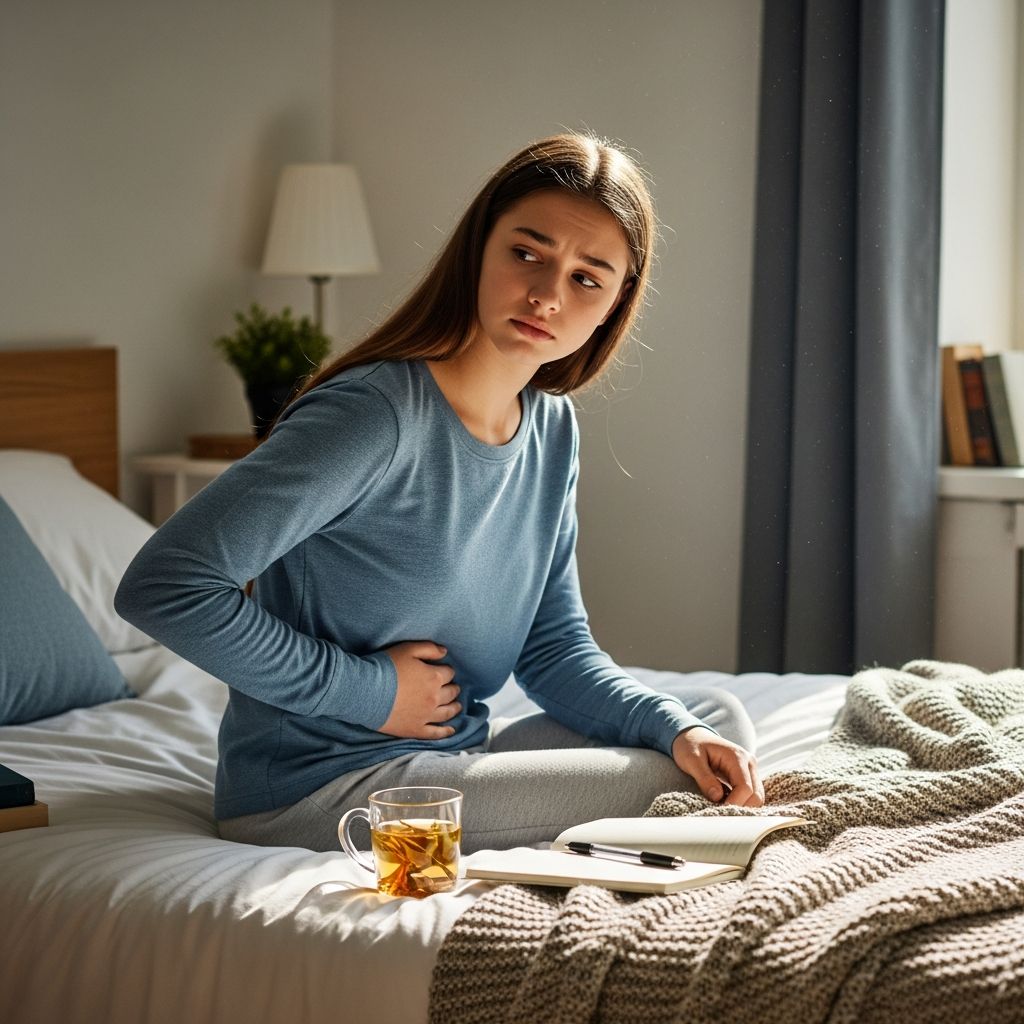
Many teens notice that their period doesn’t just mean bleeding — it also brings cramps, headaches, nausea, and feeling tired or moody. These symptoms are very common and usually not a sign that something is seriously wrong. In most cases, they are linked to normal hormone changes and your uterus working to shed its lining.
Even though period-related discomfort is common, you should not have to suffer in silence. Understanding what is happening in your body can help you find safe ways to feel better and recognize when to ask for medical help.
How Your Period Can Affect Your Whole Body
During each menstrual cycle, hormone levels rise and fall, and the lining of the uterus builds up and then breaks down. These changes do not stay in one place — they can affect many systems in your body, including your digestive system, brain, and energy levels.
Cramping happens when the uterus tightens to push out its lining. At the same time, hormone-like substances called prostaglandins increase and can trigger pain, nausea, and sometimes diarrhea or headaches in some people.
Common Physical Symptoms Around Your Period
Not everyone experiences the same symptoms, but some common physical issues before or during a period include:
- Cramping or sharp pain low in the belly
- Lower back pain or a heavy, achy feeling in the pelvis
- Bloating or a swollen feeling in the stomach
- Headaches or migraines, especially right before bleeding starts
- Breast tenderness or fullness
- Nausea, vomiting, loose stools, or constipation
- Feeling extremely tired or low on energy
- Dizziness, lightheadedness, or weakness in some cases
Emotional and Mental Changes
Hormone shifts during your cycle can affect your mood and thoughts. For many teens, emotional changes are just as noticeable as cramps or headaches.
You might notice:
- Mood swings — feeling fine one moment and irritated or upset the next
- Sadness, crying more easily, or feeling down
- Anxiety, nervousness, or feeling on edge
- Difficulty concentrating on homework or conversations
- Trouble falling asleep or staying asleep
Is It Normal to Feel This Sick?
Some level of discomfort is very normal with periods, especially in the first few years after you start menstruating. Mild to moderate cramps, fatigue, and mood changes that improve with rest, heat, or over-the-counter pain relief usually fall into the “common and manageable” category.
However, if your period symptoms are so intense that you regularly miss school, sports, work, or social activities, or you feel sick enough to stay in bed most of the day, it is worth talking to a health care professional. Severe or worsening symptoms may signal an underlying condition that needs medical attention.
Typical vs. Concerning Symptoms Table
| Symptom | Usually Normal | Talk to a Doctor |
|---|---|---|
| Cramps | Mild to moderate pain that improves with heat, stretching, or standard pain relievers | Severe pain that does not improve with medication or causes you to miss school often |
| Bleeding | Bleeding that requires pad or tampon changes every few hours | Soaking through a pad or tampon every 1–2 hours or passing very large clots |
| Energy levels | Feeling a bit more tired than usual but still able to function | Extreme exhaustion, shortness of breath, or dizziness, especially with heavy bleeding |
| Digestive symptoms | Mild nausea or temporary changes in bowel movements | Persistent vomiting, severe diarrhea, or inability to keep fluids down |
| Mood | Short-term irritability or sadness that eases after your period starts | Intense depression, thoughts of self-harm, or anxiety that interferes with daily life |
Why You Might Feel Nauseated or Lightheaded
Nausea and dizziness around your period can happen for several reasons. Cramps and prostaglandins can affect your stomach and intestines, making you feel queasy or triggering diarrhea. Pain itself can also make some people feel sick or woozy.
If you bleed heavily, you may lose more blood than your body is comfortable with. Over time, this can contribute to low iron levels, which might cause fatigue, weakness, or lightheadedness, especially when you stand up quickly.
Simple Steps to Ease Nausea and Dizziness
- Drink small sips of water or an electrolyte drink throughout the day.
- Eat bland snacks like crackers, toast, or rice when your stomach feels unsettled.
- Avoid very greasy, spicy, or heavy meals if they make you feel worse.
- Stand up slowly from lying or sitting positions to reduce dizziness.
- Rest in a cool, quiet space if you feel faint or overheated.
When Period Pain Points to Something More
Most teens with painful periods have what doctors call primary dysmenorrhea, meaning the pain is linked directly to the menstrual cycle and not caused by another disease. This type of pain often starts in the first few years after your first period and may get better as you get older.
Sometimes, though, strong pain or other intense symptoms may be related to an underlying condition, such as endometriosis, a bleeding disorder, or pelvic infections. These conditions are treatable, but they usually require a proper diagnosis and a care plan from a health professional.
Warning Signs That Deserve Medical Attention
Contact a doctor, nurse, or clinic if you notice any of the following:
- Period pain that keeps getting worse over time instead of staying about the same each month
- Severe cramps that do not improve with over-the-counter pain relievers or heat
- Very heavy bleeding, such as soaking a pad or tampon every 1–2 hours for several hours
- Bleeding that lasts longer than around a week on a regular basis
- Bleeding or spotting between periods, especially if it happens often
- Severe nausea, vomiting, or headaches that start or worsen with your period
- Fever, foul-smelling discharge, or sharp pelvic pain that is new or unusual for you
Self-Care Strategies to Feel Better
There are many ways to manage period discomfort at home. It can help to experiment and combine different strategies until you find a routine that works well for your body and schedule.
If you have other medical conditions or take regular medications, always check with a health professional before starting any new treatments, including over-the-counter pain relievers or herbal products.
Physical Comfort Tips
- Use a heating pad or warm water bottle on your lower belly or back for 15–20 minutes at a time.
- Take a warm shower or bath to relax muscles and reduce cramps.
- Stretch your lower back, hips, and legs with gentle yoga or light movement.
- Go for a slow walk or do low-intensity exercise, which can improve circulation and mood.
- Wear loose, comfortable clothing around your waist to avoid extra pressure on your abdomen.
Food, Drink, and Sleep
- Eat regular meals and snacks to prevent blood sugar crashes that can worsen fatigue or irritability.
- Include iron-rich foods such as beans, fortified cereals, nuts, seeds, leafy greens, or lean meats if you eat them.
- Drink enough water during the day; mild dehydration can intensify headaches and tiredness.
- Limit very salty snacks and sugary drinks if you tend to feel bloated.
- Aim for consistent sleep, going to bed and waking up at similar times each day when possible.
Emotional Coping and Stress Management
- Track your emotions and physical symptoms in a journal or app so you can spot patterns.
- Practice deep breathing, mindfulness, or simple relaxation exercises when you feel overwhelmed.
- Talk with a trusted friend, family member, or counselor about how your period affects your daily life.
- Plan lighter responsibilities or extra breaks on days you usually feel your worst, if you can.
Working with Health Professionals
If period symptoms are affecting your school performance, sports, sleep, or mental health, reaching out to a health professional is a smart step, not a sign of weakness. Doctors and nurses who work with teens are familiar with period-related issues and can suggest safe and effective options.
Be honest about your symptoms, even if they feel embarrassing. Details like how often you change pads or tampons, the color and size of clots, and exactly where pain occurs can help your provider figure out what is going on.
Treatment Options You Might Hear About
Depending on your symptoms and health history, a provider might recommend:
- Over-the-counter pain medications, used correctly and at the right time in your cycle
- Prescription medicines for cramps, headaches, or nausea, if needed
- Hormonal birth control methods, such as pills, patches, or other options, to regulate or lighten periods
- Blood tests or imaging studies if there are signs of anemia or underlying conditions
- Referral to a specialist if more advanced care is needed
Supporting Your Daily Life During Your Period
Managing periods is not just about physical symptoms; it is also about staying engaged in school, activities, and friendships. Planning ahead can make period days more manageable and less stressful.
Small steps like preparing a period kit, talking to key adults, and adjusting your schedule can help you feel more in control, even when your body feels off.
Practical Planning Tips
- Keep a small pouch in your backpack with pads or tampons, pain relief (if approved by a parent and school), and a spare pair of underwear.
- Use a calendar or app to track your cycle, so you can predict when symptoms are likely to start.
- Let a trusted teacher, coach, or school nurse know if you sometimes need a quick break or restroom visit during your period.
- Plan gentler workouts or modify sports practice on your heaviest or most painful days, if possible.
Frequently Asked Questions
Can feeling sick during my period mean I am pregnant?
Pregnancy is usually associated with a missed period, not with normal monthly bleeding. If your period arrives on time and looks typical for you, pregnancy is unlikely. If you are sexually active and your bleeding is lighter than usual or you are unsure, use a reliable pregnancy test and speak with a health professional.
Is it safe to take pain medicine every month?
Many teens safely use over-the-counter pain relievers during their periods, but it is important to follow the dosing instructions on the label and avoid taking more than recommended. If you need medicine for several days every month or it is not helping enough, talk with a health provider about whether the type, timing, or dose should be adjusted.
Do I have to stop exercising on my period?
You usually do not need to stop physical activity altogether. Light to moderate exercise can actually reduce cramps and improve mood for many people. If your pain is severe or you feel dizzy, scale back, rest, and talk with a trusted adult or medical professional.
Is it normal to cry a lot right before my period?
Many people feel more emotional or sensitive in the days leading up to their period because of hormone shifts. If you notice intense sadness, hopelessness, or thoughts of self-harm at any time, whether or not it is related to your cycle, reach out immediately to a trusted adult, counselor, or crisis support service.
Will my symptoms stay the same forever?
Symptoms often change over time. For some teens, cramps and mood swings become milder after the first few years of menstruation. Life factors like stress, sleep, and overall health can also influence how you feel, so it is helpful to keep tracking your symptoms and adjusting your self-care habits.
Key Takeaways for Teens
- Feeling sick around your period is common, but severe symptoms are not something you just have to live with.
- Understanding what your body is doing can reduce fear and help you choose helpful coping strategies.
- Self-care, planning ahead, and honest conversations with health professionals can make a big difference.
- If your symptoms are intense, lasting, or getting worse, asking for help is a strong and responsible choice.