Gratitude journaling offers a simple yet profound way to nurture positive mindsets in children, leading to improved emotional regulation, stronger relationships, and better overall health. Research demonstrates that regular practice enhances psychological well-being, boosts self-esteem, and builds resilience against stress.
The Science Behind Gratitude for Young Minds
Scientific studies reveal that gratitude practices trigger the release of dopamine and serotonin in the brain, fostering feelings of joy and contentment while reducing anxiety and depressive symptoms. For children, consistent gratitude reflection—such as writing three thankful items daily for several weeks—can elevate happiness levels significantly, with effects lasting up to a month.
Experts like Dr. Robert Emmons from the University of California have conducted research showing measurable benefits, including a stronger immune system, heightened positive emotions, and increased compassion. A study on micro-developmental processes in gratitude socialization found that daily parental encouragement helps children internalize thankfulness, leading to prosocial behaviors over time. Primary sources from children’s health organizations confirm that gratitude buffers stress, improves sleep, and enhances empathy, making it a cornerstone for mental health.
These findings underscore why integrating gratitude into family routines is not just beneficial but essential for raising resilient, kind-hearted kids.
Why Gratitude Journaling Stands Out for Kids
Unlike fleeting compliments, gratitude journals encourage deliberate mindfulness, training children to notice and appreciate everyday positives. This habit counters negativity bias, where the brain naturally fixates on problems, and promotes optimism. For kids facing social challenges or learning differences, it clarifies focus and elevates mood.
- Emotional Boost: Increases joy, enthusiasm, and love while diminishing worry.
- Social Gains: Fosters generosity, empathy, and deeper family connections.
- Physical Perks: Improves sleep quality and energy levels.
- Long-Term Resilience: Builds tools for handling trauma and setbacks.
Parents modeling this practice amplify its impact, as children learn through observation and shared rituals.
Choosing the Perfect Journal Setup for Your Family
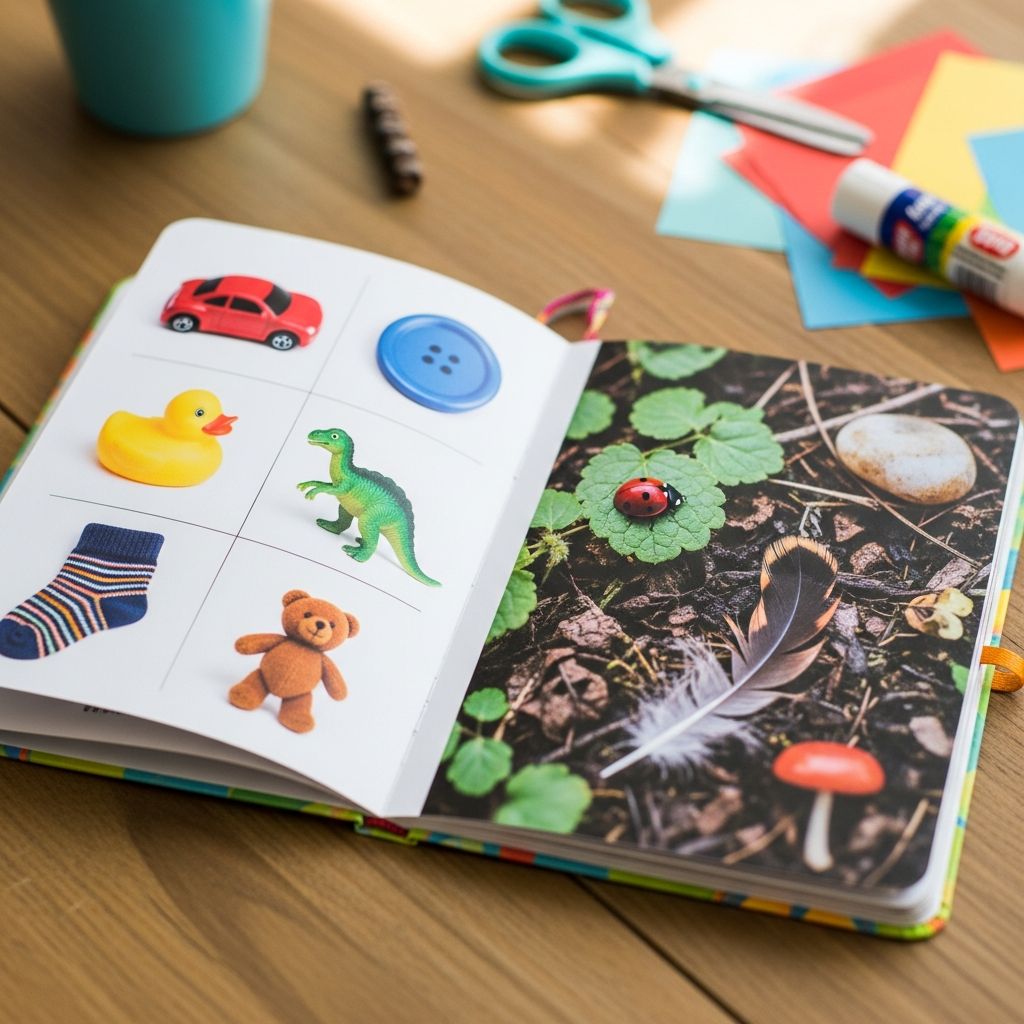
Select tools that match your child’s age and interests to ensure engagement. For toddlers, use picture-based entries; older kids thrive with structured prompts. Options range from blank notebooks to themed journals like those designed for ages 6-12, incorporating quotes, emotion trackers, and creative challenges.
| Age Group | Recommended Format | Key Features |
|---|---|---|
| 3-5 years | Picture journal | Drawings, stickers, simple words |
| 6-9 years | Guided prompts | Daily quotes, 3 thankful items, feeling charts |
| 10+ years | Creative or digital | Video/audio logs, thank-you notes, jars |
Creative alternatives like gratitude jars—where notes are collected and reviewed periodically—or digital recordings add fun, allowing kids to hear their voices or watch videos of their reflections. Certified child life specialists recommend allowing choice to avoid resistance, emphasizing consistency over perfection.
Step-by-Step Guide to Launching a Gratitude Routine
Begin small to build momentum. Here’s a proven roadmap:
- Model First: Share your own gratitudes daily, like “I’m thankful for our cozy breakfast together,” to demonstrate specificity.
- Set a Ritual Time: Tie it to bedtime, dinner, or pre-screen time for 10-15 minutes, 4-5 days weekly.
- Prompt Thoughtfully: Guide with questions: “What made you smile today? Who helped you?” Encourage details over generics.
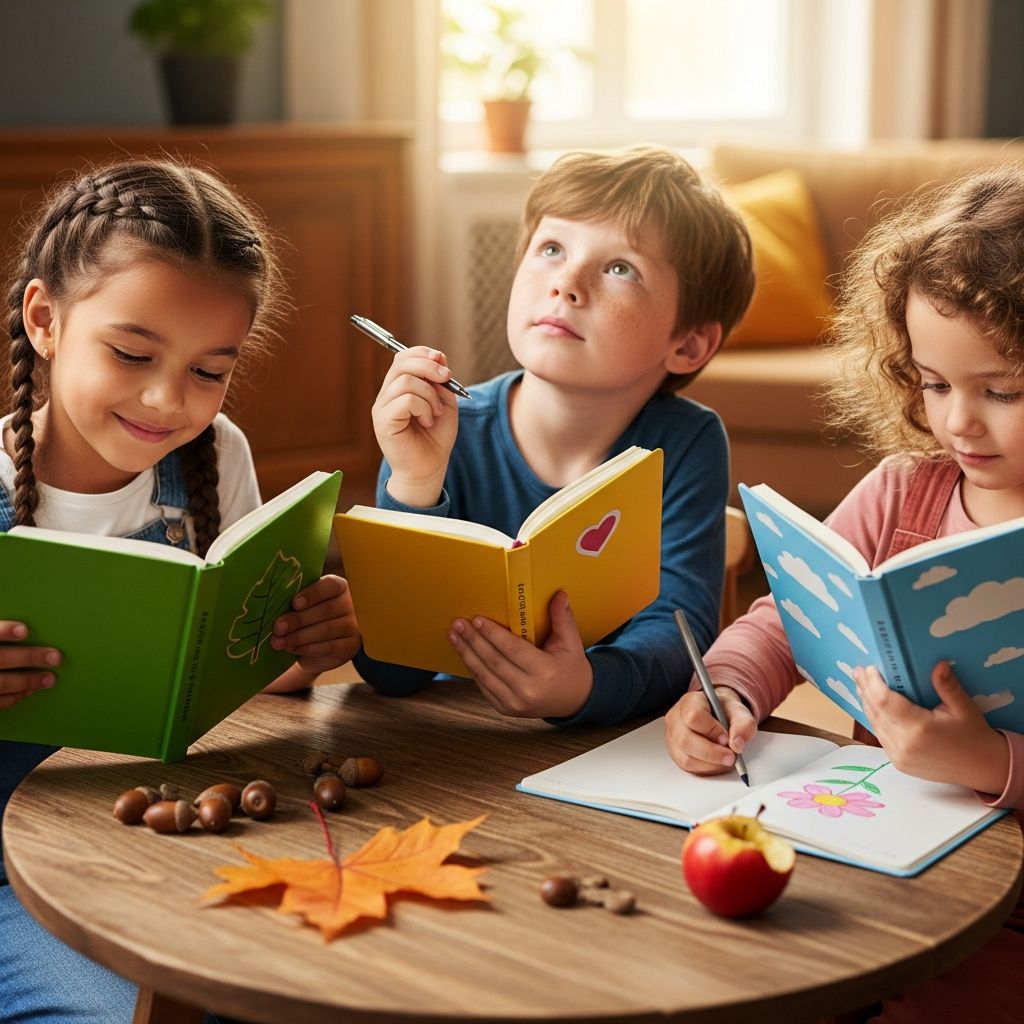
- Make It Collaborative: Fill journals as a family, discussing entries to deepen bonds and address worries.
- Review Progress: Monthly, revisit past entries to celebrate growth and reinforce positivity.
For variety, incorporate challenges: craft a gratitude tree with leaf notes, record audio raps of thankful moments, or write notes to teachers and friends. Consistency over six weeks yields transformative results.
Age-Appropriate Strategies for Lasting Success
Preschoolers (Ages 3-5)
Use visuals: Draw pictures of favorites like a pet’s cuddle or playground fun. Narrate as they create to build vocabulary.
School-Age (6-9)
Introduce prompts like “Three things I’m grateful for” plus emotion check-ins. Add inspiring quotes and self-love exercises.
Tweens (10+)
Encourage deeper reflections via videos or letters. Tie to real-life, like thanking a peer for support amid peer pressures.
Adapt for neurodiverse children by shortening sessions or using voice tech to maintain focus.
Overcoming Hurdles in Gratitude Practice
Initial resistance is common—kids may claim “nothing good happened.” Persist gently by sharing your entries and highlighting tiny wins, like a sunny walk. If motivation wanes, rotate formats: switch to jars or group shares. Track mood improvements to show value; science supports that persistence pays off. Avoid forcing; opt-in participation models autonomy.
Real-Family Transformations Through Thankfulness
Families report stronger evenings from joint journaling, with kids opening up about feelings. One parent noted their 8-year-old’s reduced anxiety after weeks of use, crediting connection time. Audio journals excite tech-savvy kids, turning reflections into songs. These stories align with research: gratitude rituals pave hopeful paths.
Frequently Asked Questions
How often should kids journal gratitude?
Aim for 15 minutes, 4-5 days a week; consistency trumps daily perfection for lasting benefits.
What if my child says there’s nothing to be grateful for?
Model specifics and start small—focus on basics like a meal or hug to shift perspective.
Can digital tools replace paper journals?
Yes, videos or apps work well, especially for creative kids, boosting engagement.
Does gratitude help with anxiety in children?
Absolutely; it reduces symptoms by promoting positive emotions and resilience.
At what age can I start?
As early as 3 with pictures; structured writing from 6 onward.
Expanding Gratitude Beyond the Journal
Pair journaling with acts like thank-you notes or verbal shares to amplify effects. Create a home “gratitude wall” for visible reminders. Seasonal tie-ins, like holiday jars, sustain momentum. These extensions cultivate a lifestyle of appreciation, aligning with expert calls for holistic mindfulness training.
In summary, gratitude journals equip children with tools for lifelong well-being, transforming outlook through science-proven practices.
References
- Gratitude Journals for Kids — Children’s Bureau. 2023. https://www.allforkids.org/news/blog/gratitude-journals-for-kids/
- Why Gratitude Journaling Is So Important — Life Skills Advocate. 2023. https://lifeskillsadvocate.com/blog/why-gratitude-journaling-is-so-important/
- Montessori Parenting: Why Using a Gratitude Journal with Your Child — The Montessori Family. 2023. https://themontessorifamily.com/montessori-parenting-why-using-a-gratitude-journal-with-your-child/
- Practicing Gratitude Can Benefit Kids’ Mental Health — CHOC Children’s. 2023. https://health.choc.org/practicing-gratitude-can-benefit-kids-mental-health/
- Science-Backed Benefits of Practicing Gratitude with Kids — North State Parent. 2023. https://northstateparent.com/article/science-backed-benefits-of-practicing-gratitude-with-kids/
- The Impact of a Gratitude Journal for Kids — Piper + Enza. 2023. https://piperandenza.com/the-impact-of-a-gratitude-journal-for-kids/
- The Power of Gratitude for Kids — Children’s Hospital Colorado. 2023. https://www.childrenscolorado.org/just-ask-childrens/articles/gratitude/
- Raising Grateful Children One Day at a Time — PMC – PubMed Central. 2020-01-16. https://pmc.ncbi.nlm.nih.gov/articles/PMC6980353/