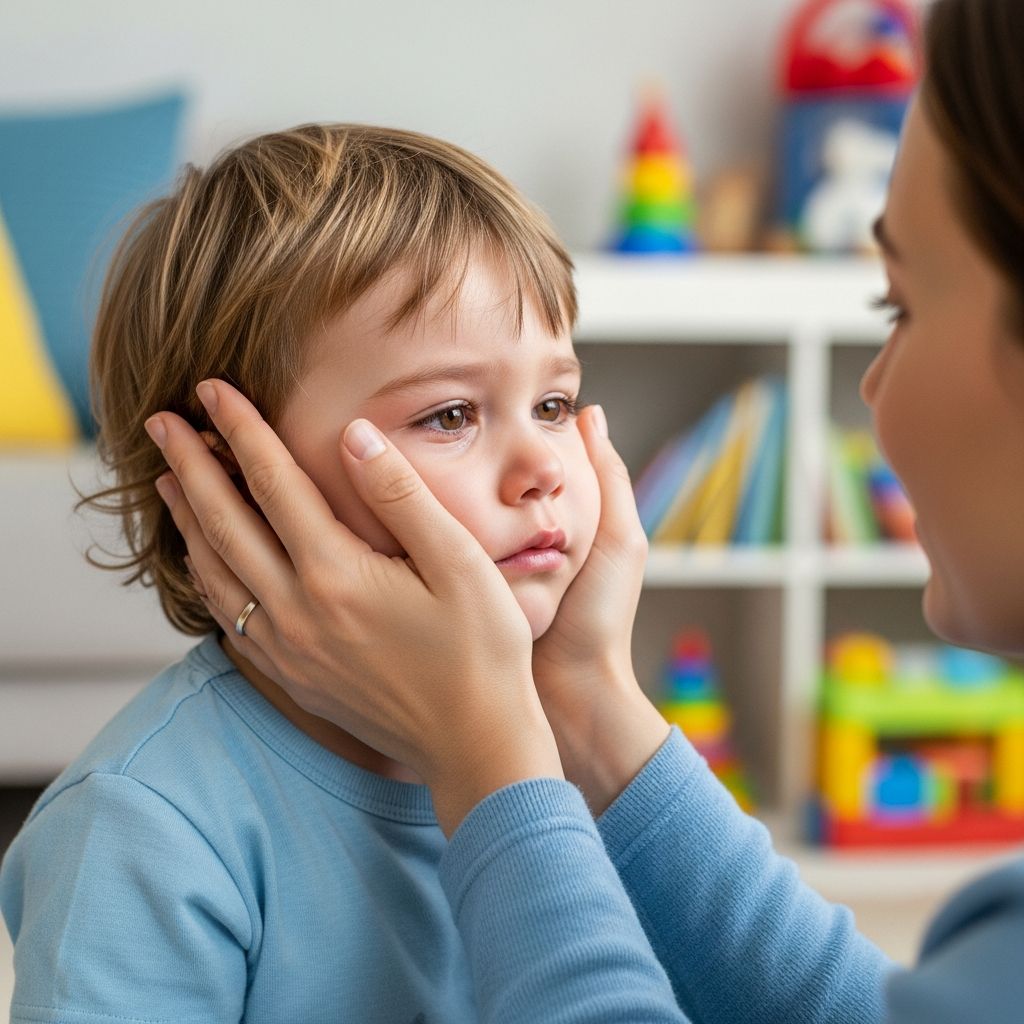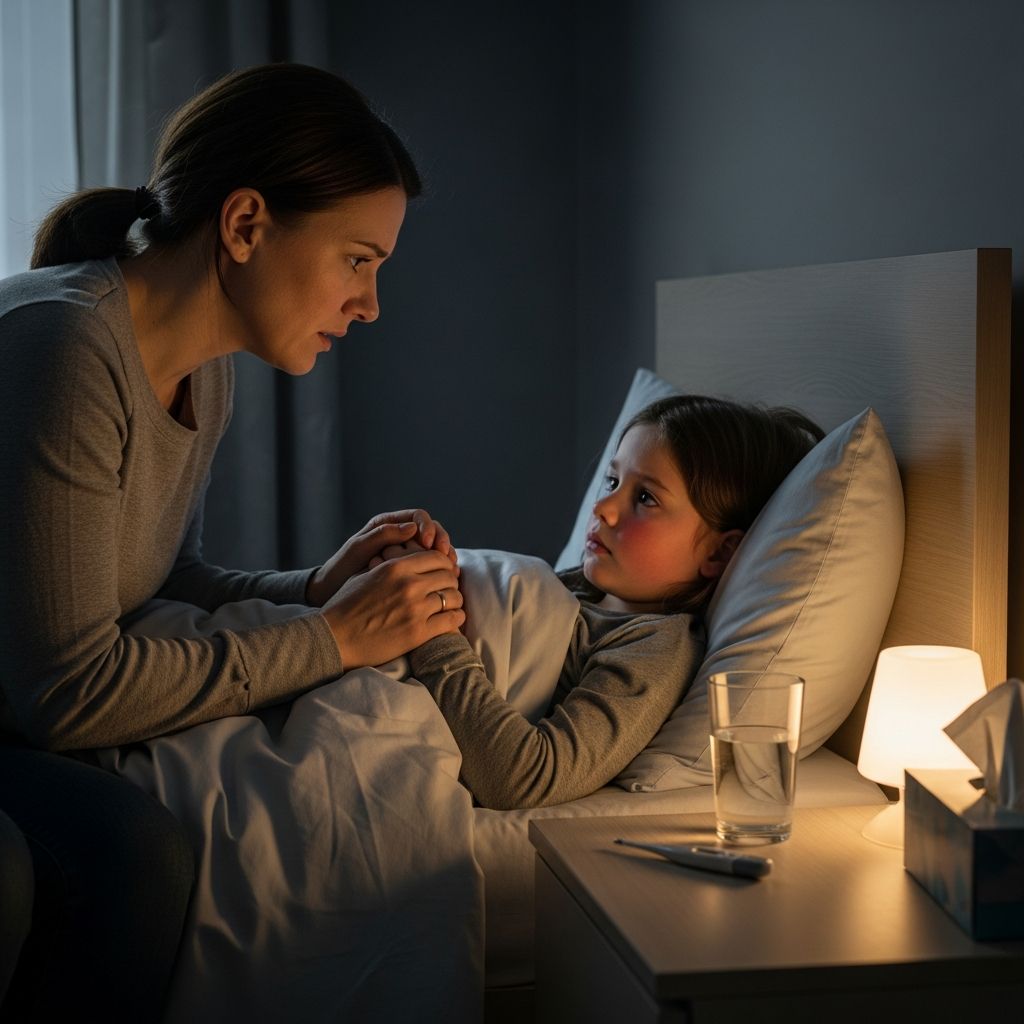
When a child spikes a fever or starts coughing, many parents feel a familiar wave of dread. This response explores the roots of this heightened worry, its effects on families, and proven methods to handle it effectively.
Why Parents Feel Overwhelmed During Child Illnesses
Childhood sicknesses are routine, yet they often ignite intense parental distress. This stems from an innate protective drive that can escalate into chronic worry. Factors like frequent viral outbreaks and constant media alerts amplify fears, making every sniffle seem catastrophic.
Biologically, parental brains stay in hyper-alert mode post-threats, struggling to reset. Pandemic-era habits reinforced vigilance against symptoms, complicating a return to normalcy. Overloaded information from online searches fuels worst-case scenarios, while healthcare delays leave parents feeling unsupported.
Recognizing Signs of Elevated Worry in Parents
Distinguish typical concern from problematic anxiety. Normal vigilance prompts action like monitoring symptoms; excessive worry disrupts daily life.
- Sleep disruption: Lying awake ruminating on fevers or outcomes.
- Physical tension: Chest tightness, racing heart, mimicking illness.
- Obsessive checking: Repeated temperature reads or symptom Googling.
- Mood shifts: Irritability, guilt over ‘spreading’ germs.
- Avoidance: Canceling plans fearing exposure.
These mirror child anxiety indicators like clinginess or somatic complaints.
How Child Sickness Triggers a Worry Cycle
A child’s illness launches a mental spiral: fever prompts ‘what if’ questions, leading to exhaustion and impaired judgment. Parents fixate on rare risks, ignoring common recoveries. This cycle burdens families, modeling anxiety for kids.
| Stage of Cycle | Parent Thought | Potential Action |
|---|---|---|
| Trigger | “Fever at 3 AM” | Carry child to bed |
| Escalation | “What if it’s worse?” | Check thermometer obsessively |
| Peak | “Everyone will get sick” | Stockpile sanitizers |
| Aftermath | “I failed to prevent it” | Cancel social events |
Distinguishing Routine Illness from Real Concerns
Most kid ailments resolve naturally, strengthening immunity. Fevers under 104°F in healthy children rarely signal emergencies.
Watch for:
- Breathing difficulties
- Persistent high fever (>3 days)
- Dehydration signs (no tears, dry mouth)
- Lethargy or rash
Consult pediatricians for guidance; avoid self-diagnosis. Pre-set plans reduce panic: symptom trackers or doctor contact protocols.
Practical Tools to Ease Parental Distress
Mindfulness for Present-Moment Focus
Shift from future fears to now. Notice anxiety without judgment, then redirect to comforting your child—stroking hair, offering fluids. Practice deep breathing: inhale 4 counts, hold 4, exhale 4.
Limit Reassurance Loops
Avoid endless ‘you’re fine’ repeats, which reinforce doubt. Say, “I know it’s scary, but you’ll manage” to foster resilience.
Build a Response Toolkit
- Stock essentials: thermometer, meds, hydration aids.
- Curate a ‘sick day’ routine: rest zones, story times.
- Schedule check-ins, not constant monitoring.
Supporting Your Child’s Own Anxieties
Kids mirror parental stress, developing illness phobias. Up to 20% face clinical anxiety, with physical mimics like nausea.
Encourage school attendance despite worries; gradual exposure builds tolerance. Validate feelings: “It’s okay to feel nervous” without accommodations like early pickups.
Long-Term Resilience Building
Set realistic norms: illnesses are normal, immunity grows via exposure. Normalize cycles; school kids get sick often initially, improving over time.
Foster open talks about emotions. Model calm: “I’m worried but taking steps.” Limit news exposure amplifying threats.
FAQs: Common Parental Concerns
Is it normal to lose sleep over my kid’s cold?
Yes, briefly. If it persists or dominates thoughts, consider anxiety management tools.
How do I stop endless symptom searching online?
Set a 10-minute limit, then close tabs. Rely on pediatrician-approved lists.
What if my anxiety affects my child?
Be mindful; focus presence over worry. Seek therapy if needed.
When to call the doctor at night?
For trouble breathing, seizure-like activity, or infant under 3 months fever.
Can therapy help parental health anxiety?
Absolutely; CBT reframes thoughts effectively.
Professional Help: Knowing When to Reach Out
If anxiety impairs functioning—missing work, constant dread—consult pros. Pediatricians offer reassurance; therapists address roots. Apps or groups provide peer support.
Early action prevents escalation, ensuring healthier family dynamics.
References
- How to Help Your Child Face Fears of Illness at School With Confidence — The OCD & Anxiety Center. 2023. https://theocdandanxietycenter.com/how-to-help-your-child-face-fears-of-illness-at-school-with-confidence/
- Health Anxiety in Parents: How to Stop Worrying Every Time Your Child Gets Sick — The Pediatrician Mom. 2025. https://www.thepediatricianmom.com/blog/health-anxiety-2025
- Anxiety in children — NHS. 2024-10-15. https://www.nhs.uk/mental-health/children-and-young-adults/advice-for-parents/anxiety-in-children/
- Anxiety in Children: Causes, Symptoms & Treatment — Cleveland Clinic. 2024. https://my.clevelandclinic.org/health/diseases/anxiety-in-children
- Parent Mental Health: Staying Well with Sick Kids — UNM Health Sciences Center. 2023. https://hscnews.unm.edu/news/hsc-newsroom-post-sick-kids-school