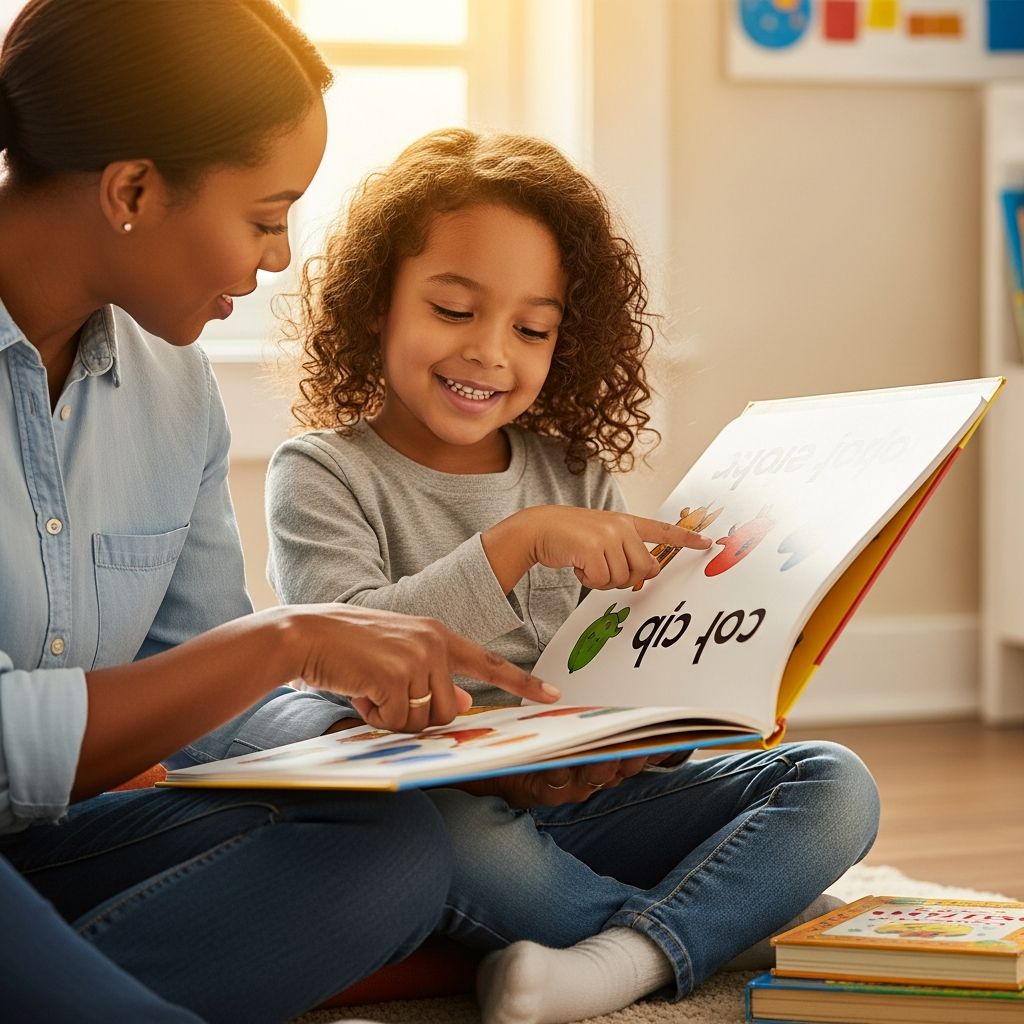
Understanding the Distinction Between Parental Role and Peer Relationships
The relationship between a parent and child differs fundamentally from friendship in both structure and purpose. While affection and warmth are essential components of healthy parenting, the parent-child dynamic requires an inherent power differential and clear hierarchical structure that distinguishes it from peer relationships. Parents carry the responsibility of guiding, protecting, and nurturing their children through developmental stages, which necessitates making decisions that children may not understand or agree with at the time.
This distinction becomes increasingly important as children develop and face new challenges. Research on parent-child relationships demonstrates that the quality of emotional connection between parent and child significantly influences psychological adjustment during adolescence. However, this quality connection operates within a framework where parents maintain their authoritative role rather than attempting to be their child’s peer.
The Critical Role of Parental Authority in Child Development
Children require clear structure and consistent leadership from their parents to develop into emotionally secure and socially competent individuals. Parental authority provides children with a sense of safety and predictability that they cannot obtain from peer relationships. When parents abdicate their leadership role in pursuit of friendship, they create confusion about family hierarchy and undermine the protective framework that allows children to explore the world confidently.
Secure attachment develops when parents demonstrate warmth while maintaining consistent boundaries. This balance creates what psychologists refer to as a secure base—a foundation from which children can venture into new experiences knowing they can return to parental guidance and support. Without this authoritative structure, children may experience anxiety about their safety and their parent’s reliability.
The authoritative parenting approach, which combines warmth with clear expectations, has demonstrated superior outcomes for children. This style fosters:
- Independence and responsibility in decision-making
- Better academic and mental health outcomes
- Stronger self-discipline and emotional regulation
- Greater confidence in exploring their environment
- Improved social skills and peer relationships
How Friendship-Based Parenting Undermines Family Dynamics
When parents attempt to establish friendship with their children, they inadvertently blur critical boundaries that children need for healthy development. This approach often manifests as excessive permissiveness, inconsistent discipline, or a parent’s attempt to be “the cool parent” who shares inappropriate information or fails to enforce necessary limits.
The consequences of friendship-based parenting include:
- Confusion about parental authority and expectations
- Inconsistent enforcement of rules and consequences
- Children taking on inappropriate emotional roles or responsibilities
- Reduced respect for parental guidance and wisdom
- Adolescents experiencing greater difficulty navigating peer pressures
- Loss of the secure base necessary for exploration and growth
When one or both parents attempt to function as friends rather than authorities, the quality of the parent-child relationship often deteriorates paradoxically. Children may experience increased behavioral problems and aggression, particularly when parental psychological control combines with weak relationship quality. The absence of clear parental authority creates a vacuum that children cannot healthily fill themselves.
Consistency and Predictability as Foundations of Trust
Children thrive on predictability and routine, with consistent parental responses building deep trust. This consistency cannot exist when parents prioritize friendship over their guiding role. Friendship implies equality and reciprocal decision-making, whereas parenting requires parents to make decisions based on their child’s developmental needs rather than democratic consensus.
Parental consistency involves:
- Following through on stated consequences when children misbehave
- Maintaining established rules and expectations across different situations
- Responding reliably to children’s emotional needs and signals
- Providing stability even when children disagree with parental decisions
- Modeling responsible behavior and emotional regulation
When parents shift into friendship mode, they often become inconsistent. A parent-friend might enforce a rule strictly one day and ignore it the next, depending on mood or circumstances. This unpredictability creates anxiety in children and paradoxically makes them less secure rather than more comfortable.
Emotional Availability Without Role Confusion
Healthy parenting requires emotional availability—being present for a child’s emotional experiences and validating their feelings—without surrendering parental authority. Attachment-wise parenting involves acknowledging and validating children’s emotional experiences while maintaining clear boundaries and expectations. These elements work in concert rather than in opposition.
A parent can be deeply emotionally connected to their child while still:
- Setting age-appropriate limits on behavior
- Making final decisions about important matters
- Declining to share adult problems or burdens with the child
- Maintaining appropriate emotional boundaries
- Taking responsibility for family leadership
The confusion between emotional warmth and friendship prevents many parents from understanding that these are complementary rather than competing qualities. A child can feel deeply loved and emotionally validated by a parent who still maintains appropriate authority and boundaries.
The Adolescent Years: When Clear Authority Matters Most
Adolescence represents a critical period when parental authority becomes increasingly important, not less. As adolescents develop their identities and seek greater autonomy, they simultaneously experience intensified needs for peer acceptance and new social stresses. The parent-child relationship plays a protective role during this turbulent transition.
Parenting behavior and relationship quality during adolescence facilitate positive identity development and help youth navigate peer pressures. When parents have established themselves as authorities rather than friends, adolescents have a secure reference point for evaluating peer pressure and making independent decisions.
The adolescent period involves particular challenges:
- Increased conflict as teenagers assert independence
- Greater desire for privacy and autonomy
- Heightened susceptibility to peer influence
- Experimentation with identity and values
- Testing of boundaries and parental limits
During these years, friendship-based parenting becomes particularly problematic. Adolescents need parents to provide structure precisely when they are most likely to resist it. A parent who has positioned themselves as a friend lacks the standing to maintain necessary boundaries around safety issues, academic expectations, and behavioral standards.
Communication Within Clear Boundaries
Open communication involving caring, compassionate listening teaches children they can safely express emotions while developing trust in their own feelings and reality. However, open communication functions within parental authority, not as a substitute for it.
Parents can practice excellent listening skills and emotional attunement while still:
- Ultimately making decisions that children disagree with
- Enforcing rules children view as unfair
- Requiring compliance with family expectations
- Maintaining privacy about adult matters
- Taking responsibility for outcomes
Effective parental communication acknowledges the child’s perspective and feelings while maintaining clarity about who holds decision-making authority. A parent might say, “I understand you’re upset about this rule, and your feelings are valid. I also hear your perspective on why you think it’s unfair. However, this is my decision as your parent, and we will follow this expectation.”
Long-Term Relationship Benefits of Appropriate Boundaries
Paradoxically, parents who maintain appropriate authority and boundaries during childhood and adolescence often develop deeper, more genuinely reciprocal relationships with their adult children than those who pursued friendship. Early attachment, quality time, and communication are key to strong parent-adult child bonds built on emotional support and mutual respect.
When adult children reflect on their upbringing, they typically express gratitude for parents who:
- Held firm on important boundaries and values
- Made difficult decisions in the child’s best interest
- Maintained their own identity and needs as adults
- Provided structure and consistency
- Demonstrated that unconditional love could coexist with firm expectations
As children mature into adults, they can appreciate and genuinely befriend their parents from a place of mutual respect. This authentic friendship develops naturally when built on the foundation of healthy parental authority during developmental years.
Modeling Healthy Adult Relationships
Parents who maintain appropriate authority and boundaries model healthy adult relationships and personal boundaries for their children. Children learn about reciprocal relationships, mutual respect, and appropriate role distinctions by observing their parents’ choices.
When parents sacrifice their adult identity and authority to be their child’s friend, they teach children that:
- Adults should compromise their needs and boundaries for others’ approval
- Relationships require role confusion rather than clarity
- Authority and respect are undesirable elements of relationships
- Adults should seek validation from those they guide
Conversely, parents who model healthy authority and boundaries teach children about respectful relationships where people can disagree while maintaining connection, where different roles serve different purposes, and where authentic leadership includes setting limits.
Addressing Common Parental Anxieties About Authority
Many modern parents worry that maintaining authority will damage their relationship with their children or that children won’t like them if they enforce rules. This anxiety sometimes stems from parents’ own upbringing or from cultural messages suggesting that good parenting means being liked by one’s children.
Parents can release this anxiety by understanding that:
- Children’s temporary displeasure with a decision doesn’t indicate relationship damage
- Respect and authority are different from harshness or disconnection
- Consistency builds security even when children initially resist it
- Maintaining boundaries demonstrates care and protection
- Long-term relationship quality improves with appropriate authority
The goal of parenting is not to be liked in the moment but to raise secure, competent, and values-aligned individuals. This requires prioritizing the parenting role over pursuing popularity with one’s children.
Frequently Asked Questions
Q: Can parents be warm and loving while maintaining authority?
A: Yes, absolutely. Warmth and authority are complementary, not opposing qualities. Parents can be emotionally connected and affectionate while maintaining clear boundaries and expectations. This combination actually strengthens the relationship and provides children with the security they need.
Q: What’s the difference between being authoritative and being authoritarian?
A: Authoritative parenting combines warmth and responsiveness with clear expectations and boundaries. Authoritarian parenting is rigid and harsh without emotional warmth. Authoritative is the goal—maintaining authority while remaining emotionally available and responsive to your child’s needs.
Q: Won’t my child resent me if I enforce rules they disagree with?
A: Children may temporarily express displeasure, but research shows they ultimately respect parents who maintain consistent boundaries. Many adults report gratitude for parents who held firm on important limits. Short-term conflict is often necessary for long-term healthy development.
Q: How can I be emotionally available without crossing into friendship?
A: Listen to your child’s feelings and validate their experience while maintaining clear decision-making authority. You can acknowledge their perspective without necessarily agreeing with it, and you can care deeply about their emotions while still enforcing necessary limits.
Q: Is it ever appropriate to share adult problems with my child?
A: Parents should maintain appropriate emotional boundaries by not burdening children with adult responsibilities or confidences. Sharing age-appropriate information about family situations differs from making a child your emotional support or confidant in adult matters.
Q: Can I transition to friendship with my adult children?
A: Yes. Once children reach adulthood and have developed their own judgment and independence, the relationship can naturally evolve to include more reciprocity and friendship elements while maintaining the respect built through earlier parental authority.
References
- Parent–Child Relationships, Parental Psychological Control, and Adolescent Aggression — National Center for Biotechnology Information (NCBI). 2021. https://pmc.ncbi.nlm.nih.gov/articles/PMC8715731/
- How Parent-Child Relationships Evolve Over the Life Span — Psychology Writing. Accessed February 2026. https://psychologywriting.com/how-parent-child-relationships-evolve-over-the-life-span/
- Fostering Healthy Parent-Child Relationships — M1 Psychology. Accessed February 2026. https://m1psychology.com/fostering-healthy-parent-child-relationships/
- The Foundation of a Parent-Child Relationship: Establishing a Close, Healthy Parent-Child Relationship — Universal Class. Accessed February 2026. https://www.universalclass.com/articles/self-help/the-foundation-of-a-parent-child-relationship-establishing-a-close-healthy-parent-child-relationship.htm
- What Contributes to Strong Parent-Adult Child Relationships? — Psychology Today. 2025. https://www.psychologytoday.com/us/blog/hope-and-healing/202504/what-contributes-to-strong-parent-adult-child-relationships