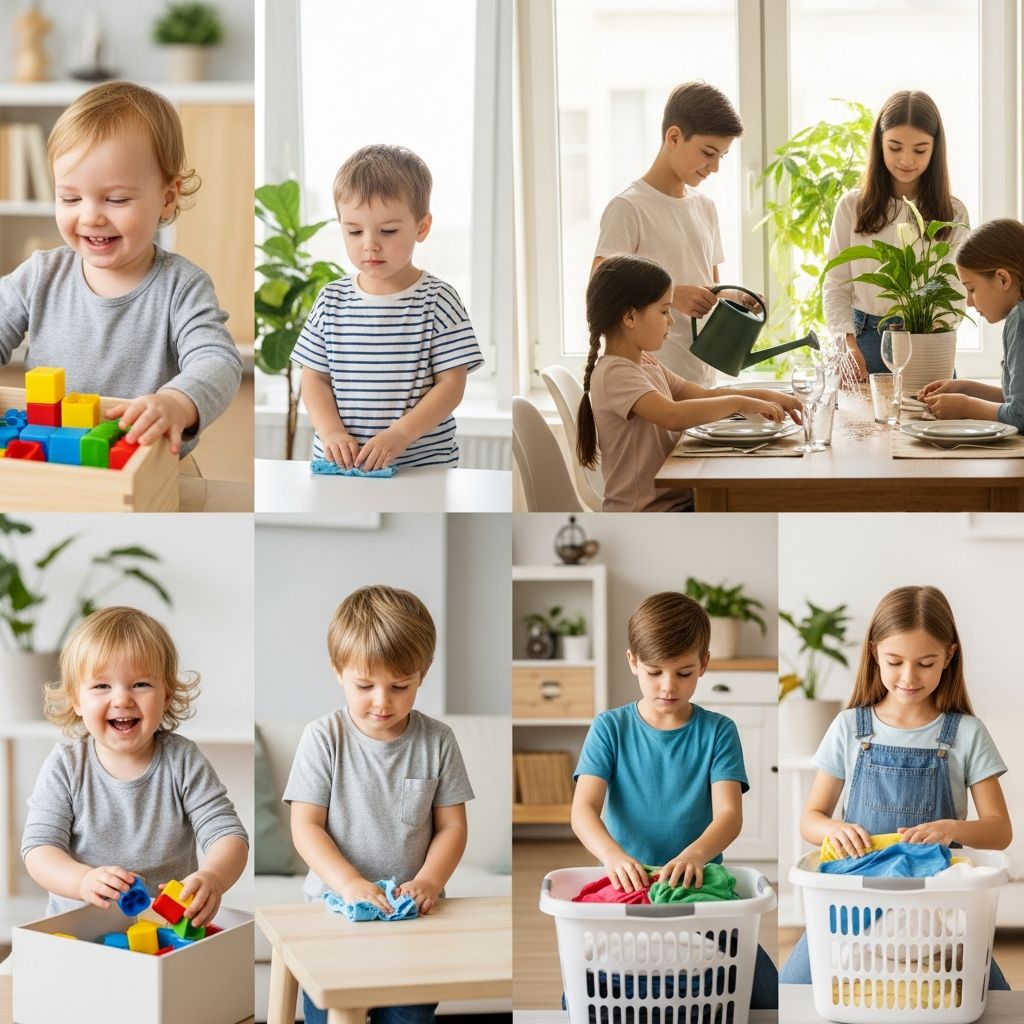
Parenting presents a dynamic journey marked by fluctuating demands that evolve with a child’s age and external pressures. Research indicates that while certain early challenges like sleep deprivation may lessen, new complexities often emerge, influenced by intensive parenting norms and socioeconomic factors. This article delves into these shifts, supported by peer-reviewed studies on parental well-being and child behavior dynamics.
Understanding the Evolving Nature of Parental Demands
Parenting strain arises from role overload, where child care exceeds personal capacity, alongside inter-role conflicts like balancing work and family. Studies from the past decade highlight how economic insecurities and intensive parenting ideologies amplify these pressures, making modern parenthood more taxing than in previous eras. For instance, U.S. surveys from 1976 to 2002 show mothers reporting greater exhaustion despite improved child health perceptions.
Longitudinal analyses reveal a transactional link between parenting stress and child behavior problems from ages 3 to 9. High stress predicts worsening behaviors, which in turn heighten parental strain, creating a bidirectional cycle affecting both typical and developmentally delayed children.
Infancy and Toddler Years: The High-Intensity Start
The initial years demand relentless physical and emotional investment. Newborns require round-the-clock care, leading to sleep deficits and heightened fatigue. A Pew Research survey notes 57% of parents with children under 5 describe parenting as tiring most of the time, compared to 39% for older kids.
Role captivity—feeling trapped by constant needs—peaks here, compounded by financial strains from childcare costs. Single parents face amplified work-family conflicts and emotional fatigue during child interactions.
- Key challenges: Night wakings, feeding schedules, and establishing routines.
- Strain factors: Multitasking overload, especially for mothers who juggle housework and childcare, linking to distress.
School-Age Children: Shifting to Emotional and Educational Pressures
As children enter school, physical demands ease, but cognitive and social responsibilities intensify. Parents navigate homework, extracurriculars, and peer dynamics under ‘intensive parenting’ expectations that demand constant involvement.
Time deficits emerge, with nearly half of employed parents feeling they spend insufficient quality time with kids, correlating to sleep issues and distress. Behavior problems during this phase covaried with parental stress in studies tracking ages 3-9, showing mutual escalation.
| Age Group | Primary Demands | Stress Impact |
|---|---|---|
| Infancy (0-2) | Physical care, sleep disruption | High role overload, fatigue |
| School Age (5-12) | Educational support, activities | Time strain, behavior management |
| Teens (13+) | Independence guidance, mental health | Emotional labor, conflict |
Adolescence: Navigating Independence and New Conflicts
Teen years introduce autonomy battles, risk-taking, and mental health concerns, replacing direct care with advisory roles. Parents report ongoing exhaustion, with surveys indicating six-to-one agreement that parenting is harder now due to societal expectations.
Inter-role conflicts persist, particularly work-parenting tensions, as adolescents need emotional availability amid hormonal changes. Financial strains from education and activities add layers, especially for families with special needs children incurring higher time and costs.
Modern Influences Amplifying Parenting Challenges
Today’s parents face unique stressors: digital saturation, social media comparisons, and economic volatility. Intensive norms push for optimized child outcomes, leading to perceived inadequacies. Research confirms rising parental stress over decades, tied to these cultural shifts.
Work-family integration difficulties are pronounced, with long partner hours exacerbating maternal strain. Single parenting correlates with elevated sadness and fatigue. A 2023 Pew report underscores persistent tiredness across demographics.
Gender Differences in Experiencing Strain
Mothers often bear disproportionate multitasking, linking to negative emotions and conflicts, while fathers experience less from partner work hours due to traditional divisions. Both genders show bidirectional stress-behavior links, though stronger for mothers in some models.
- Mothers: Higher role overload from childcare-housework blend.
- Fathers: Strain intensifies with child developmental delays.
Strategies for Easing the Parenting Load
While challenges persist, proactive measures build resilience. Prioritize self-care to mitigate role strain; studies link adequate sleep and boundaries to lower distress.
Leverage support networks: Institutional aids reduce single-parent penalties. Co-parenting communication minimizes inter-role conflicts. Tailor expectations to child age—focus on quality over intensive quantity.
- Set realistic goals: Reject perfectionism fueled by social media.
- Build routines: Consistent schedules combat time deficits.
- Seek community: Parent groups buffer isolation.
- Professional help: For behavior issues, early intervention breaks transactional cycles.
Long-Term Outlook: Does It Get Easier?
Evidence suggests no universal ‘easier’ phase; demands transform rather than diminish. Early physical strains yield to later emotional ones, with overall well-being dipping below non-parents due to amplified stressors. Yet, parental rewards—like witnessing growth—offset strains for many.
Life course perspectives emphasize context: Supportive policies and equitable divisions could lighten loads. As children launch, empty-nest phases bring relief, though new worries like adulting persist.
Frequently Asked Questions
Why do parents today feel more stressed than past generations?
Intensive parenting ideologies, economic pressures, and work-family conflicts contribute, with studies showing increased exhaustion reports over decades.
Does parenting stress decrease after the toddler stage?
Not necessarily; while physical demands lessen, educational and behavioral challenges rise, maintaining a transactional stress cycle.
How can working parents reduce role overload?
Implement boundaries, share tasks equitably, and utilize institutional supports to ease inter-role conflicts.
Are there differences in stress for parents of typical vs. special needs kids?
Yes, special needs impose higher time and financial burdens, intensifying strain.
Can parenting ever feel rewarding despite the strain?
Absolutely; research highlights rewards balancing demands when stressors are managed effectively.
References
- Parenthood and Well-Being: A Decade in Review — Nomaguchi, K., & Milkie, M. A. 2020-06-17. https://pmc.ncbi.nlm.nih.gov/articles/PMC7326370/
- Parenting Stress and Child Behavior Problems: A Transactional… — Neece, C. L., et al. 2016-05-11. https://pmc.ncbi.nlm.nih.gov/articles/PMC4861150/
- Why Parenting Has Gotten More Difficult — Institute for Family Studies. 2023-01-24. https://ifstudies.org/blog/why-parenting-has-gotten-more-difficult
- Parenting in America Today: A Survey Report (2023) — Pew Research Center. 2023-01-24. https://www.pewresearch.org/social-trends/2023/01/24/parenting-in-america-today/