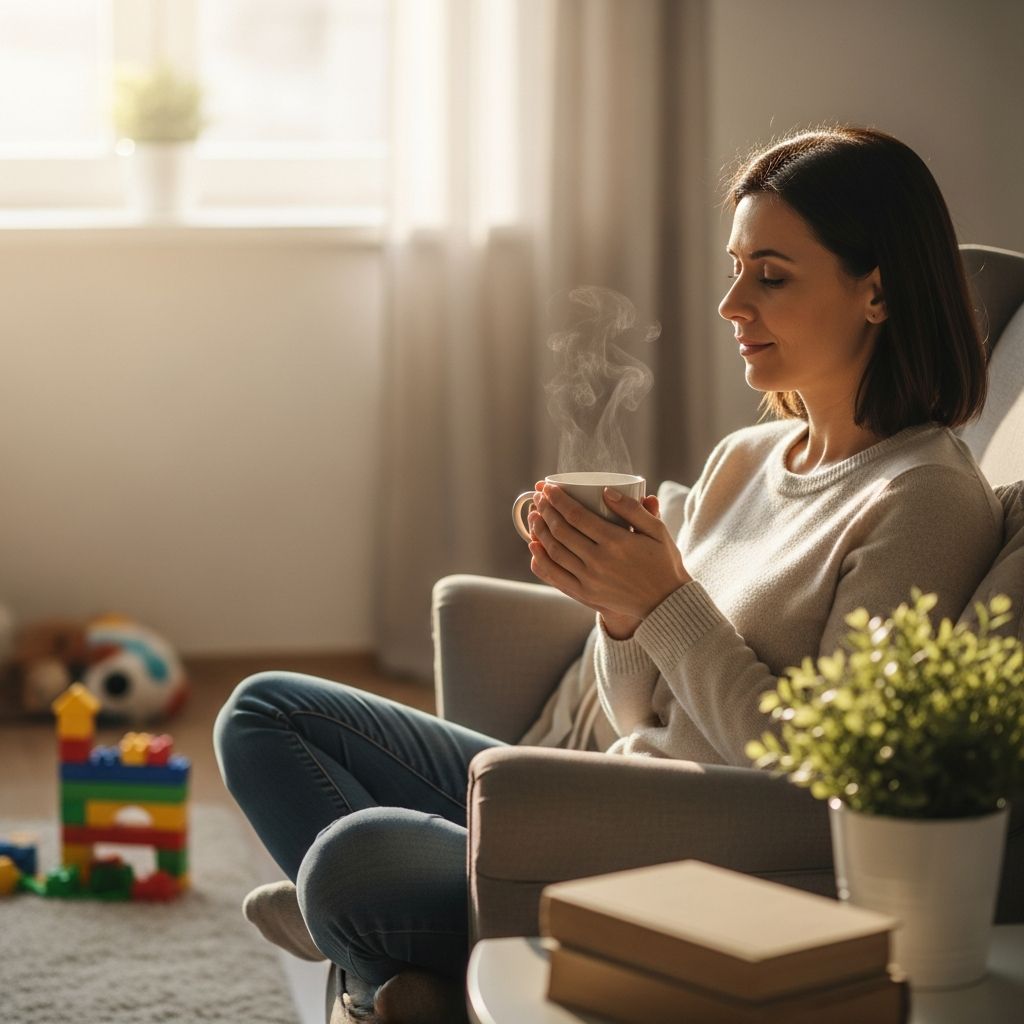
Understanding the Paradox of Parental Priorities
Many parents struggle with a fundamental contradiction in their approach to family life. They believe that true dedication to their children requires constant self-sacrifice, placing every family member’s needs ahead of their own. However, this perspective often creates a counterintuitive problem: the more a parent neglects their own wellbeing, the less effectively they can support their children’s development and emotional needs.
This paradox stems from cultural narratives that equate good parenting with self-denial. Parents internalize messages suggesting that attending to personal needs represents a form of selfishness that compromises their ability to be present for their families. Yet psychological research and parenting experts consistently demonstrate the opposite—that parental self-care directly enhances the quality of family relationships and children’s emotional development.
The challenge lies in reframing self-care from a luxury or indulgence into what it truly represents: a necessity for sustainable, effective parenting. When parents understand that caring for themselves is not separate from caring for their children but rather foundational to it, they can begin to shift their priorities in ways that benefit the entire household.
The Depletion Cycle and Its Impact on Family Dynamics
When parents operate from a state of chronic depletion, their capacity to respond to their children’s needs with patience, creativity, and emotional availability becomes severely compromised. Running on empty creates a cascade of negative effects that ripple through family relationships:
- Reduced emotional regulation, leading to heightened irritability and reactive parenting
- Diminished cognitive function, affecting decision-making and problem-solving abilities
- Physical health complications, including weakened immunity and increased susceptibility to illness
- Mental health challenges such as anxiety, depression, and persistent stress
- Strained relationships with partners and reduced capacity for marital intimacy
- Modeling unhealthy coping mechanisms for children to internalize and replicate
The burnout that results from sustained self-neglect represents more than mere fatigue—it constitutes a genuine threat to family wellbeing. When parents chronically suppress their own needs, they inadvertently teach their children that self-abandonment is not only acceptable but expected. This lesson becomes embedded in children’s developing understanding of relationships, self-worth, and healthy boundary-setting.
Breaking this cycle requires parents to recognize that addressing their own physical, emotional, and mental needs directly strengthens their ability to nurture their children. This is not a detour from effective parenting; it is the highway toward it.
How Personal Wellbeing Enhances Parenting Capacity
When parents prioritize self-care, they experience measurable improvements in their capacity to parent effectively. These improvements manifest across multiple dimensions of family life and child development.
Increased Emotional Availability
Parents who maintain their own emotional equilibrium through regular self-care practices can be more genuinely present with their children. Rather than operating on autopilot or through a fog of exhaustion, they can engage with their children’s experiences, emotions, and developmental needs with authentic attention and responsiveness. This presence communicates to children that they matter, that their experiences are worth witnessing, and that meaningful connection is possible.
Enhanced Stress Management
Self-care practices provide parents with concrete tools for managing the inevitable stress that accompanies child-rearing. Whether through physical activity, creative expression, quiet reflection, or social connection, these practices activate the body’s parasympathetic nervous system, reducing stress hormones and promoting physiological recovery. Parents who maintain these practices can approach parenting challenges with greater composure and clarity rather than reactivity.
Sustained Energy and Motivation
Rest and renewal directly replenish the psychological resources parents need to maintain enthusiasm for their children’s activities, interests, and developmental stages. Rather than viewing parenting as an endless obligation, self-cared-for parents can approach it with greater appreciation and engagement.
The Modeling Effect: Teaching Children Through Example
Beyond its immediate impact on parental wellbeing, self-care serves a crucial educational function in children’s development. Children are sophisticated observers of adult behavior, and they learn fundamental lessons about life through watching how their parents treat themselves.
When parents demonstrate self-care, they are implicitly teaching their children several critical lessons:
| Lesson Demonstrated | Long-Term Impact on Child Development |
|---|---|
| Self-worth and inherent value | Children internalize that all people, including themselves, deserve care and respect |
| Healthy boundary-setting | Children learn to establish and maintain appropriate boundaries in relationships |
| Stress management techniques | Children develop concrete, healthy coping mechanisms for life’s challenges |
| Work-life balance principles | Children understand that productivity must be balanced with rest and enjoyment |
| Self-compassion and resilience | Children develop capacity to treat themselves kindly during difficulties |
This modeling extends beyond abstract concepts. When children observe their parents taking breaks, engaging in hobbies, spending time with friends, or simply resting without guilt, they internalize these behaviors as normal and necessary components of a healthy life. Conversely, when children see their parents perpetually self-sacrificing and chronically exhausted, they absorb the message that personal wellbeing is dispensable, setting the stage for unhealthy patterns in their own adult relationships.
Creating an Emotionally Supportive Home Environment
The emotional atmosphere of a home is largely determined by the wellbeing of its primary caregiver or caregivers. When parents are content, calm, and emotionally balanced, this equilibrium creates a foundation of safety and stability for children. The reverse is equally true—parental stress and depletion permeate the family environment, creating underlying tension that children sense and internalize regardless of whether it is explicitly discussed.
Parents who engage in consistent self-care often report improvements in their overall mood and outlook. This shift in parental emotional state translates directly into a warmer, more positive family climate. Children thrive in environments where their primary attachment figures are genuinely happy and at peace, not merely going through the motions of care.
Breaking Through Common Barriers to Parental Self-Care
Addressing the Guilt Narrative
Perhaps the most significant obstacle to parental self-care is guilt—the persistent, often irrational belief that attending to one’s own needs somehow steals from one’s children. This guilt frequently roots itself in cultural and familial messaging that equates good parenting with self-erasure.
Reframing self-care begins with recognizing that it is not a zero-sum game. Time spent replenishing oneself does not diminish one’s capacity to care for children; it expands it. Parents who make space for their own wellbeing become more patient, more creative, and more emotionally available when they are with their children. The time invested in self-care returns dividends in the quality of family interactions.
Shifting Internal Self-Talk
Many parents carry internalized critical voices that constantly evaluate their adequacy as parents and their worthiness of self-care. These internal critics fuel guilt and resistance to prioritizing personal needs. Developing self-compassion—treating oneself with the same kindness extended to one’s children—is essential for overcoming these patterns.
Like any skill, self-compassion requires practice. Initially, it may feel forced or artificial to speak to oneself kindly or to accept deserving rest and pleasure. Over time, with repeated practice, this compassionate voice can become the default rather than a forced discipline.
Overcoming Time Constraints
The perception that there is simply no time available for self-care represents another major barrier. Yet this barrier often dissolves when parents recognize that self-care does not require large blocks of uninterrupted time. Even brief periods—five minutes of deep breathing, a short walk alone, a moment of creative engagement—can meaningfully contribute to wellbeing and stress reduction.
The barrier is frequently not actual time availability but rather the prioritization of self-care as worthy of the time that does exist. When parents accept that personal wellbeing directly benefits their families, they become more willing to carve out these moments.
Practical Implementation Strategies
Identifying Personal Needs and Preferences
Effective self-care begins with honest self-assessment. Different parents will find restoration through different activities. Some might find peace through physical activity, while others might derive greater restoration from quiet, solitary reflection, creative pursuits, social connection, or intellectual engagement.
The key is identifying what genuinely replenishes one’s own particular wellbeing, rather than adopting a generic self-care prescription. Parents benefit from asking themselves: What activities make me feel most alive? What experiences leave me feeling restored? What brings me joy? What calms my nervous system?
Starting Small and Building Momentum
Parents need not overhaul their entire lives to begin prioritizing self-care. Small, consistent commitments often prove more sustainable than ambitious restructuring that proves difficult to maintain. Beginning with modest time commitments—even five to ten minutes daily—establishes the habit and demonstrates to oneself that self-care is genuinely possible within one’s current life circumstances.
As parents experience the benefits of these initial practices, they often become more motivated to expand their self-care routines. What begins as a brief respite can evolve into more substantial practices as the value becomes undeniable.
Communication and Boundary Setting
Implementing consistent self-care often requires clear communication with partners and, age-appropriately, with children. Rather than stealing time or feeling guilty about absences, parents can frame their self-care as an explicit, planned part of family routines. This transparency teaches children that self-care is a normal, valued priority and builds understanding within the family system about why this time matters.
The Ripple Effect: Beyond Individual Wellbeing
When individual parents prioritize their wellbeing, the positive effects extend far beyond their personal experience. Partners experience a parent who is more emotionally present and stable. Children benefit from healthier modeling and a more emotionally secure home. Extended family and friends interact with people who are more engaged and present. Over time, this prioritization of parental wellbeing contributes to broader cultural shifts in how we value and support parents.
Frequently Asked Questions
Does prioritizing self-care mean I’m being selfish as a parent?
No. Self-care is a necessity, not a luxury. It directly enhances your capacity to parent effectively and teaches your children that all people deserve care and respect, including themselves.
How can I practice self-care when I have very limited time and resources?
Self-care doesn’t require large blocks of time or significant expense. Even five minutes of deep breathing, a short walk, or a quiet moment can meaningfully impact your wellbeing. What matters is consistent practice rather than the duration.
Will my children resent me for taking time for myself?
Children generally respect and appreciate parents who model self-care. When they see you prioritizing your wellbeing without guilt, they learn that taking care of oneself is normal and important. Over time, they typically support these practices.
How do I handle guilt when I’m taking time for myself instead of being with my children?
Recognize that self-care time makes you a better parent during the time you spend with your children. The temporary separation is an investment in your wellbeing that directly benefits your entire family. Self-compassion practice can help reduce guilt over time.
What if my partner doesn’t support my self-care priorities?
Communication is essential. Help your partner understand that your wellbeing directly benefits the entire family. Consider sharing research or having conversations about how your self-care will actually improve your parenting and your relationship.
References
- Putting Yourself First in Parenting — Eugene Therapy. 2024. https://eugenetherapy.com/article/putting-yourself-first-in-parenting/
- Why Taking Care of Yourself as a Parent Matters — Nurturing Parenting. 2024. https://www.nurturingparenting.com/blog/why-taking-care-of-yourself-as-a-parent-matters/
- Parent Self-Care: 4 Little Ways To Put Yourself First — My Mom is Moments. 2024. https://mymomishmoments.com/ways-to-put-yourself-first/
- How to Put Yourself First as a Parent: Reflection and Self-Care — Therapy by Shannon. 2024. https://www.therapybyshannon.com/blog-2/parenting-and-putting-yourself-first
- Parents, It’s OK to Put Yourself First — Dignity Health. 2024. https://www.dignityhealth.org/articles/parents-its-ok-to-put-yourself-first