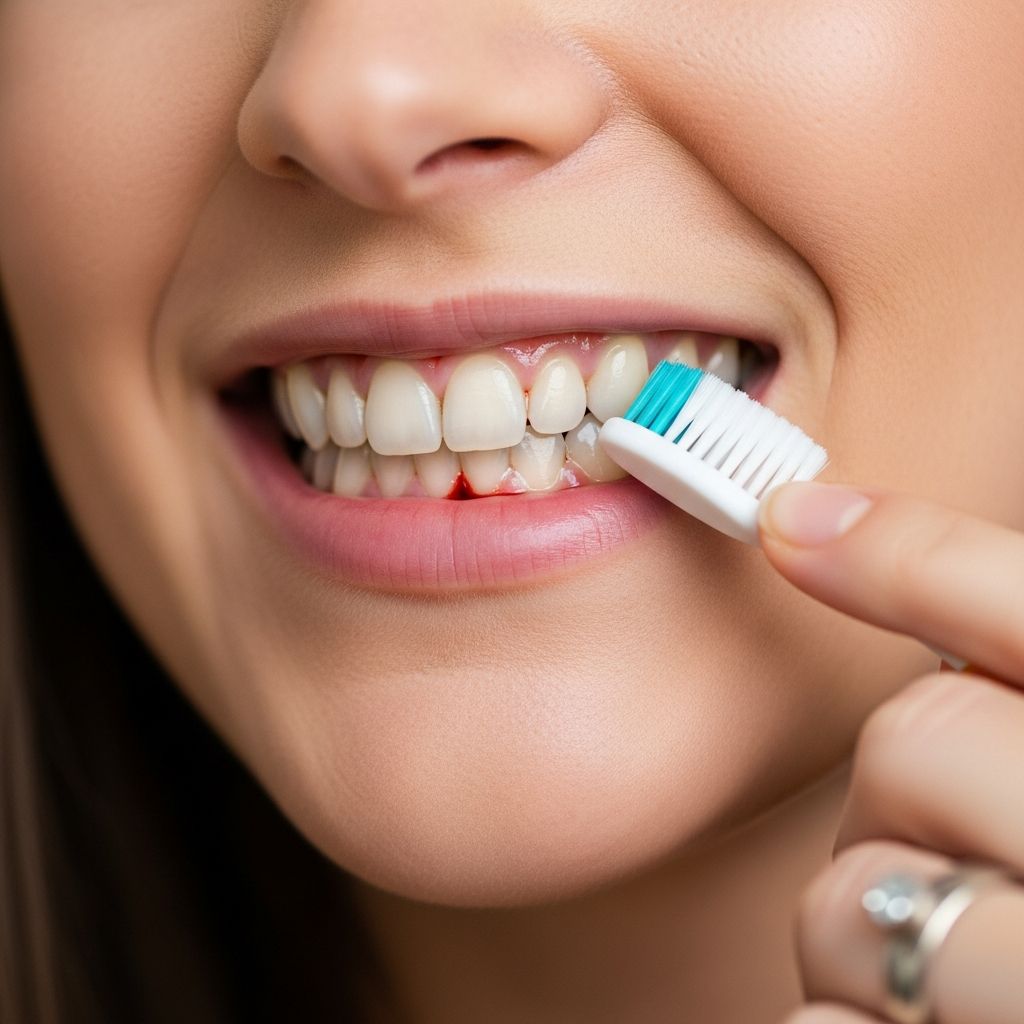
During pregnancy, many women notice their gums bleeding more easily, a condition often called pregnancy gingivitis that affects 60-75% of expectant mothers. This mild gum inflammation arises primarily from hormonal fluctuations, making gums more susceptible to bacterial plaque and leading to redness, swelling, and tenderness.
Understanding the Hormonal Impact on Oral Health
Pregnancy triggers significant hormonal changes, particularly surges in estrogen and progesterone, which directly influence gum tissue. Progesterone levels rise dramatically, altering how gums respond to plaque—a sticky bacterial film that forms on teeth. Normally, the immune system keeps plaque in check, but pregnancy weakens this response, allowing inflammation to develop more readily.
Increased blood volume, which supports the fetus, also heightens blood flow to the gums, causing them to become softer, more engorged, and prone to bleeding during routine brushing or flossing. These vascular changes peak in the second and third trimesters, explaining why symptoms often intensify then.
Recognizing Symptoms of Pregnancy-Related Gum Issues
The hallmark sign is bleeding gums, particularly noticeable after brushing, flossing, or even eating. Other common indicators include:
- Red, swollen gums that feel tender to the touch
- Persistent bad breath despite good hygiene
- Shiny or puffy gum appearance
- Mild pain or sensitivity around the teeth
In some cases, women develop pyogenic granulomas, or “pregnancy tumors”—harmless, fleshy growths on the gums caused by irritation and hormone-driven overgrowth. These typically resolve postpartum but may require removal if they interfere with eating.
Symptoms can emerge as early as the first trimester but usually become prominent by month two or three. If you had pre-existing gingivitis, pregnancy often exacerbates it.
Potential Risks if Gum Bleeding Is Ignored
While pregnancy gingivitis is usually mild and reversible, neglecting it can progress to periodontitis, a severe form of gum disease where gums pull away from teeth, forming infection-prone pockets. This advancement heightens risks for both mother and baby.
Research links untreated periodontal disease in pregnancy to increased chances of preterm birth and low birthweight infants. The chronic inflammation may trigger systemic effects, potentially influencing placental health and fetal development. Additionally, poor oral health correlates with higher preeclampsia risk and delivery complications, underscoring the need for proactive care.
| Risk Factor | Potential Pregnancy Outcome | Prevalence Note |
|---|---|---|
| Untreated Gingivitis | Progression to Periodontitis | Affects gum-teeth bond |
| Periodontitis | Preterm Birth | Odds increase significantly |
| Chronic Inflammation | Low Birthweight | Associated in studies |
Proven Strategies to Prevent and Manage Gum Bleeding
Good oral hygiene remains the cornerstone of prevention. Brush twice daily with a soft-bristled toothbrush and fluoride toothpaste, using gentle circular motions to minimize irritation. Floss daily to remove interdental plaque, even if it causes initial bleeding—consistency reduces sensitivity over time.
Antibacterial mouth rinses, like those with chlorhexidine (under dental guidance), can curb bacterial growth. Maintain a balanced diet low in sugars to limit plaque formation, and stay hydrated to boost saliva production, which naturally cleanses the mouth.
Avoid tobacco entirely, as it worsens gum disease and poses direct fetal risks. If morning sickness hampers brushing, rinse with water or use a nausea-friendly toothpaste.
When and How to Safely Visit the Dentist During Pregnancy
Routine dental care is safe and recommended throughout pregnancy. Schedule cleanings in the second trimester when discomfort is minimal and lying back is tolerable. Inform your dentist of your pregnancy status for adjusted procedures.
X-rays are avoided unless essential, with protective measures if needed. Treatments like scaling and root planing for advanced cases are generally safe after the first trimester. Emergency issues, such as abscesses, require immediate attention regardless of trimester.
Postpartum, gums typically improve within weeks as hormones normalize, but continued vigilance prevents recurrence.
Lifestyle Adjustments for Optimal Gum Health
Beyond hygiene, manage contributing factors like bruxism (teeth grinding), which adds gum stress—consider a night guard if applicable. Pregnancy cravings for carbs can fuel plaque; opt for crunchy vegetables to clean teeth naturally.
Regular prenatal checkups should include oral health discussions. Partner with your OB-GYN and dentist for integrated care, ensuring any gum issues are tracked alongside other symptoms.
Common Myths About Pregnancy Oral Health Debunked
- Myth: Bleeding gums are harmless and unavoidable. Fact: While common, they signal inflammation needing management to avert complications.
- Myth: Dental visits are off-limits during pregnancy. Fact: Preventive care is encouraged and safe.
- Myth: Symptoms always resolve without intervention. Fact: Advanced cases may persist without treatment.
Frequently Asked Questions About Bleeding Gums in Pregnancy
Is bleeding gums an early sign of pregnancy?
It can occur early due to hormonal shifts but isn’t a definitive indicator—confirm with a test.
How common is pregnancy gingivitis?
Up to 75% of pregnant women experience it, especially in later trimesters.
Can gum disease harm my baby?
Untreated severe cases link to preterm birth and low birthweight; early care mitigates risks.
Are dental cleanings safe while pregnant?
Yes, particularly in the second trimester; elective work is best then.
Will my gums return to normal after delivery?
Most improve quickly postpartum, but maintain hygiene to prevent issues.
Long-Term Benefits of Pregnancy Oral Care
Prioritizing gum health during pregnancy fosters lifelong habits benefiting mother and child. Teaching kids early oral routines starts with parental example. Studies affirm that healthy pregnancies correlate with better overall family health outcomes.
For tailored advice, consult healthcare providers promptly. Healthy gums contribute to a smoother pregnancy journey.
References
- Pregnancy and Bleeding Gums — Penn Dental Medicine. 2023. https://penndentalmedicine.org/blog/periodontal-disease-pregnancy/
- Gum Bleeding During Pregnancy: Is it Normal or a Concern? — Arkansas Family Dental. 2024. https://www.arkansasfamilydental.com/articles/gum-bleeding-during-pregnancy-is-it-normal-or-a-concern
- Bleeding Gums and Pregnancy – Signs Women Should Not Ignore — Comfort Care Dental. 2023. https://www.mycomfortcaredental.com/bleeding-gums-pregnancy-signs-women-should-not-ignore/
- Pregnancy Gingivitis: Causes, Treatment, And Prevention — Oral-B. 2024. https://oralb.com/en-us/oral-health/conditions/gums/pregnancy-gingivitis-symptoms-treatments
- Pregnancy Gingivitis: Bleeding Gums, Treatment & Prevention — Cleveland Clinic. 2023-10-24. https://my.clevelandclinic.org/health/diseases/22484-pregnancy-gingivitis