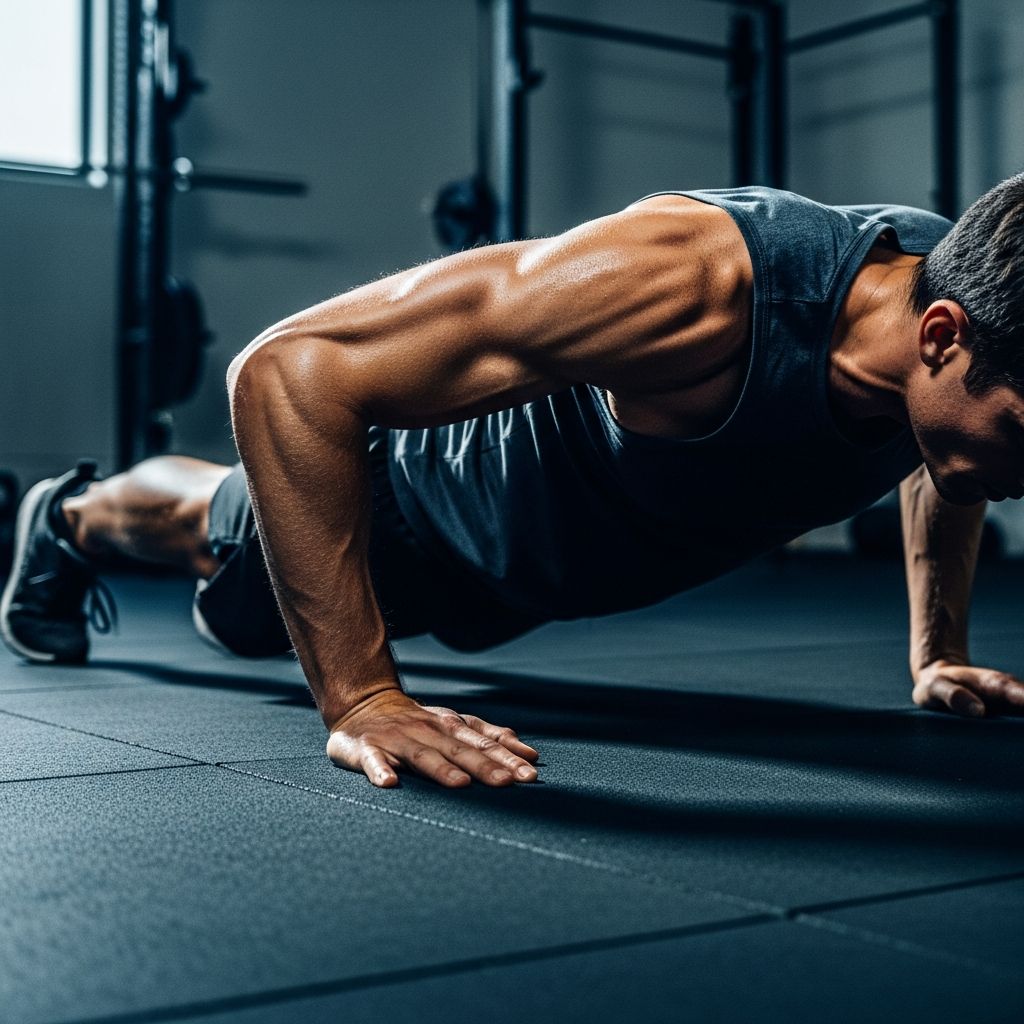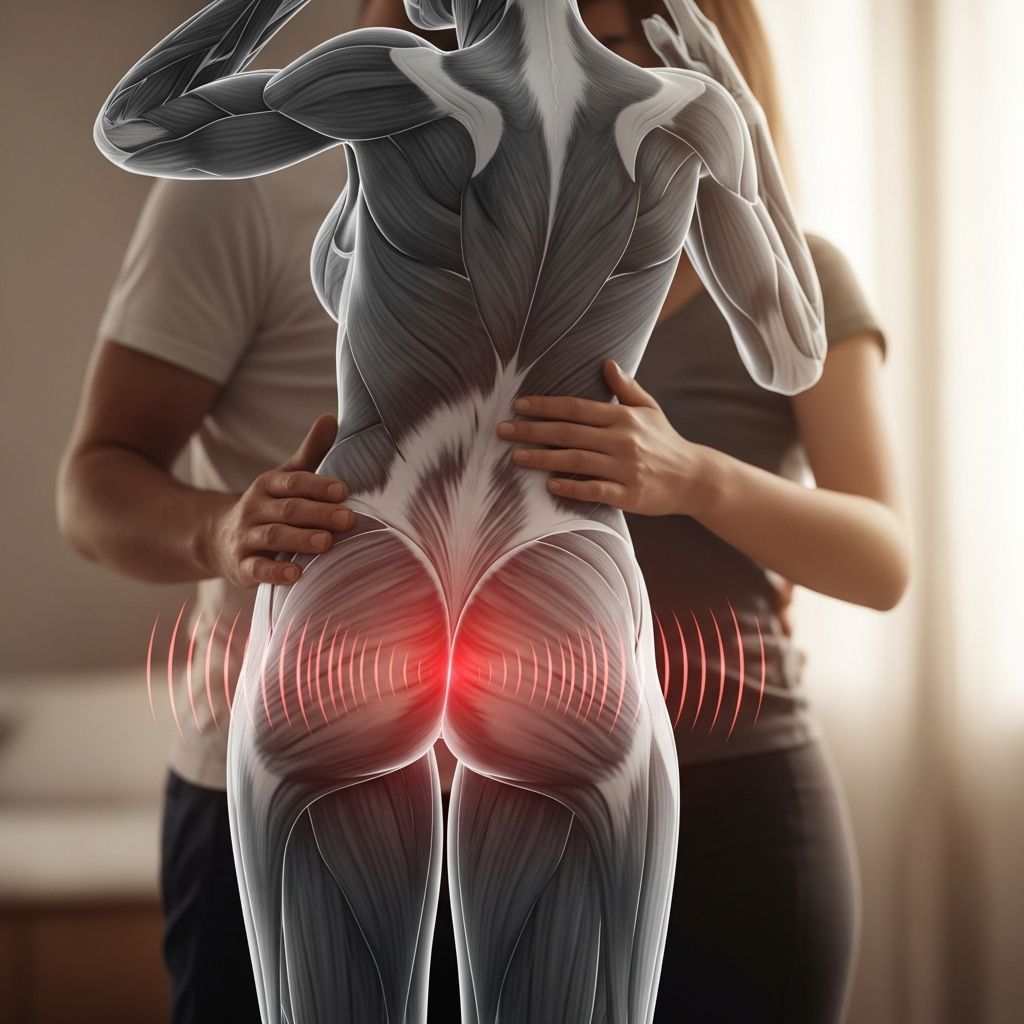
Physical intimacy often involves sustained muscular effort and positioning that can place unique demands on the body. For many individuals, the combination of physical exertion, specific body positioning, and psychological factors creates an environment where involuntary muscle contractions—commonly known as cramps or spasms—can occur unexpectedly. This phenomenon, while typically harmless, can interrupt an otherwise enjoyable experience and may leave individuals wondering about its underlying causes and how to prevent future occurrences.
The Physiology Behind Sudden Muscle Contractions
Muscle cramps represent sudden, involuntary tightening of muscle fibers that occurs without conscious control [web:1]. When muscles contract unexpectedly during intimate moments, several physiological mechanisms come into play simultaneously. The body experiences increased cardiovascular demands as heart rate and breathing patterns elevate, requiring muscles to work harder to maintain both movement and positioning [web:2].
These involuntary contractions typically affect larger muscle groups responsible for maintaining body weight and posture, particularly in the legs, hips, and lower back [web:1]. During intimate activities, maintaining stable positioning while performing repetitive movements creates sustained muscular tension in these areas. When muscles become fatigued from this prolonged contraction without adequate recovery time, they become susceptible to sudden, uncontrolled spasms [web:2].
Primary Contributing Factors
- Muscle Fatigue and Overuse: Sustained physical exertion depletes muscle energy reserves, making fibers more prone to involuntary contractions [web:2]
- Dehydration: Inadequate fluid intake reduces the body’s ability to maintain proper electrolyte balance, which is essential for normal muscle function [web:1][web:2]
- Electrolyte Imbalances: Insufficient potassium, calcium, or sodium disrupts the cellular communication necessary for coordinated muscle contraction and relaxation [web:1][web:2]
- Compromised Blood Flow: Certain positioning during intimate activities can temporarily restrict blood circulation to muscle groups, leading to oxygen deprivation and cramping [web:2]
- Inadequate Flexibility: Insufficient stretching or warm-up before physical activity limits muscle adaptability and increases cramp susceptibility [web:1][web:2]
- Stress and Muscle Tension: Psychological anxiety or tension can cause muscles to remain contracted, increasing the likelihood of spasms [web:1][web:4]
Why Specific Positioning Matters
The biomechanics of partnered physical intimacy differs significantly from typical exercise or daily activities. Certain positions require sustained muscular engagement from one or both partners, particularly in the legs, glutes, and core muscles. Positions that demand continuous weight-bearing or isometric contractions—where muscles remain engaged without movement—place particular stress on muscle fibers [web:1].
Additionally, many intimate positions limit the range of motion available to the body, forcing muscles to work within confined parameters. This restriction prevents the natural movement patterns that would typically allow muscle fibers to lengthen and contract through their full range. When muscles cannot move freely, they accumulate metabolic waste products and experience reduced oxygen delivery, creating an ideal environment for cramping [web:2][web:3].
The Role of Positioning and Pressure Distribution
| Positioning Type | Muscle Groups Affected | Cramping Risk Level | Primary Concern |
|---|---|---|---|
| Weight-bearing positions | Quadriceps, glutes, lower back | High | Sustained muscle tension and fatigue |
| Positions requiring core stability | Abdominals, obliques, hip flexors | Moderate to High | Isometric muscle engagement |
| Positions with leg extension | Calf muscles, hamstrings | High | Limited blood flow and muscle fatigue |
| Positions with hip flexion | Hip flexors, lower back | Moderate | Muscle tension and nerve compression |
Prevention Strategies for Comfortable Experiences
Before Physical Intimacy
- Perform Dynamic Stretching: Engage in gentle, movement-based stretches that increase blood flow and muscle flexibility [web:1]. Focus on hamstrings, calf muscles, hip flexors, and lower back muscles.
- Stay Adequately Hydrated: Drink sufficient water throughout the day and especially before intimate moments [web:1][web:2]. Proper hydration maintains electrolyte balance essential for muscle function.
- Consume Balanced Nutrition: Ensure adequate intake of potassium-rich foods (bananas, coconut water), calcium-containing products, and magnesium sources [web:2]. A normal, balanced diet typically provides sufficient electrolytes for most individuals [web:1].
- Warm Up the Body: Engage in light cardio activity to increase core body temperature and prepare muscles for sustained exertion [web:1].
- Practice Relaxation Techniques: Reduce psychological tension through deep breathing or meditation, as stress contributes to muscle tightness [web:4].
During Physical Intimacy
- Vary Positioning Frequently: Alternating between different positions prevents any single muscle group from becoming excessively fatigued [web:1].
- Maintain Realistic Duration: Gradually build stamina over time rather than attempting extended sessions without proper conditioning [web:1].
- Communicate With Your Partner: Open dialogue allows both partners to adjust positioning when one person experiences discomfort or early signs of cramping.
- Take Active Breaks: Brief rest periods allow fatigued muscles to recover temporarily and maintain proper circulation.
After Physical Intimacy
- Perform Gentle Stretching: Lengthen fatigued muscles through static stretching to reduce residual tension and soreness [web:1].
- Apply Heat Therapy: Warm compresses or hot water relaxes muscles and alleviates discomfort [web:7].
- Massage Affected Areas: Gentle massage increases blood flow and helps muscles return to their relaxed state [web:2].
Immediate Relief When Cramping Occurs
If a muscle cramp develops during intimate moments, several immediate interventions can provide relief. Cease the current activity and gently stretch the affected muscle, holding the stretch for several seconds [web:7]. Firmly massage the cramped area with gentle pressure to promote blood flow and muscle relaxation [web:1][web:2].
Apply heat to the muscle through warm compresses or by using warm water, which helps the muscle relax within approximately one minute [web:1]. If discomfort persists after the spasm subsides, over-the-counter pain relievers such as ibuprofen or naproxen can reduce any remaining soreness [web:2][web:7]. Most muscle cramps resolve completely within a few minutes without lasting damage [web:2].
When to Seek Medical Attention
While muscle cramps during intimate activities are typically harmless and resolve independently, certain situations warrant professional medical evaluation [web:2]. Consult a healthcare provider if cramps occur frequently without obvious triggers, are accompanied by muscle weakness or numbness, persist despite preventive measures, or interfere significantly with quality of life [web:2]. Additionally, if cramps occur alongside unusual symptoms such as severe sweating, vomiting, or diarrhea, medical assessment is advisable [web:2].
Healthcare professionals can identify underlying conditions contributing to excessive cramping, such as electrolyte imbalances, circulatory problems, or nerve compression [web:1][web:3]. Blood tests and other diagnostic procedures can reveal deficiencies or metabolic issues requiring treatment [web:5].
Lifestyle Modifications for Long-Term Prevention
Maintaining overall physical fitness significantly reduces cramping frequency during all activities, including intimate moments [web:1]. Regular strength training maintains muscle integrity and reduces the muscle loss associated with aging, both important factors in cramp prevention [web:1]. Consistent cardiovascular exercise improves overall circulation and stamina, allowing muscles to handle sustained effort more effectively [web:2].
Establishing proper posture throughout daily life prevents chronic muscle tension that carries over into intimate moments [web:2]. Additionally, stress management through regular exercise, meditation, or other relaxation techniques reduces psychological tension that contributes to muscle tightness [web:4].
Nutritional Considerations
While most individuals obtain sufficient electrolytes through normal diet, certain populations may benefit from targeted attention to nutrient intake [web:1]. Ensuring adequate magnesium, calcium, and potassium through dietary sources supports normal muscle function [web:1][web:2]. Maintaining consistent hydration throughout the day—not just before intimate moments—optimizes the body’s ability to maintain proper muscle function [web:1][web:2].
Some individuals find that supplementation helps reduce cramping, though healthcare providers should be consulted before beginning any supplement regimen [web:2]. Vitamin B12, calcium, and magnesium supplements may help ease and prevent cramps in some cases [web:2].
Frequently Asked Questions
Q: How long do muscle cramps typically last during or after intimate moments?A: Most cramps resolve within a few minutes, though they can occasionally last up to 15 minutes [web:1][web:2]. Once the initial spasm passes, residual soreness may persist briefly but typically disappears within hours.Q: Are muscle cramps during intimate activities a sign of a serious health condition?A: Occasional cramps are usually harmless, but frequent cramping without obvious triggers may indicate underlying medical conditions such as kidney disease, thyroid disorders, or circulatory problems [web:2]. Consult a healthcare provider if cramping becomes persistent or severe [web:2].Q: Can improved physical fitness prevent cramps during intimate moments?A: Yes. Being in good physical condition through regular exercise, stretching, and strength training helps keep cramps away by improving muscle function, blood circulation, and overall stamina [web:1].Q: Should I be concerned if my partner experiences frequent cramps?A: While occasional cramps are normal, frequent cramping warrants discussion with a healthcare provider to rule out underlying conditions [web:2]. Changes in exercise patterns, hydration, nutrition, and stress management often help reduce cramping.Q: Can certain medications increase the likelihood of muscle cramps?A: Yes. Certain medications such as diuretics, beta-blockers, and statins can increase cramping susceptibility [web:3]. If you suspect medication is contributing to increased cramping, discuss this with your healthcare provider.
Conclusion
Muscle cramps during intimate moments represent a common physiological response to sustained muscular effort, specific positioning, and various contributing factors including dehydration and electrolyte imbalances. Understanding these underlying mechanisms empowers individuals and couples to implement evidence-based prevention strategies that minimize cramping while maintaining comfort and enjoyment. Through proper hydration, strategic stretching, adequate nutrition, physical fitness maintenance, and open communication with partners, most individuals can significantly reduce cramping frequency. While occasional cramps remain normal and harmless, persistent or severe cramping warrants professional medical evaluation to identify and address any underlying health concerns.