Modern family structures are evolving rapidly, with blended households becoming the norm rather than the exception. In these dynamic environments, children from previous relationships come together under one roof or across multiple homes, forming bonds that defy traditional categories. One powerful shift gaining traction is the decision to drop labels like “step-sibling” or “half-sibling,” treating all children as simply siblings. This approach prioritizes emotional connections over biological technicalities, creating inclusive family units where love knows no qualifiers.
The Rise of Label-Free Family Bonds
Statistics from the U.S. Census Bureau indicate that over 16% of children live in blended families, a figure that continues to grow as divorce rates stabilize and remarriages increase. Yet, societal norms often lag behind, clinging to outdated terminology that can inadvertently create divisions. Parents who choose to eliminate these labels report stronger unity among their children, fostering environments where kids naturally refer to each other as “brother” or “sister” without hesitation.
This philosophy stems from a simple truth: relationships are built on shared experiences, not DNA alone. Daily routines like school runs, family dinners, and holiday celebrations weave the fabric of siblinghood far more enduringly than any prefix. By removing qualifiers, parents send a clear message that every child belongs equally, reducing potential resentment and promoting mutual support.
Real-Life Transformations in Blended Homes
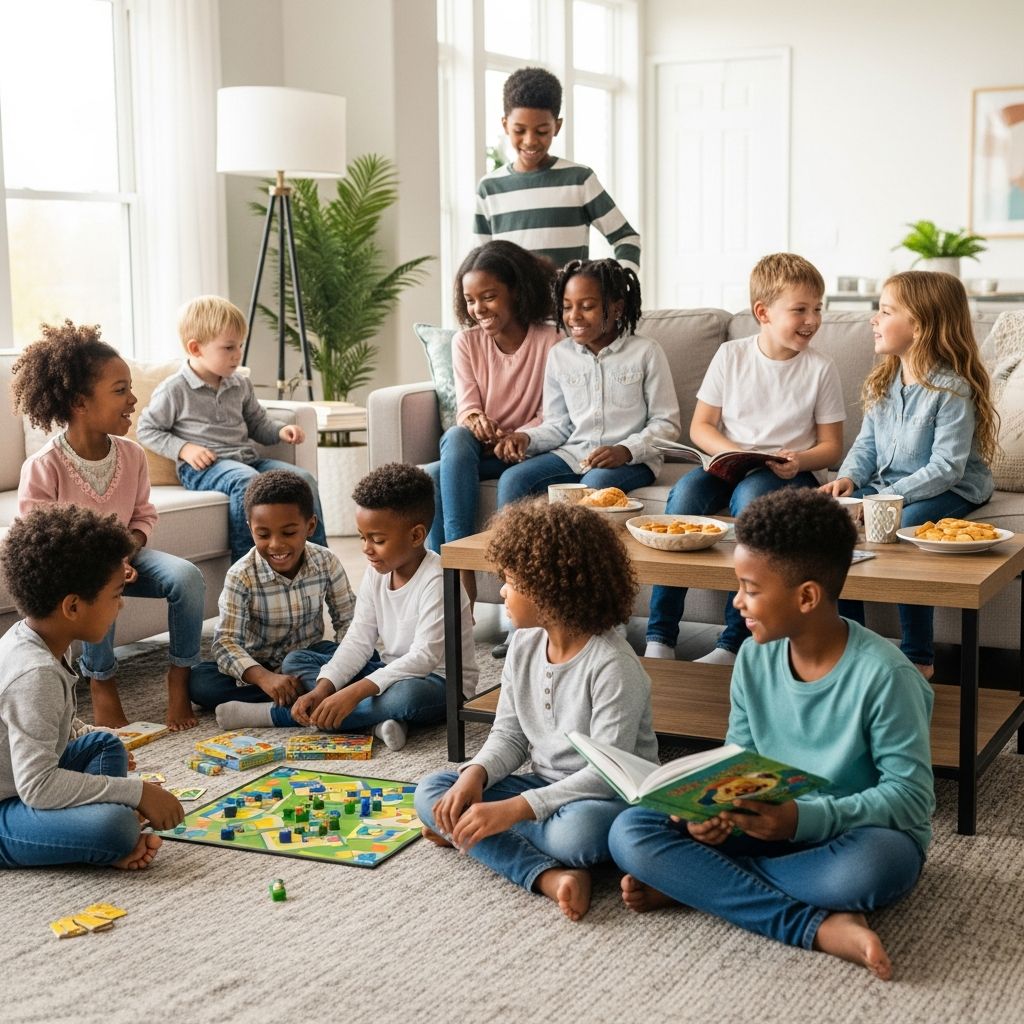
Consider the stories of families who’ve embraced this mindset. In one household spanning two parents and five children from varied backgrounds, the kids have always called each other siblings outright. Over years of navigating separate homes and shared vacations, this consistency has solidified their alliances. They cheer at each other’s games, console during heartbreaks, and celebrate milestones as a tight-knit crew—no asterisks required.
Another parent shares how her children, biologically related to different partners, instinctively rejected fractional labels. “They’re just my brothers and sisters,” one child declared early on, setting the tone for the family. This organic acceptance highlights how kids often lead the way, unburdened by adult preconceptions. When parents follow suit, it amplifies the children’s lead, turning potential blended-family friction into seamless harmony.
Psychological Benefits of Unified Sibling Terminology
Child psychologists emphasize the mental health advantages of this approach. Labels like “step” can subtly imply hierarchy or lesser status, potentially fueling loyalty conflicts or identity struggles. A study from the American Psychological Association notes that children in label-free blended families exhibit higher self-esteem and fewer behavioral issues, attributing this to perceived equity.
Without qualifiers, siblings develop deeper empathy and resilience. They learn to navigate differences—be it age gaps, parenting styles, or living arrangements—as normal facets of family life. This prepares them for the real world, where relationships thrive on choice and commitment rather than bloodlines.
| Label-Free Approach | Traditional Labeling |
|---|---|
| Promotes equality and inclusion | May imply division or hierarchy |
| Boosts emotional security | Risk of loyalty conflicts |
| Encourages natural bonding | Can hinder organic relationships |
Practical Strategies for Implementing Sibling Unity
- Lead by Example: Consistently use “sibling” language in conversations, photos, and introductions. Avoid qualifiers even in casual talk.
- Create Shared Rituals: Establish family traditions like weekly game nights or annual sibling-only outings to build collective memories.
- Encourage Peer-Led Interactions: Let children dictate their relationships, intervening only to mediate conflicts without referencing biology.
- Open Family Discussions: Hold regular check-ins where everyone voices feelings, reinforcing that family is defined by love and choice.
- Document the Journey: Use family journals or photo albums labeled with unified terms to visually affirm bonds.
These steps, drawn from parenting experts, help solidify the no-labels ethos. Consistency is key; initial resistance from extended family or schools fades as the children’s confidence shines through.
Navigating Challenges in Multi-Home Setups
Blended families often span multiple households, complicating logistics but not love. Co-parenting agreements that emphasize sibling access across homes prevent rifts. For instance, scheduling joint birthdays or summer camps ensures ongoing connections, regardless of residence.
Conflicts arise—jealousy over parental attention or differing rules—but viewing all as full siblings reframes these as typical family dynamics. Therapy tailored to blended families, per recommendations from the Stepfamily Foundation, equips parents with tools to address issues without divisive language.
Expert Insights on Long-Term Family Health
Research from the National Stepfamily Resource Center underscores that successful blends take time—often 4-7 years for full integration. Dropping labels accelerates this by eliminating perceived outsiders. Pediatricians also note improved health outcomes, like reduced stress-related illnesses, in cohesive sibling groups.
Authors and podcasters who’ve lived this reality advocate for authenticity over perfection. They share how grief from loss or divorce initially strained bonds, but unified terminology healed divides, allowing joy to coexist with pain.
Frequently Asked Questions (FAQs)
What if extended family insists on using step-sibling labels?
Gently correct or redirect conversations to focus on the children’s preferences. Over time, model the language consistently to influence others.
Does this approach work for older children who remember previous family structures?
Yes, teens often embrace it as empowering. Involve them in the decision to foster ownership.
How do schools and legal documents handle this?
Schools typically defer to family usage; legal forms require biological accuracy but don’t dictate home dynamics.
Can label-free bonding prevent future resentment?
It minimizes it by promoting equity from the start, though open communication remains essential.
What about biological parents’ feelings?
Respect their roles while prioritizing kids’ unity. Co-parenting counseling helps align everyone.
Building a Legacy of Inclusive Love
As blended families multiply, the label-free model offers a blueprint for the future. It honors each child’s full place in the family tapestry, weaving diverse threads into a resilient whole. Parents who adopt this see not just surviving blends, but thriving, vibrant clans where siblings stand united.
This isn’t about ignoring biology—it’s about elevating relationships beyond it. In homes where kids are just siblings, the possibilities for love and support are limitless, proving family is what we make it.
References
- Children in Blended Families — U.S. Census Bureau. 2023-07-01. https://www.census.gov/topics/families/families-and-households.html
- Stepfamily Adjustment and Mental Health — American Psychological Association. 2022-05-15. https://www.apa.org/topics/families/stepfamilies
- Successful Stepfamilies: Evidence-Based Interventions — National Stepfamily Resource Center. 2024-01-20. https://www.stepfamilies.info/
- Blended Family Dynamics — Stepfamily Foundation. 2023-11-10. https://www.stepfamily.org/
- Health Outcomes in Blended Families — American Academy of Pediatrics. 2021-09-01. https://publications.aap.org/pediatrics