Stress is a normal part of life, especially during the teen years when school, friends, family, and big decisions all compete for your time and energy. Learning how stress works and how to manage it can protect both your physical and mental health and help you feel more in control.
What Stress Really Is (And Why It Exists)
Stress is your body’s response to challenges, changes, or demands. It can be triggered by something obvious, like a big exam, or by more subtle things, like constant notifications on your phone or tension at home. When your brain senses a threat or pressure, it sends signals that cause your heart to beat faster, your muscles to tense, and your breathing to speed up. This is sometimes called the “fight, flight, or freeze” response.
Some stress can actually help you by sharpening your focus and pushing you to take action, like finishing a project or practicing for a game. Stress becomes a problem when it is intense, constant, or feels impossible to escape. When that happens, it can drain your energy, affect your mood, and interfere with sleep, relationships, and school.
Common Causes of Stress in Teen Life
Every teen experiences stress in a slightly different way, but many stressors tend to show up again and again. Recognizing these can make it easier to spot patterns and choose better coping strategies.
- School and grades: Homework, exams, group projects, and pressure to get into college or training programs.
- Social life: Friend drama, peer pressure, bullying (online or offline), and feeling left out.
- Family issues: Arguments at home, divorce, strict rules, money problems, or caring for younger siblings.
- Future worries: Decisions about careers, college, and life after graduation.
- Identity and self-image: Concerns about appearance, body changes, gender or sexual identity, and fitting in.
- Technology and social media: Constant comparison, fear of missing out, and pressure to respond quickly to messages.
- Major life events: Moving, illness, loss of a loved one, or changes in family structure.
How Stress Shows Up in Your Body and Mind
Stress does not look the same for everyone. Some people feel it mostly in their thoughts, others in their body, and many in both. Paying attention to your personal signs can help you catch stress early, before it feels overwhelming.
| Area | Common Signs |
|---|---|
| Body | Headaches, stomachaches, tight muscles, sweaty hands, racing heart, feeling exhausted even after sleep. |
| Emotions | Feeling irritable, overwhelmed, anxious, sad, moody, or quick to cry or snap at others. |
| Thoughts | Racing thoughts, trouble concentrating, thinking the worst will happen, or feeling like nothing you do is good enough. |
| Behavior | Withdrawing from friends, procrastinating, eating more or less than usual, sleeping too much or too little, or using substances to escape. |
Some of these signs can also be linked to medical or mental health conditions, so it is important not to self-diagnose. If stress symptoms keep showing up or getting worse, it is wise to talk with a trusted adult or health professional.
Helpful Stress vs. Harmful Stress
Not all stress is bad. Understanding the difference between short-term, helpful stress and long-lasting, harmful stress can guide you in deciding how urgently you need support or changes in your routine.
- Helpful stress (short-term): Shows up before a test, performance, or game. It usually fades once the event is over and can motivate you to prepare, focus, and perform.
- Harmful stress (chronic): Sticks around for weeks or months, often tied to ongoing problems like constant conflict, academic overload, or unsafe environments. It can wear down your body and increase the risk of anxiety, depression, and physical illness.
If most days feel tense, if you dread waking up, or if nothing feels fun anymore, you may be dealing with stress that has moved from helpful to harmful. That is a strong signal to reach out for support and adjust how you are handling your responsibilities and emotions.
Building a Personal Stress Check-In Routine
One powerful way to manage stress is to check in with yourself regularly instead of waiting until everything feels like too much. A simple daily check-in only takes a few minutes and can help you notice what is going on early.
Daily Self-Check Questions
- How is my body feeling right now (relaxed, tense, tired, energized)?
- What emotions am I noticing (calm, annoyed, nervous, sad, excited)?
- What thoughts keep repeating in my mind today?
- Is there one small thing I can do in the next hour to feel a little better?
You can do this check-in mentally, write it in a journal, or use a notes app. Over time, you might see patterns, like certain classes, people, or times of day that consistently raise your stress levels. That awareness can help you plan changes and coping strategies more effectively.
Healthy Habits That Protect You from Stress
Healthy daily routines do not remove stress completely, but they make your body and mind more resilient. Think of them as a foundation that makes it easier to bounce back when life gets intense.
- Sleep: Aim for a regular sleep schedule with enough hours most nights. Try to keep screens out of bed and give yourself a calm wind-down routine.
- Movement: Any physical activity—walking, dancing, sports, stretching—can release tension and boost your mood.
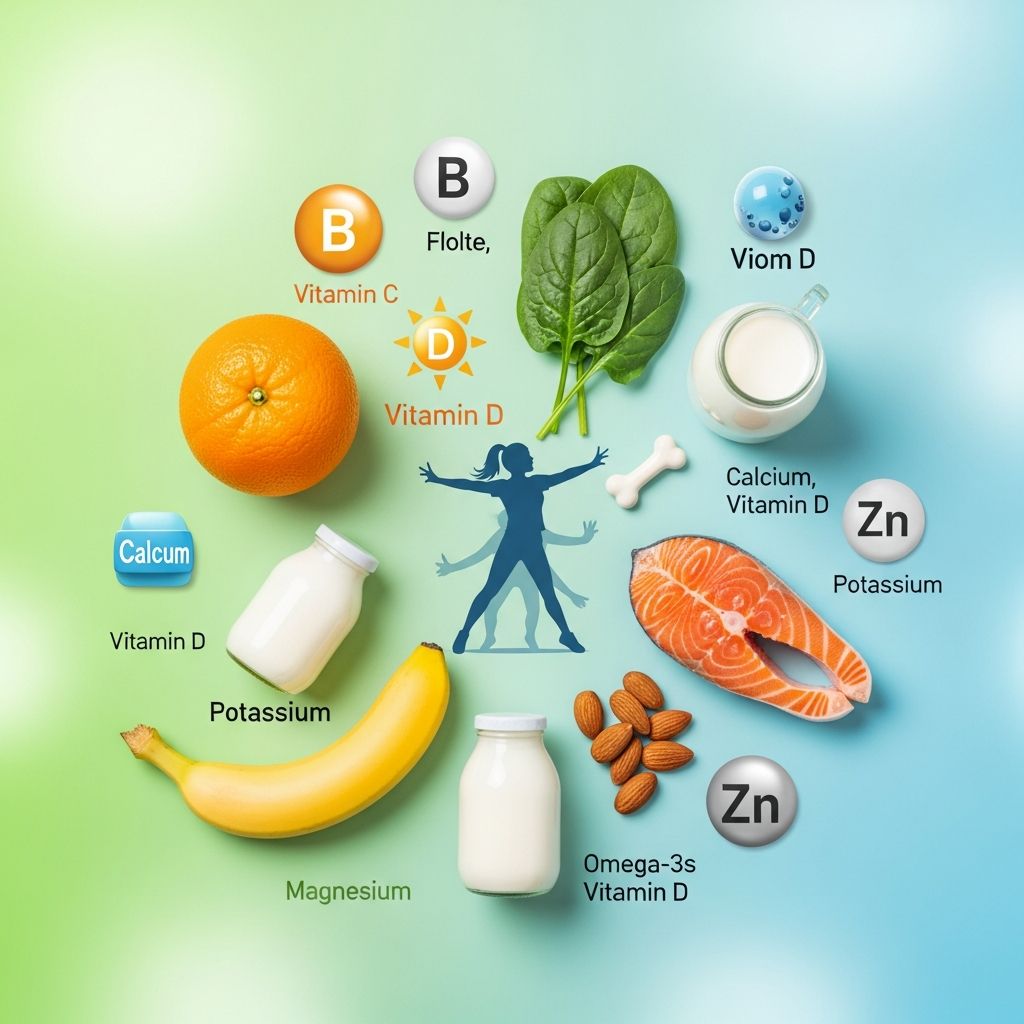
- Nutrition: Eating regular meals and snacks with a mix of protein, whole grains, fruits, and vegetables supports your energy and concentration.
- Hydration: Drinking enough water throughout the day can prevent headaches and fatigue that make stress feel worse.
- Screen boundaries: Setting limits on late-night scrolling and constant checking of messages can reduce comparison, FOMO, and distraction.
- Breaks: Short breaks between tasks—even a few minutes to stretch or step outside—help reset your brain.
Simple Relaxation Techniques You Can Try Anywhere
Relaxation skills help calm your nervous system when stress shows up. They do not erase the problem, but they make it easier to think clearly and respond instead of reacting on impulse.
Breathing Reset
A slow, deep breathing pattern can send a signal to your brain that you are safe. One simple method is to gently breathe in through your nose, pause for a moment, and exhale slowly through your mouth. Repeating this several times can reduce physical tension and racing thoughts.
Muscle Release Scan
This approach involves paying attention to one part of your body at a time, briefly tensing the muscles, then letting them relax completely. Starting from your feet and moving upward can help you notice where you hold tension and practice letting it go.
Grounding with Your Senses
Grounding exercises focus your attention on the present using your senses. For example, you might silently name a few things you can see, hear, feel, smell, or taste. This can be especially helpful when you feel panicky or overwhelmed.
Healthy Ways to Cope with Everyday Stress
Coping strategies are the actions you take to handle stress. Some strategies help you feel better and solve problems; others may feel good for a moment but create bigger problems later. Choosing healthier options will support your long-term goals and well-being.
- Talk it out: Share what is bothering you with a trusted friend, family member, teacher, coach, or counselor.
- Break tasks into chunks: Divide big assignments or responsibilities into smaller steps with realistic deadlines.
- Plan your time: Use a planner or app to map out schoolwork, activities, and rest, so everything does not pile up at once.
- Write it down: Journaling feelings, worries, or to-do lists can help organize your thoughts and reduce mental clutter.
- Do something creative: Drawing, music, writing, or crafting can be a way to process emotions without having to find the perfect words.
- Spend time outdoors: Fresh air and natural light can lift your mood and provide a mental reset.
- Connect with supportive people: Being around people who listen, respect you, and make you feel accepted can lower stress.
Unhealthy Coping: What to Watch Out For
When stress feels intense, it can be tempting to use quick fixes that numb your feelings. These may seem to help for a moment, but they can lead to serious emotional, physical, and legal consequences.
- Using alcohol, vaping, or other substances to escape or feel relaxed.
- Skipping meals or overeating as a way to cope with difficult emotions.
- Hurting yourself physically (self-harm) to deal with overwhelming feelings.
- Staying up all night gaming, scrolling, or watching videos to avoid thinking about problems.
- Pushing everyone away, including people who care about you and want to help.
If you notice yourself slipping into these patterns, it is important not to judge yourself harshly. Instead, see it as a sign that your stress level is too high and that you need different tools and more support.
Creating Your Personal Stress Management Plan
A written plan can make it easier to remember what helps when you are stressed. You can keep it on your phone, in a notebook, or on a note in your room. The goal is not perfection but having a list of options to try instead of feeling stuck.
Four Parts of a Teen Stress Plan
- Know your triggers: List situations, people, or thoughts that often raise your stress.
- Spot your warning signs: Write down how stress usually shows up in your body, emotions, and behaviors.
- Choose coping strategies: Pick at least three healthy actions you can take when stress rises (such as a breathing exercise, texting a friend, or taking a walk).
- List your support network: Include names and contact information for trusted adults and professionals you can reach out to when things feel too big to handle alone.
When Stress Signals a Bigger Problem
Sometimes what feels like “just stress” may actually be part of a mental health condition such as anxiety or depression. There is no clear line you have to cross before asking for help. If your stress is affecting daily life in a major way, it is worth talking to a professional.
- Feeling hopeless, empty, or numb most days.
- Constant worry that does not go away, even when nothing specific is wrong.
- Changes in sleep or appetite that last more than a couple of weeks.
- Loss of interest in activities you usually enjoy.
- Thoughts about hurting yourself or wishing you would not wake up.
These signs are not a sign of weakness. They are signals that your brain and body need extra care, just like any other health issue. Reaching out for help is a strong and responsible step.
How to Ask for Help (Even If It Feels Awkward)
Many teens hesitate to talk about stress because they worry about being judged or not taken seriously. It can feel uncomfortable to start the conversation, but you do not have to have perfect words prepared. You just need to be honest about what you are experiencing.
- Choose someone you trust, such as a parent, caregiver, school counselor, teacher, coach, or doctor.
- Start with a simple phrase like, “I have been feeling really overwhelmed and I am not sure what to do,” or “Stress is starting to affect my sleep and school work.”
- If talking face-to-face feels too hard, write a note, text, or email to open the conversation.
- Be open to trying suggestions, such as meeting with a counselor or making changes to your schedule.
If the first person you talk to does not seem to understand, that does not mean your stress is not real. It is okay to try again with someone else until you find the support you need.
Supporting a Friend Who Seems Stressed
You might notice signs of stress in your friends before they see it themselves. While you are not responsible for fixing their problems, your support can make a real difference in how alone they feel.
- Check in with simple questions like, “You seem different lately. Do you want to talk?”
- Listen more than you speak, and try not to jump straight to advice unless they ask for it.
- Encourage them to reach out to a trusted adult or counselor if their stress seems intense or long-lasting.
- If you ever think your friend might hurt themselves or someone else, tell a responsible adult right away, even if you worry they will be upset with you.
Being a supportive friend does not mean sacrificing your own mental health. It is okay to set boundaries, take breaks, and seek help for yourself too.
Frequently Asked Questions About Teen Stress
Is all stress bad?
No. Some stress is a natural reaction that helps you prepare for challenges, like giving a speech or taking a test. It becomes a problem when it is intense, constant, or interferes with daily life and health.
How do I know if I am just tired or truly stressed?
Feeling tired once in a while is normal, especially after busy days. If you feel constantly exhausted, irritable, or unable to concentrate, and these feelings last for weeks, stress may be playing a larger role.
Can stress affect my physical health?
Yes. Ongoing stress can contribute to headaches, stomach problems, sleep issues, muscle pain, and a weaker immune system. Managing stress is not just about emotions; it also protects your body.
What if my family does not take my stress seriously?
It can be frustrating when you feel dismissed. Try explaining how stress is affecting your sleep, appetite, school work, or mood. If you still are not heard, look for another trusted adult, like a school counselor, teacher, relative, or health provider.
When should I talk to a professional?
Consider speaking with a doctor, counselor, or therapist if stress is making it hard to function at school, at home, or with friends, or if you have thoughts about self-harm or not wanting to live. You do not have to wait until things are unbearable to ask for help.
Stress is part of being human, and especially part of being a teen in a busy, demanding world. With self-awareness, healthy habits, practical coping tools, and support from others, you can learn to manage stress in ways that protect your health and help you grow stronger over time.