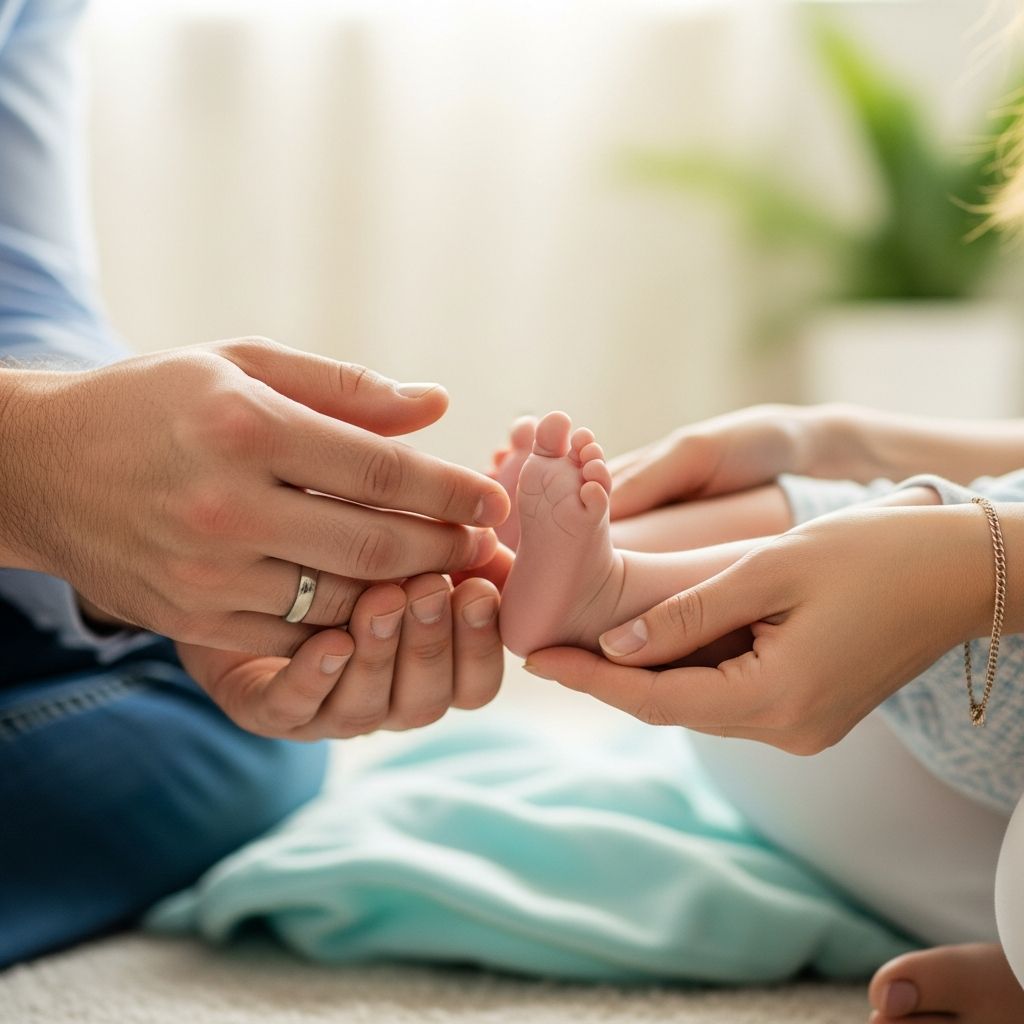
In modern families, parenting is a shared responsibility, yet societal norms often highlight fathers’ involvement as extraordinary while overlooking mothers’ constant efforts. This disparity stems from outdated expectations that position moms as default caregivers and dads as helpers, creating an imbalance in recognition and emotional load.
The Uneven Playing Field in Parenting Expectations
From the moment a child arrives, cultural narratives frame motherhood as instinctive and all-encompassing, while fatherhood is celebrated for any active participation. A viral discussion on social media captured this frustration when a mother pointed out how her partner receives accolades for routine tasks like diaper changes or bedtime routines—actions she performs daily without fanfare. This low bar for dads not only undervalues their potential but also perpetuates the idea that basic parenting is optional for them.
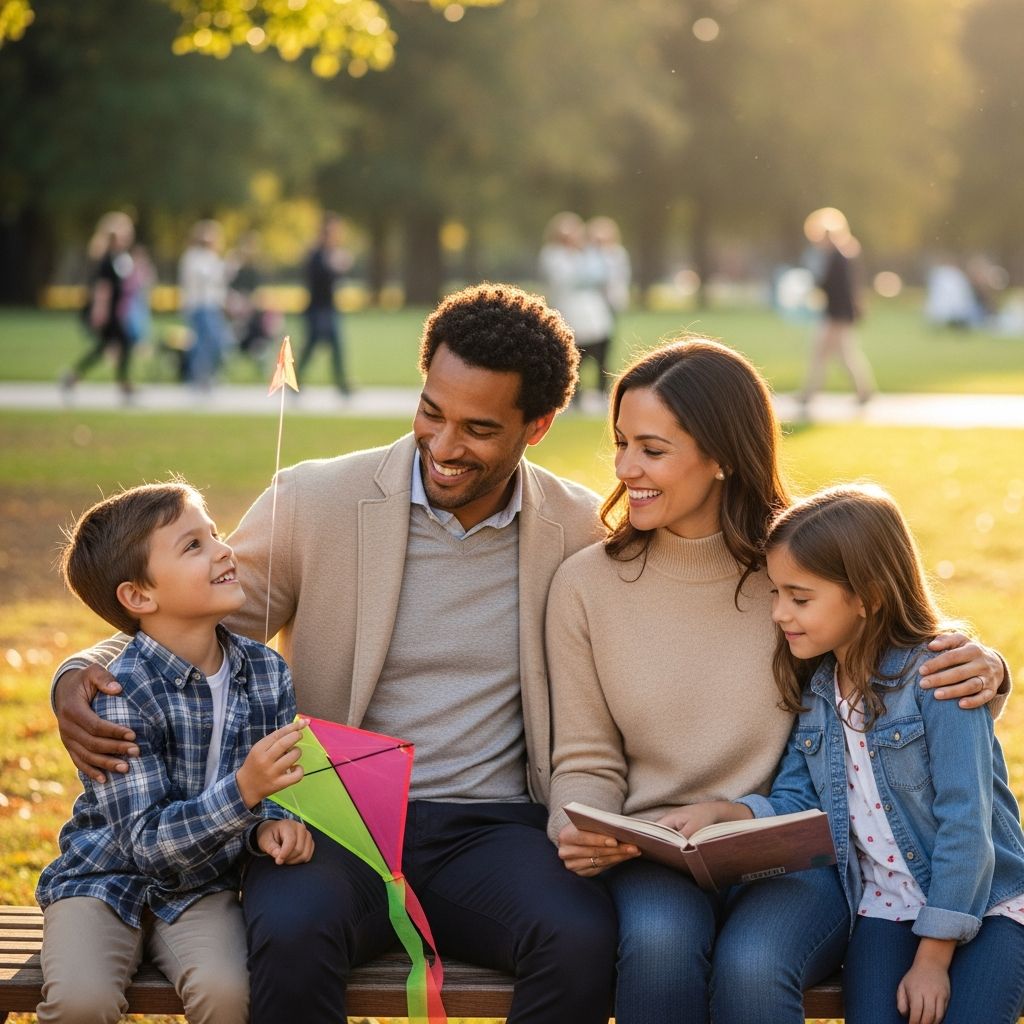
Consider everyday scenarios: a father pushing a stroller at the park earns smiles and comments like “What a great dad!” Meanwhile, the same scene with a mother alone draws no notice. Such reactions reinforce a mindset where dads are “helping out,” implying motherhood bears the primary burden. Experts emphasize reframing this as a partnership, where both parents contribute equally without qualifiers.
Why Dads Receive Disproportionate Applause
Societal praise for involved fathers often arises from historical shifts. In past generations, paternal roles focused more on providing financially than hands-on care. Today, as more dads embrace daily parenting, their visibility challenges norms, prompting enthusiastic responses. However, this comes at a cost: it diminishes the expectation for equal involvement.
- Media Influence: Viral videos and posts showcasing dads in nurturing roles amplify the narrative, turning ordinary moments into “super dad” highlights.
- Family Dynamics: Grandparents and friends may express surprise at dads’ engagement, rooted in their own experiences of less involved fathers.
- Social Validation: Praise motivates dads initially but can breed complacency if it suggests they’ve exceeded requirements.
One study revealed fathers report higher happiness in parenting compared to mothers, possibly because their involvement is more playful and less burdened by mental load. Dads often engage in fun activities with kids, deriving joy without the constant worry of logistics that weighs on moms.
The Hidden Struggles of Maternal Labor
Mothers frequently manage the “invisible work”—anticipating needs, scheduling appointments, and coordinating family life. This cognitive labor goes unrecognized, leading to burnout. When dads step in for visible tasks, they get credit, while moms’ foundational efforts fade into the background.
Real-life accounts echo this: a mother shared how her equal parenting partnership resulted in her husband being labeled a hero, while she remained invisible. This erasure compounds exhaustion, as moms absorb both tasks and the emotional weight of unacknowledged dedication.
Building Genuine Family Partnerships
To bridge this gap, families must redefine roles proactively. Start by communicating openly about responsibilities, ensuring neither parent feels like a backup. Dads can take initiative in areas like meal prep or school runs without waiting for prompts, normalizing their centrality.
A father’s perspective on supporting breastfeeding highlights practical ways: burping the baby post-feed, handling household chores, or offering reassurance during tough nights. Similarly, a dad’s viral advice includes listening without fixing, validating moms’ feelings, and sharing nighttime duties.
| Partnership Strategy | For Dads | For Moms | Family Benefit |
|---|---|---|---|
| Divide Invisible Tasks | Track supplies and schedules | Delegate worry about details | Reduces mental load |
| Active Night Support | Handle wake-ups equally | Rest without guilt | Both parents recharge |
| Public Role Sharing | Solo outings with kids | Step back confidently | Equal visibility |
| Mutual Appreciation | Thank verbally daily | Acknowledge efforts too | Strengthens bond |
Shifting Cultural Narratives for Fair Recognition
Beyond homes, broader change is needed. Media, influencers, and communities should normalize dual parenting without superlatives. Phrases like “He’s such a hands-on dad” imply rarity; replace with “They’re great co-parents.” Social platforms can amplify stories of balanced families, gradually raising the bar for all.
Advocacy plays a role too. When witnessing praise imbalance, gently redirect: “Both are amazing parents.” Over time, this fosters equity, benefiting children who see modeled equality.
Emotional Impacts on Parents and Kids
The praise disparity affects mental health. Moms may feel resentful or undervalued, dads pressured to perform for validation, and children absorb gendered expectations. Equal recognition models healthy dynamics, teaching kids that caregiving is universal.
Research underscores happiness ties to involvement quality. Dads thrive when integrated fully, moms when relieved of sole responsibility—leading to thriving families.
Practical Tips for Balanced Praise
- Self-Reflect: Notice when praising dads more; extend to moms equally.
- Encourage Autonomy: Let dads lead without oversight, building confidence.
- Celebrate Teams: Compliment the partnership, not individuals.
- Educate Circles: Share articles on equal parenting with family.
- Track Progress: Journal shared duties to visualize equity.
Frequently Asked Questions
How can I stop feeling resentful about dad praise?
Focus on internal validation and direct communication. Express needs calmly and celebrate mutual wins to shift from comparison.
Is it wrong to praise dads at all?
Not wrong, but balance it. Praise specifics like patience during tantrums, applied equally to both parents.
What if my partner enjoys the praise?
Use it as a gateway to deeper involvement. Channel positivity into sustained equality discussions.
How does this affect children’s views?
Kids mirror observed dynamics. Equal parenting teaches shared responsibility, promoting empathy.
Can studies confirm dads are happier?
Yes, some data shows dads report higher joy, linked to less routine burden, but equity improves all.
Steps Toward a Praised Parenthood for All
Ultimately, true celebration comes from equity. When both parents are seen as essential, families flourish. Challenge low bars, embrace partnerships, and watch praise flow naturally to every caregiver’s deserving efforts. This cultural pivot promises happier homes and empowered generations.
References
- Being a Hands on Dad Isn’t Something to Be Praised For — Motherly. 2023-06-15. https://www.mother.ly/life/motherly-stories/stop-praising-hands-on-dad/
- TikTok Mom Calls Out Praise Dads Get For Doing What Moms Do — Motherly. 2023-08-22. https://www.mother.ly/news/viral-trending/tiktok-mom-vents-about-dad-getting-praise/
- We parent equally—but he’s seen as Super Dad and I’m not seen at all — Motherly. 2023-05-10. https://www.mother.ly/life/praise-the-dads-and-the-moms/
- Dads are happier parents than moms, says a new study — Motherly. 2024-02-14. https://www.mother.ly/parenting/study-dads-are-happier-than-moms/
- Keira Knightley wants the world to stop praising dads for basic — Motherly. 2023-09-05. https://www.mother.ly/life/keria-knightly-wants-people-to-stop-praising-dads-for-basics/
- The unspoken journey: A father’s perspective on breastfeeding — Motherly. 2023-11-20. https://www.mother.ly/life/motherly-stories/how-can-dads-help-with-breastfeeding/
- Dad’s Post on Supporting Moms Has Gone Viral — Motherly. 2024-01-08. https://www.mother.ly/relationships/marriage-partnerships/this-dads-post-on-supporting-moms-more-has-gone-viral-and-we-couldnt-agree-more-with-him/