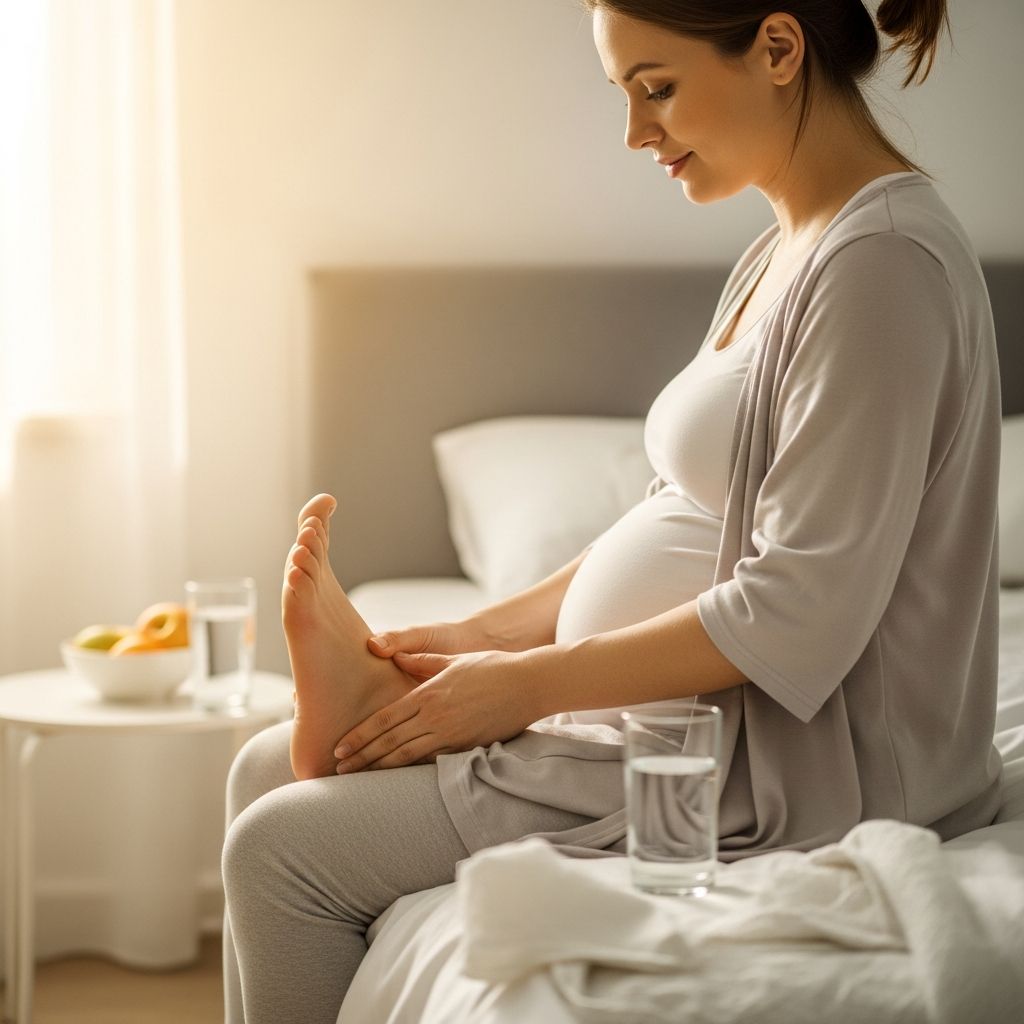
During pregnancy, many women experience noticeable puffiness in their feet and ankles, a condition known as edema. This occurs as the body adapts to support fetal growth, with increased blood volume and hormonal changes leading to fluid accumulation, particularly in the lower extremities due to gravity.
Understanding the Physiology of Pregnancy-Related Edema
The human body undergoes profound changes during pregnancy to nurture the developing baby. One key adaptation is a significant increase in blood volume—up to 50% more than pre-pregnancy levels—to ensure adequate oxygen and nutrient delivery to the placenta and fetus. This expanded fluid load, combined with the growing uterus pressing on major blood vessels like the inferior vena cava, impairs venous return from the legs, causing fluid to seep into surrounding tissues.
Hormones play a pivotal role too. Progesterone relaxes smooth muscles in blood vessel walls, promoting dilation and further fluid leakage. Meanwhile, relaxin loosens ligaments throughout the body, including those in the feet, potentially leading to a permanent increase in foot size post-delivery for some women.
Edema typically worsens in the second and third trimesters, peaking by late afternoon or evening when gravity has had all day to pull fluids downward. Hot weather exacerbates it by causing peripheral vasodilation, while prolonged standing or sitting without movement hinders circulation.
Common Triggers Beyond Normal Physiology
While physiological edema is expected, certain lifestyle and environmental factors can intensify it:
- Prolonged immobility: Standing for hours or crossing legs restricts blood flow, pooling fluid in the feet.
- Heat and humidity: Warm temperatures expand blood vessels, increasing tissue fluid.
- Salt-heavy diet: Excess sodium prompts water retention.
- Tight clothing or footwear: Constrictive socks or shoes impede circulation.
- Weight gain: Additional pregnancy weight adds pressure on lower limbs.
These factors are modifiable, offering opportunities for relief through simple adjustments.
Practical Strategies to Alleviate Foot Swelling
Most edema responds well to conservative measures. Implementing these can significantly reduce discomfort without medical intervention.
Elevate and Move
Positioning is key. Lie on your left side to relieve uterine pressure on veins, and prop feet above heart level for 15-20 minutes several times daily. This counters gravity’s effect.
Regular gentle exercise, such as walking or prenatal yoga, promotes muscle pumps that push fluid upward. Aim for 30 minutes most days, avoiding high-impact activities.
Compression and Footwear Choices
Graduated compression stockings (15-20 mmHg) apply gentle pressure, highest at the ankle and decreasing upward, aiding venous return. Choose knee-high styles without tight bands.
Opt for wide, supportive shoes with good arch support. Avoid high heels, which shift weight forward and worsen pooling.
Dietary Adjustments
Balance electrolytes with potassium-rich foods like bananas, spinach, and avocados to offset sodium. Stay hydrated—ironically, drinking more water (8-10 glasses daily) prevents the body from retaining fluid.
Limit processed foods high in salt. A sample daily intake table:
| Meal | Low-Sodium Options |
|---|---|
| Breakfast | Oatmeal with fresh fruit |
| Lunch | Grilled chicken salad |
| Dinner | Baked salmon, steamed veggies |
| Snacks | Yogurt, nuts |
Cooling and Massage Techniques
Cool compresses or soaking feet in cool (not ice-cold) water constricts vessels, reducing puffiness. Follow with self-massage: stroke from toes toward knees in firm, upward motions to encourage drainage.
Avoid hot baths or saunas, as heat dilates vessels.
Potential Complications Linked to Swelling
While benign in most cases, monitor for red flags. Sudden, severe swelling, especially in hands, face, or one leg, warrants immediate attention.
Preeclampsia: A Serious Concern
Preeclampsia affects 5-8% of pregnancies, characterized by high blood pressure after 20 weeks. Edema is an early sign, often with headaches, vision changes, upper abdominal pain, or protein in urine. Untreated, it risks seizures (eclampsia), organ damage, or fetal growth issues.
Risk factors include first pregnancy, multiples, age extremes, obesity, or prior history. Routine prenatal checks screen via blood pressure and urine tests.
Other Risks: DVT and Varicose Veins
Pregnancy elevates deep vein thrombosis (DVT) risk fivefold due to venous compression and hypercoagulability. Painful, unilateral leg swelling with warmth/redness signals clot—seek emergency care.
Varicose veins, bulging leg veins from valve incompetence, affect up to 40% and may cause aching or bleeding.
Diagnostic Approaches and Medical Interventions
Healthcare providers assess via physical exam, pressing skin for pitting (indent lasting seconds). Blood pressure, urine protein, and blood tests rule out preeclampsia. Ultrasound detects clots.
For persistent edema, diuretics are rarely used as they reduce amniotic fluid. Hospitalization for severe preeclampsia involves monitoring until delivery.
Postpartum, swelling resolves within a week as fluids normalize, though foot changes may linger.
Lifestyle Integration for Lasting Comfort
Build habits early: alternate sitting/standing, use a footrest at work, and practice prenatal swimming—water’s buoyancy eases pressure.
Partner involvement helps: foot rubs, fetching water, or reminding about elevation. Track swelling daily in a journal, noting patterns for doctor discussions.
Word count expansion: Pregnancy edema reflects the body’s remarkable adaptations. Fluid dynamics shift dramatically; plasma volume surges by week 10, peaking at 32 weeks. Uterine enlargement displaces bowels and vessels, slowing drainage. Relaxin peaks mid-pregnancy, enhancing ligamentous laxity—studies show average foot length increase of 2-10mm post-term.
Exercise specifics: Ankle circles (10 reps hourly), calf raises (3×10), or stationary cycling improve venous tone without strain. Compression efficacy backed by trials showing 30% volume reduction.
Nutrition deep dive: Daily sodium cap at 2,300mg per ACOG guidelines. Magnesium from nuts combats cramps often accompanying edema. Hydration threshold: Thirst signals mild dehydration, worsening retention.
Warning signs checklist:
- Sudden facial/hand swelling
- Persistent headache or visual blurring
- Severe abdominal pain
- Shortness of breath
- One-sided leg pain/swelling
Prevention timeline: Second trimester onset common; third peaks. Post-36 weeks, daily weights monitor fluid shifts.
Psychological impact: Discomfort affects sleep/mobility, heightening anxiety. Mindfulness or support groups aid coping.
Frequently Asked Questions (FAQs)
Is foot swelling normal throughout pregnancy?
Yes, mild to moderate ankle/foot edema is typical, especially late-day in later trimesters. It usually subsides overnight.
When should I worry about swollen feet?
Contact your provider for sudden/severe swelling, especially with face/hand involvement, pain, or other symptoms like hypertension.
Can I use diuretics for pregnancy swelling?
No, avoid self-medicating. They can harm fetal fluid levels; consult your doctor.
Will my feet stay bigger after birth?
Some experience permanent flattening/spreading from relaxin, increasing shoe size half a size.
How does heat affect pregnancy edema?
High temperatures dilate vessels, worsening fluid leakage. Stay cool and hydrated.
References
- Swollen Feet During Pregnancy — Franciscan Health. 2023. https://www.franciscanhealth.org/community/blog/swollen-feet-pregnancy
- Swollen ankles, feet and fingers in pregnancy — Health Service Executive (HSE.ie). 2024. https://www2.hse.ie/conditions/swollen-ankles-feet-fingers-pregnancy/
- Swelling during pregnancy — Pregnancy Birth & Baby. 2024. https://www.pregnancybirthbaby.org.au/swelling-during-pregnancy
- 5 ways to manage swollen legs and feet during pregnancy — UT Southwestern Medical Center. 2021-09-14. https://utswmed.org/medblog/swollen-feet-during-pregnancy/
- Dealing With Swollen Ankles During Pregnancy — Nemours KidsHealth. 2023. https://kidshealth.org/en/parents/ankles.html
- Swelling During Late Pregnancy — Merck Manuals. 2024. https://www.merckmanuals.com/home/women-s-health-issues/symptoms-during-pregnancy/swelling-during-late-pregnancy
- Ankle swelling during pregnancy: What helps? — Mayo Clinic. 2024. https://www.mayoclinic.org/healthy-lifestyle/pregnancy-week-by-week/expert-answers/swelling-during-pregnancy/faq-20058467