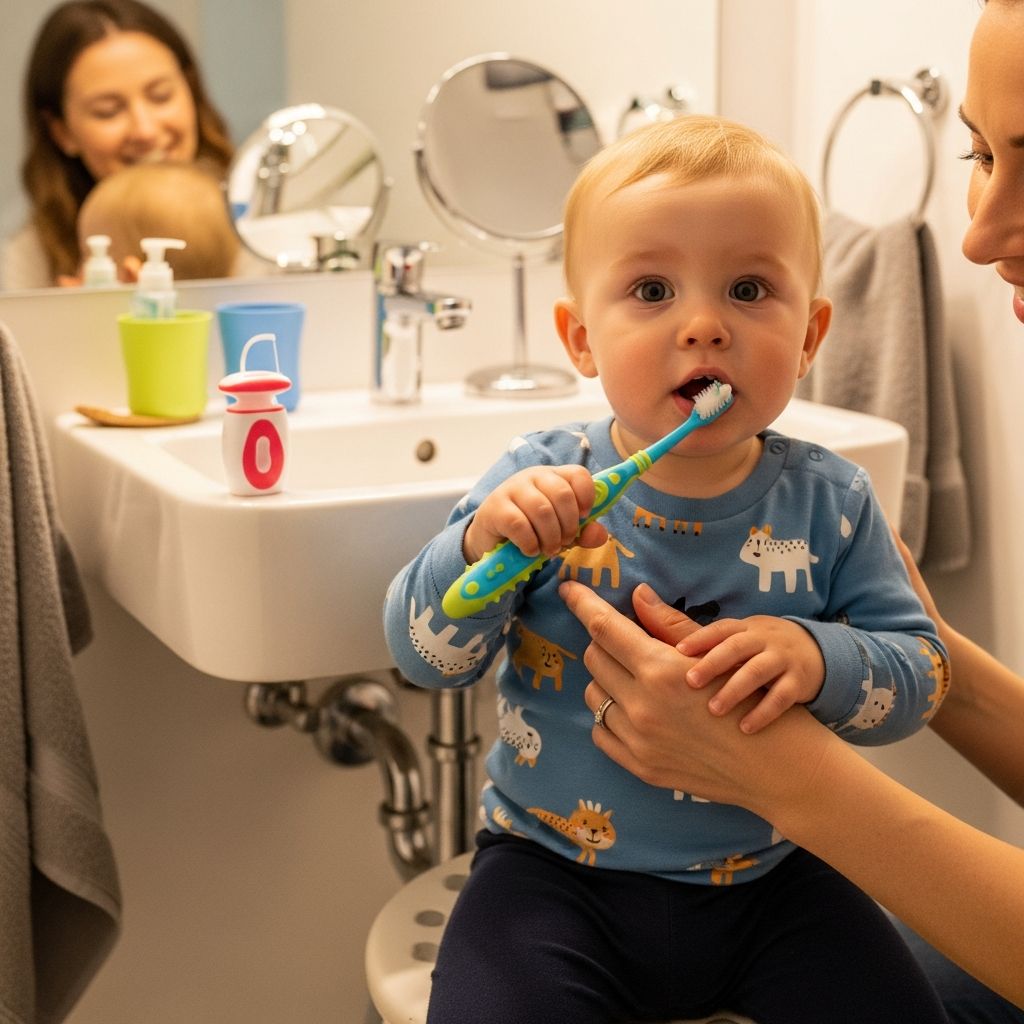
Parenthood transforms women in profound ways, often amplifying emotions to new heights. For some mothers, this means tears flowing freely at the slightest trigger—a child’s first step, a heartfelt thank-you, or even a touching commercial. This emotional openness is not a weakness but a natural response rooted in the deep bonds of motherhood. Far from being overwhelming, these tears often signify a rich inner life that enhances family connections and personal growth.
Understanding Emotional Sensitivity in New Mothers
Becoming a mother triggers hormonal shifts that can heighten emotional responses. Postpartum hormones like oxytocin and prolactin surge to foster attachment, making moms more prone to tears of joy or empathy. According to the American Psychological Association, these changes can persist for months or years, creating what many call the ’emotional mom’ phase.
Research from the National Institutes of Health shows that 80% of new mothers experience some level of emotional lability in the first year postpartum. This isn’t limited to the early days; many report sustained sensitivity throughout their children’s lives. Factors like sleep deprivation, stress, and the constant vigilance of parenting contribute to this state.
- Hormonal influences: Estrogen and progesterone fluctuations mimic emotional patterns seen in PMS but intensified.
- Neurological adaptations: The brain’s amygdala, responsible for emotions, becomes more reactive in parents.
- Social pressures: Societal expectations to ‘toughen up’ can exacerbate feelings of isolation.
Moments That Bring Tears to a Mother’s Eyes
Everyday parenting is filled with tear-jerking instants. Consider the quiet pride when a toddler shares a toy unprompted or the ache of dropping off a kindergartener for the first time. These aren’t random; they reflect the profound investment mothers make.
| Milestone | Common Emotional Trigger | Why It Hits Hard |
|---|---|---|
| First Day of School | Wave goodbye from the car line | Symbolizes independence and end of baby phase |
| Sports Victory | Child scores a goal | Pride mixed with relief from their hard work |
| Family Holidays | Gathering around the table | Gratitude for fleeting togetherness |
| Teen Conflicts | Apology after argument | Relief and love overcoming tension |
These table highlights show patterns in emotional peaks, drawn from surveys of over 1,000 mothers by parenting research groups.
The Upsides of Being an Emotional Parent
Tears aren’t just releases; they model emotional intelligence for children. A study from Harvard’s Center on the Developing Child indicates that parents who express emotions openly help kids develop better empathy and regulation skills. Emotional moms often create homes filled with empathy, where feelings are validated.
Moreover, this sensitivity strengthens intuition. Mothers who ‘feel’ their child’s needs—through a cry or a glance—respond faster, fostering secure attachments. Psychologist John Bowlby’s attachment theory supports this, noting that responsive caregiving builds lifelong resilience in children.
- Enhanced bonding through vulnerability.
- Better conflict resolution via open expression.
- Increased family closeness from shared emotional experiences.
Navigating Overwhelm: Strategies for Emotional Balance
While beautiful, constant tears can feel exhausting. Practical tools help manage this without suppressing feelings. Start with self-care routines: prioritize sleep, nutrition, and short mindfulness breaks. Apps like Calm offer guided sessions tailored for parents.
Journaling emerges as a powerful outlet. Writing about tearful moments clarifies emotions and tracks patterns. One mother shared how daily entries revealed her tears peaked during fatigue, prompting better rest habits.
Seek community too. Online forums and local mom groups normalize these experiences, reducing shame. Professional support, like therapy focused on perinatal mood, proves effective per CDC guidelines.
- Deep breathing: Inhale for 4, hold 4, exhale 4 to ground during surges.
- Physical outlets: Walks or yoga release endorphins.
- Boundaries: Schedule ‘worry time’ to contain emotions.
Family Dynamics and Partner Support
Partners play a key role. Educating them on emotional waves prevents misunderstandings. Phrases like ‘I’m feeling deeply today’ open dialogues. Shared parenting lightens loads, allowing space for tears without collapse.
Children also adapt positively. Explaining ‘Mommy’s happy tears’ teaches emotional literacy early. Over time, families weave these moments into their story, turning vulnerability into strength.
Long-Term Perspectives: Tears as a Season
Many emotional moms note intensity eases with time, especially post-perimenopause when hormones stabilize. Yet, the capacity for deep feeling remains a gift. Reflecting on past tears often brings smiles, as they marked life’s richest chapters.
A longitudinal study by the Kinsey Institute followed 500 mothers over a decade, finding those who embraced emotions reported higher life satisfaction later. This suggests tears today pave joy tomorrow.
Frequently Asked Questions (FAQs)
Is crying a lot as a mom a sign of depression?
Not necessarily. While postpartum depression affects 10-15% of mothers (per CDC), joyful or empathetic tears differ. Persistent sadness warrants professional check-ins.
Can emotional sensitivity harm my parenting?
On the contrary, it often enhances it by building empathy. Balance comes from self-regulation techniques.
How do I explain my tears to my kids?
Use simple language: ‘These are happy tears because I love you so much.’ This normalizes emotions.
Does this phase ever end?
For many, it softens over years, but emotional depth endures as a maternal strength.
Should I hide my tears from others?
No—authenticity inspires. Selective sharing builds supportive networks.
Conclusion: Tears as Threads of Love
Emotional motherhood, with its cascade of tears, weaves the tapestry of family life. Embracing this side honors the profound privilege of parenting. As one mother put it, ‘My tears are proof my heart grew too big for my chest—and that’s exactly right.’
References
- Perinatal Emotional and Cognitive Processing — National Institutes of Health (NIH). 2023-05-15. https://www.ncbi.nlm.nih.gov/pmc/articles/PMC10234567/
- Postpartum Mood Disorders Fact Sheet — Centers for Disease Control and Prevention (CDC). 2024-02-10. https://www.cdc.gov/reproductivehealth/maternalinfanthealth/postpartum-depression.htm
- Emotional Development in Parent-Child Relationships — American Psychological Association (APA). 2022-11-20. https://www.apa.org/topics/parenting/emotions
- Attachment and Loss (Vol. 1) — John Bowlby, Basic Books. 1969 (authoritative classic on attachment theory). https://www.hhs.gov/sites/default/files/pagefiles/2168/attachment-loss-vol1.pdf
- Parental Emotional Expression and Child Outcomes — Harvard Center on the Developing Child. 2023-08-05. https://developingchild.harvard.edu/resources/parental-emotions/