Understanding Why We Hold Onto Clothes That No Longer Fit
Many women struggle with the decision to keep clothes in their closets that no longer fit their bodies. This emotional attachment often runs deeper than simple fashion preference. The reasons behind keeping ill-fitting garments are frequently rooted in hope, guilt, and aspirational thinking rather than practical wardrobe management.
One of the primary reasons people maintain a closet full of clothes that don’t fit is the belief that these items will serve as motivational objects. Women often tell themselves that they’re “working toward” fitting into these pieces again, positioning them as future goals rather than current liabilities. While this mindset might initially feel empowering, it frequently transforms into something far more damaging over time.
The Hidden Emotional Toll of an Misaligned Wardrobe
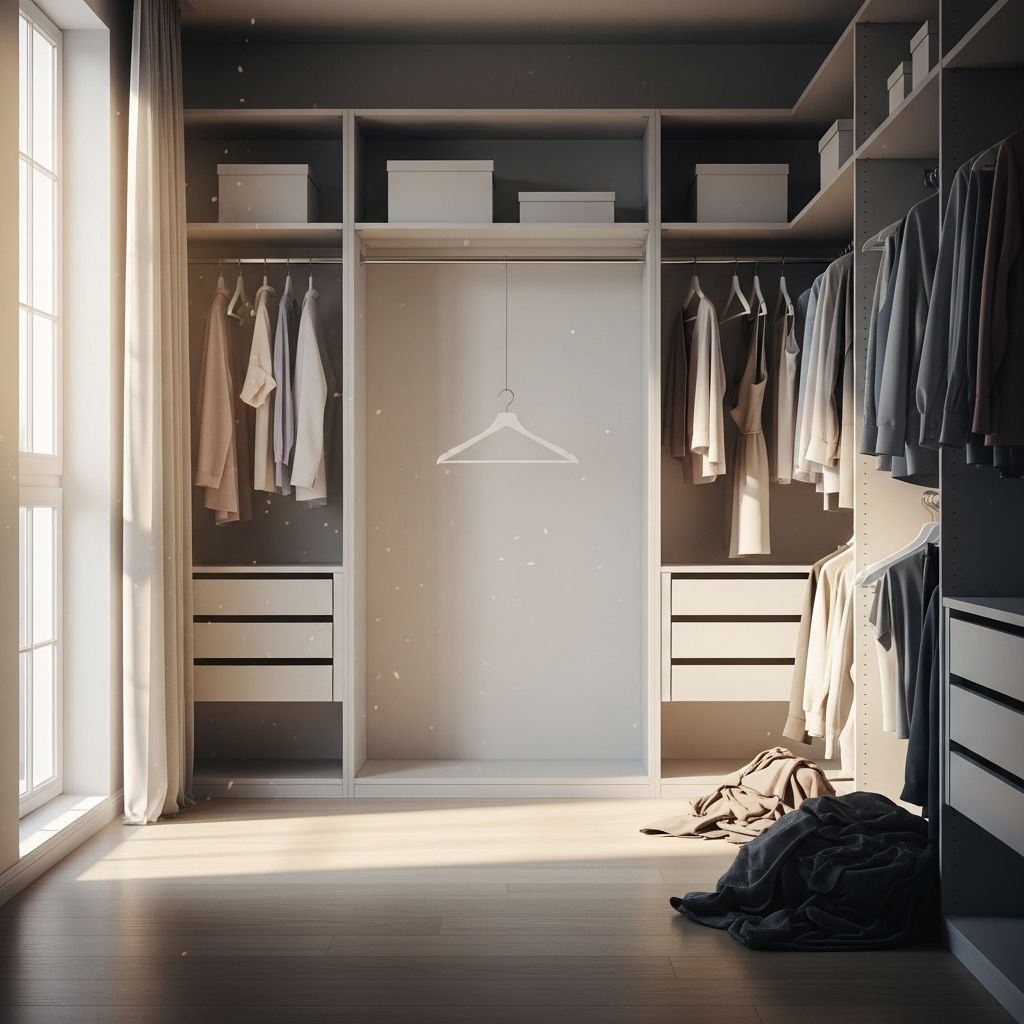
Your closet communicates with you every single day, whether you realize it or not. Every time you open your bedroom doors and encounter clothing that doesn’t fit, you’re receiving a subtle but persistent message about your value and your current state. This ongoing dialogue between you and your wardrobe has measurable psychological consequences that extend far beyond fashion choices.
The Quiet Voice of Self-Doubt
When your wardrobe contains predominantly ill-fitting items, your brain becomes conditioned to receive negative reinforcement. Instead of seeing these clothes as neutral objects, you unconsciously interpret them as evidence of personal shortcoming. The internal monologue becomes predictable and harsh: “I used to look better,” “I lack the discipline to maintain my previous size,” or “I shouldn’t invest in new clothes until my body returns to what it was.”
These thoughts accumulate like interest on a loan, compounding your sense of inadequacy with each passing day. Rather than inspiring positive change, they perpetuate a cycle of shame and self-criticism that actually undermines your ability to feel good about yourself and your life.
How This Impacts Your Daily Experience
The clothes you wear influence not just how others perceive you, but fundamentally how you perceive yourself. When you spend your day in clothing that doesn’t fit properly—whether too tight or kept “just in case”—you’re experiencing physical discomfort that translates into emotional stress. This discomfort radiates outward into your relationships, your productivity, and your overall sense of well-being throughout the day.
Recognizing Life Transitions That Require Wardrobe Evolution
Bodies change throughout different life stages, and these transformations are completely normal and natural. Understanding that wardrobe adjustments aren’t failures but rather necessary adaptations can shift your perspective on the entire process.
- Pregnancy and postpartum body changes
- Natural aging and metabolic shifts
- Perimenopause and menopause transitions
- Lifestyle changes that affect daily activity levels
- Intentional health and fitness journeys
- Medical circumstances and medications that affect body composition
Each of these transitions represents a chapter in your life story. Rather than viewing these changes as setbacks, recognizing them as natural progressions allows you to approach wardrobe management with greater self-compassion and clarity.
Developing a Compassionate Approach to Closet Clearing
The process of releasing clothes that no longer fit doesn’t have to be painful or guilt-inducing. In fact, approaching this task with intentionality and kindness toward yourself can transform it into an empowering experience that strengthens your relationship with your body and your sense of self.
Step One: Cultivate a Foundation of Self-Compassion
Before you begin removing anything from your closet, establish an internal framework grounded in non-judgment. This process is not about failure or inadequacy—it’s about creating a living space that authentically reflects and genuinely supports the woman you are right now, in this moment. Release any narratives about what your wardrobe “should” contain or what it says about your character. Your closet is simply a collection of objects meant to serve your present needs.
Step Two: Conduct an Honest Assessment
Examine each garment with genuine curiosity rather than criticism. Ask yourself practical questions: Does this fit my body today? When was the last time I wore this? Would I purchase this item again at this point in my life? Can it be tailored or adjusted? If the answer to most of these questions is “no,” the item has likely served its purpose in your wardrobe journey.
Step Three: Identify Keeper Pieces with Flexibility
Some items might be slightly loose or have forgiving silhouettes that accommodate slight body fluctuations. These pieces deserve consideration for retention, particularly if they align with your current style preferences and make you feel confident. Items with stretchy fabrics and streamlined (rather than fitted) silhouettes often provide more longevity across size variations.
Step Four: Make Intentional Release Decisions
For items that no longer serve you, choose a release method that feels meaningful. Donation, consignment, selling online, or gifting to friends are all valid options. The act of consciously deciding how to release these pieces—rather than simply throwing them away—honors the role they played in your life while creating closure.
Rebuilding Your Wardrobe with Purpose and Presence
Once you’ve cleared away items that don’t serve you, the real work of intentional wardrobe building can begin. This isn’t about replacing everything you removed or pursuing a complete fashion overhaul. Instead, it’s about strategically filling gaps with pieces that genuinely serve your current life.
Identifying Your Essential Staples
Consider the three to five items you wear most frequently. For many women, this includes everyday jeans, comfortable elevated tees, or professional basics suited to their work environment. These staple pieces should be purchased in your current size, with priority given to fit and comfort above all else. Investing in quality basics that fit well today provides immediate confidence and eliminates the frustration of constantly accommodating ill-fitting clothing.
Exploring Fresh Styling Possibilities
Items that fit your current body might be styled in entirely new ways. Experimenting with different combinations, layering techniques, or accessory pairings can make existing pieces feel fresh and contemporary. This creative approach to your current wardrobe often reignites enthusiasm for clothes you already own without requiring additional purchases.
Building for Longevity Rather Than Permanence
When selecting new pieces, prioritize versatility and compatibility with your existing wardrobe. Choose colors and styles that work across multiple occasions and can be combined in various ways. This approach maximizes the utility of each purchase while respecting that your body and preferences will continue to evolve.
The Transformative Power of Body Acceptance
Perhaps the most significant outcome of releasing ill-fitting clothes is the mental shift toward accepting your body as it is right now. This acceptance represents genuine empowerment, not resignation. It means acknowledging that your worth isn’t contingent on fitting into specific garment sizes or matching an idealized version of yourself from the past.
When you stop fighting against your current reality and instead build a wardrobe that celebrates who you are today, something remarkable happens. You experience greater comfort in your own skin, increased confidence in your daily interactions, and a more authentic expression of your personal style. This shift ripples outward into all areas of your life, affecting how you show up in your relationships, your work, and your overall sense of well-being.
Practical Considerations for Different Clothing Categories
| Clothing Type | Keep Considerations | Release Indicators |
|---|---|---|
| Fitted Items (Jeans, Fitted Dresses) | Only if they fit your current size perfectly | If they’re tight or need to be “broken in,” release them |
| Stretchy Fabrics | These often accommodate size fluctuations | If they no longer provide adequate support or comfort, let them go |
| Structured Pieces (Blazers, Coats) | Can sometimes be tailored; consider professional alteration | If alterations cost more than replacement, release them |
| Casual Basics (T-shirts, Sweaters) | Keep if they’re comfortable and align with current style | Release if they promote slouching or self-consciousness |
| Statement Pieces | Only retain if you actively wear them and feel confident | Aspirational pieces rarely become wardrobe staples |
Strategies for Preventing Future Wardrobe Misalignment
After clearing your closet, implementing systems to maintain alignment between your body and your clothing helps prevent accumulating ill-fitting items again.
- Conduct quarterly wardrobe reviews to assess fit and functionality
- Purchase new items primarily in your current size rather than aspirational sizes
- Choose predominantly classic styles that transcend temporary trends
- Prioritize quality over quantity to build a more intentional wardrobe
- Maintain a “holding zone” for items you’re uncertain about, revisiting them after a month
- Focus on fabrics and cuts that naturally accommodate minor body fluctuations
Frequently Asked Questions
Q: What if I think my body might change back to its previous size?
A: Rather than storing an entire closet of clothes “just in case,” keep a few versatile, well-made pieces that work across a reasonable size range. If your body does change again, you’ll have the financial means to rebuild your wardrobe with current styles that reflect your evolved preferences. Holding onto clothes “just in case” typically results in wearing uncomfortable or outdated clothing in the interim, which negatively impacts your confidence and well-being today.
Q: Is it wasteful to get rid of clothes I might wear again?
A: The more significant waste occurs when clothes hang unworn in your closet, taking up space and emotional energy. By releasing items to donation, consignment, or resale platforms, you’re extending their useful life with someone whose body they currently fit. This approach is more sustainable and environmentally responsible than storing unused items indefinitely.
Q: How do I avoid feeling guilty when releasing clothes I paid for?
A: Acknowledge that the money spent is in the past and cannot be recovered regardless of whether you keep the items. Every day you store clothes that don’t serve you, you’re paying an ongoing emotional cost. Releasing them allows you to redirect that mental and physical space toward items and experiences that genuinely enhance your life today.
Q: What should I do with clothes that are damaged but still fit?
A: Assess whether professional repair is feasible and cost-effective. If the repair cost approaches or exceeds the item’s replacement cost, release it. If repairs are reasonable and the item is truly beloved, investing in restoration can extend the life of high-quality pieces.
Q: How can I build confidence in my current body while clearing my closet?
A: Actively engage in positive self-talk throughout the process. Remind yourself that your body is not a problem to be solved but rather a living, changing entity deserving of respect and appropriate clothing. Each piece you release represents a choice to honor yourself as you are, not as you think you should be.
References
- The Psychological Impact of Clothes That Don’t Fit — The Well Dressed Life. 2024. https://thewelldressedlife.com/what-to-do-with-clothes-that-no-longer-fit-hanging-in-your-closet/
- What To Do When Nothing Fits Anymore — Erica Ball Style. 2024. https://ericaballstyle.com/nothing-fits-anymore/
- When Your Clothes No Longer Fit You — My Wardrobe, Myself. 2022-06-10. https://mywardrobemyself.com/2022/06/10/when-your-clothes-no-longer-fit-you/