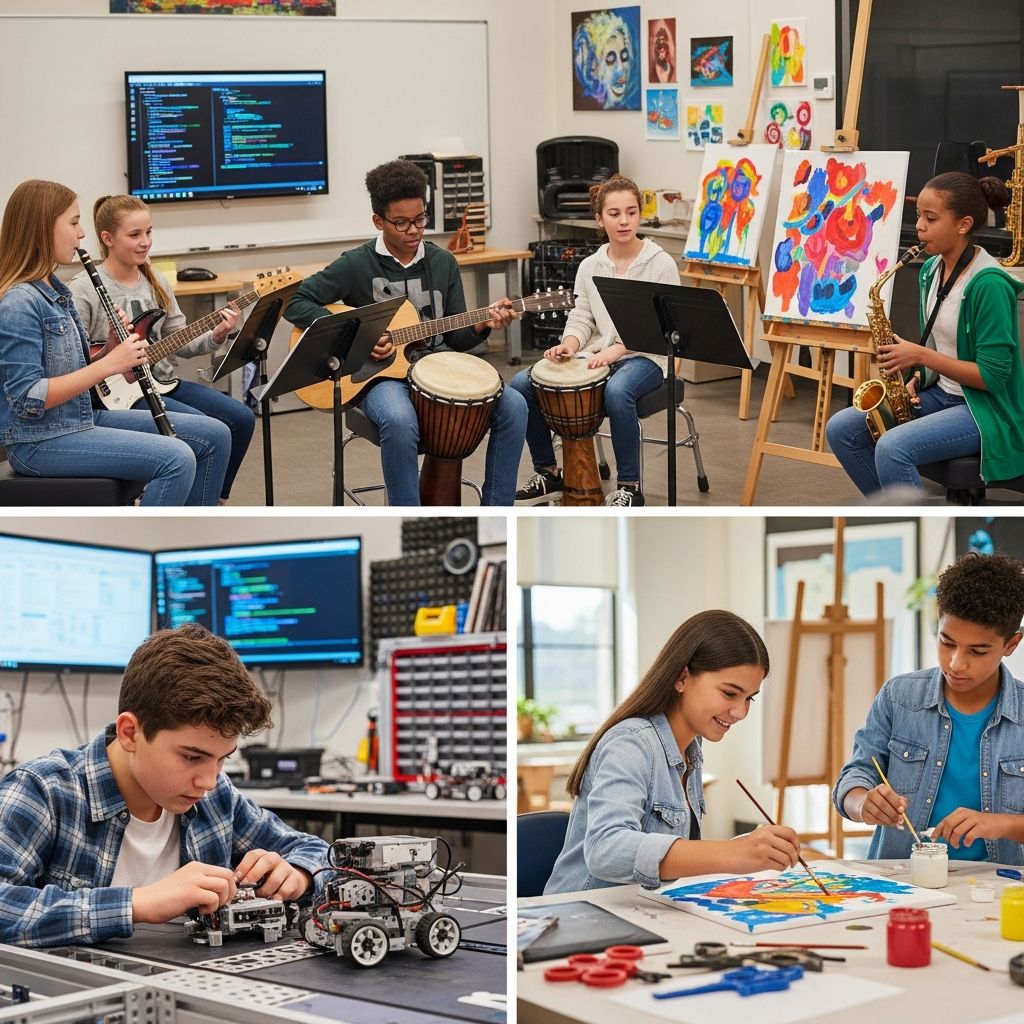
Middle school marks a pivotal transition for tweens aged 11 to 14, where electives emerge as powerful tools for personal and academic advancement. These optional courses allow students to venture beyond mandatory subjects like math and English, delving into areas that spark curiosity and align with individual strengths. By providing choice, electives heighten motivation and engagement, transforming school from a routine obligation into an exciting journey of self-discovery.
Why Electives Matter for Tweens’ Development
During middle school, children grapple with identity formation, social pressures, and budding interests. Electives address these challenges by offering structured yet flexible opportunities to explore. Research shows that student choice in coursework correlates with improved effort, performance, and retention of knowledge, as noted by education expert Robert Marzano. This autonomy fosters a sense of ownership over learning, crucial for tweens navigating adolescence.
Electives also bridge gaps in traditional curricula, introducing practical life skills and interdisciplinary connections. For instance, a digital media class might reinforce writing from English while teaching technology basics relevant to modern careers. Schools offering diverse electives report higher overall student satisfaction and reduced dropout risks, particularly for those disengaged in core classes.
Boosting Engagement and Motivation
- Personalized Learning Paths: Tweens select courses matching their passions, leading to deeper investment. A student fascinated by music might thrive in band, applying math rhythms subconsciously.
- Increased Classroom Participation: Interest-driven classes prompt lively discussions and student-led projects, enhancing critical thinking.
- Emotional Connection to School: When tweens feel seen through their choices, attendance and attitudes improve dramatically.
One key benefit is the ‘pep in their step’ effect—students excited about electives carry that energy into core subjects, elevating overall academic habits.
Building Essential Life Skills
Electives cultivate competencies often overlooked in standard lessons, preparing tweens for real-world demands. Here’s a breakdown of core skills developed:
| Skill Category | Elective Examples | Benefits for Tweens |
|---|---|---|
| Creativity & Innovation | Art, Drama, Robotics | Fosters problem-solving and original thinking, vital for future jobs. |
| Communication | Debate, Public Speaking, Journalism | Builds confidence in expressing ideas verbally and in writing. |
| Collaboration | Team Sports, Theater, Group Projects | Teaches teamwork and conflict resolution through shared goals. |
| Digital Literacy | App Design, Multimedia Production | Equips students with tech tools for 21st-century proficiency. |
These skills extend beyond school; for example, a theater elective hones emotional intelligence, aiding social interactions during tween years.
Enhancing Core Academic Performance
Far from distractions, electives reinforce foundational subjects. Cross-disciplinary approaches, like using history in film studies, deepen comprehension and retention. Students in enriched electives often see grade improvements in math and language arts due to heightened motivation spilling over.
- Advanced foreign language electives build cognitive flexibility, aiding science and math.
- STEM-focused options like coding complement algebra, making abstract concepts tangible.
- Arts classes improve spatial reasoning, linked to better geometry performance.
Studies confirm electives promote independent learning, turning passive students into proactive scholars.
Exploring Passions and Identities
Tweens use electives to define themselves amid peer influences. A shy student might shine in creative writing, revealing hidden talents. This multifaceted exposure helps form a nuanced self-image, strengthening teacher-student bonds as educators witness varied strengths.
Options like guitar, climate science, or public art expose tweens to global issues and hobbies, nurturing lifelong pursuits. Sixth graders often get introductory ‘foundation’ classes, easing into choices by seventh and eighth grade.
Career Exploration in Early Adolescence
Middle school electives serve as low-stakes career trials. A robotics class might ignite engineering dreams, while journalism could lead to media interests. This early exposure helps tweens align education with aspirations, gaining ‘hard’ skills like programming and ‘soft’ skills like deadlines.
Online electives expand access to niche topics unavailable locally, such as advanced personal finance or niche arts, previewing college-level work.
Practical Tips for Choosing Electives
Parents and tweens should strategize selections:
- Assess Interests: Discuss hobbies and strengths with counselors.
- Balance Schedule: Mix fun with skill-building to avoid burnout.
- Consider Future Goals: Link choices to potential careers or college prep.
- Try New Things: Electives are ideal for experimentation without long-term commitment.
- Monitor Progress: Adjust if a class doesn’t fit, as flexibility is key.
Schools may limit choices based on grades or budgets, so advocate for access—electives ‘save’ disengaged students by reigniting school love.
Challenges and Solutions in Elective Programs
Common hurdles include limited offerings due to funding or scheduling conflicts. Solutions involve prioritizing electives in budgets and using online platforms for diversity. Equity ensures all tweens, regardless of background, access enriching options, preventing talent waste.
Frequently Asked Questions (FAQs)
What age group benefits most from middle school electives?
Tweens aged 11-14 in grades 6-8 gain the most, as they transition to greater independence and identity exploration.
Do electives affect core subject grades?
Positively—engaged students from electives often perform better across the board due to spillover motivation.
Can electives help with college applications?
Yes, they showcase passions and skills, differentiating applicants beyond GPA.
What if a tween doesn’t like their elective choice?
Many schools allow mid-year switches; use it as a learning experience in decision-making.
Are online electives a good alternative?
Absolutely—they offer flexibility, vast options, and build self-discipline.
Empowering the Next Generation
Integrating electives thoughtfully equips tweens with tools for success: engaged minds, versatile skills, and clear pathways. Schools, parents, and educators must champion these courses to unlock every student’s potential.
References
- Elective Courses – Issues with Education — Penn State University. 2021-03-19. https://sites.psu.edu/zezyuscivicblog/2021/03/19/elective-courses/
- Not Even the Sky’s the Limit in Middle School Elective Courses — Rowland Hall. N/A. https://www.rowlandhall.org/fineprint/story/~board/all/post/middle-school-elective-courses
- Elective Courses | Research Starters — EBSCO. N/A. https://www.ebsco.com/research-starters/education/elective-courses
- Unlocking Potential: Why Electives Are Essential to Student Growth — Branches Learning. N/A. https://brancheslearning.org/unlocking-potential-why-electives-are-essential-to-student-growth/
- How Electives Help All Students Succeed — Edutopia. N/A. https://www.edutopia.org/article/electives-increase-student-engagement/
- 5 Key Advantages of Online Elective Courses — Forest Trail Academy. N/A. https://foresttrailacademy.com/five-advantages-for-taking-elective-courses-online/
- Elevating Electives: Why They Matter So Much — Education World. N/A. https://www.educationworld.com/teachers/elevating-electives-why-they-matter-so-much