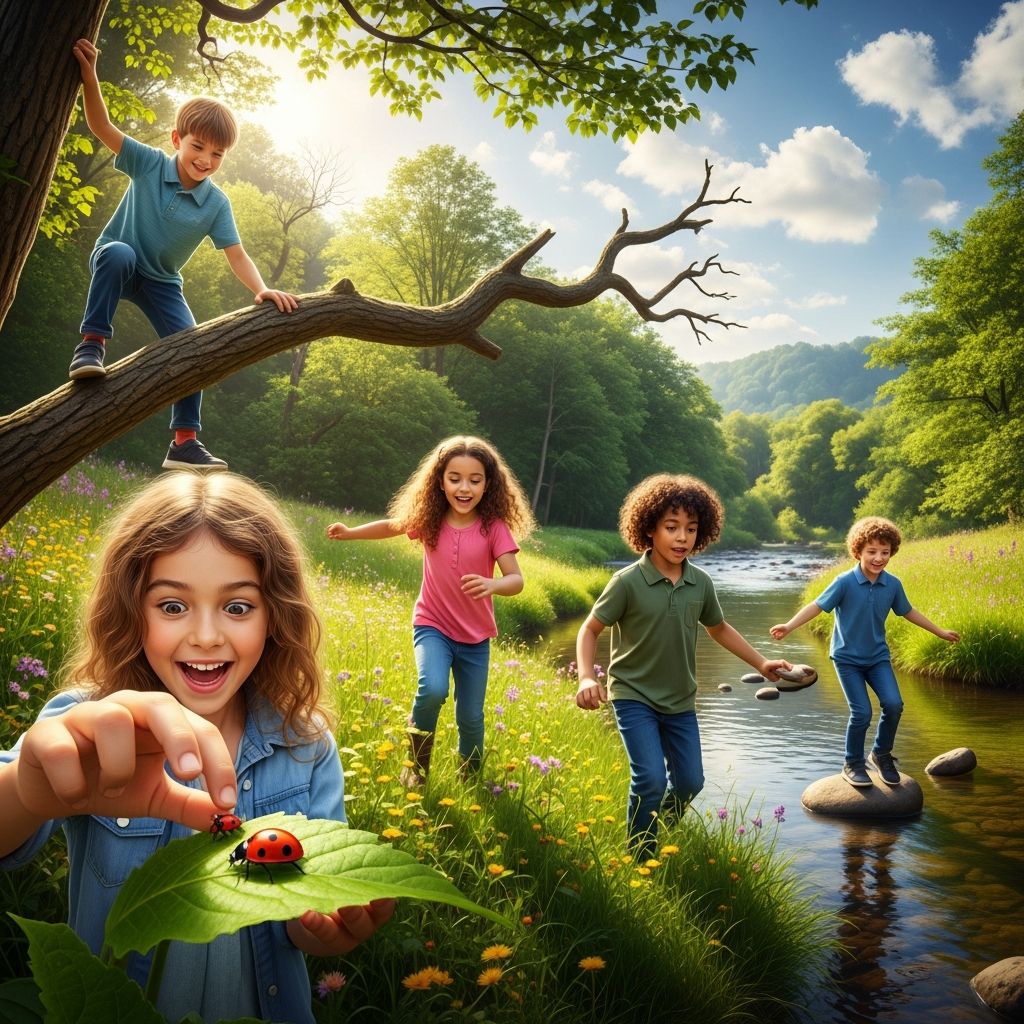
Why Nature Matters for Children
Children thrive when they have regular opportunities to interact with the natural world. From parks and forests to backyards and gardens, nature offers a rich environment that supports every aspect of a child’s development. Research consistently shows that time spent outdoors leads to healthier, happier, and more resilient kids.
Physical Health and Active Play
Outdoor environments encourage children to move, explore, and engage in physical activity. Activities like running, climbing, jumping, and rolling are not only fun but also essential for building strong muscles, coordination, and overall physical health. Exposure to sunlight helps the body produce vitamin D, which is crucial for bone development and immune function.
- Children who play outdoors are more physically active and less likely to develop obesity.
- Natural settings promote gross motor skills and physical confidence.
- Regular outdoor play is linked to improved sleep patterns and reduced risk of chronic diseases.
Emotional Well-being and Stress Reduction
Nature acts as a buffer against stress and anxiety. The calming effect of green spaces helps children regulate their emotions and build resilience. Studies have found that children living near parks or forests experience fewer symptoms of anxiety and depression.
- Time in nature reduces cortisol levels, the hormone associated with stress.
- Children exposed to natural environments report higher levels of happiness and self-worth.
- Outdoor play fosters a sense of peace and nurtures emotional balance.
Cognitive Growth and Academic Success
Engaging with nature stimulates curiosity, creativity, and problem-solving skills. The complexity and unpredictability of outdoor environments challenge children’s minds in ways that indoor settings cannot. Nature-based learning has been shown to improve concentration, memory, and academic performance.
- Children who learn in natural settings score higher on science and math tests.
- Outdoor classrooms increase student engagement and enthusiasm for learning.
- Exposure to nature enhances cognitive flexibility and resilience.
Social Skills and Team Building
Nature encourages cooperative play and social interaction. Children in green spaces are more likely to engage in imaginative, associative, and constructive play with peers. These experiences help them develop empathy, communication, and teamwork skills.
- Outdoor play fosters positive social interactions and reduces conflict.
- Children learn to share, negotiate, and collaborate in natural environments.
- Group activities in nature build a sense of community and belonging.
Building Environmental Awareness
Regular contact with nature nurtures a deep appreciation for the environment. Children who spend time outdoors are more likely to develop a sense of responsibility and stewardship toward the natural world.
- Outdoor experiences cultivate environmental consciousness and respect for nature.
- Children learn about ecosystems, biodiversity, and sustainability through hands-on exploration.
- Early exposure to nature increases the likelihood of environmentally friendly behaviors in adulthood.
Practical Tips for Parents
Integrating nature into daily life doesn’t require elaborate plans. Simple activities can make a big difference in a child’s development.
- Encourage daily walks in parks or green spaces.
- Provide opportunities for unstructured outdoor play.
- Involve children in gardening or nature-based projects.
- Limit screen time and prioritize outdoor activities.
- Explore local nature trails, forests, or beaches together.
FAQs
How much time should children spend in nature?
Experts recommend at least one hour of outdoor play each day for optimal benefits.
Can nature help children with ADHD or anxiety?
Yes, studies show that contact with nature can reduce symptoms of ADHD and anxiety in children.
What if I live in a city with limited green space?
Even small parks, community gardens, or tree-lined streets offer valuable nature experiences for children.
How does nature impact academic performance?
Children who spend time in nature tend to have better concentration, memory, and test scores, especially in science and math.
Can nature help children develop independence?
Yes, outdoor play encourages children to make decisions, solve problems, and build confidence in their abilities.
Conclusion
Nature is a powerful ally in raising happy, healthy, and resilient children. By prioritizing outdoor experiences, parents can support their children’s physical, emotional, cognitive, and social development. The benefits of nature are clear, lasting, and accessible to families everywhere.