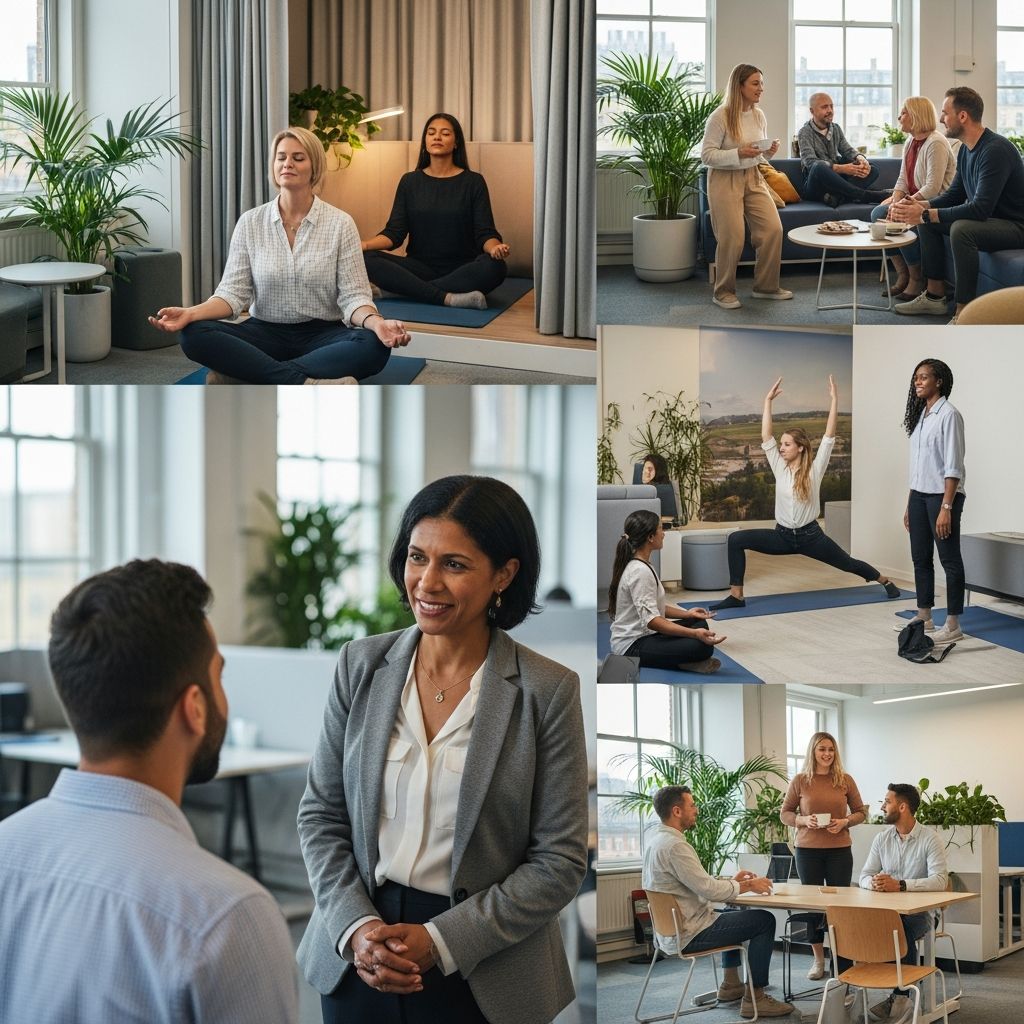
In today’s high-pressure work environments, taking a mental health day is becoming a vital practice for maintaining balance. Supportive employer responses to such requests can set a powerful example, signaling that employee well-being is a priority. This approach not only aids individual recovery but also enhances overall organizational health.
The Growing Need for Mental Health Breaks in Modern Workplaces
Workplace stress has reached alarming levels, with nearly half of U.S. employees reporting significant daily stress. A 2023 Gallup analysis revealed that 48% of workers experienced ‘a lot of stress’ the previous day, while over 25% felt frequently burned out. These statistics underscore the urgency for interventions like mental health days, which allow employees to step back and recharge.
Mental health challenges, including anxiety and depression, stem from heavy workloads, job insecurity, and blurred work-life boundaries. The World Health Organization estimates that depression and anxiety cost the global economy $1 trillion annually in lost productivity. By granting mental health days, employers address these issues proactively, preventing escalation into chronic conditions that impair performance.
Key Advantages of Introducing Mental Health Days
Mental health days offer multifaceted benefits, impacting employees and employers alike. Here’s a breakdown:
- Rejuvenation and Burnout Prevention: A dedicated day off enables self-care activities, reducing isolation and boosting morale, as noted by the Mayo Clinic Health System. Employees return refreshed, ready to tackle tasks with renewed energy.
- Cultural Shift Toward Wellness: When leaders endorse these days, it normalizes mental health discussions, encouraging utilization of resources like Employee Assistance Programs (EAPs). This top-down support fosters trust and openness.
- Enhanced Retention and Output: Engaged, less-stressed workers are more productive and loyal. Studies confirm that addressing mental health leads to fewer absences and higher performance.
Companies like Deloitte exemplify this by offering comprehensive training and resources for mental, physical, and emotional health. Similarly, Unilever promotes openness through workshops and manager training, alongside support apps.
Real-World Example: A CEO’s Inspirational Reply
A viral story highlighted a CEO’s exemplary response to an employee’s mental health day request. The leader not only approved it but praised the initiative, emphasizing how self-care improves job performance. This reaction went viral, inspiring discussions on the value of transparent communication about well-being.
Such responses remove stigma and model vulnerability. As experts note, leaders sharing personal experiences normalizes seeking help, creating a supportive atmosphere. This single act can ripple through the organization, encouraging others to prioritize their health without fear of judgment.
Potential Challenges and How to Navigate Them
While beneficial, mental health days aren’t a panacea. Employers must approach them thoughtfully to maximize impact.
| Challenge | Solution |
|---|---|
| Insufficient for Severe Conditions | Integrate into broader strategies like counseling and insurance coverage. |
| Rooted in Workplace Issues | Conduct regular surveys and exit interviews to address toxic practices. |
| Underutilization Due to Stigma | Leaders model usage and promote via newsletters and meetings. |
Constant evaluation ensures these days complement ongoing improvements. For instance, company-wide shutdowns or incentives can boost participation.
Building a Comprehensive Mental Health Framework
Mental health days shine brightest within a holistic strategy. The American Psychological Association advocates for coverage, training, flexible options, and equity. Workplaces should provide:
- Access to virtual counseling and EAPs.
- Mindfulness sessions and support groups.
- Manager training on recognizing signs of distress.
- Generous PTO policies, as seen with Netflix and LinkedIn.
The WHO recommends financial stability, inclusivity, confidence-building, and routines to safeguard mental health. Leaders must shift from viewing mental health as personal to collective responsibility.
Practical Steps for Employers to Implement Support
- Policy Development: Formalize mental health days in handbooks, specifying usage without documentation.
- Leadership Buy-In: Executives share stories in all-hands meetings to destigmatize.
- Resource Allocation: Partner with providers for affordable therapy access.
- Feedback Loops: Use anonymous surveys to refine approaches quarterly.
- Monitoring Impact: Track metrics like absenteeism and engagement pre- and post-implementation.
Organizations like those highlighted by the World Economic Forum emphasize routine and community to promote well-being. Open communication with trusted colleagues further reduces isolation.
Employee Perspectives: When and How to Request a Mental Health Day
For workers, knowing when to take a break is crucial. Signs include persistent fatigue, irritability, or disengagement. Approach requests professionally: ‘I’m taking a mental health day to recharge and return at my best.’ Studies show such breaks enhance clarity and productivity.
Setting boundaries, like logging off after hours, complements these days. Employers valuing this see happier teams.
Frequently Asked Questions (FAQs)
Q: What exactly is a mental health day?
A: It’s a scheduled time off focused on restoring mental well-being through rest, hobbies, or therapy, distinct from vacation.
Q: Do mental health days really improve productivity?
A: Yes, by reducing burnout and stress, leading to higher engagement and output, per WHO and Gallup data.
Q: How can leaders encourage their use?
A: By modeling the behavior, communicating benefits, and integrating into company culture.
Q: Are there risks to offering unlimited mental health days?
A: Potential overuse, but pairing with assessments and broader support mitigates this.
Q: What if an employee needs more than a day off?
A: Refer to EAPs, professional help, or adjusted duties as part of a full strategy.
Future Trends in Workplace Mental Health Support
Looking ahead, expect more innovative policies: AI-driven wellness check-ins, mandatory mental health training, and hybrid models prioritizing flexibility. The Surgeon General stresses these as priorities. Harvard Business Review calls for a new era where mental health is a shared imperative.
Progressive firms are already adapting, with global emphasis on World Mental Health Day themes like ‘Mental Health at Work’. By 2026, supportive cultures will define competitive edges.
Embracing mental health days transforms workplaces into thriving ecosystems. Employers who lead with empathy reap loyal, high-performing teams.
References
- 3 Reasons Mental Health Days Matter to Your Employees — Mentavi. 2023. https://mentavi.com/articles/the-pros-and-cons-of-mental-health-days/
- The CEO’s Response To An Employee A Mental Health Day — Recruiters LineUp. N/A. https://www.recruiterslineup.com/taking-mental-health-day-important/
- Why Mental Health Days Are a Necessity — Business News Daily. N/A. https://www.businessnewsdaily.com/10945-mental-health-days.html
- World Mental Health Day: How to prioritize well-being at work — World Economic Forum. 2024-10. https://www.weforum.org/stories/2024/10/world-mental-health-day-work/
- A World Mental Health Day Reflection — Fullerton Health. N/A. https://www.fullertonhealth.com/sg/mental-health-in-the-workplace-a-world-mental-health-day-reflection/
- The Role of Mental Health on Workplace Productivity — PMC / NIH. 2022. https://pmc.ncbi.nlm.nih.gov/articles/PMC9663290/
- Why mental health needs to be a top priority in the workplace — American Psychological Association. 2022. https://www.apa.org/news/apa/2022/surgeon-general-workplace-well-being