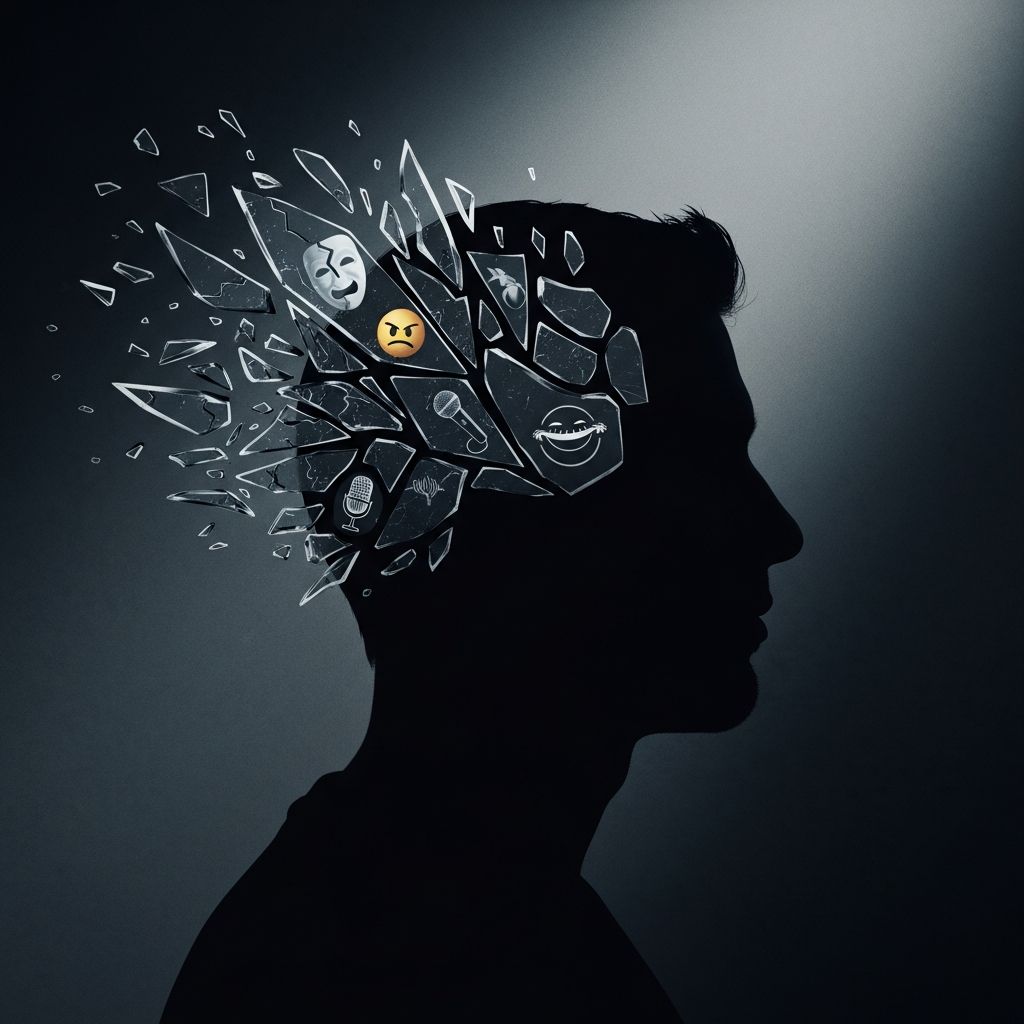
Men often use humor as a tool for social connection, but when jokes veer into offensive or sexist territory, it signals deeper psychological processes at play. Research indicates that such humor frequently emerges from feelings of insecurity tied to traditional masculinity ideals, where individuals resort to derogatory content to restore a sense of dominance or belonging.
Understanding Humor as a Masculine Marker
Humor has long been intertwined with perceptions of masculinity. Studies show that men who successfully produce laughs are viewed as intelligent, quick-witted, and socially dominant—qualities prized in mating and career contexts. This association creates pressure: when men falter in humor, they may perceive it as a direct assault on their masculine identity.
For many, being funny isn’t just entertainment; it’s a performance of gender norms. Extroverted personalities naturally excel here, thriving in social interactions that energize them. In contrast, introverted or less socially adept men might struggle, leading to compensatory behaviors like escalating to edgier material.
When Masculinity Feels Precarious
Central to this phenomenon is the concept of precarious manhood, where masculinity is seen as fragile and easily lost. Men endorsing these beliefs—often measured via inventories assessing rigid gender standards—react strongly to perceived threats. A failed joke or social rejection can trigger this, prompting defensive humor that targets women, LGBTQ+ individuals, or other ‘less masculine’ groups.
Psychologist Thomas Ford’s research at Western Carolina University demonstrates this pattern. Participants with high precarious manhood scores preferred sexist or anti-gay jokes specifically after threats to their status, using them to psychologically distance themselves from femininity and reaffirm toughness. This isn’t random; it’s a strategic restoration mechanism, making them feel more secure in the moment.
| Trigger | Response | Outcome |
|---|---|---|
| Masculinity threat (e.g., failed joke) | Offensive/sexist humor | Temporary boost in perceived manliness |
| No threat | Neutral humor preference | No shift toward derogatory content |
| Secure masculinity beliefs | Varied humor styles | Threats don’t activate bias |
This table summarizes experimental findings: offensive humor spikes only under specific conditions for vulnerable men.
The Vicious Cycle of Unsuccessful Humor
Chronically unfunny men enter a loop. A flat joke threatens their status, so they push boundaries with shock value, hoping for validation. Yet, this often backfires, alienating audiences and deepening isolation. Ford notes that humor anxiety stems from broader gender worries, suggesting self-awareness as the path to breaking free.
Beyond gender, dark humor serves coping functions. It processes taboo topics like death or trauma lightly, fostering resilience. A Medical University of Vienna study linked appreciation of black humor to higher verbal and nonverbal intelligence, with fans showing lower aggression. Intelligent individuals process aggressive undertones playfully, without real hostility.
Social Hierarchy and Group Bonding
- Approval Testing: Offensive jokes gauge group loyalty, establishing dominance in male circles.
- In-Group Signaling: Shared laughs at ‘outsiders’ strengthen bonds, elevating the teller’s status.
- Shock Value: Edgy content disrupts norms, drawing attention when standard humor fails.
These dynamics explain persistence despite risks. In all-male settings, such humor reinforces hierarchies, but mixed groups often reject it, highlighting context’s role.
Individual Differences: Personality and Neurodiversity
Not all men fit this mold. Extroverts dominate humor production effortlessly, while others use it defensively. Neurodiverse individuals, like those with ADHD, may blurt inappropriate quips during discomfort, mistaking deflection for connection. This ‘humor shield’ can trivialize vulnerabilities, eroding trust.
Passive joking, a rare neurological trait, involves uncontrollable puns in serious moments, underscoring humor’s complex brain wiring.
Healthier Alternatives to Edgy Jokes
To escape the cycle, men can build genuine skills:
- Practice Observational Humor: Focus on relatable, non-harmful anecdotes.
- Seek Feedback: Note what lands well without offense.
- Embrace Vulnerability: Admit shortcomings; authenticity trumps machismo.
- Diversify Social Strategies: Value listening as much as performing.
Therapy targeting precarious manhood beliefs helps reframe threats, reducing reliance on derogatory humor.
Frequently Asked Questions
Why do some men only get funnier with offensive jokes?
They use shock to compensate for skill gaps. When standard humor fails, escalation restores confidence via perceived boldness.
Does enjoying dark humor mean someone is aggressive?
No—studies show black humor fans are often less aggressive, with higher intelligence aiding playful processing.
Can women use similar humor strategies?
Less pressure exists; women’s humor signals warmth over dominance, yielding different social payoffs.
How can you address offensive jokes in groups?
Call out calmly: ‘That didn’t land well—try something inclusive.’ Models healthier norms without confrontation.
Is this behavior changing with modern gender roles?
Yes, evolving norms challenge rigid masculinity, but remnants persist in insecure individuals.
Broader Implications for Society
Offensive humor isn’t harmless; it normalizes bias, impacting workplaces and relationships. Yet, understanding its roots— insecurity, not malice—enables empathy and intervention. Promoting inclusive comedy builds stronger communities.
Freud’s theory endures: humor releases tensions safely. When channeled positively, it unites; when defensive, it divides.
References
- Why Men Like Offensive Jokes, Sexist Jokes, and Pushing… — Fatherly. 2023. https://www.fatherly.com/health-science/why-men-tell-offensive-jokes-sexist-jokes
- Why do men tell sexist or offensive jokes… — GirlsAskGuys. 2023. https://www.girlsaskguys.com/guys-behavior/q5338767-why-do-men-tell-sexist-or-offensive-jokes-particularly-at-the-most
- Why We Use Dark Humor: The Psychology of Comedy — Sidesplitters Comedy. 2023. https://sidesplitterscomedy.com/why-we-use-dark-humor-the-psychology-of-comedy/
- Dark Sense of Humor Linked to High Intelligence – Study — Psychologist World. 2017-02-15. https://www.psychologistworld.com/cognitive/black-humor-linked-to-high-intelligence-study
- How Bad Jokes Ruin Good Connections: ADHD Social Anxiety — ADDitude Magazine. 2023. https://www.additudemag.com/bad-jokes-adhd-adults-blog/