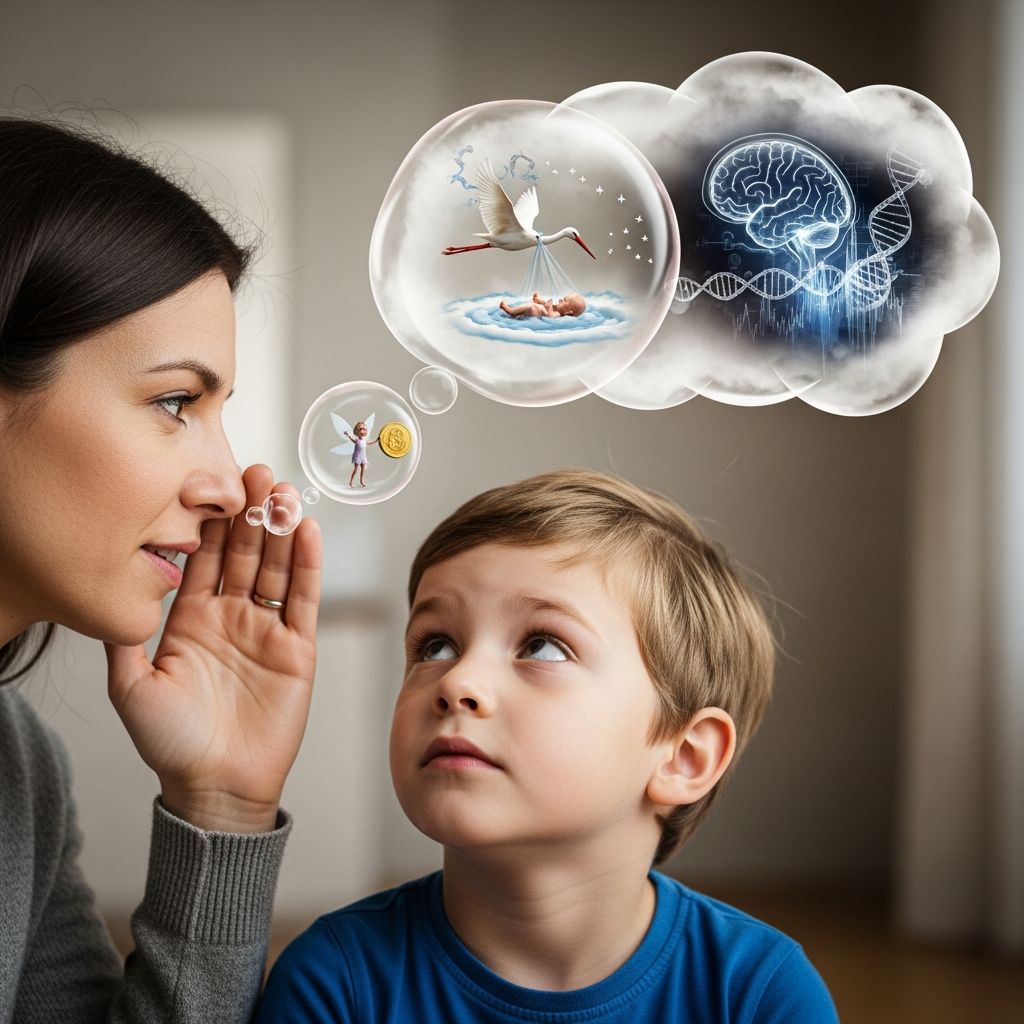
Young children frequently repeat seemingly random phrases, slang terms, or numbers like “67” in a loop, baffling parents and teachers alike. This behavior stems from a mix of natural language development, social dynamics, and the viral nature of modern media trends.
The Natural Roots of Repetition in Early Childhood
Repetition plays a foundational role in how children acquire language skills. From infancy, toddlers mimic sounds and words they hear, a process known as echolalia, which aids in processing and internalizing speech patterns. This automatic echoing helps bridge the gap between hearing language and producing it independently, typically peaking between ages 18 months and 3 years before fading as vocabulary expands.
During this phase, children experiment with phonetics and rhythm. Short, punchy phrases require minimal cognitive effort, making them ideal for practice. For instance, numeric sequences like “6-7” offer rhythmic appeal and low processing demands, embedding easily in young minds.
- Immediate echolalia: Repeating words right after hearing them, common in play or conversation.
- Delayed echolalia: Recalling and reusing phrases hours or days later, often from media or peers.
- Mitigated echolalia: Slightly altering heard words to fit personal expression.
These types illustrate how repetition evolves from rote imitation to creative adaptation, fostering communication confidence.
Social Bonding Through Shared Nonsense
Beyond development, repetition serves as social glue among peers. Children use viral slang as a form of normative social influence, aligning with the group to secure acceptance and avoid exclusion. Phrases like “67,” originating from music tracks such as rapper Skrilla’s “Doot Doot (6 7),” spread rapidly via social media and classrooms, becoming badges of belonging.
This mirrors historical patterns: every generation crafts unique lingo to assert independence from adults. Boomers had “groovy,” Gen X embraced “rad,” and today’s youth favor “brain rot” terms like skibidi or rizz. Such language creates an “in-group” dynamic, where echoing phrases signals insider status and sparks laughter.
| Generation | Iconic Slang Examples | Purpose |
|---|---|---|
| Gen Alpha (2010s+) | 67, skibidi, brain rot | Quick social currency, rebellion against adults |
| Gen Z (1997-2012) | Yeet, rizz, cap | Online virality, irony |
| Millennials (1981-1996) | Swag, lit, YOLO | Pop culture memes |
| Gen X (1965-1980) | Rad, gnarly, whatever | Counterculture identity |
The table highlights how repetition of low-effort, rhythmic terms persists across eras, driven by the need for peer validation.
The Role of Media and Cognitive Fluency
Digital platforms amplify this phenomenon. TikTok videos, songs, and memes propel nonsense phrases into everyday speech, leveraging cognitive fluency—the ease with which familiar stimuli are processed. Repetition in content increases stickiness; hearing “67” in loops across videos makes it a default response for humor or filler.
“Brain rot,” a term for obsessive consumption of low-value, repetitive online content, exemplifies this. Children exchange these phrases as social currency, even offline, mimicking earworm jingles like McDonald’s “I’m lovin’ it.” This isn’t intellectual laziness but a brain break amid overstimulation, providing rhythmic relief.
Psychologically, such fluency reduces mental load during high-energy social interactions. Short phrases demand little thought, allowing kids to focus on fun and connection rather than articulation.
When Repetition Signals Something More
While common, persistent echolalia past age 3 or in atypical patterns may indicate underlying issues. In autism spectrum disorder (ASD), up to 80% of verbal individuals exhibit echolalia, using it as a communication tool when original speech is challenging. Unlike typical play, ASD-related repetition often lacks contextual adaptation.
Other factors include ADHD, Tourette syndrome, or stress-induced echoing in adults. Parents should monitor if repetition:
- Persists beyond age 3 without progress.
- Replaces functional communication.
- Occurs with social withdrawal or other developmental delays.
Consulting a pediatrician or speech therapist can clarify if intervention, like cognitive behavioral therapy (CBT) or speech therapy, is needed.
Generational Rebellion and Adult Frustration
Children’s fixation on phrases like “6-7” doubles as mild rebellion. Banning them in classrooms often backfires, fueling the trend as kids exploit inevitable real-world triggers (e.g., math lessons involving those numbers). This “secret code” enhances the thrill of exclusivity, turning adult annoyance into validation.
Experts view it positively: amid bullying, academic pressure, and global anxieties, silly phrases promote levity and resilience. As one observer noted, focusing on harmless fun reminds adults to “lighten up.”
Parental Strategies for Navigating the Echo Chamber
Parents can engage without stifling growth:
- Join selectively: Use phrases playfully to build rapport, modeling balanced language.
- Encourage variety: Introduce books, conversations, and games expanding vocabulary.
- Set boundaries: Limit disruptive repetition in structured settings, explaining why calmly.
- Monitor media: Curate screen time to diverse, enriching content reducing brain rot reliance.
- Observe patterns: Track if repetition links to stress or development; seek professional input if concerned.
These steps harness repetition’s benefits while guiding toward mature expression.
Expert Insights on Long-Term Impacts
Research affirms that transient slang obsession refines social skills and linguistic agility. Conformity experiments, like Solomon Asch’s line studies, underscore how group alignment fosters empathy and adaptability—key for adulthood. Temporary “brain rot” phases rarely impede cognitive growth, evolving into sophisticated communication.
For most, it’s a rite of passage. Persistent cases benefit from early therapy, with high success rates in speech development.
Frequently Asked Questions
Is repeating slang like ’67’ a sign of a problem?
No, it’s typically normal social and developmental play. Consult a doctor if it persists past age 3 or hinders communication.
What causes brain rot phrases to go viral among kids?
Short, rhythmic terms spread via media, offering easy social bonding and cognitive ease.
How does echolalia differ in typical kids vs. those with autism?
Typical echolalia fades by age 3 and aids learning; in ASD, it may endure as a primary communication method.
Should parents ban classroom disruptions from slang?
Bans often amplify trends. Focus on context and engagement instead.
Can media limits reduce repetition?
Yes, balanced exposure promotes diverse language over rote memes.
References
- Why Are The Youths Saying “67”? A Psychology Lesson on Viral Slang — Alex Brouhard. 2024. https://alexbrouhardedu.substack.com/p/why-are-the-youths-saying-67-a-psychology
- What Is Brain Rot? A Guide for Parents — Bark.us. 2024. https://www.bark.us/blog/what-is-brainrot/
- Echolalia: Causes, Symptoms, Types, Diagnosis, and Treatment — WebMD. 2024-10-17. https://www.webmd.com/parenting/what-is-echolalia
- Echolalia: What It Is, Causes, Types & Treatment — Cleveland Clinic. 2024. https://my.clevelandclinic.org/health/symptoms/echolalia
- Kids are hollering ‘6-7’ in the classroom. Here’s what it means — Los Angeles Times. 2025-10-17. https://www.latimes.com/california/story/2025-10-17/what-does-6-7-mean-viral-trend-in-classrooms