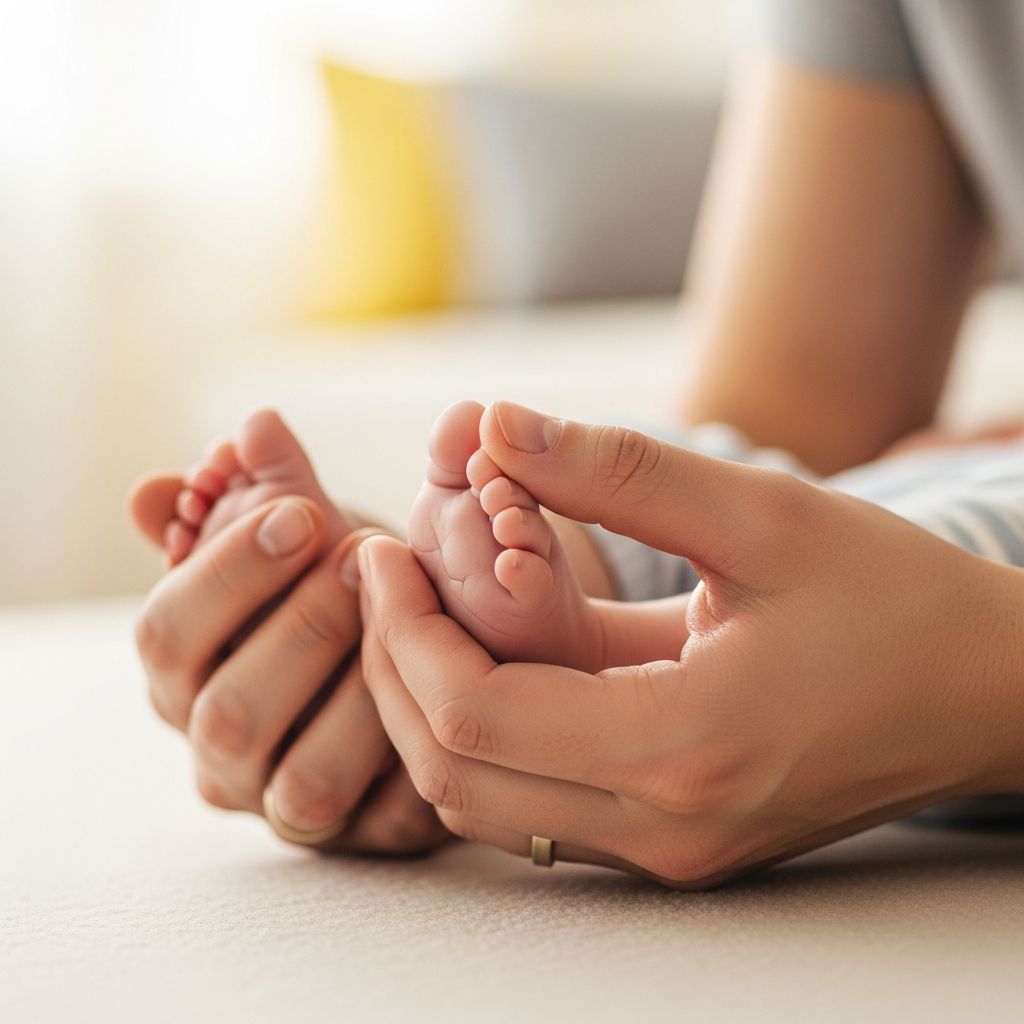
Becoming a father is often described as life-changing, but for many men it also feels body-changing. New research suggests that in the months surrounding a baby’s arrival, men experience shifts in hormones, brain wiring, sleep patterns, and emotional life that can resemble a kind of second puberty. It does not replace adolescence, and it is not a formal medical diagnosis, but it captures how intense and disorienting this phase can feel.
This article explores what happens to men biologically and psychologically as they enter fatherhood, why these changes matter, and how new dads can care for themselves while caring for a newborn.
What People Mean by “Second Puberty” in Men
In popular language, second puberty refers to later-life hormone and body changes that echo teenage puberty. For men, the most studied biological transformation is the gradual decline in testosterone and other age-related hormonal shifts often called andropause or age-related low testosterone.
New fatherhood is different. The shifts are:
- Triggered by life events — especially partner pregnancy, birth, and early caregiving.
- More rapid — occurring over months instead of decades.
- Focused on caregiving — many changes appear designed to promote bonding and protect the infant.
Because of the sudden mood swings, sleep disruption, body changes, and identity upheaval, many men describe this time as feeling like they are “going through puberty again” — only this time while holding a baby.
Hormonal Changes in New Dads
Several peer-reviewed studies show that men’s hormone levels shift when they become fathers and when they actively care for their infants.
| Hormone | Typical Direction of Change in New Dads* | Possible Effects |
|---|---|---|
| Testosterone | Often decreases compared with non-fathers or pre-baby levels | Less focus on mating, more focus on caregiving; may affect libido, energy, and mood |
| Prolactin | May increase, especially with hands-on caregiving and infant contact | Supports nurturing behavior and sensitivity to infant cues |
| Cortisol | Often rises around the time of birth and with sleep disruption | Heightened alertness, but also more stress and irritability |
| Oxytocin | Rises with physical contact (holding, skin-to-skin, play) | Strengthens bonding, warm feelings toward the baby and partner |
*Patterns vary between individuals and are influenced by culture, health, stress, and involvement with caregiving.
Why Testosterone Often Drops
Long-term population studies suggest that men who become fathers have, on average, lower testosterone than childless peers of the same age. This is likely an evolutionary adaptation: lower testosterone may decrease the drive to seek new partners and increase sensitivity to infant needs, encouraging men to stay close and invested in their family.
However, when testosterone falls too low or drops alongside other stressors, some men may experience symptoms similar to those seen in clinical hypogonadism: low libido, less energy, depressed mood, or increased body fat. In those cases, a medical evaluation is important to distinguish normal fatherhood-related shifts from a hormone disorder.
Stress, Cortisol, and Sleep Deprivation
Newborns disrupt adult sleep cycles. Studies on sleep and hormones show that even modest sleep restriction can alter testosterone, cortisol, and metabolic hormones in men. For new dads, common experiences include:
- Fragmented sleep and short nights.
- Higher baseline stress and “on alert” feelings.
- Increased irritability, anxiety, or feeling overwhelmed.
These experiences do not mean anything is “wrong” with you. They are part of the biological cost of caring for a helpless infant while trying to keep your work and relationship afloat.
How the New Dad Brain Adapts
Neuroscience research using brain imaging has shown that new fathers, like new mothers, develop changes in brain regions linked to empathy, threat detection, and planning for the infant’s needs. While the evidence base is still emerging, several patterns are becoming clear:
- Increased activation in areas tuned to the baby’s cries, facial expressions, and body language.
- Stronger reward responses when seeing or interacting with the baby, especially with hands-on caregiving.
- Changes over time — the more involved a father is day-to-day, the more pronounced some of these brain changes appear.
In other words, repeatedly comforting, feeding, and playing with your baby is not only good for them — it is physically rewiring you.
Physical Shifts: Body, Energy, and Health
Beyond hormones and brain changes, becoming a father can bring noticeable physical shifts. Some reflect aging or lifestyle; others may be linked to hormonal patterns similar to those seen in so-called second puberty later in life.
Common Physical Experiences in Early Fatherhood
- Weight changes — Irregular meals, snack-based diets, and less exercise can lead to weight gain, particularly around the midsection.
- Reduced muscle tone — Less time for structured workouts can cause a loss of strength or fitness.
- Fluctuations in libido — Hormone changes, fatigue, and relationship stress can all affect sexual desire.
- More aches and pains — Constantly lifting, rocking, and carrying a baby in awkward positions can strain the back, neck, and shoulders.
These changes may feel similar to some aspects of midlife “second puberty” described in medical literature — slower metabolism, shifts in body composition, and more effort required to maintain fitness.
Emotional and Identity Upheaval
Puberty is not only about hormones; it is also a major identity transition. Early fatherhood works the same way. Men who see themselves as calm, logical, or independent may be surprised by intense surges of emotion, new vulnerabilities, or a sense of disorientation.
Emotions New Dads Commonly Report
- Joy and awe at the baby’s existence and milestones.
- Fear about keeping the baby safe or providing financially.
- Guilt for wanting breaks, not feeling bonded right away, or being at work.
- Resentment over lost freedom, sleep, or changes in the relationship.
- Loneliness if social life shrinks or support feels limited.
When these feelings are intense and prolonged, they can blend into clinical depression or anxiety. Large studies indicate that a meaningful minority of men develop postpartum depression symptoms in the first year after birth, especially if the mother is also depressed or if social stressors are high.
Sex, Intimacy, and Partnership Changes
For many couples, the postpartum months are the most challenging period in their relationship since early dating or early cohabitation. Biology, logistics, and emotions all collide:
- Hormonal mismatch — A dad’s testosterone may be lower, while a birthing partner may be recovering physically and hormonally from pregnancy and birth.
- Exhaustion — Both partners are often depleted, making sex feel like work rather than relaxation.
- Body image — Both may feel less comfortable in their bodies after pregnancy and new-dad weight changes.
- New roles — Resentment can build if one partner feels overburdened by caregiving or household tasks.
Talking openly about expectations, touch that is not goal-focused on sex, and sharing night or caregiving duties can reduce tension and help intimacy gradually return.
Is It Hormones or a Medical Problem?
Some discomfort in this “second puberty” of fatherhood is expected. Yet certain patterns signal the need for professional evaluation. Medical organizations emphasize that persistent low energy, low sex drive, and low mood in men can sometimes reflect underlying hormonal or health conditions rather than just life stress.
Warning Signs to Discuss With a Clinician
- Depressed mood or loss of interest in activities most days for more than two weeks.
- Thoughts of self-harm or feeling that your family might be better off without you.
- Ongoing trouble getting or maintaining an erection.
- Markedly reduced sex drive that does not improve with more sleep or reduced stress.
- Unintentional significant weight gain or loss.
- Persistent extreme fatigue not explained by normal newborn sleep disruption.
A healthcare provider can screen for conditions such as male hypogonadism (testosterone deficiency), thyroid problems, sleep apnea, and depression using history, physical exam, and laboratory testing. Appropriate treatment depends on the cause and may include lifestyle changes, psychotherapy, or medications.
Practical Strategies to Ride Out This “Second Puberty”
New fathers cannot eliminate hormone shifts or sleep loss, but they can blunt the impact by adopting small, realistic habits. Evidence from men’s health and mental health research points to several helpful strategies.
Protect the Basics: Sleep, Food, Movement
- Sleep in shifts when possible — Agree on who covers which hours to ensure each partner gets at least one longer stretch of rest.
- Keep simple, healthy food on hand — Pre-cut vegetables, nuts, yogurt, and frozen meals are better than relying only on fast food.
- Move daily — Even 10–20 minutes of walking, stretching, or light strength work can stabilize mood and energy.
Stay Connected Instead of Isolated
- Talk to other dads — Informal conversations or father groups can normalize your experience.
- Share feelings with your partner — Frame it as working as a team, not blaming.
- Use digital mental health tools — Evidence-based apps or telehealth therapy can be more accessible when schedules are chaotic.
Plan Small, Sustainable Self-Care
- Choose one non-negotiable — A daily shower, a 15-minute walk, or 10 minutes of reading can remind you that you still exist beyond the parenting role.
- Practice brief relaxation — Slow breathing, short mindfulness exercises, or listening to calming audio can reduce stress hormones.
- Set boundaries with work when feasible — If possible, use parental leave or negotiate flexible hours to reduce overload during the most intense months.
Reframing the Experience: Growth, Not Regression
It is tempting to describe this time as “falling apart” or “losing yourself.” Another way to view it is as a profound period of growth and reorganization, similar to adolescence but oriented toward caregiving rather than independence.
Key mindset shifts that can help include:
- Expecting change — Recognize that your body, emotions, and priorities should feel different; that is the point.
- Allowing ambivalence — You can love your child and also miss your old life.
- Leaning into learning — Every meltdown, conflict, or sleepless night is also data about what your family needs next.
Frequently Asked Questions (FAQs)
Q: Is this “second puberty” in new dads a real medical condition?
A: No. “Second puberty” is a popular phrase, not an official diagnosis. However, it loosely describes real hormonal, neurological, and psychological changes that occur around new fatherhood. Some men also develop medical issues such as depression or low testosterone during this time, which are recognized conditions and can be treated.
Q: How long do these changes usually last for new fathers?
A: Hormone shifts linked to new fatherhood can be detected for months or even years, but the most intense period is typically the first 6–12 months after birth. Sleep stabilizing, improved routines, and increased confidence in parenting usually make the experience feel less turbulent over time.
Q: Can becoming a dad permanently lower my testosterone?
A: Large studies have found that fathers tend to have lower average testosterone than same-age non-fathers, particularly if they are highly involved in daily care. For most men, this decrease is modest and not harmful. If you notice persistent symptoms of low testosterone, such as very low libido, erectile problems, or extreme fatigue, a clinician can evaluate for clinically significant hypogonadism.
Q: How do I know if what I’m feeling is normal stress or postpartum depression?
A: Short-term irritability, worry, and fatigue are common. When low mood, hopelessness, or loss of interest in usual activities persists most days for more than two weeks, or when you have thoughts of self-harm, it is important to seek professional help. Mental health guidelines recognize that fathers, as well as mothers, can experience perinatal depression and may benefit from therapy or other treatments.
Q: What is one practical step I can take this week to feel better?
A: A realistic place to start is improving sleep by even 30–60 minutes per night. That might mean going to bed earlier, trading night duties with your partner, or napping when the baby naps on days off. Better sleep supports hormone regulation, mood, and decision-making, making other challenges easier to manage.
References
- Male hypogonadism: Symptoms & causes — Mayo Clinic Staff. 2022-02-24. https://www.mayoclinic.org/diseases-conditions/male-hypogonadism/symptoms-causes/syc-20354881
- Is Second Puberty Real? What the Term Means and How It Affects You — Healthline. 2022-08-15. https://www.healthline.com/health/second-puberty
- “Second Puberty” in Adults — CARE Counseling. 2021-06-10. https://care-clinics.com/second-puberty-in-adults/
- Male reproductive aging: The role of testosterone — Harvard Health Publishing. 2019-01-01. https://www.health.harvard.edu/mens-health/the-changing-face-of-menopause-and-andropause
- Perinatal Depression: Prevalence, Screening and Management — American Psychological Association. 2021-05-10. https://www.apa.org/pi/women/resources/reports/postpartum-depression