The ballet documentary First Position follows a group of dedicated young dancers as they chase scholarships and professional opportunities, revealing how art, pressure, and childhood collide on the stage of a major international competition.
What First Position Is Really About
On the surface, First Position is a film about ballet, but at its core it is a story about what it means for children and teenagers to invest everything in a dream long before adulthood. The documentary tracks several young dancers over months of training as they prepare for a prestigious competition where a few minutes onstage can determine scholarships, contracts, and the next steps of their lives.
Instead of focusing on ballet as an elite or inaccessible art form, the film emphasizes the emotional realities of the kids and families involved: early mornings, aching muscles, financial sacrifices, and the quiet moments of doubt that come with pushing so hard, so young. Viewers are invited not just to admire the technique, but to consider what it costs to aim for excellence in any competitive field.
The Children Behind the Costumes
One of the most striking aspects of the documentary is how quickly the dancers stop feeling like distant prodigies and start feeling like real kids viewers might know from school, the neighborhood, or their own families. Each dancer has quirks, fears, and hobbies that exist beyond ballet, reminding audiences that under every polished performance is a child trying to balance passion with the simple desire to be a kid.
Their personalities range from shy and introspective to exuberant and charismatic, yet they all share a fierce determination that often surprises viewers who may underestimate what children can withstand and pursue. The film also offers brief glimpses of their lives offstage—doing homework, dealing with teasing, or joking around—creating a contrast with the poised, almost adultlike composure they show in the studio.
- Students navigating both intense training schedules and regular school obligations.
- Families negotiating between supporting a dream and protecting their child’s well-being.
- Young dancers wrestling with self-doubt, perfectionism, and stage fright.
Ballet, Discipline, and the Demands of Perfection
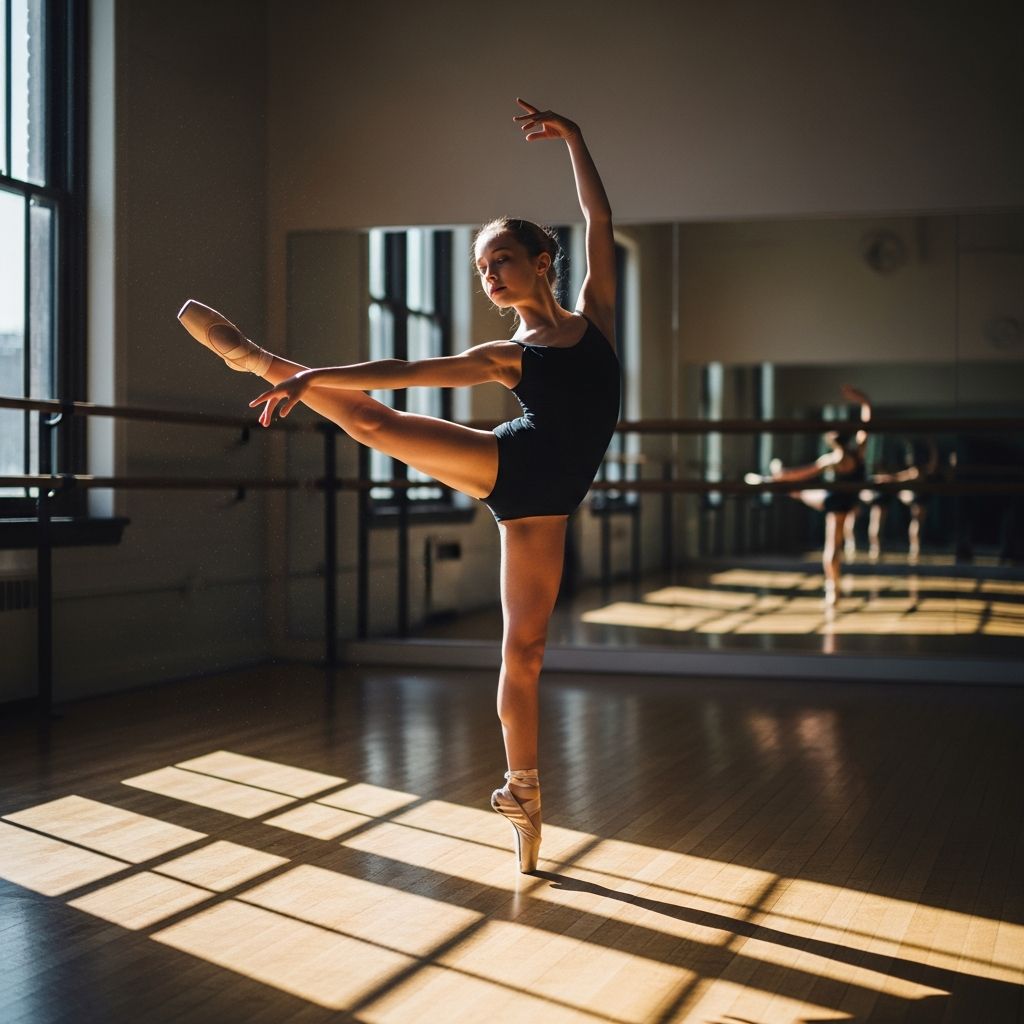
Ballet in the documentary appears both beautiful and unforgiving, and this duality is central to its emotional impact. The camera lingers not only on seamless pirouettes and soaring jumps, but also on bandaged toes, cramped muscles, and the repetitive drills that rarely make it onto glossy performance posters.
The young dancers live with a relentless cycle: train, correct, repeat. Their teachers often push them with tough corrections and uncompromising expectations, not out of cruelty, but because the competition they are preparing for is brutally selective. Viewers unfamiliar with ballet discover that this art form demands the physical resilience of a high-performance sport combined with the emotional vulnerability of theater.
- Daily routines span stretching, strengthening, technique classes, and rehearsal of solos.
- Minor injuries are treated as inconveniences rather than reasons to pull back.
- Perfect lines, pointed feet, and tiny technical details can mean the difference between scholarship and rejection.
The High-Stakes World of Youth Ballet Competition
The competition at the center of the film functions as both a goal and a looming threat. Dancers travel to regional rounds where hundreds of hopefuls perform variations in the hopes of being invited to the finals. By the time they reach the main stage, the stakes are clear: a single misstep can alter the trajectory of training that has defined their childhoods.
Yet, even amidst the tension, the competition environment crackles with energy and camaraderie. The waiting wings, the hushed backstage whispers, and the sea of sequins and warm-up gear highlight that this is not just an exam; it is a gathering of kids who understand each other’s obsession in ways their non-dancer peers might not. Families, meanwhile, sit in the audience holding their breath, fully aware that a panel of judges will condense years of work into a few lines on a scoring sheet.
Family, Sacrifice, and Support
While the dancers’ talent is front and center, the film also quietly portrays the enormous role that families play in sustaining such a demanding pursuit. Parents drive long distances to rehearsals, sew costumes, manage tuition payments, and encourage their children through tears, disappointments, and growth spurts that can disrupt technique.
Some families juggle multiple jobs to keep up with costs, while others relocate or adjust their schedules entirely around competition calendars. This raises important questions for viewers about privilege, opportunity, and how far a family should reasonably stretch to support a child’s dream. The documentary does not lecture, but it does make visible the invisible labor—financial, emotional, logistical—that underpins a seemingly effortless dance onstage.
| Area | What Audiences See | What Families Experience |
|---|---|---|
| Performance | Graceful, polished routines under theatrical lights. | Months of rehearsals, travel, and scheduling around school and work. |
| Training | Short rehearsal clips and classroom corrections. | Tuition payments, private lessons, transportation, and time away from siblings or other activities. |
| Costuming | Beautiful tutus, leotards, and stage makeup. | Budgeting for costumes, alterations, and shoes that wear out quickly. |
| Emotional Load | Smiles and nervous excitement before stepping onstage. | Coaching through anxiety, disappointment, and high expectations. |
Every Pirouette Has a Price: The Emotional Landscape
One of the film’s strengths is how it portrays emotional complexity without reducing the story to either inspiration or tragedy. The dancers experience exhilaration when they nail a difficult combination, but also anxiety, jealousy, and fear of failure when they compare themselves to peers or face a tough critique.
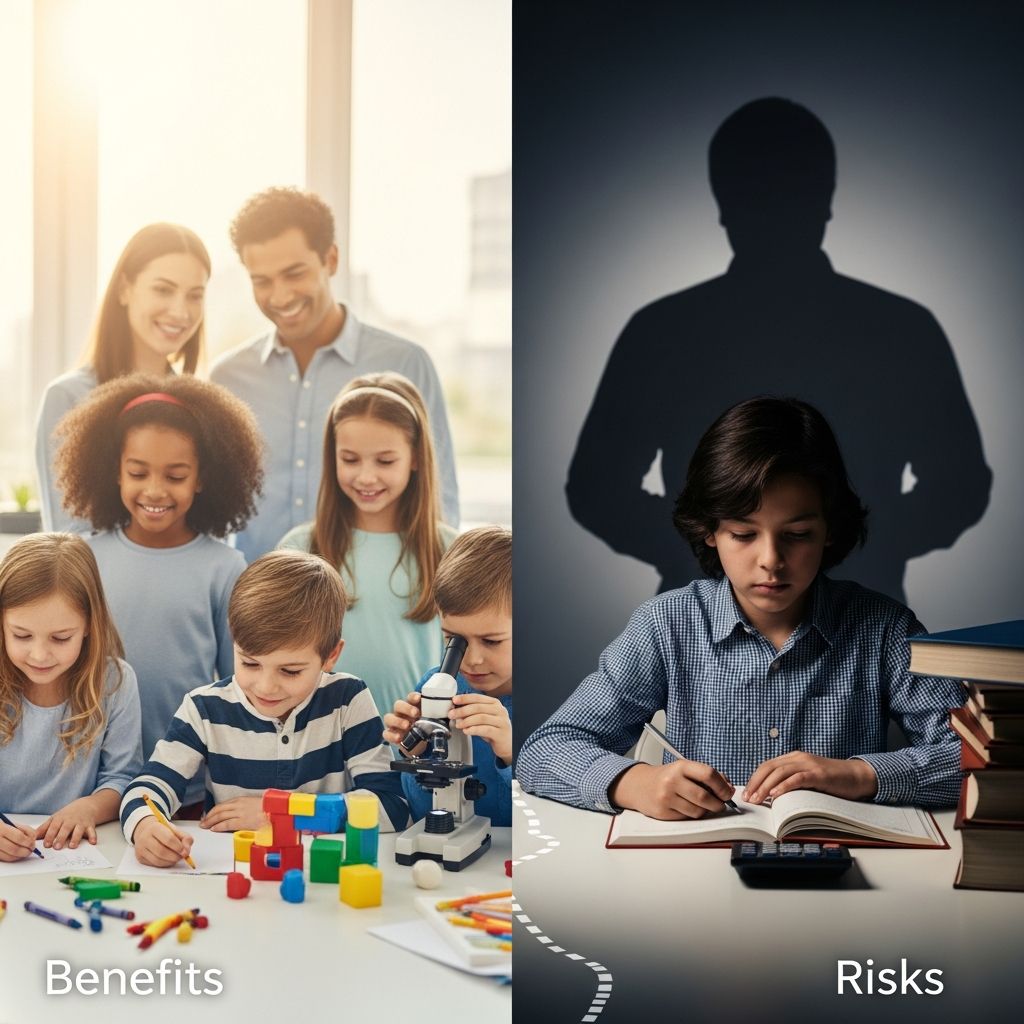
Parents and viewers alike may be left wondering how much pressure is too much, and whether kids can fully consent to a level of intensity they may not yet understand. The documentary does not offer a single answer, but it does encourage audiences to reflect on the balance between healthy challenge and overwhelming stress in any childhood passion—whether ballet, music, sports, or academics.
- Moments of self-doubt occur even among the most talented students.
- Peer comparison can enhance motivation yet also fuel insecurity.
- Success onstage does not erase the emotional toll of the journey.
Representation, Diversity, and Breaking Ballet Stereotypes
Ballet has often been criticized for narrow beauty standards and a lack of visible diversity, and the documentary pushes against this by spotlighting dancers from a variety of racial, cultural, and socioeconomic backgrounds. Audiences meet children whose paths to ballet are anything but uniform, including those who came to the art from challenging circumstances and those who found it through unexpected opportunities.
The film also challenges tired stereotypes about male dancers by showing boys who are strong, athletic, and fully aware of the social teasing that can come with choosing ballet. Instead of shying away from those realities, the documentary frames them as obstacles that are confronted and overcome, reinforcing the idea that artistry and athleticism transcend outdated assumptions about gender.
Is First Position Right for Your Family?
For families considering watching the documentary together, the primary questions tend to be about age-appropriateness and emotional content. The film contains no graphic material or adult themes in the conventional sense, but it does depict intense pressure, physical pain related to training, and emotionally charged moments surrounding competition results.
Many school-age children and tweens who have interests in dance, sports, or music may find the film inspiring and relatable, while very young viewers might simply enjoy the movement and costumes without fully grasping the stakes. Parents who prefer to shield their children from competitive stress may wish to watch first and decide whether the tone aligns with their family’s approach to ambition and performance.
- Best suited for elementary-aged children with strong interests and for tweens/teens.
- Useful as a conversation starter about hard work, failure, and resilience.
- May resonate powerfully with kids already involved in demanding activities.
Guided Questions to Discuss With Kids
Watching First Position as a family can be more meaningful when followed by an open conversation, especially about the pressures and choices the dancers face. Rather than steering toward a single moral, parents can invite children to share their interpretations and feelings about what they saw.
These discussion prompts can turn a viewing into an opportunity to talk about values, boundaries, and self-care—topics that apply far beyond the world of ballet. They can also help kids process any anxiety the film might stir up about their own goals or activities.
- “What do you think the dancers gain from working so hard, and what do they give up?”
- “Did anything about their daily routines surprise you?”
- “How would you feel if one performance could affect your future plans?”
- “Do you think the pressure they feel is worth it? Why or why not?”
- “If you had a big dream like theirs, what kind of support would you hope for from adults?”
Using the Film as Inspiration, Not a Blueprint
It is easy for young viewers—especially budding dancers—to see the documentary as a roadmap they must follow to be legitimate or successful. Adults can help frame the movie instead as one example of what dedication can look like, rather than a universal standard. Every child’s path, tolerance for pressure, and relationship to their hobby or art is different.
Families can emphasize that joy, health, and long-term well-being matter more than medals or contracts. The discipline seen on screen may be impressive, but it becomes truly meaningful only when it is balanced with rest, play, friendships, and a sense of identity that is not wholly defined by a single achievement.
Practical Tips for Parents of Passionate Kids
Parents who recognize aspects of their own children in the dancers—drive, sensitivity, perfectionism—may come away from the documentary with mixed emotions: pride in what kids can accomplish and concern about how to protect them from burnout. A few guiding principles can help families navigate intense extracurriculars more thoughtfully.
- Watch for signs of joy as well as signs of strain. Occasional frustration is normal, but constant dread or tears may signal that expectations need adjustment.
- Build in non-negotiable rest. Even highly motivated kids benefit from downtime free of practice, critique, or performance goals.
- Keep communication open. Invite honest conversations about whether your child’s dream still feels like their own, not just something they think adults expect.
- Celebrate effort, not just outcomes. Focus praise on courage, consistency, and kindness rather than scores or rankings.
- Model balance. Children learn from how adults handle work, rest, and disappointment in their own lives.
Frequently Asked Questions About First Position
Is this documentary suitable for young children? There is no explicit language or content, but the emotional intensity and physical pain shown may be better suited to older elementary-age children and up, particularly those already interested in dance or performance. Will the film interest viewers who do not care about ballet? Even for those unfamiliar with the art form, the universal themes of dedication, family sacrifice, and growing up under pressure can be compelling, similar to documentaries about youth sports or academic competitions. Does the film glamorize extreme training? While the documentary certainly highlights the beauty of high-level ballet, it also shows injuries, tears, and exhaustion, leaving room for viewers to question whether the trade-offs are always justified. Can this movie discourage kids who love dance? Some children may feel overwhelmed by the level of difficulty portrayed, which is why it can help to watch together and emphasize that there are many fulfilling ways to enjoy dance without competing at such an intense level. What should families talk about after watching? Conversations might explore how ambition feels, what healthy support looks like, and how to set goals that honor both dreams and limits, encouraging kids to define success in a way that includes happiness and health.
Final Thoughts: Grace Under Pressure
First Position offers a rare, close-up view of what it takes for children to chase excellence in a demanding art form, revealing a world where adorable stage smiles coexist with grueling practice and very adult choices. For families, it can serve as both entertainment and a catalyst for conversations about ambition, balance, and the many forms that success can take.
Whether viewers leave the film newly obsessed with ballet or simply more aware of what stands behind any polished performance, they are likely to carry away a deeper appreciation for the courage it takes to step into the spotlight long before childhood is over. In that sense, the documentary becomes less about perfect technique and more about the human story of learning who you are while reaching for something just out of reach.