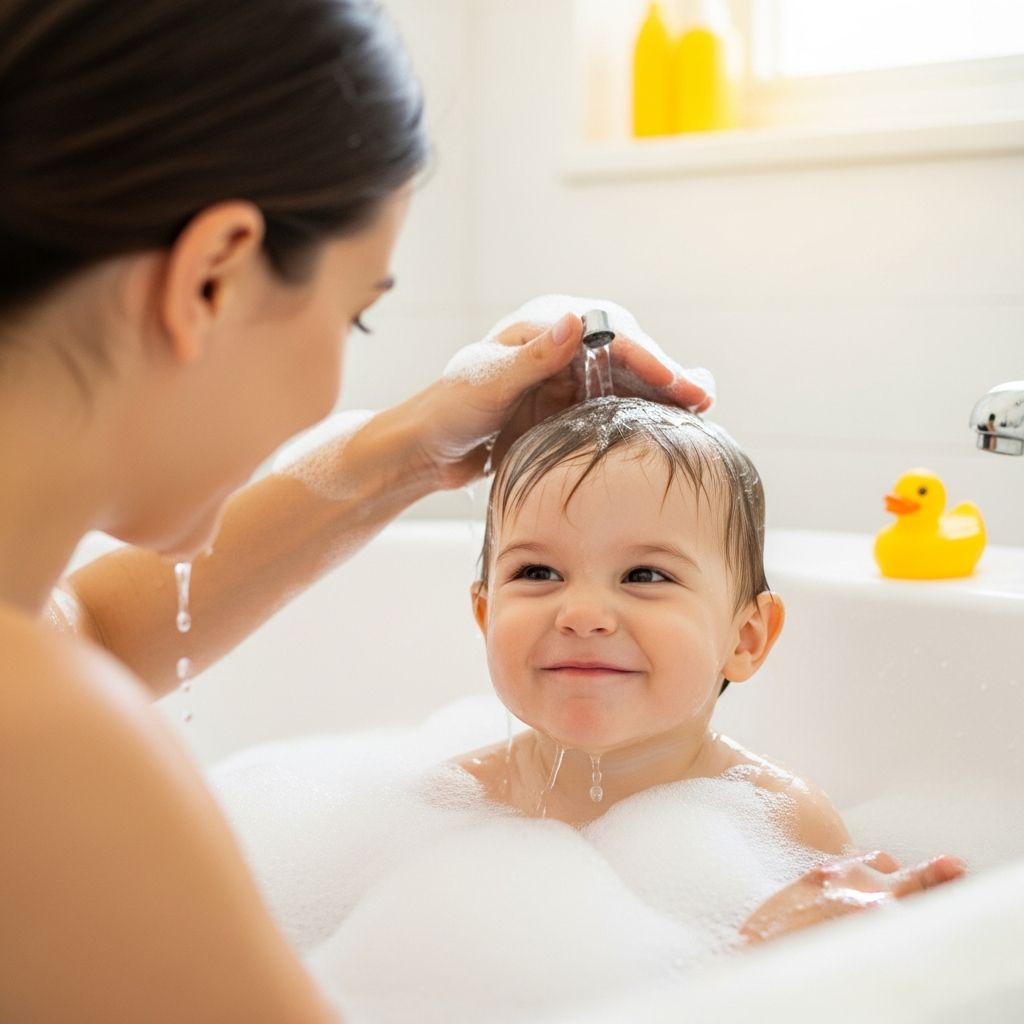
Few parenting moments feel more startling than watching your child happily splash in the bath and suddenly realizing there is pee or poop in the water. It is messy, inconvenient, and often happens right when you thought the day was winding down peacefully. The good news: this is extremely common, usually temporary, and can become a useful learning opportunity rather than a crisis.
This guide explains why kids pee or poop in the tub, what to do the moment it happens, how to clean safely, and how to gently nudge your child toward using the toilet instead—without shame, fear, or power struggles.
Why Bath-Time Accidents Happen
Bath-time pee and poop are almost never about defiance or laziness. They are usually the result of normal child development, body sensations, and timing.
Common reasons children pee or poop in the bath
- Warm water relaxes muscles: Warm water can relax the pelvic floor and bladder muscles, making it easier for urine to flow without much conscious control.
- Body awareness is still developing: Many toddlers have not fully learned to recognize early signals from the bladder and bowel or to react quickly enough to get to a toilet.
- They feel safe and comfortable: The bath is warm, familiar, and relaxing. Some children only feel comfortable letting go in places where they feel very secure, and the tub can become one of those places.
- Curiosity and experimentation: Young children are naturally curious about their bodies and what comes out of them. Seeing poop in the water can be shocking for adults, but for a child it can be an interesting discovery.
- Potty training is in progress: During toilet learning, kids often have accidents in all contexts—car seats, playtime, and yes, the bath. Consistency comes later in the process, not at the very beginning.
- Timing overlaps with their natural schedule: Many children tend to poop at roughly the same time each day. If that time overlaps with their usual bath, the tub simply becomes the place where their body does what it normally does.
What is normal and when to worry
Occasional pee or poop in the tub is usually harmless and developmentally typical. There are only a few reasons to check in with a pediatrician:
- Frequent constipation or very hard stools, pain during bowel movements, or streaks of blood.
- Persistent refusal to poop anywhere except in the bath or diaper despite being well past toilet-training age.
- Signs of urinary tract issues such as pain with peeing, fever, or very frequent small amounts of urine.
If you notice any of these, a pediatric or family doctor can rule out medical causes and provide guidance.
What To Do the Moment It Happens
Your reaction in the first few seconds teaches your child how to feel about their body and bathroom needs. Staying calm is far more important than saying the perfect words.
Step-by-step response to poop in the tub
- Keep your face neutral and voice steady. Take a breath. Kids scan your expression to decide if something is terrifying, funny, or no big deal.
- Gently remove your child from the tub. Lift them out slowly and place them on a bath mat or towel so they do not slip.
- Wipe your child first. Use wipes or toilet paper to clean their bottom and legs so they do not track stool.
- Drain the tub completely. Let the dirty water go before you attempt any cleaning.
- Remove any stools with toilet paper or a disposable scoop. Put the poop into the toilet and flush.
- Rinse the tub. Use warm water to rinse out visible residue.
- Clean with a bathroom-safe disinfectant. Use a product suitable for surfaces that contact skin, following label instructions for contact time and ventilation.
Step-by-step response to pee in the tub
Urine in bathwater is less hazardous than feces, but it is still reasonable to refresh the water if your child has visibly peed:
- Calmly say something like: “Looks like you peed. Pee belongs in the potty.”
- Drain the water if it is very cloudy or you prefer a fresh bath.
- Rinse your child quickly, refill with clean water if needed, and continue the bath.
What to say in the moment
Simple, neutral language works best. Health organizations recommend using clear words like pee, poop, and potty as part of normal conversation so kids can communicate their needs.
You can try phrases like:
- “You pooped in the tub. Poop goes in the toilet. Next time we’ll try to get it into the potty.”
- “Your body needed to go. Let’s get you cleaned up.”
- “When you feel poop trying to come, you can say ‘I need potty!’ and we’ll help you.”
Supporting Potty Learning Around Bath Time
If your child regularly pees or poops during baths, you can gently adjust routines so the tub is less likely to be the place where they go. Many evidence-informed potty-training approaches emphasize readiness, routine, and positive reinforcement instead of pressure or punishment.
Try a “bathroom stop” before the tub
Create a consistent pre-bath routine:
- Ask your child to sit on the potty or toilet before the bath, even if they say they do not need to go.
- Keep it relaxed: read a short page from a book or sing a song while they sit for a minute or two.
- Offer praise for trying, not just for success: “Nice job sitting on the potty before bath.”
Watch for your child’s personal signals
Children often show subtle signs that they are about to pee or poop, such as:
- Sudden stillness or stopping play
- Hiding behind objects or turning away
- Grunting, straining, or making faces
- Grabbing their genitals or crossing their legs
During bath time, if you see these signs, cheerfully say something like: “Looks like your body might need to go. Let’s hop out and try the potty.”
Make the toilet comfortable and accessible
Children are more likely to use the toilet consistently when it feels safe, easy to reach, and non-threatening.
- Add a child-sized seat or potty chair near the bathroom your child uses most.
- Use a stable step stool so they can get onto the toilet and rest their feet for balance.
- Keep the bathroom warm and well-lit, especially around bath time, so it doesn’t feel cold or scary compared with the tub.
Use positive reinforcement, not pressure
Research and expert guidance on toilet training emphasize encouragement, patience, and avoiding punishment for accidents.
- Offer specific praise like “You told me you had to go. That really helps.”
- Consider small rewards for using the potty before bath: stickers, an extra song, or choosing a special bath toy.
- Avoid shaming language such as “That’s gross,” or “Big kids don’t do that.”
Keeping Bath Time Emotionally Safe
How you talk about these accidents shapes your child’s long-term feelings about hygiene, their body, and bathroom habits.
Separate the child from the behavior
Focus on what happened, not on who they are:
- Say: “Poop in the water is not safe. We put poop in the toilet.”
- Not: “You’re bad for doing that.”
Children are more open to learning when they feel secure and unjudged.
Turn it into a short, simple lesson
Once your child is clean, you can briefly explain:
- “Poop has germs. Germs can make us sick if they get in the water.”
- “To keep the bath safe, we put poop in the toilet and flush.”
For young kids, keep it to one or two short sentences; repetition over days and weeks will reinforce the message better than a single long lecture.
Hygiene and Safety: Cleaning After an Accident
Poop in bathwater is not a medical emergency, but it does require sensible clean-up to reduce germ exposure. Health guidance on household hygiene generally recommends cleaning visibly soiled surfaces and then disinfecting with an appropriate product.
| Task | Why it matters |
|---|---|
| Remove the child from the water | Prevents further contact with contaminated water and reduces slipping risk. |
| Dispose of poop in the toilet | Flushes feces away through the system designed to handle it. |
| Rinse tub with clean water | Removes visible debris and residue before using cleanser. |
| Clean, then disinfect | Cleaning removes dirt; disinfecting reduces germs on the surface. |
| Rinse again if needed | Ensures cleaning products are not left in a way that irritates skin. |
Always keep cleaning products out of children’s reach, follow label directions for how long disinfectants should stay on surfaces, and ventilate the bathroom while using them.
If It Keeps Happening: Patterns and Gentle Changes
If your child poops in the tub regularly, it is useful to look for patterns and then adjust your routines accordingly.
Questions to ask yourself
- Is bath time always at the same time of day? If their natural bowel schedule coincides with the bath, try moving the bath 30–60 minutes earlier or later.
- Do they often strain or hold stool until the last minute? This may point to constipation or fear of pooping on the toilet; medical and behavioral guidance can help.
- Are they very focused on playing in the water? Kids often ignore internal signals when they are deeply engaged in fun activities.
Strategies that can help reduce repeat accidents
- Schedule a toilet sit 10–15 minutes before bath. This aligns with guidance that regular, relaxed sits support toilet learning for many children.
- Keep early baths short. A shorter bath provides less time for an accident to happen while your child is still building awareness.
- Limit large drinks right before bath. Offer fluids throughout the day, but avoid big cups of water immediately before getting into the tub.
- Reinforce successes. When your child poops in the potty instead of the tub, briefly celebrate the effort: “You used the toilet before bath! Now our bath water stays clean.”
Potty Training and Bath-Time Accidents
Bath-time poop and pee are often part of the wider story of toilet learning. Research suggests that there is no single “best” potty-training method for all children; approaches should respect the child’s readiness and temperament and avoid unnecessary pressure.
Key principles from evidence-informed toilet training
- Look for readiness signs: staying dry for stretches, showing interest in others’ bathroom use, and being able to follow simple directions.
- Use clear, consistent language: words like “pee,” “poop,” and “potty” help children communicate what they need.
- Provide opportunity and practice: regular, calm potty sits throughout the day—including before the bath—help children link body signals to action.
- Avoid punishment: accidents, including in the tub, are expected and should not lead to scolding or humiliation.
Frequently Asked Questions (FAQs)
Q: Is it dangerous if my child poops in the bathtub?
A: Poop in bathwater contains germs, so it is important to remove your child, drain the tub, and clean and disinfect the surface. For a healthy child, occasional exposure is unlikely to cause serious illness, but good hygiene and thorough cleaning help reduce risk.
Q: Should I stop baths altogether if this keeps happening?
A: You generally do not need to stop baths. Instead, adjust the timing, encourage a potty trip right before the bath, keep baths shorter for a while, and respond calmly when accidents occur. If your child becomes anxious about baths, consider temporarily using quick showers or sponge baths while you rebuild their comfort.
Q: Will scolding or punishing my child make them stop?
A: Punishment may stop the behavior in the moment but often increases shame, fear, or secrecy around bathroom needs. Research-informed toilet training approaches stress positive reinforcement and patience rather than scolding, since children learn best when they feel safe and supported.
Q: My child only poops in the bath and refuses the toilet. What can I do?
A: Treat the bath pattern as information, not misbehavior. Offer a relaxed toilet sit before every bath, praise effort, and avoid pressure. If your child seems very anxious about pooping on the toilet or has been constipated, consult your pediatrician for medical assessment and behavioral guidance.
Q: When should I talk to a doctor about bath-time accidents?
A: Contact a healthcare professional if your child has pain with peeing or pooping, frequent constipation or very hard stools, blood in the stool, fever, or if they are significantly older and still refuse to use the toilet for bowel movements. Medical providers can help distinguish normal developmental patterns from problems that need treatment.
References
- Potty training techniques and methods — Parenting Science (G. T. Melvin). 2021-08-01. https://parentingscience.com/potty-training-techniques/
- Potty Training Methods: Which Is Best for Your Child? — Healthline. 2020-09-25. https://www.healthline.com/health/childrens-health/potty-training-methods
- Potty training: How to get the job done — Mayo Clinic Staff. 2022-03-17. https://www.mayoclinic.org/healthy-lifestyle/infant-and-toddler-health/in-depth/potty-training/art-20045230
- Potty training — ERIC (The Children’s Bowel & Bladder Charity). 2023-05-10. https://eric.org.uk/potty-training/
- Potty training methods: Which is best for your child? — Huckleberry. 2021-04-06. https://huckleberrycare.com/blog/potty-training-methods-which-is-best-for-your-child