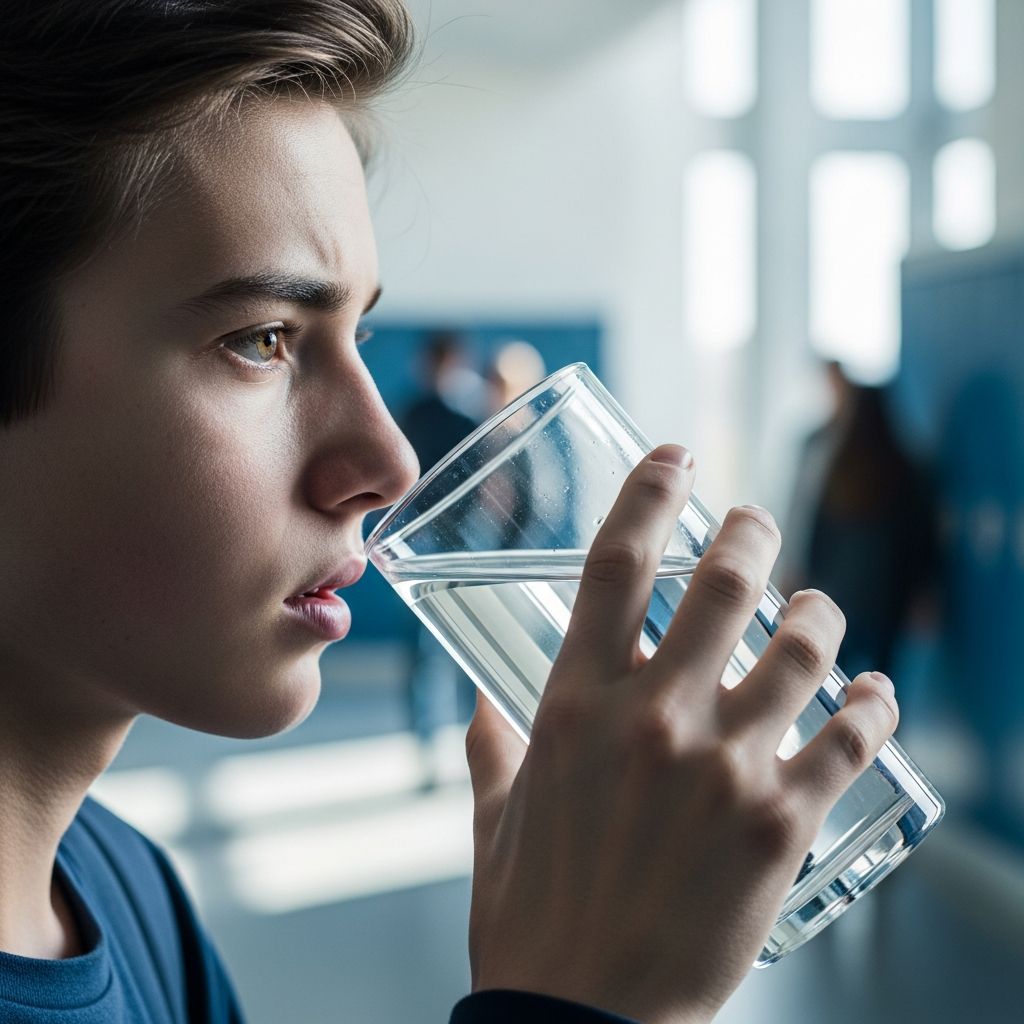
Feeling thirsty after sports, a salty snack, or a hot day is normal. But when you cannot stop drinking, carry a water bottle everywhere, and still feel thirsty, doctors use the word polydipsia. This guide explains what polydipsia means for teens, what can cause it, and how doctors find and treat the underlying problem.
What Does Polydipsia Mean?
Polydipsia is the medical term for excessive or constant thirst that leads someone to drink much more fluid than usual over many days or weeks. It is not a disease by itself. Instead, it is a symptom that something in the body is out of balance, such as blood sugar, hormones, or fluid levels.
For most people, thirst goes away soon after drinking. With polydipsia, thirst often:
- Feels strong and hard to ignore
- Comes back quickly after drinking
- Happens even at night, waking the person from sleep
- Is linked to frequent urination (called polyuria)
Normal Thirst vs. Problem Thirst
It can be hard to know when thirst is just normal or a sign of a health problem. The table below shows some general differences. These are only guidelines — a doctor is the one who can make a diagnosis.
| Normal Thirst | Polydipsia (Excessive Thirst) |
|---|---|
| Happens after exercise, heat, or salty food | Happens much of the day, not tied to clear triggers |
| Improves after drinking a normal amount of fluid | Comes back quickly, even after drinking a lot |
| Does not usually wake you up at night | Often causes waking to drink and pee overnight |
| Urine amount stays about the same | Urine amounts are much larger and more frequent |
| Lasts a few hours | Lasts days or weeks |
Common Signs of Polydipsia
Teens with polydipsia usually notice more than just thirst. Other signs can include:
- Needing to drink almost constantly, especially water or other fluids
- Peeing a lot more than usual (sometimes many times each night)
- Carrying large water bottles and refilling them often
- Dry mouth or sticky feeling in the mouth
- Cracked lips or dry tongue
If polydipsia is linked to another condition, extra symptoms may appear. For example, with uncontrolled diabetes, a teen may also have:
- Unexplained weight loss
- Strong hunger
- Blurred vision
- Feeling very tired or weak
- Slow-healing cuts or frequent infections
Why Can a Teen Be Extremely Thirsty?
Polydipsia can happen for several reasons. Some causes are simple, like not drinking enough fluids on a hot day. Others are more serious, such as diabetes. In teens, the most important causes doctors think about are listed below.
1. High Blood Sugar and Diabetes
One of the best-known causes of polydipsia is high blood sugar from diabetes. When blood sugar is too high, the kidneys try to get rid of the extra sugar in the urine. Sugar in the urine pulls water with it, causing the person to:
- Pee more often and in larger amounts
- Lose fluid from the body
- Feel very thirsty to make up for that loss
Polydipsia can be an early sign of:
- Type 1 diabetes — often appears in children and teens when the body stops making enough insulin
- Type 2 diabetes — more common in adults but now also seen in teens, especially with overweight or family history
In serious situations, very high blood sugar and dehydration can lead to diabetic ketoacidosis (DKA), a dangerous emergency. Early symptoms of DKA include extreme thirst and frequent urination, with later signs like tiredness, nausea, stomach pain, deep breathing, confusion, or a fruity smell on the breath.
2. Dehydration and Fluid Loss
Sometimes the answer is more straightforward: the body is losing more water than it is taking in. This is called dehydration. It can happen because of:
- Heavy sweating from sports or hot weather
- Vomiting or diarrhea from illness
- Fever
- Not drinking enough during the day
Symptoms of dehydration can include:
- Thirst and dry mouth
- Dry skin or dry eyes
- Feeling tired, dizzy, or lightheaded
- Dark yellow urine or peeing less often
Dehydration can usually be corrected by drinking more fluids and treating the cause, but severe dehydration needs urgent medical care.
3. Diabetes Insipidus
Diabetes insipidus (DI) is a rare condition that also causes extreme thirst and large amounts of very diluted urine, but it is not related to blood sugar. Instead, it involves problems with:
- Antidiuretic hormone (ADH), which helps the kidneys control how much water to keep
- The kidneys themselves, which may not respond to ADH correctly
In central diabetes insipidus, the body does not make enough ADH. In nephrogenic diabetes insipidus, the kidneys do not respond to normal ADH levels. In both cases, the teen may drink and pee many liters of fluid per day, often waking up multiple times each night.
4. Primary or Psychogenic Polydipsia
Some teens drink large amounts of fluid because of habit, stress, or emotional reasons, not because their body truly needs that much. This is often called primary polydipsia or psychogenic polydipsia.
Research has shown that in some adolescents, psychological stress or certain psychiatric conditions can lead to compulsive drinking of water, sometimes more than 8–10 liters per day. This can dilute the body’s sodium levels and, in severe cases, cause confusion, seizures, or other serious complications if not recognized and treated.
5. Medicines and Other Medical Conditions
Certain medicines and health problems can also increase thirst, including:
- Some diuretics (“water pills”) that increase urination
- Medications that cause dry mouth, such as some used for allergies or mood disorders
- Severe kidney disease
- Conditions that cause long-term dry mouth (for example, some autoimmune disorders)
When Should a Teen See a Doctor?
Not every thirsty day means there is a serious illness. But some warning signs mean it is important to get checked by a health professional soon. A teen should see a doctor if:
- Thirst and heavy drinking last more than a few days without a clear reason
- Thirst is strong enough to interrupt school, sports, or sleep
- There is frequent urination, especially needing to pee several times each night
- There are signs like weight loss, tiredness, blurred vision, or nausea
- They feel confused, dizzy, or unusually weak
Urgent medical care is needed if excessive thirst is accompanied by any of the following:
- Confusion, trouble thinking clearly, or acting strangely
- Severe stomach pain, vomiting, or trouble breathing
- Very dry mouth and eyes with almost no urination
- Fainting, seizures, or loss of consciousness
How Doctors Check for Polydipsia Causes
A doctor will not just look at how much a teen drinks; they will try to find the reason behind the thirst. The evaluation usually includes:
Medical History and Physical Exam
The health care provider may ask about:
- How long the excessive thirst has been happening
- How much fluid is usually drunk in a day
- How often and how much the teen urinates
- Any recent illnesses, weight changes, or new medicines
- Other symptoms like headaches, blurred vision, or mood changes
A physical exam checks for signs of dehydration, weight loss, or other medical problems.
Blood and Urine Tests
Lab tests are often the next step and may include:
- Blood glucose to look for diabetes or high blood sugar
- Electrolytes such as sodium to check for imbalances
- Kidney function tests (like creatinine and urea)
- Urine tests for sugar, ketones, and how concentrated the urine is
Specialized Tests for Diabetes Insipidus or Primary Polydipsia
When doctors suspect diabetes insipidus or primary polydipsia, they may use more advanced testing. One classic test is the water deprivation test, where fluid intake is restricted for a period under close medical supervision while measuring weight, urine volume, and blood markers. This helps show whether the body can concentrate urine normally.
Newer methods, such as measuring copeptin (a marker linked to ADH), can sometimes offer safer and more accurate ways to tell diabetes insipidus from primary polydipsia, especially in complex cases.
Treatment: Focusing on the Underlying Cause
There is no single pill that “cures” polydipsia. Instead, treatment targets whatever is causing the excessive thirst.
Managing Diabetes
If tests show that a teen has diabetes, treatment might include:
- Insulin therapy for type 1 diabetes
- Medicines, nutrition changes, and physical activity for type 2 diabetes
- Monitoring blood sugar levels regularly
Once blood sugar is brought under control, polydipsia and frequent urination often improve noticeably.
Correcting Dehydration
For dehydration, the main goal is to replace lost fluids and treat the cause (such as vomiting, diarrhea, or heat exposure). Mild dehydration can often be treated with:
- Water and oral rehydration solutions
- Avoiding drinks with a lot of sugar or caffeine
- Rest and cooling off in a shaded or air-conditioned place
Severe dehydration may need intravenous (IV) fluids in a clinic or hospital.
Treating Diabetes Insipidus
For central diabetes insipidus, doctors may prescribe a medicine called desmopressin, which acts like ADH and helps the kidneys conserve water. For nephrogenic diabetes insipidus, treatment might focus on:
- Adjusting medicines that affect the kidneys
- Dietary changes such as limiting salt
- Careful fluid planning so the body stays balanced
Addressing Primary or Psychogenic Polydipsia
When excessive drinking is driven by habit, stress, or mental health conditions, treatment may include:
- Counseling or therapy to manage stress and anxiety
- Setting safe limits on daily fluid intake with medical guidance
- Support for any related psychiatric conditions
Because drinking extremely large volumes of water can dangerously lower sodium levels in the blood and lead to brain swelling, it is important that any changes in fluid intake are done with professional support.
Healthy Hydration Habits for Teens
Even when polydipsia is not present, it is useful for teens and families to understand healthy hydration. General tips include:
- Drink water regularly during the day, especially before, during, and after sports
- Pay attention to body signals like thirst and the color of urine (pale yellow is usually a good sign)
- Limit sugary drinks and energy drinks, which can affect blood sugar and teeth
- Do not force large amounts of water in a short time without medical reason
- Discuss any sudden changes in thirst or urination with a trusted adult and health care provider
Frequently Asked Questions (FAQs)
How much drinking is considered “too much” for a teen?
There is no single number that fits everyone because fluid needs depend on body size, activity level, and climate. However, drinking so much that you are constantly in the bathroom, waking several times at night to pee, or always feeling thirsty despite large amounts of fluid is a sign to talk to a doctor.
Does polydipsia always mean someone has diabetes?
No. Polydipsia is a common symptom of high blood sugar and can be an early warning sign of diabetes, but it also happens with dehydration, diabetes insipidus, primary polydipsia, and other conditions. Only lab tests can confirm the cause.
Can drinking too much water be dangerous?
Yes. In rare cases, drinking extreme amounts of water in a short time can dilute the sodium in the blood (a condition called hyponatremia), leading to headache, confusion, seizures, or even death if untreated. This is why it is important not to push large volumes of water without medical guidance.
What should a parent or caregiver do if they suspect polydipsia?
First, calmly observe and write down how much the teen drinks and urinates over a day or two, along with any other symptoms like weight loss or fatigue. Then schedule a visit with a health care provider and bring this information. If the teen seems very sick, confused, or short of breath, seek emergency care.
Can stress or mental health issues really cause excessive drinking?
Yes. Studies have described adolescents who developed primary or psychogenic polydipsia during periods of significant psychological stress, sometimes without other clear medical problems. In these cases, mental health support is an important part of treatment.
References
- Psychogenic polydipsia in a female adolescent without a psychiatric disorder: a case report — Van Walleghen et al., Clinical Case Reports. 2021-04-11. https://pmc.ncbi.nlm.nih.gov/articles/PMC8077289/
- Polydipsia (excessive thirst): Causes, when to see a doctor, and more — Medical News Today. 2023-03-27. https://www.medicalnewstoday.com/articles/318213
- Polyuria-polydipsia in an athletic teenager — Endocrine Abstracts (ECE 2022). 2022-05-01. https://www.endocrine-abstracts.org/ea/0081/ea0081EP783
- What Is Polydipsia? Definition, Causes, Treatments — WebMD. 2022-10-10. https://www.webmd.com/diabetes/polydipsia-thirsty
- 5 Common Causes Of Excessive Thirst Or Polydipsia — 1mg Health Articles. 2022-06-15. https://www.1mg.com/articles/5-common-causes-of-excessive-thirst-or-polydipsia/