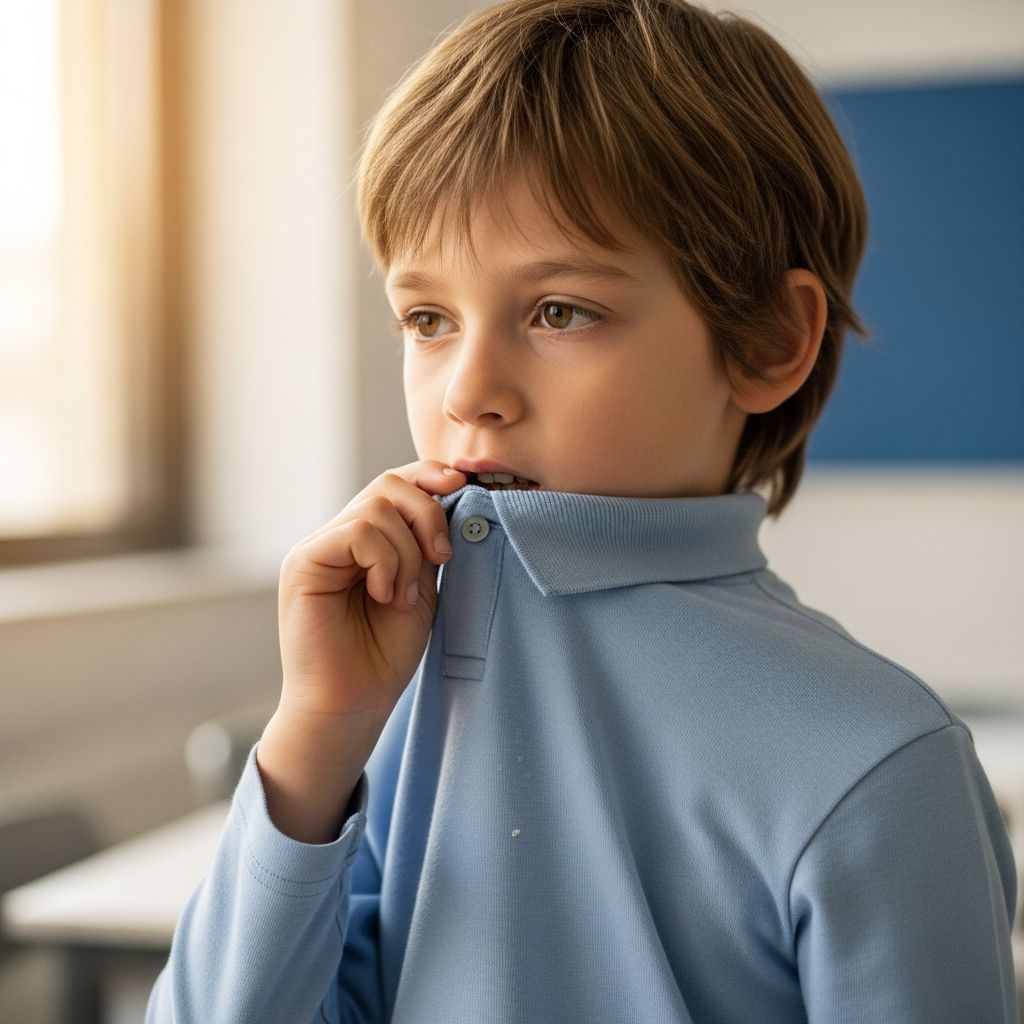
Many parents notice their children gnawing on shirt collars, sleeves, or hems, turning perfectly good clothes into soggy messes. This behavior, while frustrating, often stems from natural developmental processes or underlying needs that children express through oral actions. In fact, studies indicate that up to 29% of children aged 4 to 15 engage in clothing chewing, highlighting its prevalence across age groups. By grasping the root causes—ranging from sensory exploration to emotional regulation—parents can implement targeted strategies to support their child’s growth and reduce wear-and-tear on wardrobes.
The Natural Roots of Oral Exploration in Young Children
From infancy, babies rely on their mouths as primary tools for discovering the world. This phase, known as oral exploration, peaks around 4 to 6 months when infants mouth toys, fingers, and fabrics to discern textures, shapes, and tastes. Toddlers extend this into preschool years, chewing shirt edges during play or teething, as it satisfies innate curiosities and soothes emerging teeth.
For children under 3, such habits rarely signal concern; they mirror thumb-sucking or pacifier use, fading as fine motor skills advance. However, persistent chewing beyond preschool often points to deeper sensory or emotional drivers, warranting closer observation.
Sensory Processing: When Mouths Seek Input
Sensory processing refers to how the brain interprets input from the environment, and discrepancies can lead children to seek oral stimulation. Kids with sensory processing disorder (SPD) or related traits may chew clothing to achieve calming ‘proprioceptive’ feedback—the deep pressure from jaw muscles that organizes their nervous system.
- Oral motor seeking: Repetitive sucking or biting patterns help regulate arousal levels, much like adults chew gum during stress.
- Texture preferences: Soft collars provide ideal resistance, aiding body awareness (proprioception).
- Overstimulation relief: In noisy classrooms, chewing blocks distractions, promoting focus.
Research links these behaviors to conditions like ADHD, where sensory dysregulation amplifies oral habits. Children might soak sleeves during homework, using the action to channel excess energy.
Emotional Factors: Anxiety, Stress, and Self-Soothing
Beyond sensory needs, emotional undercurrents frequently fuel shirt chewing. Anxious children deploy it as a self-soothing mechanism, akin to fidgeting or nail-biting, releasing tension via rhythmic jaw movements. Physical symptoms like muscle tightness ease as endorphins from chewing promote calm.
Common triggers include:
- Transitions, such as starting school or family changes.
- Boredom during downtime, turning habit into autopilot comfort.
- Overwhelm in social settings, redirecting focus inward.
One study associates clothing gnawing with broader psychological patterns, especially when paired with tantrums, withdrawal, or sleep issues. Unlike casual mouthing, anxiety-driven chewing persists across contexts, signaling a need for emotional tools.
Connections to Neurodevelopmental Conditions
| Condition | Chewing Link | Associated Signs |
|---|---|---|
| ADHD | Sensory regulation and focus aid | Impulsivity, hyperactivity, inattention |
| Autism Spectrum | Sensory seeking/stimming | Repetitive behaviors, social challenges |
| Sensory Processing Disorder | Oral input for calming | Aversion to textures, clumsiness |
Chewing often intersects with neurodevelopmental profiles. For autistic children, it serves as stimming—a repetitive action modulating sensory overload. Similarly, ADHD kids use it for concentration, mirroring pen-chewing in adults. These aren’t isolated; they cluster with difficulties in emotional control or environmental adaptation.
Spotting When Chewing Becomes Problematic
Not all chewing requires intervention, but red flags demand attention:
- Continues intensely past age 5-6.
- Causes physical harm, like dental wear or skin irritation.
- Disrupts eating, speaking, or social interactions.
- Accompanies emotional distress, such as frequent meltdowns or avoidance.
Track patterns: Does it spike during tests or family arguments? Persistent cases may indicate unmet needs, prompting professional input from occupational therapists or pediatricians.
Practical Strategies to Curb and Redirect Chewing
Addressing shirt chewing starts with empathy—replace rather than punish to build trust. Begin by offering alternatives that mimic the sensation safely.
Safe Substitutes and Sensory Tools
- Chewy jewelry: Silicone pendants or tubes provide durable oral input without clothing damage.
- Fidget foods: Crunchy snacks like carrots or pretzels during snack times.
- Gum or chewies: Age-appropriate options for school, under supervision.
Building Better Habits Through Routine
Incorporate ‘heavy work’ activities to fulfill proprioceptive cravings naturally: wall pushes, animal walks, or playground climbs reduce oral seeking by tiring muscles. Schedule sensory diets—daily 10-minute sessions of jumping jacks or squeezing stress balls—proactively manage input.
Pair with emotional coaching: Teach deep breathing or ‘worry boxes’ for anxiety. Positive reinforcement, like praise for using tools, reinforces change.
Environmental Tweaks
- Choose chew-resistant fabrics like denim collars.
- Shorten sleeves or use button covers to deter access.
- Create calm corners with sensory bins for redirection.
Professional Interventions and Long-Term Support
If home strategies falter, consult specialists. Occupational therapists assess sensory profiles, crafting customized plans. Cognitive behavioral therapy (CBT) targets anxiety roots, while pediatric dentists check oral health.
For ADHD/autism suspicions, developmental screenings guide next steps. Early action prevents escalation, fostering resilience.
Frequently Asked Questions (FAQs)
Why does my toddler chew everything in sight?
It’s typically oral exploration, a developmental milestone where mouths gather sensory data on objects. This fades naturally but monitor if it persists.
Is shirt chewing always a sign of anxiety?
No, though common; it can stem from sensory needs, boredom, or habit. Look for accompanying worry signs like clinginess.
Can ADHD cause kids to chew on shirts?
Yes, as a self-regulation tool for focus and overstimulation, prevalent in ADHD sensory profiles.
How do I stop my child from ruining clothes?
Provide chew alternatives, add physical activities, and track triggers. Consistency yields results without shaming.
Does autism involve clothing chewing?
Often, as sensory stimming, but not diagnostic alone—part of broader patterns.
Empowering Parents for Healthier Habits
Shirt chewing reflects a child’s adaptive toolkit, not defiance. By decoding its messages—be it sensory hunger, stress relief, or exploration—parents unlock supportive paths. Patience, combined with tools and expertise, transforms frustration into growth opportunities, ensuring kids thrive orally and emotionally.
References
- Is Chewing on Clothes a Sign of Anxiety in Children? Here’s What Parents Should Know — Emora Health. 2023. https://www.emorahealth.com/resources/is-chewing-clothes-a-sign-of-anxiety-in-children-heres-what-parents-should-know
- My Child Constantly Chews on His Shirt: A Guide to Oral Motor Stimulation — North Shore Pediatric Therapy. 2023. https://www.nspt4kids.com/parenting/child-constantly-chewing-shirt-guide-oral-motor-stimulation
- Why Do Some Kids Chew on Their Clothes, Hair, or Pencils? — National Autism Resources. 2023. https://nationalautismresources.com/blog/why-do-some-kids-chew-on-their-clothes-hair-or-pencils/
- Does Your Child Chew on Everything? 3 Common Questions Parents Ask — Pathways.org. 2023. https://pathways.org/child-chew-everything-3-common-questions-parents-ask
- Is Chewing Clothes a Sign of Autism? — Autism Parenting Magazine. 2023. https://www.autismparentingmagazine.com/is-chewing-clothes-a-sign-of-autism/
- Soggy Shirt Sleeves: What’s Really Going On When Your Child Chews on Clothing — Eyas Landing. 2023. https://eyaslanding.com/blog-soggy-shirt-sleeves-whats-really-going-on-when-your-child-chews-on-clothing-chicago-therapy/