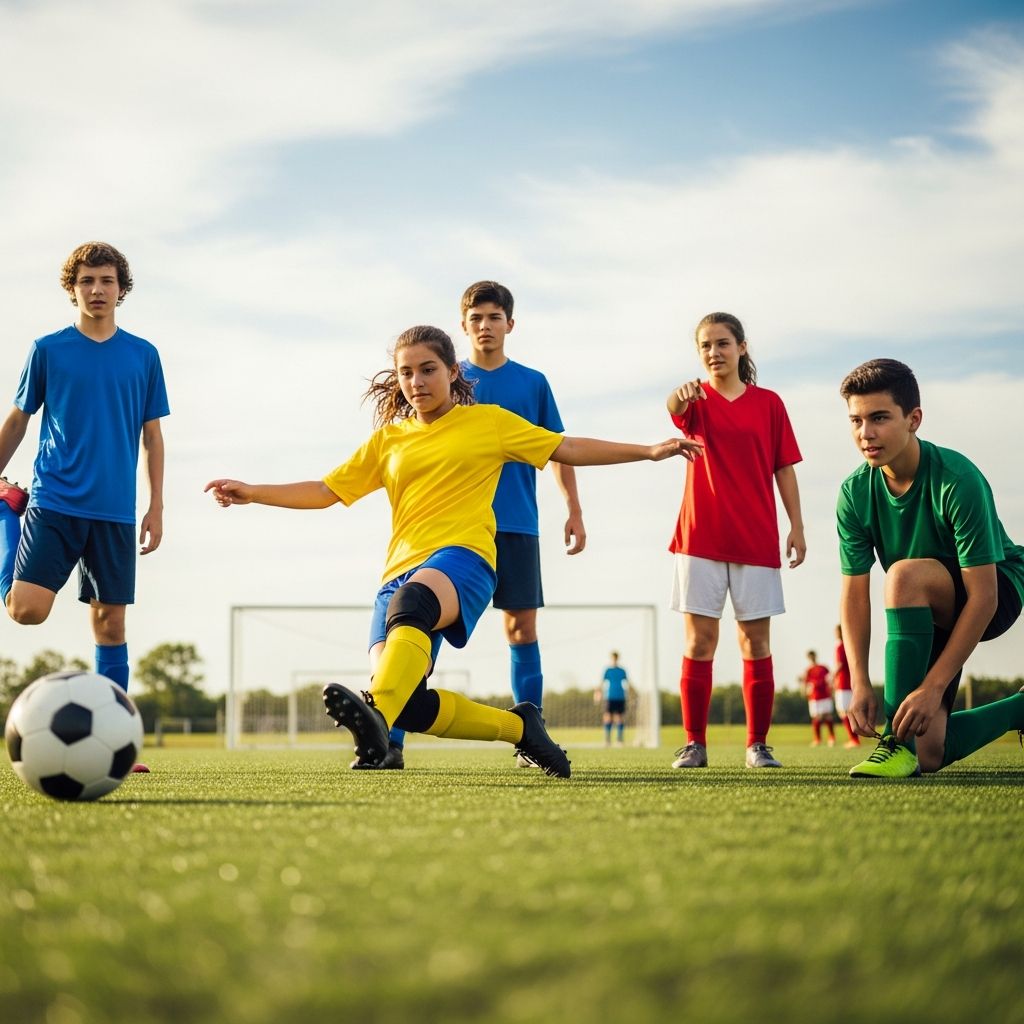
Recent research highlights a surprising truth: children, particularly those between 8 and 12 years old, demonstrate remarkable physical capabilities that can exceed those of adults, even trained endurance athletes. Their ability to sustain high-intensity efforts with minimal fatigue stems from unique physiological traits, offering parents insights into fostering superior health in the next generation.
The Science of Youthful Endurance
Studies examining metabolic responses during intense exercise reveal that prepubescent boys maintain energy production far better than untrained adults. When subjected to repeated bouts of exhaustive activity, like cycling sprints, kids recover faster and sustain performance longer. This isn’t just anecdotal; controlled experiments show their fatigue profiles—marked by sustained power output and quicker lactate clearance—outpace grown-ups.
Why does this happen? Children’s bodies rely more heavily on aerobic metabolism, efficiently using fat and carbohydrates for fuel without rapid acid buildup. Adults, by contrast, shift toward anaerobic pathways sooner, leading to quicker exhaustion. This metabolic edge allows kids to push through multiple high-effort intervals where adults falter.
Physiological Advantages in Young Bodies
Delving deeper, several biological factors give children this fitness supremacy:
- Superior Oxygen Utilization: Kids boast higher relative aerobic capacity, measured as VO2 max per body weight, enabling prolonged activity without oxygen debt.
- Faster Recovery Mechanisms: Post-exercise, their muscles clear metabolic byproducts like lactate at accelerated rates, readying them for the next challenge.
- Lower Body Mass Impact: With less absolute muscle mass but efficient power-to-weight ratios, they excel in endurance tasks.
- Neuromuscular Efficiency: Developing nervous systems coordinate movements with less energy waste, preserving stamina.
These traits peak around ages 8-12, before puberty introduces hormonal shifts that alter metabolism toward adult patterns. Parents observing playground marathons—endless tag or soccer without tiring—witness this in action.
Comparing Kids to Elite Athletes
Even professional cyclists or runners, honed by years of training, can’t match children’s fatigue resistance in short-burst protocols. One study pitted young boys against both untrained and endurance-trained adults in repeated sprint tests. Results? Kids completed more reps before hitting exhaustion thresholds, their power dropping less than 10% versus 30-50% for adults.
| Group | Performance Drop After 5 Sprints | Recovery Time Between Efforts |
|---|---|---|
| Children (8-12 yrs) | ~8% | 45 seconds |
| Untrained Adults | ~35% | 90+ seconds |
| Endurance Athletes | ~20% | 60 seconds |
This table summarizes key findings, underscoring kids’ edge. Athletes train for sustained efforts, but children’s innate recovery shines in intermittent high-intensity scenarios common in youth play.
Evolution’s Design for Active Youth
From an evolutionary lens, this makes sense. Human children historically foraged, hunted, and evaded predators through persistent, varied movement. Their physiology evolved for ‘hunting by persistence’—outrunning prey over time via efficient energy use. Modern sedentary lifestyles dull this, yet the blueprint remains, waiting activation through play.
How Parents Can Cultivate This Natural Edge
Recognizing kids’ potential shifts parenting from protection to empowerment. Encourage unstructured play over structured sports early on; free movement builds physical literacy—safe, explosive motions like jumping, climbing, and sprinting that endure lifelong.
Key strategies include:
- Prioritize Playgrounds Over Programs: Daily free play develops diligence and realism, traits linking effort to outcomes.
- Incorporate Family Challenges: Races, hikes, or tag games make fitness communal, modeling healthy habits.
- Focus on Fundamentals: Teach proper form in basic lifts or runs to prevent injury and build strength surpassing parental benchmarks.
- Balance with Rest: Kids’ quick recovery doesn’t mean nonstop; sleep amplifies gains.
Gyms offering youth programs can help, turning ‘5 cents’ of daily effort into lifelong ‘dollars’ of vitality.
Strength Training: Kids Leading the Way
A rising trend sees children mastering weights with form adults envy. Far from risky, supervised resistance training enhances bone density, coordination, and confidence. Kids often snatch or squat heavier relative to body weight than parents, their developing bodies adapting swiftly.
Benefits extend beyond muscle:
- Increased metabolic health, warding off early obesity.
- Improved focus and discipline from routine.
- Better resilience, handling life’s ‘wins or losses’ with grace.
Realistic Expectations in Youth Sports
While kids hold physical promise, pro careers are rare. A recent Ohio State study found most parents temper dreams, with only a minority expecting Olympic glory. This realism fosters enjoyment over pressure, sustaining participation.
Genetic inheritance plays a role too—athletic prowess doesn’t always pass down, but environment shapes outcomes more.
Long-Term Health Implications
Nurturing this phase yields dividends: active kids become active adults, dodging chronic issues like diabetes or heart disease. Their early metabolic efficiency, if maintained via habits, buffers age-related declines. Parents investing now create stronger futures.
Consider metrics:
- Active youth show 20-30% higher lifelong VO2 max.
- Play-based fitness correlates with better mental health into adulthood.
- Strength foundations reduce injury risk by 40% later.
Frequently Asked Questions (FAQs)
Why do kids recover faster than adults during exercise?
Children’s reliance on aerobic energy systems and rapid lactate clearance enable quicker rebounds between intense efforts, as shown in metabolic studies.
Is strength training safe for 8-12 year olds?
Yes, when supervised with proper form; it builds physical literacy and strength without overload risks.
Can my child’s fitness surpass mine as an athlete?
Possibly—their fatigue resistance often exceeds even trained adults in specific tests.
How much daily activity do kids need?
Aim for 60 minutes of varied, vigorous play to harness natural advantages.
What if my child isn’t sporty?
Focus on play and one passion—diligence and movement skills matter more than medals.
Empowering the Next Generation
Children’s fitness isn’t fleeting; it’s a launchpad. By understanding their physiological gifts and guiding play intentionally, parents equip kids not just to outpace adults today, but thrive tomorrow. Embrace this era of potential—your child’s boundless energy is evolution’s gift, ready for stewardship.
References
- Kids’ energy levels surpass endurance athletes’, says science — Mother.ly. 2023. https://www.mother.ly/life/your-kids-are-in-better-shape-than-you-even-if-youre-a-pro-athlete/
- Your Kid(s) Should Be Stronger Than You — Friction Grand Rapids. 2023. https://frictiongrandrapids.com/your-kids-should-be-stronger-than-you/
- Will my kid be a pro athlete? Study finds what parents think — Ohio State University News. 2025-12-01. https://news.osu.edu/will-my-kid-be-a-pro-athlete-study-finds-what-parents-think