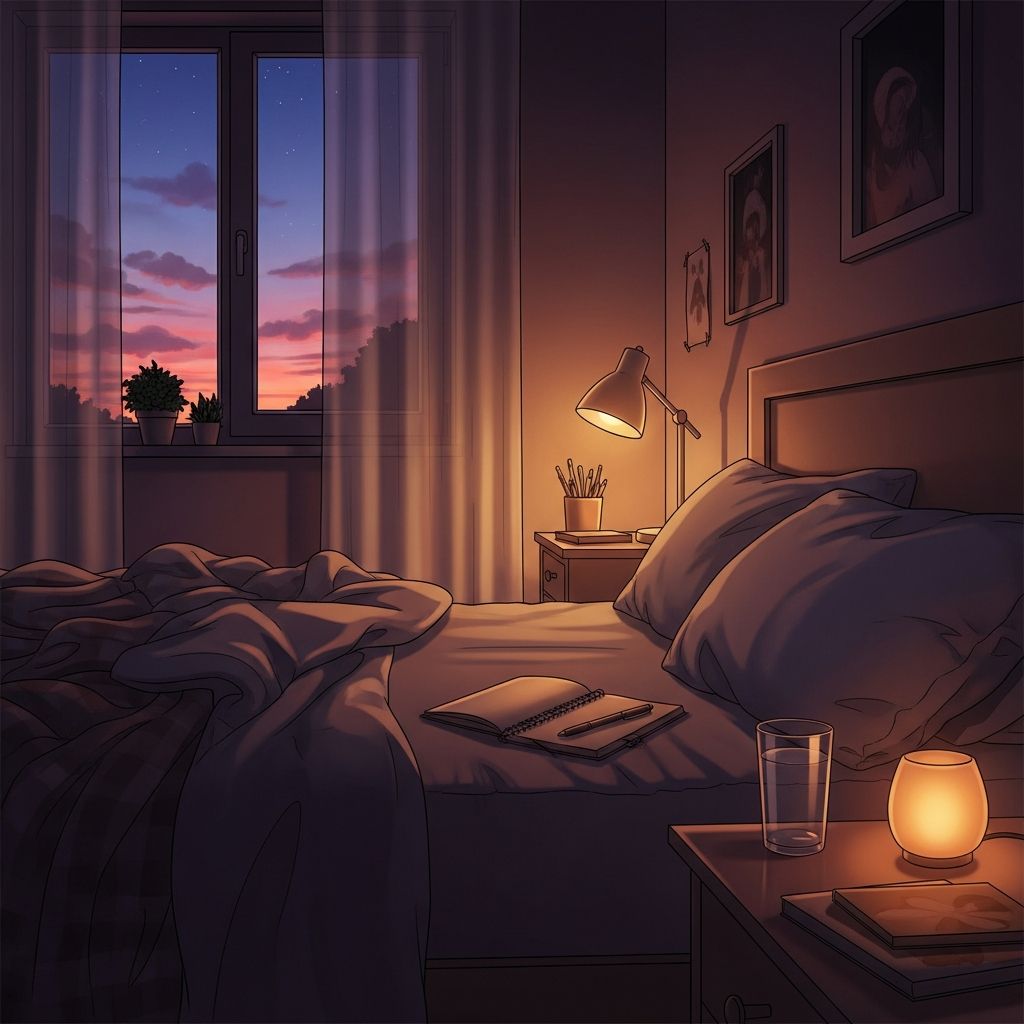
Teenagers aged 13 to 18 require 8 to 10 hours of sleep per night to support growth, cognitive function, and emotional health, yet most get far less due to shifting body clocks and demanding routines.
Why Sleep Matters More During Teenage Years
Adolescence marks a pivotal phase of rapid physical, hormonal, and neurological changes that amplify the need for quality sleep. Unlike children or adults, teens’ brains undergo significant rewiring, consolidating memories and regulating emotions primarily during deep sleep stages. Insufficient rest disrupts these processes, leading to impaired focus, slower reaction times, and mood instability.
Research from the American Academy of Sleep Medicine confirms that 8-10 hours nightly promotes optimal health outcomes, including better attention, learning, and mental well-being for this age group. Without it, teens face heightened risks of obesity, weakened immunity, and chronic fatigue, compounding the stresses of school and social life.
The Science Behind Teens’ Changing Sleep Patterns
A key factor in teen sleep challenges is the natural delay in the circadian rhythm, or internal body clock. During puberty, melatonin—a hormone signaling sleepiness—releases later in the evening, often around 10-11 PM instead of earlier childhood times. This shift makes early bedtimes feel unnatural, while morning alertness lags, clashing with typical school start times.
Studies show this phase delay peaks around age 17, with boys often sleeping less than girls as demands increase. By age 14, only about 23% of teens achieve 8+ hours, dropping further by 16. Environmental cues like light exposure from screens exacerbate this, tricking the brain into wakefulness.
How Much Sleep Is Truly Enough?
| Age Group | Recommended Hours (per 24h) | Key Benefits |
|---|---|---|
| Children (6-12 years) | 9-12 hours | Supports growth spurts and academic readiness |
| Teens (13-18 years) | 8-10 hours | Enhances memory, mood, and physical performance |
| Adults (18+) | 7-9 hours | Maintains daily function |
Consensus from the National Sleep Foundation and AASM emphasizes 8-10 hours as the sweet spot for teens, with less than 8 hours linked to behavioral issues and more than 10 potentially signaling underlying problems. Nationwide data reveals most teens average just 7-7.25 hours, falling short by up to 2 hours.
Common Roadblocks to Getting Enough Zzz’s
- School Schedules: Early classes prevent alignment with delayed circadian rhythms, causing chronic drowsiness.
- Screens and Blue Light: Devices suppress melatonin, pushing bedtime later by 1-2 hours.
- Extracurricular Overload: Sports, jobs, and homework fill evenings, leaving minimal wind-down time.
- Caffeine and Habits: Energy drinks and irregular weekends disrupt sleep cycles.
- Stress and Anxiety: Academic pressure and social media foster racing thoughts at night.
Less than 20% of teens meet the 8-10 hour mark consistently, even on weekends, perpetuating a cycle of sleep debt.
Health Risks of Skimping on Sleep
Chronic sleep deprivation in teens correlates with profound consequences. Cognitively, it hampers memory formation and problem-solving, dropping grades and test scores. Experimentally, less than 9 hours impairs behavioral regulation, increasing impulsivity and accident risk.
Mentally, short sleep elevates depression, anxiety, and suicidality odds—cohorts sleeping under 8 hours show markedly higher risks. Physically, it boosts obesity via hormonal imbalances, weakens immunity, and heightens injury rates in sports. Long-term, poor habits track into adulthood, raising cardiovascular and metabolic disease risks.
Practical Strategies to Maximize Teen Sleep
Reclaiming sleep starts with intentional habits. Prioritize consistency over catch-up sessions, as weekend oversleeping desynchronizes rhythms further.
- Lock in a Fixed Schedule: Bed and wake times should vary by no more than 2 hours daily, including weekends, to stabilize the body clock.
- Craft a Wind-Down Ritual: Dim lights, shower, and prep the next day 1 hour pre-bed to cue relaxation.
- Digital Detox: Ban screens 60 minutes before bed; blue light blocks melatonin.
- Optimize the Bedroom: Keep it cool, dark, and quiet—use white noise if needed.
- Daytime Boosts: Exercise early, limit naps to 20-30 minutes, and expose to morning light.
Gradually shift bedtime earlier by 10-15 minutes weekly until hitting the target, allowing adaptation over 4-6 weeks.
Nutrition and Lifestyle Tweaks for Better Rest
Diet plays a pivotal role. Avoid caffeine post-dinner—its half-life lingers 6+ hours, fragmenting sleep. Heavy meals close to bed spike digestion, while balanced dinners with magnesium-rich foods like nuts promote drowsiness.
Incorporate movement: 30-60 minutes of daily activity tires the body naturally, but not within 3 hours of bed. Mindfulness techniques, such as deep breathing or journaling, quiet mental chatter for faster sleep onset.
Role of Parents and Schools in Supporting Sleep
Guardians can audit schedules, curbing overcommitments and enforcing tech curfews. Collaborative talks help teens prioritize rest without rebellion.
Schools contribute via later starts—evidence shows 8:30 AM bells align better with biology, boosting attendance and grades. Advocacy for such changes empowers systemic fixes.
Frequently Asked Questions (FAQs)
Can teens catch up on sleep during weekends?
Limited catch-up helps, but oversleeping disrupts cycles. Limit to 1-2 extra hours max.
What if my teen can’t fall asleep despite good habits?
Assess for anxiety or disorders; consult a doctor for CBT-I or screening.
Does exercise timing affect sleep?
Yes—morning or afternoon sessions enhance it; evening workouts energize too much.
Are energy drinks ruining teen sleep?
Absolutely; caffeine after noon interferes significantly. Switch to water or herbal tea.
How long to see benefits from better sleep?
Noticeable mood and focus improvements in 1-2 weeks; full benefits in 4-6 weeks.
Tracking Your Sleep Progress
Use a journal or app to log hours, quality, and factors. Aim for steady increases toward 8-10 hours. Weekly reviews pinpoint wins and tweaks, fostering accountability.
Teens mastering these shifts report sharper focus, stable moods, and thriving extracurriculars—proof that prioritizing sleep unlocks potential.
References
- What To Know about Teens and Sleep — National Sleep Foundation. 2023. https://www.thensf.org/what-to-know-about-teens-and-sleep/
- Healthy sleep habits for teens and tweens — Mount Nittany Health. 2024. https://mountnittany.org/news-stories/health-and-wellness/healthy-sleep-habits-for-teens-and-tweens/
- Teenagers and sleep — Better Health Channel (Victorian Government). 2023-10-03. https://www.betterhealth.vic.gov.au/health/healthyliving/teenagers-and-sleep
- How much sleep do teens need? And how to help your teen get enough — UCLA Health. 2024. https://www.uclahealth.org/news/article/how-much-sleep-do-teens-need-and-how-to-help-your-teen-get-enough
- Consensus Statement of the American Academy of Sleep Medicine — PMC (National Library of Medicine). 2016-11-01. https://pmc.ncbi.nlm.nih.gov/articles/PMC5078711/
- Recommended Amount of Sleep for Pediatric Populations — American Academy of Sleep Medicine. 2016. https://aasm.org/resources/pdf/pediatricsleepdurationconsensus.pdf