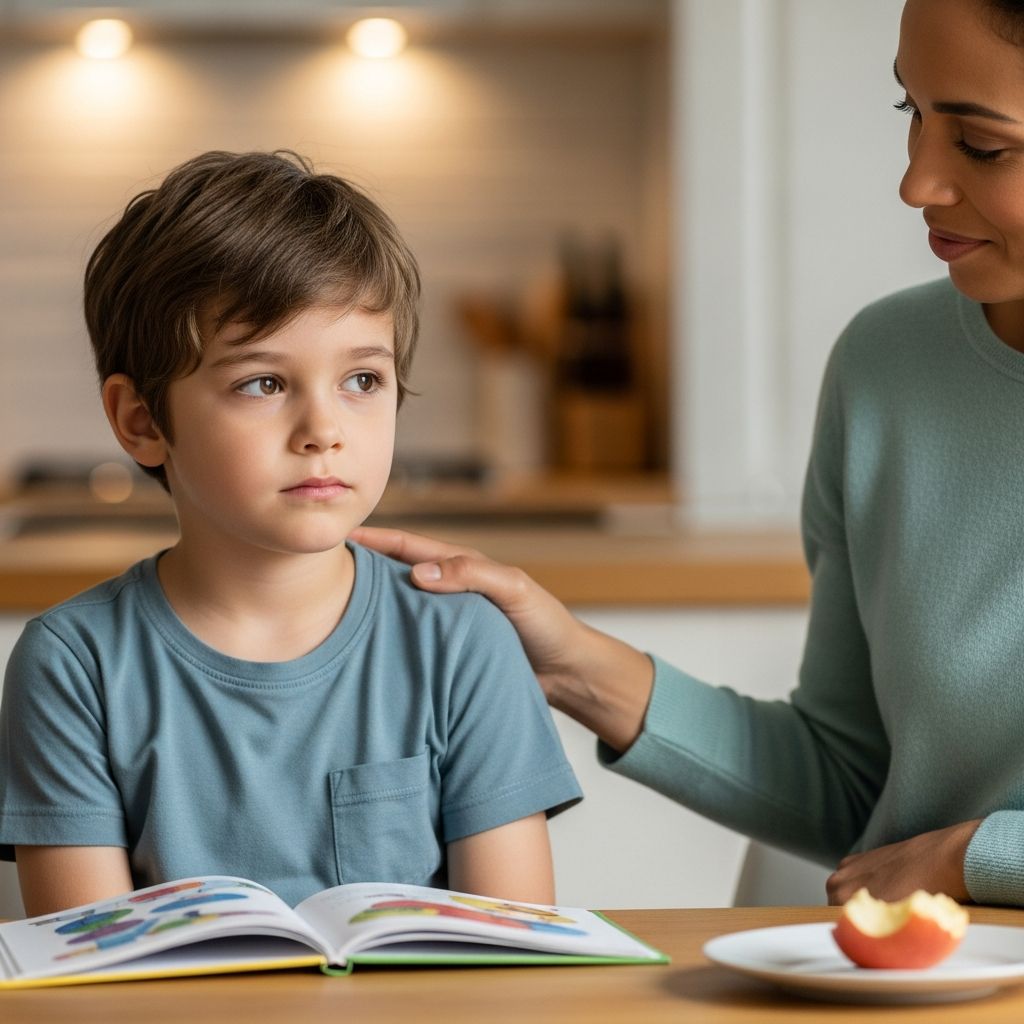
In recent years, there has been growing attention on why many people find actively involved fathers especially attractive, both sexually and emotionally. This shift reflects changing ideas of masculinity, partnership, and what makes someone a trustworthy long-term mate.
The Rise of the “Attractive Dad” Image
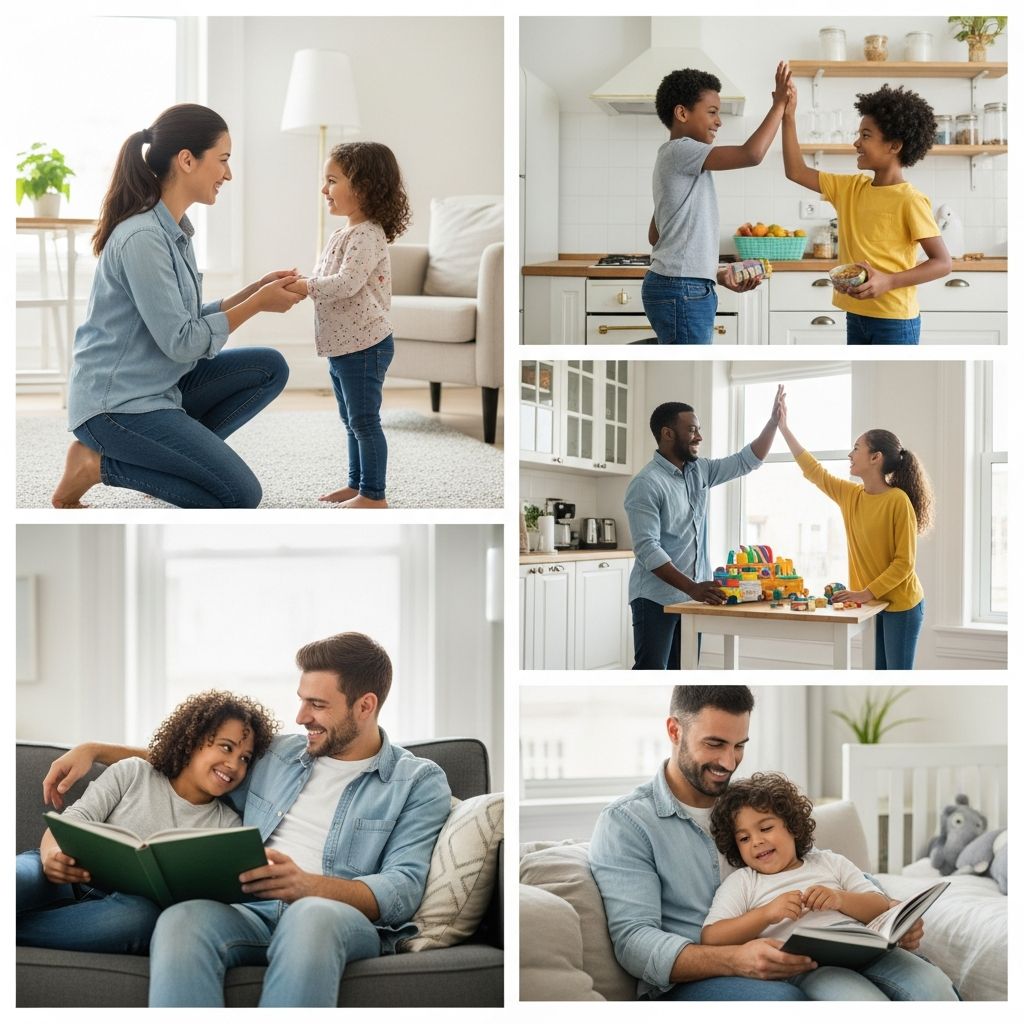
Modern culture has moved beyond narrow stereotypes of the distant, stern father toward images of dads who change diapers, babywear at the park, and show up emotionally at home. As this image spreads in media and everyday life, it has become easier to see how caregiving and competence at home can be deeply appealing traits in a partner.
This attraction is not just about looks or age; it is about what involved fatherhood communicates: responsibility, patience, reliability, and a willingness to prioritize others. For many people seeking serious relationships, these traits rank as some of the most desirable qualities a partner can demonstrate.
How Nurturing Signals Long-Term Partner Potential
Watching someone comfort a crying child or patiently help with homework can reveal more about their character than a perfect dating profile ever could. These caregiving moments show emotional regulation, empathy, and the ability to stay committed even when situations are stressful or messy.
Many relationship researchers note that people often look for cues that a potential partner will be reliable over time, not just exciting in the moment. Active, hands-on parenting displays long-term thinking, which can signal to potential partners that this person may be a steady presence in both romantic and family life.
Key nurturing traits people notice
- Patience when children are difficult or tired, rather than reacting with anger.
- Consistency in showing up for routines, like school pickups or bedtime.
- Gentle communication that balances boundaries and warmth.
- Ability to sacrifice short-term fun for long-term family needs.
Emotional Intelligence: The New Kind of Sexy
Emotional intelligence—skills like recognizing feelings, managing conflict, and listening deeply—has become a crucial trait in modern relationships. When a father regularly tunes in to a child’s emotions, many observers infer that he is also capable of empathy and attentive listening with a partner.
Being emotionally present with children often requires soft skills that were historically discouraged in men, such as vulnerability, gentleness, and verbal expression of care. As these qualities become more visible in fathers, they challenge outdated ideas that strength and tenderness cannot coexist in one person.
Ways emotionally intelligent dads stand out
- They calmly de-escalate tantrums instead of escalating the conflict.
- They validate children’s feelings, teaching healthy emotional language by example.
- They recognize when a partner is overwhelmed and step in to help without being asked.
- They model apologies and repair after mistakes, which can foster trust in romantic relationships.
Everyday Responsibility Is a Powerful Turn-On
Attraction is often portrayed as purely physical, but in long-term relationships, dependable behavior can be just as magnetic as physical appearance. When someone consistently feeds, bathes, and supports a child, they demonstrate discipline and commitment that many partners find deeply reassuring and appealing.
Responsibility in fatherhood also extends to planning and life management, such as budgeting, scheduling appointments, or preparing meals. These practical competencies suggest that a person can co-manage a shared life, which lowers anxiety for a potential or current partner.
Examples of attractive responsible behaviors
- Keeping track of school events and parent–teacher meetings without constant reminders.
- Sharing household tasks rather than assuming they are someone else’s job.
- Planning family activities that balance fun with children’s needs and routines.
- Demonstrating reliability by honoring custody schedules or co-parenting agreements.
From “Dad Bod” to Realistic Attraction
Cultural conversations about the so-called “dad bod” reflect a broader acceptance of more realistic body types, especially when paired with warmth and competence. While physical preferences vary widely, some people find comfort and security in partners who look strong enough to care for their families without obsessing over perfection.
Research on attraction often points out that many people distinguish between qualities desired for short-term flings and those valued in longer-term commitments. For long-term relationships, traits like kindness, reliability, and nurturing often matter more than extreme muscularity or polished appearances.
| Aspect | Short-Term Focus | Long-Term Focus |
|---|---|---|
| Physical appearance | High emphasis on novelty and intensity of attraction. | Moderate emphasis, balanced with compatibility and health. |
| Emotional availability | May be secondary or overlooked. | Crucial for relationship satisfaction and stability. |
| Parental potential | Rarely considered a priority. | Often central to attraction for those who want families. |
| Reliability and routine | Can be seen as unexciting. | Interpreted as safe, attractive, and desirable. |
How Fatherhood Can Transform Identity
Fatherhood can change how men understand themselves, their priorities, and their emotional lives. Studies suggest that becoming a parent can shift hormone levels and brain responses related to bonding and caregiving, which may reinforce nurturing behaviors.
These internal changes often translate externally into calmer decision making, greater focus on long-term consequences, and a deeper sense of purpose. For many observers, this sense of grounded identity and purpose reads as confidence and maturity, both of which are widely considered attractive.
Identity shifts that appeal to partners
- Moving from self-centered goals to family-centered planning.
- Developing patience through daily child care tasks.
- Reframing success in terms of emotional presence, not just career milestones.
- Finding satisfaction in shared rituals, such as family meals or bedtime routines.
Why Some People Prefer Dating Dads
Some people actively seek out partners who are already parents, even when they themselves do not have children. They may feel drawn to the visible evidence that this person can commit, care deeply, and stick with difficult responsibilities.
Others appreciate the balance that can come from being involved in a child’s life without carrying the full weight of parenting decisions or logistics. In these situations, the parent often leads on structure and discipline, while the partner can enjoy connection and shared experiences with fewer direct obligations.
Potential appeals of dating a dad
- Clear demonstration of caregiving ability and emotional investment.
- Evidence of long-term follow-through in co-parenting or custody arrangements.
- A sense of built-in life structure and routine around children’s needs.
- Opportunities to enjoy time with kids without being the primary decision maker.
The Flip Side: Baggage and Boundaries
Despite the attractive aspects of involved fatherhood, dating or partnering with a parent also comes with real challenges. Schedules may be limited, emotional energy may be stretched, and former partners or co-parents can remain part of the ongoing family landscape.
Some people may decide that they are not ready to share a partner’s attention with children or to navigate the responsibilities that come with blended families. These preferences are valid and highlight the importance of honest conversations about needs, limits, and expectations early in a relationship.
Common challenges to consider
- Time constraints created by custody schedules and parenting duties.
- Emotional fatigue from balancing work, parenting, and relationships.
- Complex dynamics with ex-partners or co-parents.
- Differences in parenting styles when a new partner becomes more involved.
How Dads Can Embrace Their Attractiveness Responsibly
For fathers, the goal is not to turn parenting into a performance but to recognize that genuine care and responsibility naturally shape how others see them. Approaching parenthood authentically—without using children as props or leveraging them for attention—helps maintain integrity in both family and romantic contexts.
In practice, this means focusing on children’s well-being first, communicating clearly with partners, and respecting boundaries around privacy and consent. When fathers stay grounded in their primary role as caregivers, any admiration or attraction they receive becomes a byproduct of living their values, not an end in itself.
Healthy ways for fathers to show up
- Centering children’s needs rather than using them to impress others.
- Being honest with potential partners about time limits and responsibilities.
- Maintaining respectful co-parenting relationships where possible.
- Investing in self-care to avoid burnout and stay emotionally available.
FAQs About Attractive Dads and Modern Relationships
Is it normal to be especially attracted to involved fathers?
Yes, many people feel a strong attraction to partners who visibly care for children with patience and warmth. This response often reflects a natural interest in traits associated with stability, empathy, and long-term commitment.
Does fatherhood automatically make someone more desirable?
Merely having a child does not necessarily increase a person’s attractiveness; what matters more is how actively and responsibly they parent. Involved, consistent fathers are more likely to be seen as appealing than those who are disengaged or unreliable.
Are people who do not want children still likely to find dads attractive?
Some people who do not want their own children may still find nurturing, responsible fathers appealing because those traits signal emotional maturity and reliability. Others may see parenthood as incompatible with their lifestyle or priorities, and therefore feel less attracted to parents overall.
Do cultural changes influence why dads are seen as sexy?
Shifting expectations around gender roles, shared parenting, and emotional openness have made it more acceptable and visible for men to be affectionate, hands-on caregivers. As these images spread through media and everyday life, more people recognize caregiving as an important, and often attractive, part of masculinity.
What if someone feels guilty about being attracted to a parent?
Feeling drawn to responsible, nurturing traits is not something to feel guilty about; these qualities are widely valued in relationships. The key ethical considerations involve respecting boundaries, being honest about intentions, and acknowledging the importance of the parent–child relationship.