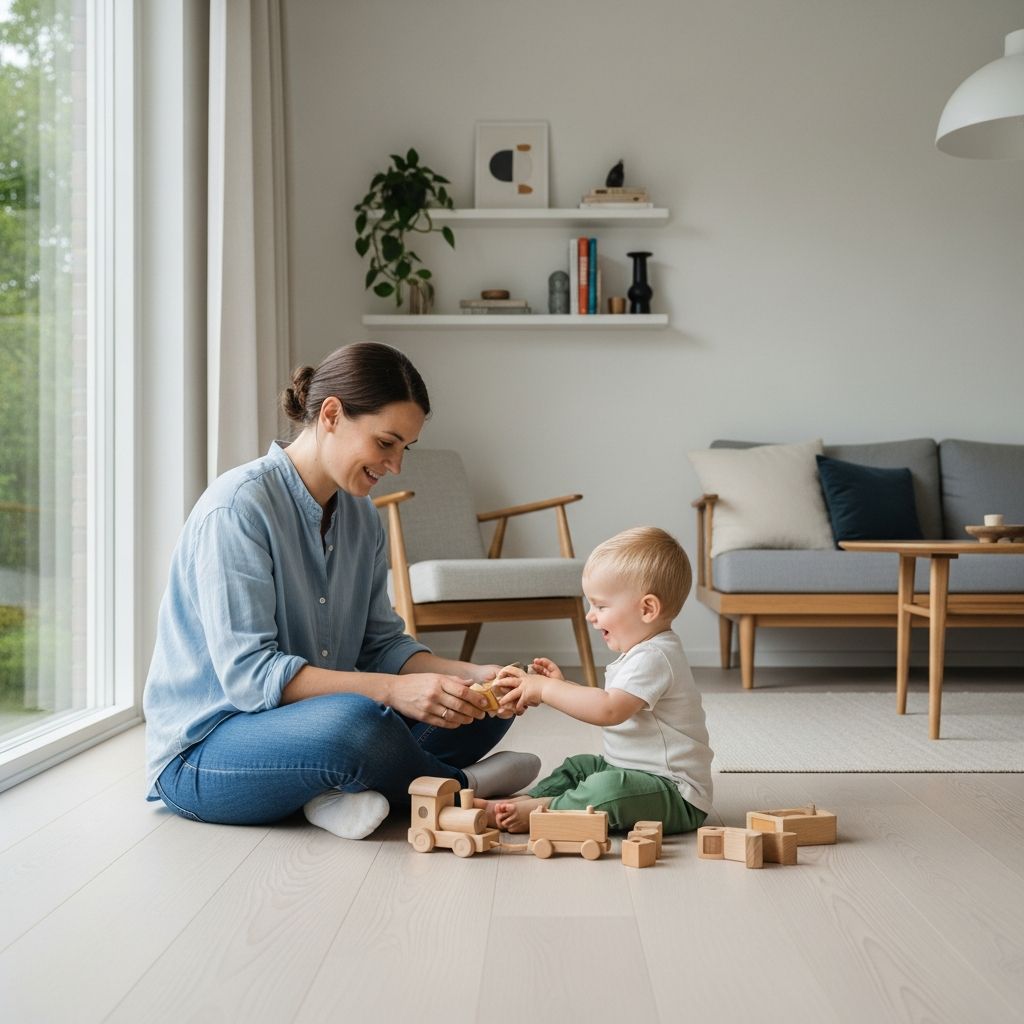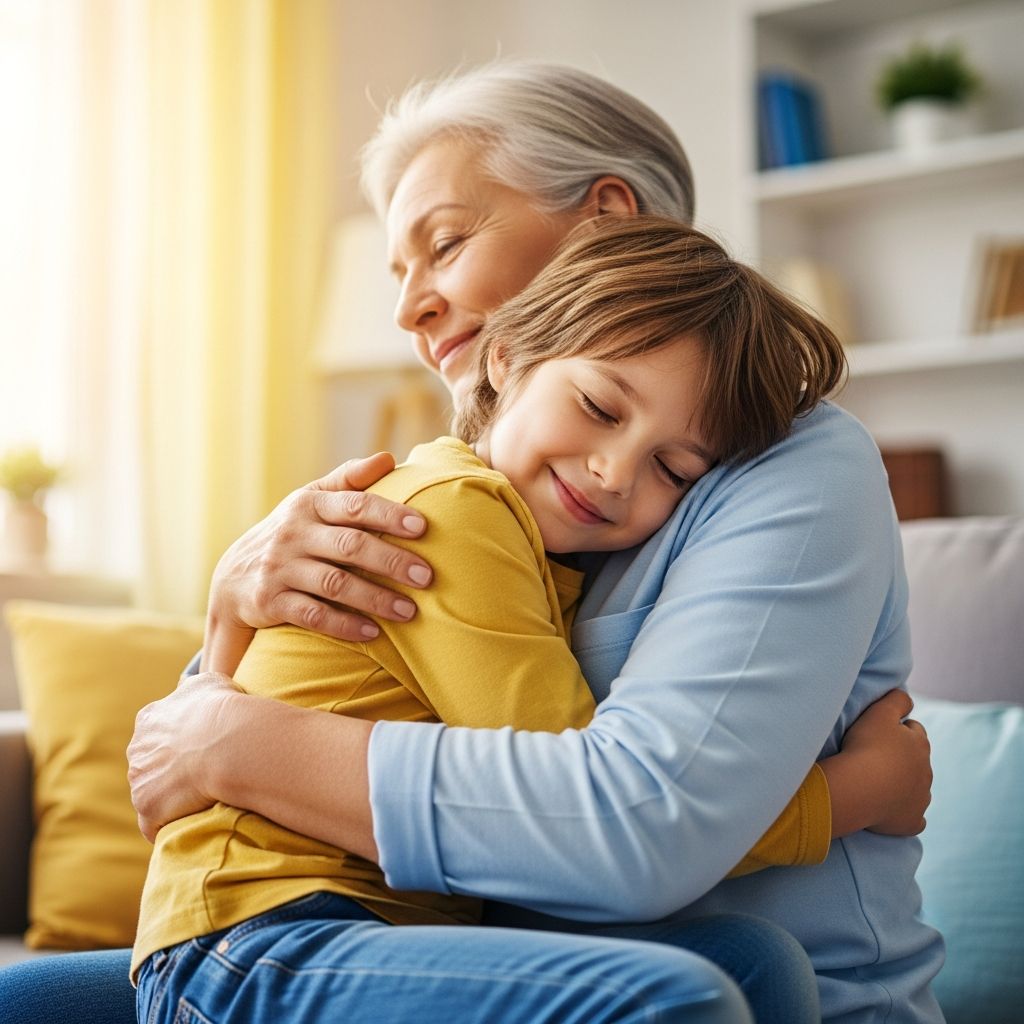
Physical touch through hugs plays a pivotal role in shaping a child’s emotional, cognitive, and physical trajectory. Research reveals that consistent hugging triggers biochemical responses that support healthy development from infancy through childhood.
Biochemical Magic: Hormones Unleashed by Embraces
When parents hug their children, the body releases oxytocin, often dubbed the ‘love hormone,’ alongside dopamine and serotonin. These neurotransmitters foster feelings of happiness, calm, and connection. Oxytocin reduces cortisol levels, the primary stress hormone, creating a relaxed state conducive to learning and emotional regulation.
Studies demonstrate that even brief hugs—lasting just 20 seconds—can elevate these hormones significantly. For infants over four months, parental hugs increase the RR interval in heart rate, signaling enhanced parasympathetic activity and reduced stress responses. This physiological shift not only calms the child but also strengthens parent-child bonding.
Building Emotional Fortitude from the Start
Hugs serve as a buffer against toxic stress, helping children process adversity more effectively. Children receiving frequent affectionate touch exhibit lower aggression and higher empathy, as hugs model emotional support and teach reciprocal care.
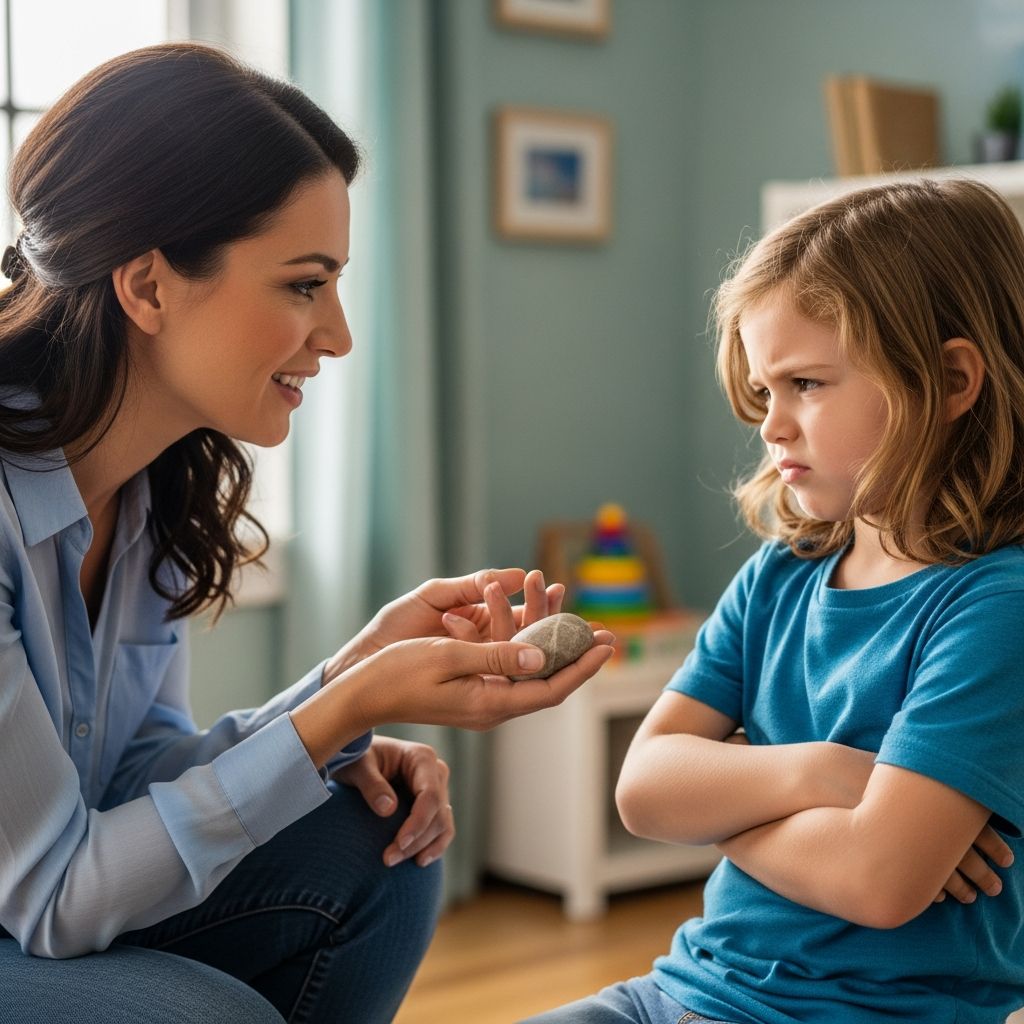
During tantrums or upsets, a hug can de-escalate distress by balancing adrenaline and cortisol surges with oxytocin’s soothing effects. This practice builds resilience, enabling kids to rebound faster and develop self-regulation skills essential for adulthood.
- Stress Reduction: Lowers cortisol, preventing long-term emotional distress.
- Empathy Development: Children learn comfort through being comforted.
- Positive Behavior: Promotes social interactions and reduces negative touch-seeking.
Physical and Cognitive Growth Accelerated by Touch
Skin-to-skin contact, akin to kangaroo care, via hugs stimulates brain and body development. Without adequate touch, physical growth can stagnate, as sensory input is vital for neural pathways. Hugs enhance immune function by curbing inflammation, bolstering resistance to illnesses.
Cognitively, a hug-rich environment lowers stress, heightening attentiveness and learning efficiency. Teachers note stronger student relationships and better academic performance in touch-positive settings.
| Developmental Area | Benefit from Hugs | Supporting Evidence |
|---|---|---|
| Physical | Brain/body growth, immune boost | Sensory stimulation via oxytocin |
| Cognitive | Improved focus, learning | Reduced cortisol for attentiveness |
| Emotional | Resilience, empathy | Secure attachment formation |
Long-Term Outcomes: Hugs Shape Adult Happiness
The effects of childhood hugs extend into adulthood. Affectionate early care correlates with lower anxiety and higher life satisfaction, potentially mitigating adverse childhood experiences (ACEs). Oxytocin from hugs acts as an emotional buffer, fostering happier, more stable adults.
A Duke University study found babies with attentive, hug-giving mothers less prone to emotional distress later in life, attributing this to sustained oxytocin benefits.
Age-Specific Hugging Strategies for Maximum Impact
Tailoring hugs to developmental stages optimizes benefits:
- Infants (0-4 months): Focus on gentle holds; tight pressure may activate stress responses, but soft contact builds trust.
- Older Infants (4+ months): Affectionate hugs increase heart rate variability positively, enhancing bonding.
- Toddlers/Preschoolers: Use during tantrums for co-regulation; 20-second hugs daily for growth stimulation.
- School-Age: Incorporate before/after school to combat daily stresses and promote empathy.
Parental Benefits: The Mutual Healing Power of Hugs
Hugs are reciprocal; parents experience RRI increases and calming effects during embraces, reducing their own stress. This mutual oxytocin release fortifies family bonds, making caregiving more rewarding.
Practical Tips to Integrate Hugs into Daily Routines
Making hugs habitual requires intention:
- Morning Ritual: Start the day with a 20-second squeeze to set a positive tone.
- Transition Hugs: Use during drop-offs/pick-ups to ease separations.
- Conflict Resolution: Hug after upsets to reaffirm safety.
- Bedtime Wind-Down: Prolonged cuddles release sleep-promoting hormones.
- Mindful Presence: Hug without distractions for deeper connection.
Even in busy schedules, prioritize touch over screens—swap phone time for embrace time.
Frequently Asked Questions (FAQs)
How many hugs does a child need daily?
Research suggests at least 12 hugs per day for optimal benefits, but quality matters more than quantity—aim for affectionate, prolonged contact.
Can hugs help with behavioral issues?
Yes, hugs reduce aggression and promote positive social behaviors by fulfilling touch needs and lowering stress.
Are tight hugs beneficial?
For infants under four months, tight hugs may increase stress; opt for gentle pressure. Older kids respond well to firm, loving squeezes.
What if my child rejects hugs?
Respect boundaries while offering consistently; over time, this builds secure attachment without force.
Do hugs benefit dads as much as moms?
Absolutely—parental hugs show similar physiological calming effects regardless of gender.
Overcoming Barriers to Physical Affection
Cultural norms or personal histories may inhibit hugging. Start small: family hug challenges or touch games normalize affection. Consistency rewires habits, yielding profound developmental gains.
In educational settings, advocate for touch-positive policies to extend benefits beyond home.
References
- 4 Ways Hugging Your Child Benefits Their Development — Bunnies by the Bay. 2023-05-15. https://bunniesbythebay.com/blogs/how-to-delight/4-ways-hugging-child-benefits-development
- Infants Show Physiological Responses Specific to Parental Hugs — National Center for Biotechnology Information (PMC). 2020-07-08. https://pmc.ncbi.nlm.nih.gov/articles/PMC7360522/
- How Hugs Help Stressed Kids — Mel Peirce Coaching. 2022-11-10. https://www.melpeirce.com/blog/howhugshelp
- Children Who Get Hugs Tend to Become Happier Adults — CPTSD Foundation. 2020-10-16. https://cptsdfoundation.org/2020/10/16/children-who-get-hugs-tend-to-become-happier-adults/
- The Benefits of Hugging Your Child — First 5 California. 2023-02-20. https://www.first5california.com/en-us/articles/the-benefits-of-hugging-your-child/