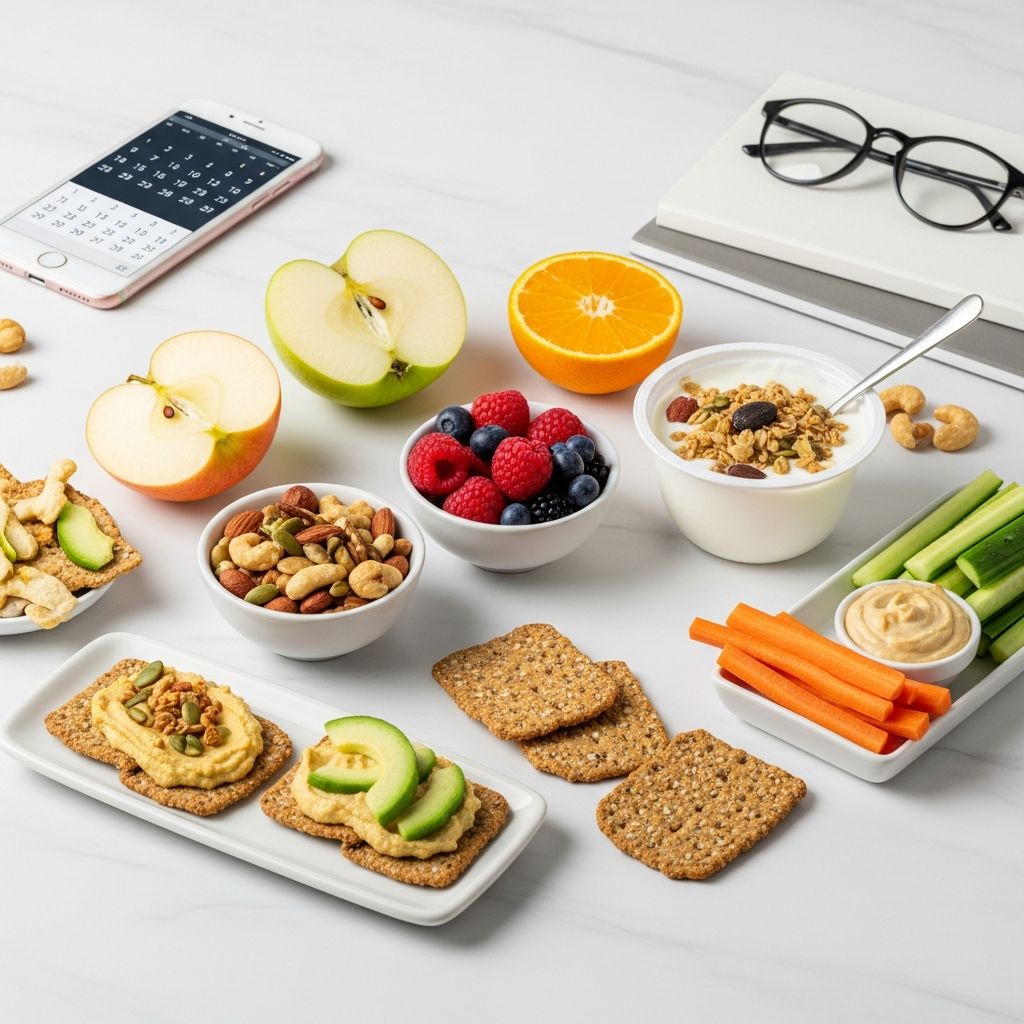
Rethinking Snacking in the Modern World
Snacking occupies a unique space in our daily nutrition landscape. Rather than viewing snacks as indulgences or guilty pleasures, contemporary nutrition science suggests that strategically chosen snacks can enhance overall health, stabilize blood sugar levels, and prevent overeating at main meals. The challenge lies not in whether to snack, but in making choices that align with your wellness objectives while accommodating the realities of contemporary life.
The evolution of snacking reflects broader changes in how we work, travel, and manage our time. With increasingly busy schedules, the demand for convenient yet nutritious options has never been greater. This article explores practical approaches to snacking that go beyond simple food lists, instead focusing on actionable strategies that transform snacking from a mindless habit into a deliberate component of your nutritional plan.
Understanding Nutritional Density in Snack Choices
Not all snacks provide equal nutritional value. The concept of nutrient density—the amount of vitamins, minerals, and other beneficial compounds relative to calorie content—becomes crucial when selecting snack foods. High-nutrient-density snacks deliver more health benefits per calorie consumed, making them particularly valuable for those managing weight or seeking sustained energy.
When evaluating snack options, consider the presence of protein, healthy fats, and complex carbohydrates. These macronutrient combinations create satiety, preventing the blood sugar crashes that lead to subsequent cravings. A snack containing only simple carbohydrates may provide quick energy but leave you hungry shortly thereafter, whereas a combination of protein and fiber creates lasting satisfaction.
Micronutrients matter equally in snack selection. Options rich in B vitamins, magnesium, and antioxidants support cellular function and provide sustained energy without the mid-afternoon slump associated with processed alternatives.
Strategic Preparation: The Foundation of Consistent Healthy Snacking
The most effective snacking strategies begin before hunger strikes. Proactive preparation removes decision-making during moments of vulnerability when less optimal choices become tempting. This approach acknowledges a fundamental truth: convenient options are those you’ll actually consume.
Pre-portioning serves multiple purposes simultaneously. First, it prevents overconsumption by establishing natural serving boundaries. Second, it eliminates preparation time when hunger intensifies decision fatigue. Third, it creates visual reminders of your snacking intentions throughout your living and working spaces.
Consider these preparation techniques:
- Wash and slice vegetables weekly, storing them in clear containers at eye level in your refrigerator
- Portion nuts and seeds into individual containers for grab-and-go access
- Prepare homemade snack bars or energy bites on weekends for weekday convenience
- Hard-boil eggs in batches, providing quick protein sources throughout the week
- Combine complementary ingredients in mason jars for layered snack preparations
Storage containers significantly influence snacking patterns. Research suggests that visible, accessible options receive greater consumption compared to those requiring retrieval effort. Bento boxes, silicone bags, and compartmentalized containers transform snack accessibility while supporting portion awareness.
Satisfying Specific Cravings with Nutritious Alternatives
Cravings signal legitimate nutritional or psychological needs. Rather than suppressing cravings through willpower alone, strategic substitution addresses underlying desires while maintaining nutritional integrity.
When Craving Crunch and Texture
The desire for crunchy foods often indicates a need for satisfying mouthfeel and sensory engagement. Rather than reaching for conventional chips, explore alternatives providing similar textural experiences with enhanced nutritional profiles.
- Frozen grapes deliver crystalline texture with natural sweetness and hydration
- Raw vegetables—carrots, bell peppers, celery—provide sustained crunch with minimal calories and maximum fiber
- Air-popped popcorn offers complex carbohydrates and B vitamins with satisfying texture
- Whole grain crackers with nutrient-dense toppings combine textural satisfaction with sustained energy
Addressing Sweet Tooth Impulses
Sweet cravings needn’t derail nutritional goals. Strategic combinations of naturally sweet foods with protein and healthy fats create dessert-like experiences while supporting sustained blood sugar.
- Whole fruits paired with nut butter provide natural sugars alongside protein and healthy fats
- Dates stuffed with almond or cashew butter deliver concentrated sweetness with nutrient density
- Plain Greek yogurt combined with minimal honey and granola creates indulgent-tasting snacks with substantial protein content
- Homemade mug cakes incorporating plant-based protein powder satisfy cake cravings without excessive sugar
Managing Savory and Salty Desires
Savory cravings frequently indicate sodium or umami deficiency. Addressing these cravings strategically means exploring naturally salty options that provide satiety without excessive sodium.
- Cheese cubes paired with whole grain crackers combine calcium with savory satisfaction
- Sea salt-sprinkled hard-boiled eggs provide protein-rich savory snacks with B vitamins
- Homemade trail mixes featuring nuts, seeds, and minimal added salt create customizable savory options
- Hummus paired with vegetable selections delivers savory depth through chickpea protein and healthy fats
Caloric Framework for Intentional Snacking
Understanding appropriate snack sizes within your overall caloric framework prevents snacking from obscuring nutritional goals. Most nutritionists recommend snacks ranging from 100 to 200 calories, though individual needs vary based on activity levels and meal timing.
| Caloric Range | Appropriate Snack Options | Best Timing |
|---|---|---|
| 100 calories | Single piece of fruit, 1-ounce cheese stick, handful of almonds, small yogurt serving | Light snack between close meals |
| 150 calories | Granola bar, medium banana, nut butter on crackers, multigrain tortilla chips | Mid-morning or afternoon pick-me-up |
| 200 calories | Half avocado with tortilla chips, tuna salad with crackers, cheese with pretzels | Substantial snack bridging meal gaps |
This framework provides flexibility while maintaining awareness. Rather than rigid restriction, these guidelines offer structure that accommodates individual preferences and hunger patterns.
Combining Foods for Enhanced Nutritional Benefit
Strategic food pairing multiplies snack nutritional value beyond individual components. Understanding complementary nutrient profiles enables creation of snacks exceeding the sum of their parts.
Protein and Fiber Synergy
Pairing protein sources with fiber-rich foods creates superior satiety compared to either component alone. This combination moderates blood glucose response and extends satisfaction duration. Consider:
- Apple slices with almond butter
- Whole grain crackers with hummus
- Vegetables with cottage cheese
- Legume-based dips with whole grain chips
Carbohydrate and Healthy Fat Integration
Simple carbohydrates combined with healthy fats slow glucose absorption, preventing energy crashes. This principle underpins effective snacking strategies:
- Whole grain toast with avocado
- Fruit with nuts or seeds
- Yogurt with granola and olive oil drizzle
- Banana with nut butter
Homemade Snack Preparation Techniques
Creating snacks at home provides complete ingredient control, eliminating hidden sugars and unhealthy fats common in commercial products. This transparency becomes particularly valuable for those managing specific dietary considerations.
No-Bake Energy Solutions
Time-efficient snack preparation needn’t require oven use. No-bake approaches provide immediate gratification while delivering substantive nutrition. Dates, nuts, and natural nut butters combine into satisfying bites requiring only mixing and portioning. These preparations store well, supporting week-long snack availability.
Baked Snack Foundations
Homemade baked goods eliminate commercial additives while accommodating flavor experimentation. Simple banana oat cookies, blueberry muffins, and zucchini-based preparations provide nutrient-dense bases for creative variations. Batch preparation converts brief kitchen time into week-long snack availability.
Quick Vegetable Preparations
Vegetable-forward snacks require minimal preparation while delivering maximum nutritional value. Roasted chickpeas, baked vegetable chips, and sautéed vegetable combinations offer warm, satisfying alternatives to raw vegetables without excessive calorie addition.
Reading Labels and Understanding Hidden Additives
Commercial snack products frequently contain hidden sugars, unhealthy fats, and additives undermining stated health claims. Developing label-reading competency becomes essential for informed snack selection, particularly when homemade options prove impractical.
Key parameters warrant attention:
- Added sugars should remain minimal—preferably under 5 grams per serving
- Saturated fats should constitute less than 10 percent of daily caloric intake
- Ingredient lists should feature recognizable whole foods rather than chemical additives
- Serving sizes require scrutiny—packages often contain multiple servings despite appearing single-serving
This awareness transforms snack selection from emotional impulse into intentional choice aligned with personal wellness objectives.
Portable Snacking for Active Lifestyles
Modern life demands snacking solutions accommodating travel, gym sessions, and workplace constraints. Strategic packaging and shelf-stable options enable consistent nutritious snacking regardless of location.
Optimal portable snacks demonstrate specific characteristics:
- Minimal refrigeration requirements—nuts, dried fruit, whole grain crackers
- Resistant to crushing or deterioration during transport
- Individual portioning preventing overconsumption
- Sufficient nutritional density justifying carrying weight
- Appealing flavors sustaining consumption preference
Bento-style containers, reusable silicone bags, and insulated coolers transform portability, enabling consistent access to preferred options throughout busy days.
Addressing Common Snacking Pitfalls
Understanding frequent snacking challenges enables proactive strategies preventing common derailments.
Mindless Consumption
Eating without intentional awareness frequently results in excessive consumption despite moderate hunger. Establishing snacking rituals—consuming snacks at designated times in specific locations—reintroduces mindfulness into eating patterns.
Emotional Eating Patterns
Distinguishing physical hunger from emotional appetite requires honest self-assessment. When snacking urges arise, pausing to evaluate genuine hunger versus emotional seeking enables deliberate choice rather than automatic consumption.
Convenience Over Nutrition
When nutritious options require substantial preparation, less optimal alternatives naturally emerge. Addressing this challenge through advance preparation removes convenience as justification for suboptimal choices.
Customizing Snacking Strategies to Individual Needs
Effective snacking strategies acknowledge individual variation in preferences, schedule, and nutritional requirements. Rather than adopting prescriptive approaches, personal customization creates sustainable practices.
Consider these customization dimensions:
- Activity level and corresponding caloric needs
- Dietary restrictions and food sensitivities
- Cultural food preferences and traditions
- Schedule patterns and meal timing variation
- Financial constraints and budget prioritization
- Storage capacity and kitchen equipment availability
Acknowledging these variables enables creation of realistic, sustainable snacking practices rather than aspirational ideals proving impractical within individual circumstances.
Frequently Asked Questions
Q: How frequently should I snack throughout the day?
A: Optimal snacking frequency depends on meal timing, activity level, and individual metabolism. Most people benefit from one to two snacks between meals, particularly when meals are separated by more than four hours. Hunger serves as the primary guide—snacking should address genuine appetite rather than follow rigid schedules.
Q: Can snacking support weight management goals?
A: Yes, strategically chosen snacks prevent excessive hunger leading to overeating at meals. Protein and fiber-rich snacks particularly support satiety, reducing total daily caloric consumption compared to skipping snacks entirely. The key involves selecting nutrient-dense options within appropriate caloric ranges rather than eliminating snacking altogether.
Q: What distinguishes healthy store-bought snacks from deceptive “health” marketing?
A: Reading ingredient lists and nutrition labels provides accurate information beyond marketing claims. Words like “natural,” “wholesome,” or “multigrain” lack regulatory definition; actual ingredients and nutrient content reveal true nutritional value. Added sugars and saturated fats represent primary concerns warranting scrutiny regardless of marketing language.
Q: How do I prevent snacking from becoming excessive?
A: Portion control, mindful consumption practices, and strategic placement of nutritious options prevent snacking excess. Pre-portioning snacks into individual containers establishes natural boundaries. Eating snacks seated and without distractions reintroduces awareness, reducing automatic overconsumption common during distracted eating.
Q: Are there snack options suitable for specific dietary approaches?
A: Numerous snacks accommodate various dietary frameworks. Vegetarian and vegan options include nuts, seeds, legume-based dips, and whole fruits. Low-carbohydrate approaches emphasize protein-rich and healthy-fat options like cheese, nuts, and vegetables. Gluten-free individuals select naturally gluten-free options including fruit, nuts, yogurt, and appropriately labeled commercial products.
References
- Healthy Snack Hacks — The Arthritis Movement. 2024. https://www.arthritis.org.au/arthritis/arthritis-insights/nutrition-for-joint-health/healthy-snack-hacks/
- Snack Hack: Make Healthy Snacks Work for You — UT Southwestern Medical Center. 2026-02-20. https://utswmed.org/medblog/healthy-snacks-weight/
- 10 Healthy Snack Hacks to Tame Your Cravings — Daily Burn. 2024. https://dailyburn.com/life/recipes/healthy-snack-hacks/
- Healthy Snacks on the Go: 24 Tasty Ideas To Fuel Your Busy Life — Perfect Snacks. 2024. https://perfectsnacks.com/blogs/post/healthy-snacks-on-the-go-24-tasty-ideas-to-fuel-your-busy-life
- 21 Healthy Snack Recipes — One Ingredient Chef. 2024. https://oneingredientchef.com/healthy-snack-ideas/