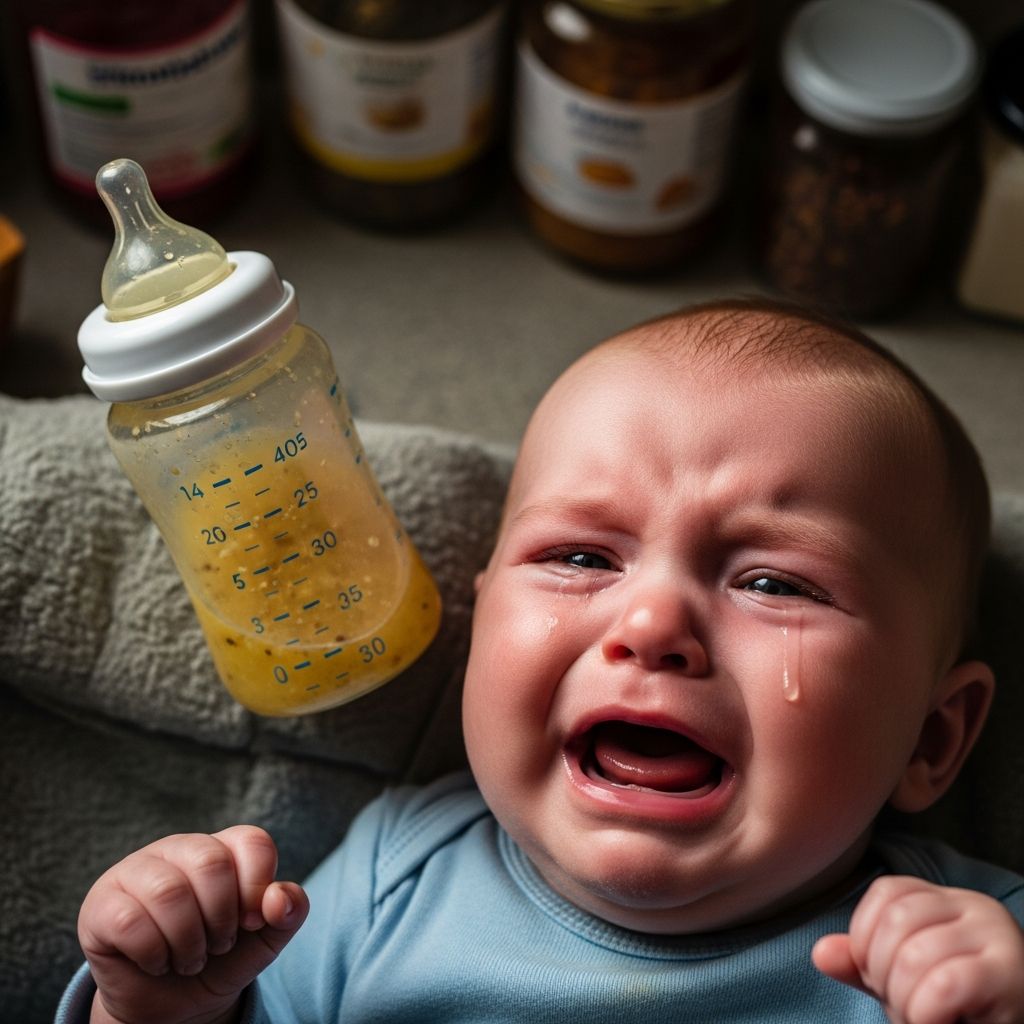
Homemade infant formulas have surged in popularity, driven by online recipes and past shortages, but they present profound health hazards for vulnerable newborns who depend on precise nutrition for survival and development. Health agencies worldwide strongly caution against their use due to risks of malnutrition, contamination, and life-threatening conditions.
The Alarming Uptick in DIY Infant Feeding
In recent years, social media platforms have exploded with tutorials for crafting baby formula at home using everyday ingredients like raw milk, nuts, or grains. Parents, facing high costs or supply disruptions, turn to these ‘natural’ alternatives promising cost savings and perceived purity. However, this trend ignores the intricate science behind commercial formulas, which mimic breast milk’s exact balance of proteins, fats, vitamins, and minerals essential for rapid infant growth.
Infants’ digestive systems and metabolic needs differ vastly from adults, requiring formulations tested for bioavailability and sterility. Online recipes often fail spectacularly, leading to imbalances that stunt development or trigger acute illnesses. A proliferation of such content underscores a dangerous gap in public awareness about infant nutrition standards.
Critical Nutritional Shortfalls in Homemade Mixtures
Commercial infant formulas undergo rigorous FDA evaluation to ensure they meet or exceed minimum nutrient levels, preventing adulteration. Homemade versions bypass this, frequently lacking vital elements like iron, vitamin D, calcium, or essential fatty acids. For instance, recipes substituting cow’s milk overlook its high protein and mineral load, which can overload immature kidneys, while skimping on brain-building DHA.
- Iron Deficiency: Many DIY recipes omit fortified iron, risking anemia and cognitive delays, as infants deplete prenatal stores by six months.
- Vitamin Imbalances: Excess or deficient fat-soluble vitamins can cause toxicity or rickets, with documented cases of hypocalcemia hospitalization.
- Protein Overload: Unadjusted animal milks strain renal function, potentially leading to dehydration or failure to thrive.
These gaps aren’t theoretical; real-world incidents reveal infants suffering severe malnutrition from even short-term use, with lasting impacts on neurological and skeletal health.
Bacterial Contamination: A Hidden Menace
Beyond nutrition, homemade preparations invite bacterial threats absent in factory-sterilized products. Raw or unpasteurized milks, common in recipes, harbor pathogens like E. coli, Salmonella, or Listeria, devastating for immunologically naive infants. Home kitchens lack industrial sanitation, amplifying risks from improper mixing, storage, or reheating.
Health advisories highlight how contamination sparks foodborne outbreaks, sepsis, or necrotizing enterocolitis in preemies. Powdered dilutions or ‘hacks’ like diluting formula exacerbate this by fostering bacterial growth in under-mixed bottles.
Real Cases: Infants Hospitalized from DIY Formulas
Documented emergencies paint a grim picture. The FDA reported infants hospitalized for hypocalcemia after consuming homemade blends, exhibiting seizures and heart irregularities from calcium crashes. CDC-tracked cases linked vitamin D-deficient rickets to nutrient-poor recipes, while watered-down formulas caused electrolyte chaos and cerebral edema.
Poison control centers note surging inquiries during shortages, with experts warning that even well-intentioned parents risk catastrophe. A PMC study scrutinized recipes, uncovering harmful additives like unpasteurized milks and absent safety protocols, urging case reporting to quantify prevalence.
| Issue | Symptoms | Consequences |
|---|---|---|
| Nutrient Deficiency | Lethargy, poor weight gain | Anemia, developmental delays |
| Contamination | Vomiting, diarrhea, fever | Sepsis, hospitalization |
| Electrolyte Imbalance | Seizures, swelling | Brain damage, death |
Why Commercial Formulas Excel: Regulation and Science
FDA-mandated standards ensure every batch delivers bioequivalent nutrition to breast milk, with iron fortification preventing widespread deficiencies seen historically. Powdered and ready-to-feed options undergo sterility testing, pathogen controls, and shelf-life validation—impossible in home settings.
Pediatricians emphasize that formulas support exclusive feeding up to six months, bridging breastfeeding gaps without compromise. Innovations like hypoallergenic or preterm variants reflect ongoing research, far surpassing ad-hoc recipes.
Safe Strategies During Formula Scarcity
Shortages test resilience, but safety trumps improvisation. Stockpile approved formulas ahead, use milk banks for donor human milk, or consult WIC programs for aid. Never dilute, hack, or import unverified products, as they evade U.S. safety nets.
- Purchase from licensed retailers or manufacturers directly.
- Follow exact preparation instructions: wrong ratios spell disaster.
- Consult pediatricians for allergies or transitions, avoiding unsolicited advice.
- Prioritize breastfeeding support if possible, with lactation experts.
Global Consensus Against Homemade Formulas
Authorities unite in condemnation. Health Canada warns of malnutrition and bacterial perils from internet recipes, while CDPH echoes FDA on contamination and imbalance risks. AAP forbids cow’s milk or substitutes before one year, citing unbalanced profiles. Rutgers experts decry life-threatening substitutes during crises.
This harmony reflects evidence: no homemade recipe matches regulated precision, and deviations imperil the 20 million U.S. infants reliant on formula annually.
Empowering Parents with Knowledge
Armed with facts, caregivers can sidestep pitfalls. Recognize social media hype as unvetted, prioritize evidence-based feeding, and report adverse events to track trends. Pediatric checkups catch issues early, ensuring thriving babies.
Ultimately, infant nutrition is too critical for experimentation. Commercial formulas, backed by decades of data, safeguard the foundation of health.
Frequently Asked Questions
Can homemade formula ever be safe for my baby?
No, health authorities like the FDA and AAP unanimously advise against it due to untested nutrition and contamination risks. Stick to approved products.
What should I do if formula is hard to find?
Buy from trusted sources, use assistance programs like WIC, or seek donor milk banks. Consult your doctor before alternatives.
Is raw milk better in DIY recipes?
Absolutely not—raw milk carries deadly bacteria and unsuitable nutrients for infants under one year.
How do I properly prepare store-bought formula?
Wash hands, sterilize bottles, use water at 70°C+ for powders, and measure precisely per label to avoid errors.
What are signs my baby isn’t getting proper nutrition?
Watch for poor weight gain, fussiness, constipation, or pallor—contact your pediatrician immediately.
References
- FDA Advises Parents and Caregivers Not to Make or Feed Homemade Infant Formula to Infants — U.S. Food and Drug Administration. 2021-02-24. https://www.fda.gov/food/alerts-advisories-safety-information/fda-advises-parents-and-caregivers-not-make-or-feed-homemade-infant-formula-infants
- Dangers of Homemade Infant Formula and Formula Hacks — Nationwide Children’s Hospital. 2024-10. https://www.nationwidechildrens.org/family-resources-education/700childrens/2024/10/dangers-of-homemade-infant-formula
- Health Advisory: CDPH Advises Parents and Caregivers Against Using Homemade Infant Formula — California Department of Public Health. N/A. https://www.cdph.ca.gov/Programs/CFH/CDPH%20Document%20Library/Infant-Formula/CAHAN-WIC-Formula.pdf
- Don’t feed homemade formula to babies; seek help instead — American Academy of Pediatrics. N/A. https://publications.aap.org/aapnews/news/8763/Don-t-feed-homemade-formula-to-babies-seek-help
- Safety of Homemade Infant Formulas in Canada — Health Canada. N/A. https://www.canada.ca/en/health-canada/services/canada-food-guide/resources/nutrition-healthy-term-infants/safety-homemade-infant-formulas-canada.html
- Homemade Recipes Aren’t a Safe Solution for Baby Formula Shortage — Rutgers Health. N/A. https://rutgershealth.org/news/homemade-recipes-arent-safe-solution-baby-formula-shortage