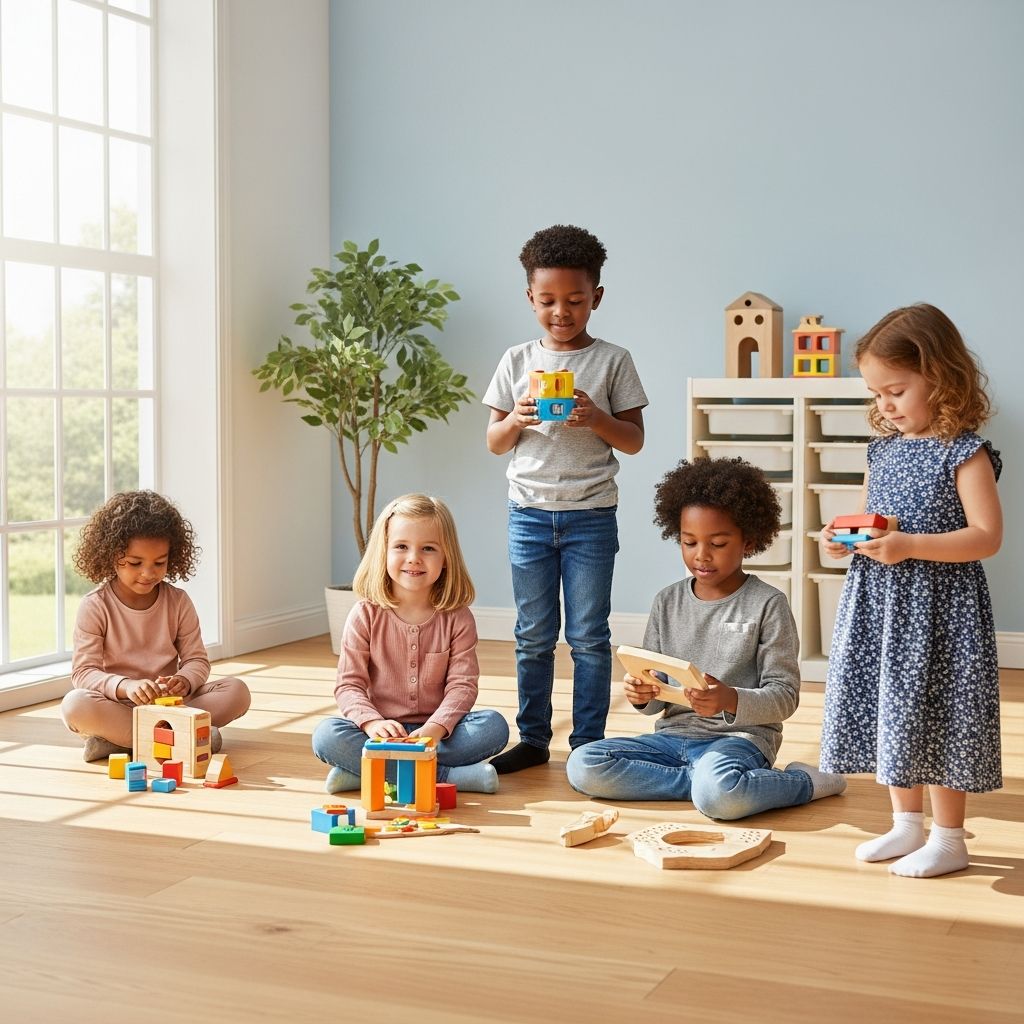
Generic praise like “good job” is common in parenting, but research shows it can undermine long-term motivation and resilience in children. Instead, specific feedback focusing on effort, process, and observations builds intrinsic drive and a growth mindset. This article explores why traditional praise often backfires and provides practical alternatives drawn from child development experts.
Why ‘Good Job’ Doesn’t Work as Well as You Think
Praise that evaluates a child’s performance, such as “good job” or “you’re so smart,” creates external validation dependency. Children praised for innate traits like intelligence may avoid challenges to protect their ‘smart’ image, leading to fixed mindsets. In contrast, effort-focused feedback encourages persistence through difficulties.
Child psychologist Carol Dweck’s studies demonstrate that praising process over outcome helps kids view abilities as malleable. For instance, students told “you must have worked hard” after a task outperformed those praised as “smart.” This fosters resilience, as kids learn success stems from controllable actions like practice and strategy.
Additionally, vague praise provides little actionable insight. A child hearing “good job” on a drawing doesn’t know if it’s the colors, effort, or creativity appreciated. Specific comments guide improvement and self-reflection.
The Power of Process-Oriented Encouragement
Shifting to process praise highlights actions within a child’s control: perseverance, strategies, and choices. This builds self-efficacy, where kids believe “I can improve with effort.” Key principles include:
- Specificity: Name the exact behavior or skill observed.
- Effort emphasis: Highlight persistence over results.
- Observation: Describe what you see without judgment.
- Questions: Prompt self-assessment to internalize pride.
These methods align with recommendations from the American Academy of Pediatrics, which advises against over-relying on rewards or generic praise to promote healthy emotional development.
20 Specific Phrases to Use Instead
Here are original, categorized phrases inspired by expert advice. Adapt them to your child’s age and context for authenticity.
For Creative Efforts
- “I see you mixed blue and yellow to make green—how did that idea come to you?”
- “You kept experimenting with shapes until it stood tall. What kept you going?”
- “That pattern with the blocks looks thoughtful. Tell me about your plan.”
For Academic or Problem-Solving
- “You tackled those tricky math steps one by one—what strategy worked best?”
- “Look at all the pages you read today. How does that feel?”
- “You didn’t give up on the puzzle; your focus paid off.”
For Physical Achievements
- “Your legs powered you up those stairs—strong work!”
- “You practiced that kick over and over. I see your improvement.”
- “Balancing took concentration. How did you stay steady?”
For Social and Kind Acts
- “Your friend smiled when you shared—kindness in action.”
- “You listened patiently. That helped everyone.”
- “Inviting them to play showed thoughtfulness.”
General Effort Boosters
- “I appreciate how you stuck with it.”
- “Your hard work shines through.”
- “You chose to keep trying—impressive.”
- “That took real patience from you.”
Use these sparingly and genuinely. Pair with eye contact and enthusiasm for maximum impact.
Strategies Beyond Words: Non-Verbal and Question-Based Support
Sometimes, words aren’t needed. A smile, nod, or hug conveys attention effectively, especially during focused play. Alfie Kohn notes that genuine interest—watching without interrupting—encourages more than evaluative comments.
Ask open-ended questions to promote reflection:
| Situation | Question Example | Benefit |
|---|---|---|
| Art project | “What inspired those colors?” | Encourages storytelling and pride |
| Toy cleanup | “How did you sort them so quickly?” | Highlights strategy |
| Sports practice | “What felt strongest today?” | Builds self-awareness |
| Helping at home | “What made that task easier this time?” | Fosters problem-solving |
Express gratitude for everyday contributions: “Thank you for setting the table—it makes dinner smoother.” This reinforces helpfulness without evaluation.
Age-Appropriate Adaptations
Tailor feedback to developmental stages:
- Toddlers (1-3): Simple observations like “You stacked three blocks!” build vocabulary and pride.
- Preschoolers (4-5): Add effort: “You zipped your jacket after trying twice.”
- School-age (6-10): Questions: “How did you figure out that science question?”
- Tweens (11+): Reflective: “What are you most proud of in this project?”
For neurodiverse children or those with challenges, focus on small wins to avoid frustration.
Common Pitfalls and How to Avoid Them
Avoid these traps:
- Over-praising: Constant feedback disrupts flow. Observe silently often.
- False specificity: Don’t force details; be honest.
- Comparing: Never say “better than your sister.” Focus on personal growth.
- Outcome-only: Praise effort even in ‘failure,’ e.g., “You tried new moves—brave!”
Track your habits: For a week, note ‘good job’ instances and replace with alternatives. Parents report stronger child connections within days.
Long-Term Benefits Backed by Science
Consistent process praise yields measurable gains. A longitudinal study found growth-mindset reinforced kids achieved higher grades and enjoyed learning more. They also show better emotional regulation, as self-worth ties to actions, not fixed traits.
The CDC emphasizes positive parenting reduces behavioral issues and boosts academic success. Families using descriptive feedback report fewer tantrums and more initiative.
Frequently Asked Questions (FAQs)
What if my child asks for ‘good job’ directly?
Acknowledge: “I see you’re proud—tell me why!” This redirects to self-praise.
Does this work for all kids?
Yes, but individualize. Some need more structure; consult pediatric guidelines.
How often should I comment?
Only when engaged. Silence during independent play is golden.
Can I still celebrate big wins?
Yes: “Your preparation led here—celebrate that effort!”
What about schools using stickers?
Discuss with teachers; advocate for effort-focused rewards.
Putting It All into Practice: A Daily Plan
Start small:
- Morning: Notice routines, e.g., “You brushed thoroughly.”
- Playtime: Observe and question.
- Challenges: Cheer effort, “Keep going—you’re close!”
- Evening: Reflect, “What was hard but you did it?”
Model self-talk: “I tried again and it worked.” Kids mimic this resilience.
Transforming praise habits empowers children for life. Effort begets success, and your words plant those seeds.
References
- Mindset: The New Psychology of Success — Carol Dweck. 2006 (seminal work, still foundational per recent reviews). https://www.apa.org/monitor/2007/08/praise
- Implicit Theories of Intelligence Predict Achievement Across an Adolescent Transition — Blackwell, Trzesniewski, Dweck. 2007-01-01. https://doi.org/10.1037/0022-0663.95.1.13
- Positive Parenting Tips — Centers for Disease Control and Prevention. 2024-10-01. https://www.cdc.gov/parents/essentials/positiveparenting/index.html
- Punished by Rewards — Alfie Kohn. 1993 (updated editions relevant). https://www.alfiekohn.org/books/pbr.htm
- Parenting Knowledge, Attitudes, and Practices — American Academy of Pediatrics. 2022-05-01. https://publications.aap.org/pediatrics/article/149/Supplement_2/S102/188726