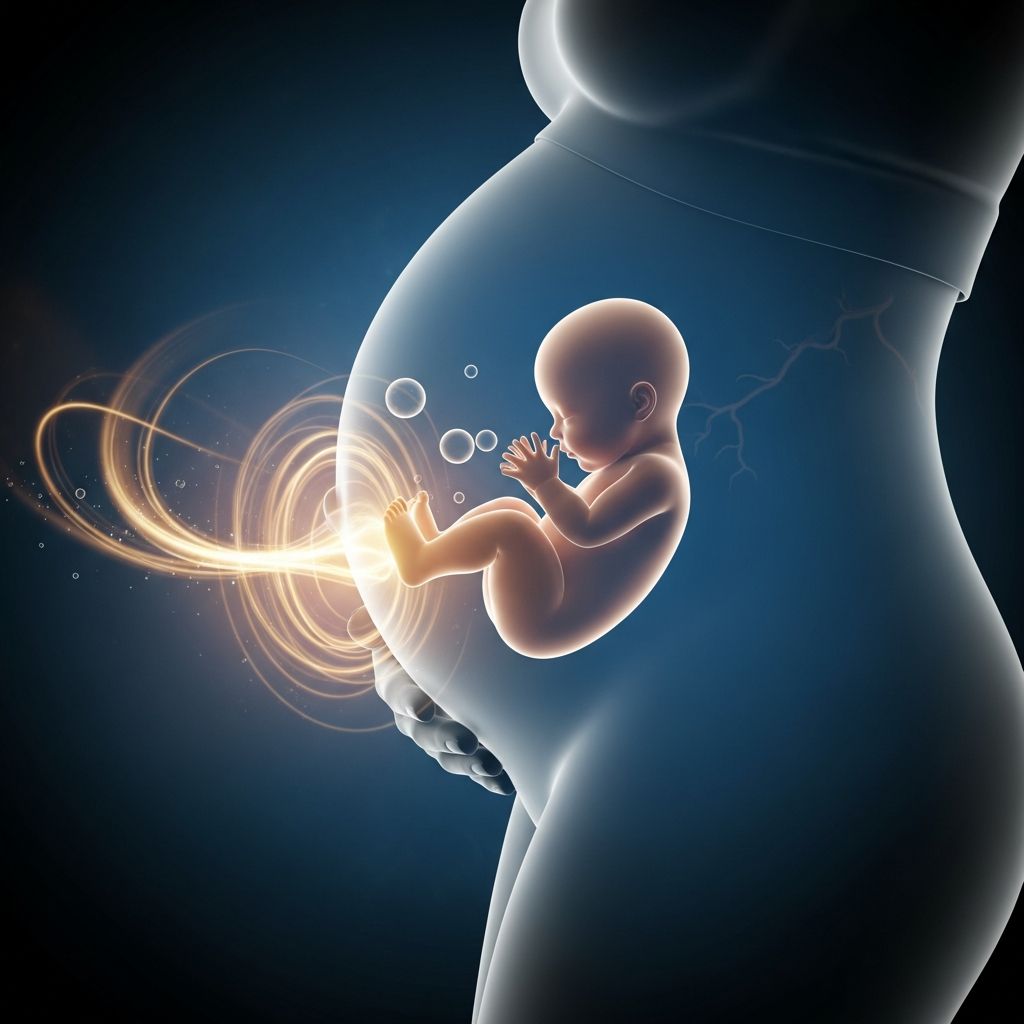
Vigorous fetal movements during pregnancy captivate expectant parents, sparking curiosity about their purpose and significance. These lively kicks and rolls serve critical roles in your baby’s growth, from strengthening muscles to fine-tuning neural connections, while also offering vital clues about well-being.
The Developmental Power of Prenatal Activity
Fetal movements begin early, around the seventh week of gestation, starting as subtle twitches and evolving into robust somersaults by the third trimester. This progression isn’t random; it drives essential physiological processes. For instance, repetitive motions help sculpt skeletal muscles and refine motor control, preparing the baby for life outside the womb.
Research highlights how these activities contribute to lung maturation. Each kick expands the chest cavity, promoting fluid shifts that mimic breathing exercises. Similarly, limb flailing strengthens bones and joints, countering the effects of weightlessness in amniotic fluid. Without such dynamism, developmental milestones could falter, underscoring movement as a cornerstone of healthy gestation.
Brain Growth Fueled by Motion
One of the most compelling reasons for increased fetal activity lies in **brain development**. Studies indicate that movements stimulate neural pathways, fostering synapse formation and sensory integration. As the fetus explores its confined environment through twists and turns, proprioceptive feedback—awareness of body position—sharpens, laying groundwork for coordinated actions post-birth.
In the third trimester, when movements peak in vigor, the brain undergoes rapid expansion. Vigorous activity correlates with enhanced cortical folding, which boosts cognitive capacity. This phase aligns with bursts of neuronal migration, where motion acts as a catalyst, ensuring cells reach optimal positions for functions like memory and learning.
Daily Rhythms in Fetal Kicks
Fetal activity follows intriguing patterns, often peaking in the evening when maternal glucose levels rise after meals. This diurnal cycle reflects the baby’s responsiveness to environmental cues, such as oxygen availability and nutrient influx. Cross-sectional data from late pregnancy reveals that **strength and frequency** of movements vary by gestational age, with ‘busy times’ becoming more pronounced closer to term.
| Gestational Week | Average Movement Strength | Peak Frequency | Common Patterns |
|---|---|---|---|
| 28-32 weeks | Moderate | 15-20/hour | Evening surges |
| 33-36 weeks | Strong | 20-30/hour | Hiccups increase |
| 37+ weeks | Very strong | 10-25/hour | Space-constrained rolls |
This table summarizes maternally reported data, showing how patterns evolve to support final growth spurts.
Health Signals from Womb Gymnastics
Beyond development, fetal movements act as a barometer of health. Consistent activity reassures parents and clinicians alike, indicating adequate oxygenation and placental function. Conversely, sudden decreases prompt urgent checks, as they may signal distress. Recent meta-analyses confirm that routine monitoring from 28 weeks reduces adverse outcomes by enabling timely interventions.
Increased Movements: Alarm or Normalcy?
A single episode of unusually vigorous fetal activity has sparked debate. Some older observations linked it to heightened stillbirth risk, particularly in the Auckland Stillbirth Study, where women reporting one such event faced a seven-fold increase. However, replicated findings from the UK MiNES Study nuance this: repeated episodes appeared protective, halving the risk.
Contrasting views emerge from prospective research. The INVEST study, tracking 64 women with perceived increases, found no stillbirths or major complications; only 10% had minor issues like small size or neonatal care needs. Placentas and cords showed no abnormalities, suggesting such bursts are typically benign. A 2024 systematic review of seven studies echoed this, revealing no ties to birth weight issues, NICU admissions, or maternal conditions like gestational diabetes, though it noted higher labor induction rates.
- No significant perinatal mortality link: Pooled odds not statistically elevated.
- Lower cesarean rates: IFM group showed protective vaginal delivery trends.
- Induction association: Warrants monitoring but not alarm.
When to Monitor and Act
Expectant mothers should track their baby’s unique patterns, noting daily totals and any deviations. Guidelines recommend contacting healthcare providers if movements drop below 10 in two hours post-meal or if vigor changes abruptly. Tools like kick charts aid this, empowering proactive care.
For increased activity, context matters. Isolated events rarely signal trouble per recent data, but paired with pain, bleeding, or reduced follow-up motion, seek evaluation. Ultrasound and cardiotocography can assess heart rate and amniotic fluid swiftly.
Practical Tips for Tracking Baby’s Moves
- Choose a quiet time daily, ideally after eating.
- Lie on your left side for optimal fetal positioning.
- Count rolls, kicks, or flutters until reaching 10 in two hours.
- Log patterns in an app or journal for trends.
- Report any persistent changes immediately.
Parental Bonding Through Movement
These interactions transcend monitoring; they forge emotional bonds. Feeling a responsive kick to a poke or voice strengthens attachment, releasing oxytocin in both mother and baby. This sensory dialogue enhances postnatal recognition and security.
Future Research Directions
While current evidence reassures on increased movements, gaps persist. Larger cohorts could clarify induction links and refine risk stratification. Wearable tech for precise quantification promises to revolutionize monitoring, potentially averting rare adverse events.
Frequently Asked Questions
Is too much fetal movement a cause for concern?
Generally no; studies like INVEST show no poor outcomes from sustained increases. A single vigorous episode may warrant a check if unprecedented, but repeats are often reassuring.
How many movements should I feel daily?
From 28 weeks, aim for at least 10 in two hours during active periods. Patterns vary, so know your baby’s norm.
Why do movements decrease near term?
Space constraints limit flips, but strength persists. Hiccups and stretches replace somersaults.
Can diet influence kick intensity?
Yes, snacks boost glucose, prompting activity peaks—handy for counting sessions.
Should partners track movements too?
Absolutely; external observation adds data, especially if maternal sensation dulls late-term.
Empowering Your Pregnancy Journey
Understanding fetal movements demystifies pregnancy, turning curiosity into confidence. By attuning to these signals, parents safeguard health while marveling at life’s intricate dance within. Consult professionals for personalized advice, ensuring a joyful path to parenthood.
References
- The association between increased fetal movements in the third trimester and perinatal outcomes: a systematic review and meta-analysis — BMC Pregnancy and Childbirth. 2024-05-15. https://pmc.ncbi.nlm.nih.gov/articles/PMC11095027/
- The INVEST study: Can increased fetal movement be a sign that something is wrong? — Tommy’s. 2020-08-31. https://www.tommys.org/research/research-topics/stillbirth-research/invest-study-can-increased-fetal-movement-be-sign-something-wrong
- A diurnal fetal movement pattern: Findings from a cross-sectional study of maternally perceived fetal movements in the third trimester of pregnancy — PLOS ONE. 2019-06-12. https://journals.plos.org/plosone/article?id=10.1371/journal.pone.0217583
- Fetal movements as a predictor of health — Acta Obstetricia et Gynecologica Scandinavica. 2016-01-01. https://obgyn.onlinelibrary.wiley.com/doi/10.1111/aogs.12944