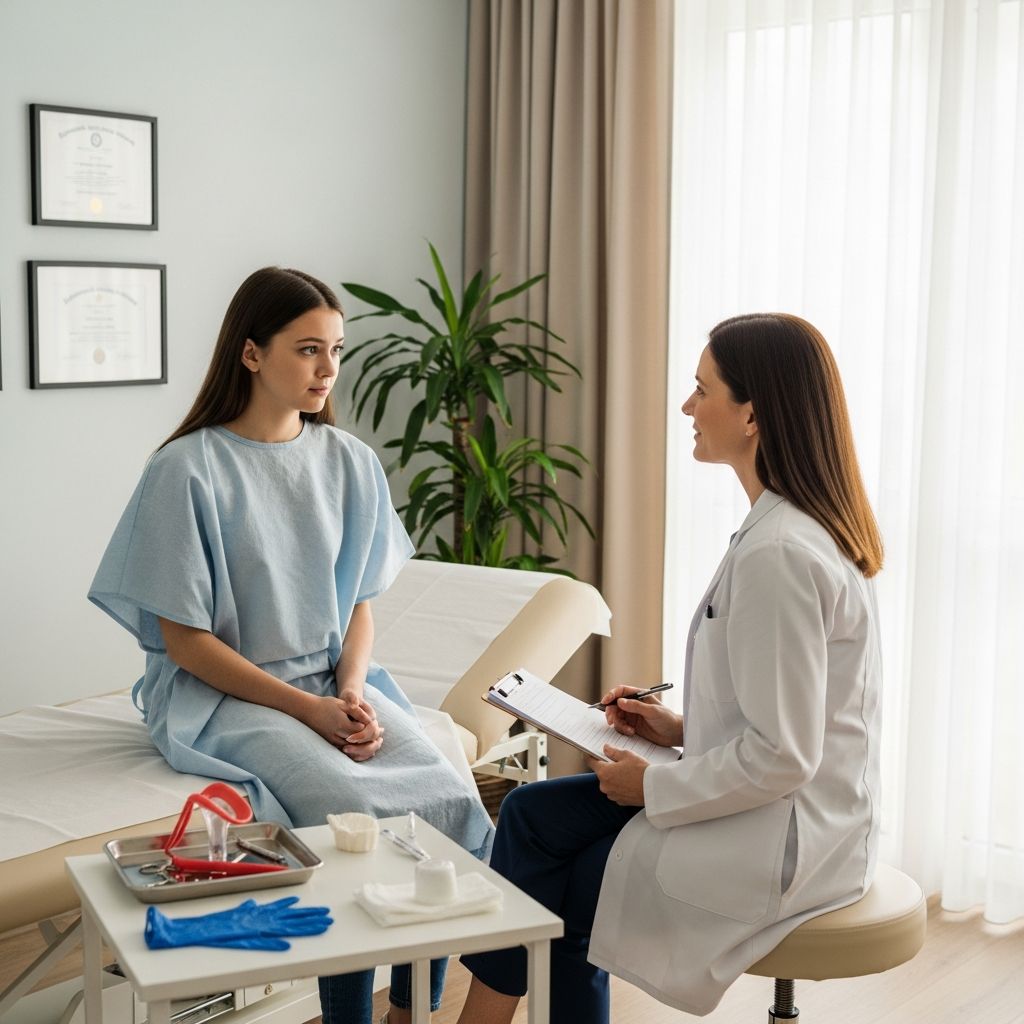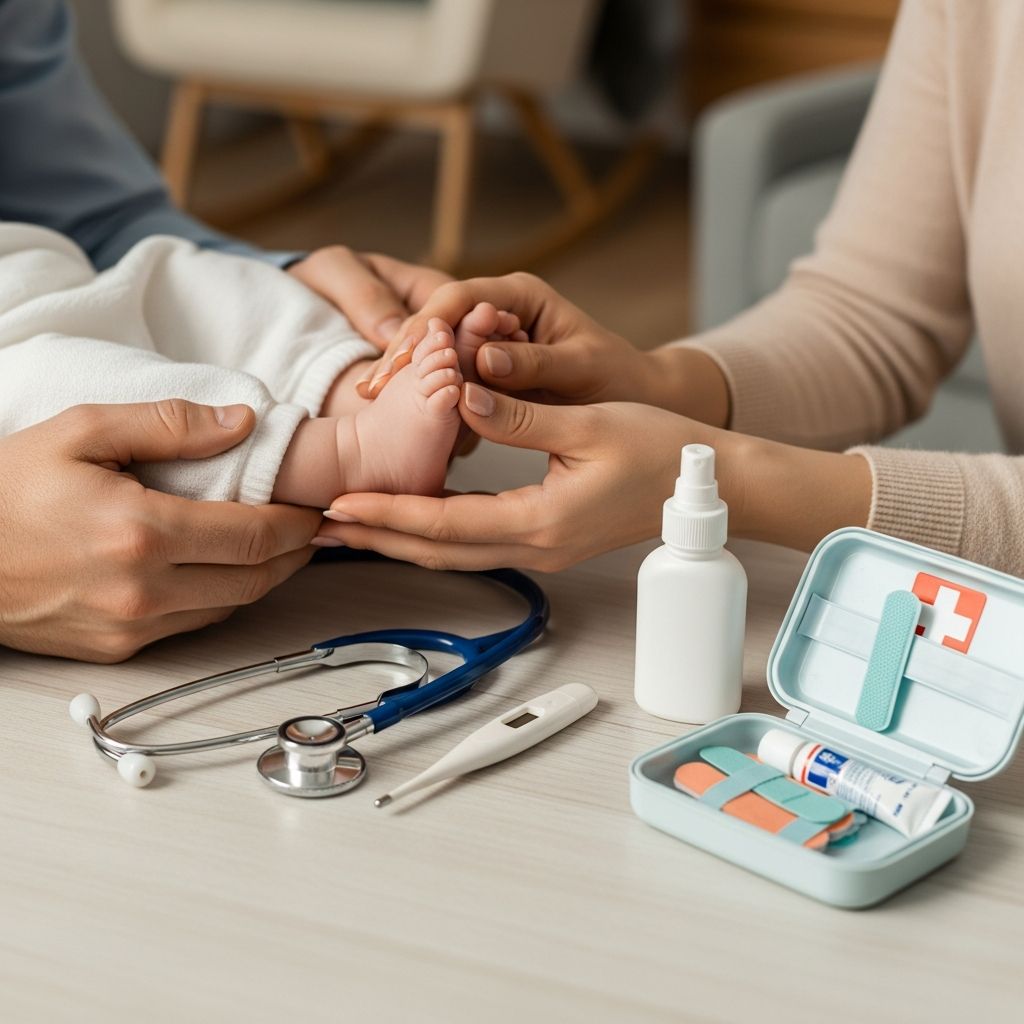
Adoption involves thorough health evaluations to ensure the well-being of both prospective parents and children. These assessments cover physical exams, background medical histories, and ongoing care planning, forming a key part of the home study process.
Health Requirements for Prospective Adoptive Parents
Prospective adoptive parents must undergo comprehensive health examinations as part of the adoption home study. These evaluations, typically conducted by a family physician, assess current health status, life expectancy, and the ability to parent effectively.
States and agencies require documentation confirming that no existing conditions pose risks to the child. For instance, chronic illnesses or mental health histories necessitate physician statements verifying stability and parenting capability until the child reaches at least age 16.
- Physical Health Check: Includes vital signs, chronic condition reviews, and treatability assessments.
- Mental Health Evaluation: Requires professional clearance if there’s a history of psychiatric issues or medication use.
- Household Members: All residents, including extended family, must demonstrate physical and emotional stability.
These checks integrate into the broader home study, evaluating finances, relationships, and environment alongside health.
Understanding Adoption Physical Examinations
The adoption physical, or health statement, provides a snapshot of the family’s medical fitness. Providers review medical history, screen for issues impacting child-rearing, and complete agency paperwork.
Even treatable conditions do not automatically disqualify families, provided doctors confirm no threat to the child. Agencies specializing in certain profiles, like infertile couples, verify conditions medically.
| Component | Purpose | Typical Outcomes |
|---|---|---|
| Medical History Review | Identify chronic issues | Physician letter of stability |
| Physical Exam | Assess current fitness | Clearance for parenting |
| Emotional Screening | Evaluate mental health | Professional endorsement |
This structured approach ensures families are prepared for the demands of raising an adopted child.
Obtaining and Reviewing Child Medical Histories
Accessing accurate medical information about the child is crucial. For domestic newborn adoptions, prenatal care details, blood tests, and birth history are essential.
Older children from foster care or private adoptions should have records including immunizations, growth charts, hospitalizations, surgeries, medications, and allergies. Plotting growth on CDC charts helps gauge development.
Specific diagnoses like heart defects or cleft palate require detailed records, though availability varies, especially internationally.
- Prenatal and birth details for infants.
- Immunization and developmental records for older kids.
- Genetic and family medical background where possible.
International Adoption Medical Processes
Children adopted abroad face unique health challenges due to diverse backgrounds. Prospective families must request full medical evaluations beyond the required immigrant visa exam.
The U.S. Department of State mandates a panel physician exam focusing on infectious diseases like tuberculosis (via chest X-ray for ages 15+) and syphilis (blood test). This brief check screens for visa-ineligible conditions.
However, it is not comprehensive; families should pursue detailed post-arrival assessments for nutritional, environmental, and psychological issues. Consular officers notify parents of any conditions, potentially requiring treatment or waivers.
CDC resources guide follow-up screenings, vaccinations, and infectious disease checks.
Hospital Protocols for Birth Parent and Adoption
Hospitals play a vital role in supporting birth mothers choosing adoption. Policies should facilitate counseling, paperwork, and consent processes.
Staff document the adoption plan in patient files, including counseling received and agency referrals. Agencies provide social/medical history forms and family profiles matching birth parent wishes.
Consent signing occurs post-birth, respecting state-mandated waiting periods (12-72 hours typically, up to a month in some states) to allow recovery and informed decisions. Coercion invalidates consents; staff must ensure autonomy.
Coordination with agencies and attorneys ensures legal compliance during hospital stays or shortly after discharge.
Background Checks and Holistic Family Assessments
Beyond medical exams, adoptions require criminal background checks at local, state, and federal levels, plus Adam Walsh Act screenings.
Family assessments review criminal, medical, employment, emotional, marital, and life histories. This comprehensive process confirms suitability.
Post-Adoption Health Support and Benefits
After finalization, programs like Adoption Assistance (AAP) provide benefits for children with special needs, including Medi-Cal coverage.
Eligibility requires U.S. citizenship or residency status, documented needs, and adoptive agreements specifying care levels. Parents report child supervision needs via tools like AAP 10.
Private insurance may be primary if cost-free; otherwise, Medi-Cal serves as primary. DCFS offers additional services as needed.
Frequently Asked Questions
Do all family members need health checks for adoption?
Yes, all household members must provide health statements confirming physical and emotional stability to ensure a safe environment.
What if a parent has a chronic illness?
Treatable conditions are often acceptable with physician clearance stating no risk to the child and parenting ability through adolescence.
How soon after birth can adoption consents be signed?
State laws dictate 12-72 hour waits typically, allowing recovery; some permit immediate, others up to 30 days.
What medical exam do international adoptees get?
A panel physician visa exam screens for infections; families should seek comprehensive U.S. evaluations post-arrival.
Are medical records always complete for adopted children?
No, especially internationally; pursue available prenatal, growth, and treatment histories, supplementing with U.S. care.
Preparing for Long-Term Child Health Needs
Adoptive parents should anticipate potential special needs, budgeting for therapies or equipment. Early interventions improve outcomes.
Regular pediatric check-ups, developmental screenings, and genetic counseling (if family history is known) are recommended.
Building a healthcare team familiar with adoption dynamics supports transitions.
References
- Requirements of an Adoption Home Study — 1-800-Homestudy. 2023. https://www.1-800-homestudy.com/home_study/article_view/article_id/3846
- How to Create a Friendly Hospital Adoption Policy — American Adoptions. 2024. https://www.americanadoptions.com/adoption/hospital-adoption-policy
- Medical Examination – Travel.gov — U.S. Department of State. 2025-01-10. https://travel.state.gov/content/travel/en/Intercountry-Adoption/Adoption-Process/how-to-adopt/medical-examination.html
- Requirements To Adopt A Child — Adoption Network. 2024. https://adoptionnetwork.com/adoptive-parents/how-to-adopt/considering-adoption/requirements-to-adopt-a-child/
- Adopting a Child? Explore Our Adoption Physicals — IM&PC. 2024. https://impcna.com/adopting-a-child-explore-our-adoption-physicals/
- Adoption Assistance Program (AAP) Benefits and Medi-Cal Benefits — LA County DCFS. 2025. https://policy.dcfs.lacounty.gov/Policy?id=6188
- Ask the Doctor: Pre-Adoption Medical Assessment — Adoptive Families. 2023-11-15. https://www.adoptivefamilies.com/adoption-process/pre-adoption-medical-assessment/