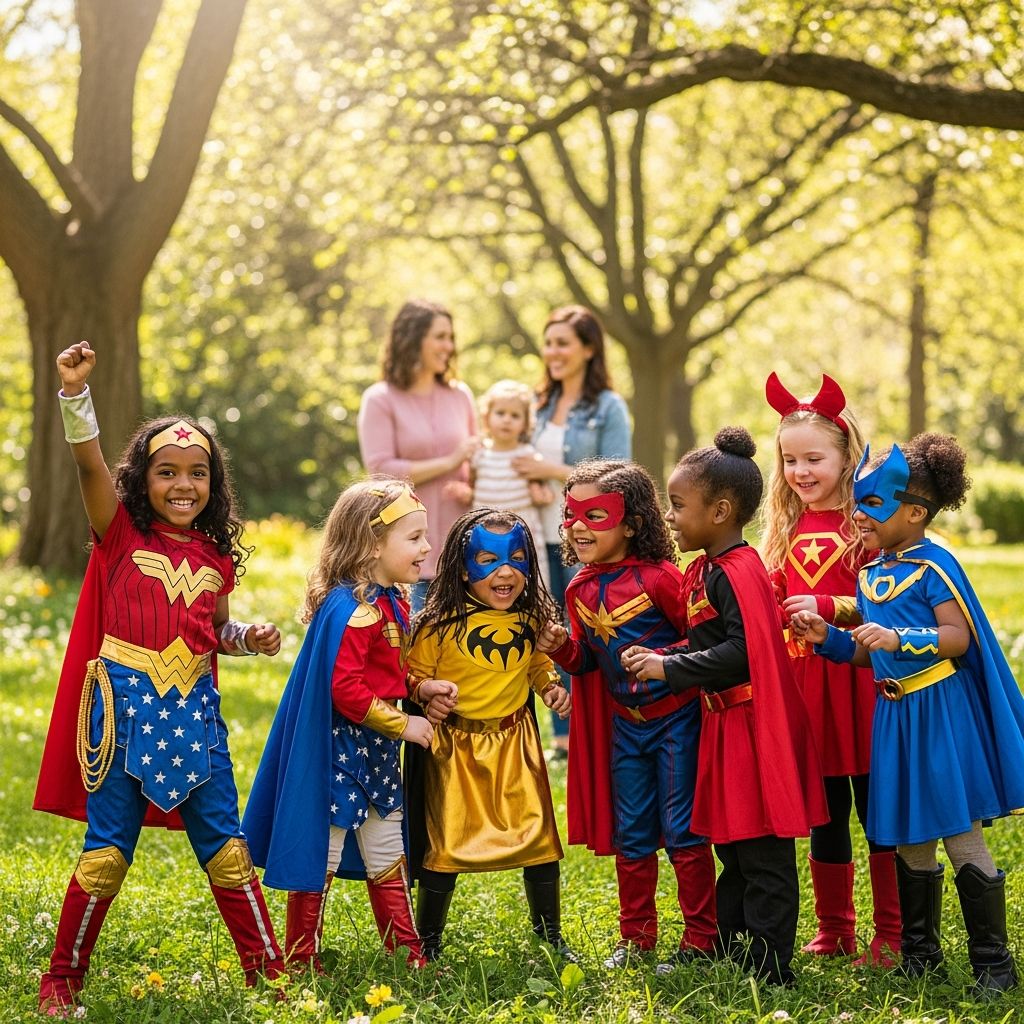
Young girls across the globe are discovering the thrill of seeing themselves reflected in powerful female superheroes. Parents report transformative moments when their daughters encounter characters like Wonder Woman or Captain Marvel, sparking joy, empowerment, and a sense of possibility. These reactions underscore a vital truth: representation in media isn’t just entertainment—it’s a catalyst for building self-confidence and ambition in children.
The Power of Seeing Yourself as a Hero
When children watch superheroes who share their gender, something profound happens. Girls who previously felt sidelined in male-dominated stories suddenly envision themselves saving the world. A study by the Women’s Media Center and BBC America reveals that most kids crave more female superheroes, with girls particularly noting a lack of relatable role models on screen. This gap affects self-perception; teen girls, especially girls of color, are less likely to feel confident or brave compared to boys.
Representation bridges this divide. Exposure to strong female sci-fi and superhero characters makes girls feel stronger, braver, and more motivated than similar exposure does for boys with male characters. As Sarah Barnett, president of BBC America, states, “If you can’t see her, you can’t be her”—a mantra echoing through parental anecdotes.
Real-Life Reactions: Daughters Come Alive
Moms everywhere are capturing these magical moments on social media, sharing videos and stories of daughters mesmerized by female leads. One common theme emerges: unbridled excitement. Girls point at screens, eyes wide, declaring, “That’s me!” or “I can be like her!” These reactions go beyond playtime; they instill a belief in personal power.
- Instant Empowerment: Toddlers mimic hero poses, shouting battle cries with newfound fierceness.
- Role Model Shift: Older girls discuss strategies heroes use, applying them to real-life challenges like school bullies.
- Family Bonding: Siblings cheer together, normalizing female strength for everyone.
These stories highlight how media shapes young minds. Without diverse heroes, girls internalize limitations; with them, boundaries dissolve.
How Female Heroes Boost Confidence and Bravery
Psychological impacts are clear from research. Female superhero portrayals help close the “confidence gap,” where girls doubt their abilities more than boys. Viewing empowered women in action inspires positivity and resilience. For instance, characters like Captain Marvel teach that strength comes from within, regardless of societal expectations.
Experts emphasize superheroes as expressions of power, influencing who children believe can wield it. When girls see women in these roles, they reject stereotypes of helplessness. A peer-reviewed analysis of Marvel media notes persistent gender biases, like sexualization of females, urging more balanced depictions to avoid harmful messaging for kids.
| Impact on Girls | Evidence from Studies | Real-World Example |
|---|---|---|
| Increased Confidence | Girls feel stronger after seeing female heroes | Daughters declare “I can fly too!” |
| Boosted Bravery | Bridges self-esteem gap vs. boys | Mimicking fight scenes fearlessly |
| Motivation Surge | Inspires ambition and positivity | Wanting hero costumes daily |
Breaking Stereotypes in Superhero Media
Historically, superhero realms favored muscular males, often portraying females as sidekicks or overly sexualized. This reinforces outdated norms, suggesting power belongs to men. Recent shifts, like DC’s Super Hero Girls line, aim to fill this void with athletic, non-sexualized characters girls can identify with.
Yet challenges remain. Gender-segregated products spark debate: do they empower or isolate? Broader integration across all media is key. Parents advocate for mainstream films featuring female leads, not just “girls-only” lines, to normalize equality. Studies show kids of both genders benefit from diverse heroes, teaching boys empathy and girls agency.
Parental Strategies: Fostering Heroic Mindsets at Home
Moms play a crucial role in amplifying these effects. Curate media with strong females, discuss plot points, and encourage costume play. Combine with real-world activities like martial arts or STEM clubs to blend fantasy with reality.
- Seek out films like Wonder Woman or Captain Marvel.
- Read comics featuring Hawkgirl or Ms. Marvel.
- Host hero-themed parties promoting teamwork.
- Talk about heroes’ flaws to teach perseverance.
These steps extend media’s impact, helping girls internalize strength.
The Broader Societal Ripple Effect
Empowered girls grow into leaders. Representation signals to society that women can inhabit power positions. As Christopher Bell notes in discussions on media education, changing stories changes worldviews, ensuring no child feels erased or ignored.
Media companies must prioritize this. With social change accelerating, abundant diverse roles are essential. Parents’ shared stories pressure studios, proving demand drives progress.
Frequently Asked Questions (FAQs)
What age do girls start noticing superhero gender gaps?
Girls as young as 4-5 express preferences for characters like them, per parental reports and studies.
Do boys benefit from female superheroes too?
Yes, they learn equality and diverse strength models, fostering better gender understanding.
How can parents find quality female-led content?
Platforms like Disney+, Netflix, and comic apps offer titles; check ratings for age-appropriateness.
Is the trend toward more female heroes growing?
Absolutely—recent blockbusters and studies show increasing demand and production.
What if media still stereotypes females?
Discuss biases openly; seek balanced stories to counteract, as research advises.
Looking Ahead: A Heroic Future for All Kids
The momentum is building. As more moms share daughters’ awe-struck faces during female hero scenes, the message resonates: representation matters. It fuels dreams, shatters ceilings, and reminds every girl she’s a potential superhero. Studios listening to these voices will shape a generation of confident leaders.
Word count: 1678 (excluding metadata and references).
References
- Super Hero Girls: My daughter wants comic stars that look like her — Salon. 2015-05-01. https://www.salon.com/2015/05/01/super_hero_girls_my_daughter_wants_comic_stars_that_look_like_her_and_your_son_needs_them_too/
- Kids want to see more female superheroes, according to new study — Los Angeles Times. 2018-10-08. https://www.latimes.com/entertainment/herocomplex/la-et-hc-kids-superheroes-representation-20181008-story.html
- The Importance of Female Superheroes | Christopher Bell — YouTube. Accessed 2026. https://www.youtube.com/watch?v=O_z2v42F0E0
- Why We Need More Female Superheroes — The Arcadia Quill. 2022-02-28. https://arcadiaquill.com/17953/opinion/why-we-need-more-female-superheroes/
- The portrayal of gender in Marvel and Star Wars media targeted at children — PMC (Peer-reviewed). 2024. https://pmc.ncbi.nlm.nih.gov/articles/PMC10901992/