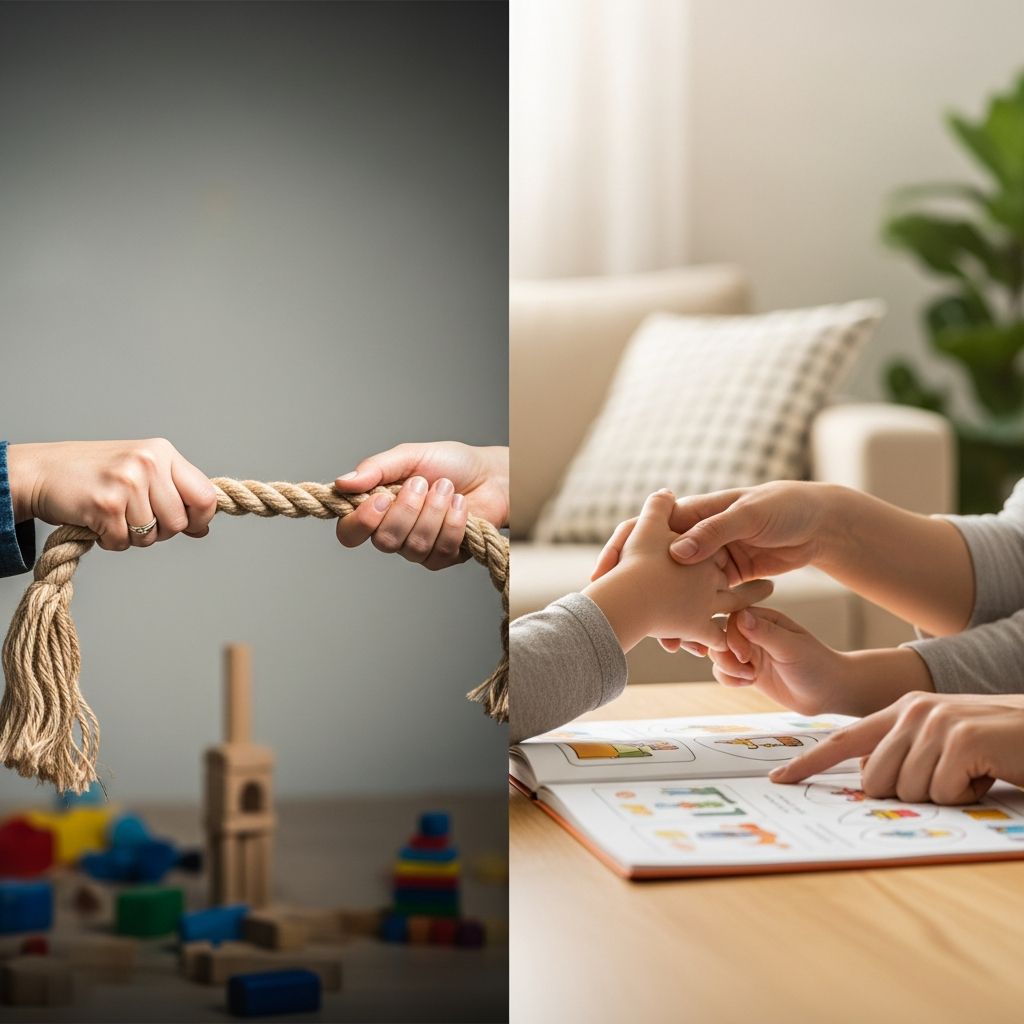
Why This Behavior Happens
When a father punches a hole in a wall, it’s rarely just about the wall. It’s a visible sign that emotional pressure has built up to a breaking point, and there’s no safe outlet in sight. Many men grow up hearing that they should be strong, calm, and in control, which makes it harder to admit when they’re overwhelmed, scared, or hurt. Instead of naming those feelings, they often feel only one socially acceptable emotion: anger. That anger can then explode in sudden, physical ways—slamming doors, throwing things, or punching drywall.
Research on emotional development shows that boys are often taught to suppress sadness, fear, shame, and vulnerability, while anger is tolerated or even encouraged as a sign of strength . Over time, this creates a narrow emotional toolkit. When stress piles up—work problems, financial worries, relationship strain, or constant parenting demands—those buried emotions can surge as rage. The wall becomes a target because it’s inanimate, won’t fight back, and won’t judge, making it a temporary release valve for feelings that feel too big to handle.
The Hidden Emotions Behind the Punch
Beneath the surface of anger, there’s usually something deeper: exhaustion, helplessness, fear of failure, or a sense of being trapped. A father who loses his temper over spilled milk or a child’s tantrum isn’t really angry about the milk; he’s reacting to a day of feeling out of control, disrespected, or unseen. That moment becomes the tipping point where accumulated stress overflows.
- Shame and inadequacy – Many dads feel pressure to be the perfect provider, disciplinarian, and role model, and when they fall short, shame can turn into explosive anger .
- Unprocessed grief or trauma – Past experiences of being yelled at, hit, or emotionally neglected can resurface in parenting, especially when children behave in ways that mirror the dad’s own childhood .
- Chronic stress and burnout – Long hours, financial strain, and the constant demands of parenting can leave little room for rest or self-care, making emotional regulation much harder .
- Fear of losing control – When a child is defiant or chaotic, a dad may feel like he’s failing as a parent, and that fear can trigger a harsh, controlling response .
Why Men Often Turn to Physical Outbursts
There are several reasons why men, in particular, are more likely to respond to stress with physical actions like punching walls:
- Learned behavior – Many men grew up seeing their own fathers or male role models use physical expressions of anger, normalizing it as a way to “let off steam” .
- Myth of catharsis – A common belief is that “blowing off steam” by hitting something will calm you down. But studies show that acting aggressively actually increases anger and aggression, making future outbursts more likely .
- Limited emotional vocabulary – Men are often not taught to identify or name complex emotions like frustration, disappointment, or loneliness, so anger becomes the default label for any strong feeling .
- Need for immediate relief – When emotions feel overwhelming, the body craves a quick release. Physical actions provide an instant, if temporary, sense of control and release .
The Impact on Children and Family
Even if no one is physically hurt, a parent’s loss of control can leave lasting emotional marks on children:
- Children may feel unsafe, anxious, or responsible for the parent’s anger, even when it’s not their fault.
- They can internalize the idea that anger must be expressed through force, repeating the same patterns in their own relationships.
- It can damage trust and emotional connection, making kids less likely to open up about their own struggles.
- Over time, it may contribute to higher levels of aggression, anxiety, and lower self-esteem in children .
For partners, repeated outbursts can create a climate of tension, fear, or resentment, even if there’s no physical violence. The relationship may become focused on avoiding conflict rather than building closeness, and the parent who lost control may feel deep guilt afterward, which can fuel more stress and isolation.
Breaking the Cycle: Healthier Ways to Respond
Changing these patterns starts with recognizing that anger is a signal, not a command. The goal isn’t to never feel angry, but to respond in ways that protect relationships and mental health. Experts suggest several practical strategies:
- Pause and breathe – When anger spikes, taking a few deep breaths or stepping away for a short walk can help the nervous system calm down before reacting .
- Name the real feeling – Instead of “I’m so angry,” try “I feel overwhelmed,” “I’m scared I’m failing,” or “I’m exhausted and need help.” This shifts the focus from blame to understanding .
- Create a “cool down” plan – Decide in advance what to do when emotions run high: go to another room, listen to music, squeeze a stress ball, or call a trusted friend .
- Use physical outlets safely – Exercise, hitting a punching bag, or even vigorous yard work can channel energy without damaging relationships or property .
- Talk to a therapist or support group – Working with a professional can help uncover deeper patterns, heal past wounds, and build new coping skills .
What to Do After an Outburst
Everyone makes mistakes, but what matters most is how a parent responds afterward. Repairing the relationship helps children feel safe and teaches them that mistakes can be fixed:
- Take responsibility – Say something like, “I lost my temper, and that wasn’t okay. I’m sorry I scared you or made you feel bad.”
- Explain without excusing – “I was feeling really stressed about work and I didn’t handle it well. That’s on me, not on you.”
- Reassure the child – Make it clear that the child is loved and not to blame, and that the parent is working on doing better.
- Follow through with change – Show that the apology is real by using healthier coping strategies the next time stress builds up.
When to Seek Professional Help
Occasional frustration is normal, but certain warning signs suggest it’s time to talk to a mental health professional:
- Frequent, intense outbursts that feel out of control.
- Physical aggression toward people, animals, or property.
- Feelings of hopelessness, constant irritability, or thoughts of self-harm.
- Using substances (alcohol, drugs) to cope with stress or emotions.
- Children or partners expressing fear about the parent’s behavior.
Therapy, anger management programs, or support groups for fathers can provide tools to manage stress, process past trauma, and build healthier ways of relating to family. Asking for help is not a sign of weakness; it’s a sign of commitment to being a better parent and partner.
Building a Healthier Emotional Culture at Home
Creating a home where emotions are acknowledged and respected benefits everyone:
- Model emotional honesty – Share feelings in age-appropriate ways: “I’m feeling frustrated right now, so I’m going to take a break.”
- Teach emotional vocabulary – Help kids name their feelings (mad, sad, scared, excited) and understand that all emotions are okay, even if some behaviors aren’t.
- Set clear, consistent boundaries – Discipline that’s calm, predictable, and focused on teaching (not shaming) helps children feel secure.
- Make time for connection – Regular one-on-one time, family rituals, and open conversations build trust and reduce conflict.
FAQs
Is punching a wall considered abuse?
Punching a wall itself is not classified as physical abuse, but it can be a sign of emotional dysregulation and may create a frightening environment for children. If it’s part of a pattern of aggression, threats, or control, it may indicate a need for professional intervention .
Why do some dads seem angrier than moms?
It’s not that dads are naturally angrier, but that many men are socialized to express stress primarily through anger and to avoid showing vulnerability. Cultural expectations around masculinity can make it harder for fathers to seek help or talk about their struggles .
Can this behavior be changed?
Yes, absolutely. With self-awareness, practice, and support (like therapy or parenting groups), fathers can learn to recognize their triggers, manage stress, and respond to challenges in calmer, more constructive ways .
What should I do if my partner punches holes in walls?
Stay safe first. If there’s any risk of physical harm, reach out to a domestic violence hotline or trusted support network. If the behavior is isolated and the partner is willing to change, encourage them to talk to a therapist and work together on healthier communication and stress management strategies .
How can I help my kids feel safe after a parent’s outburst?
Reassure them that they are loved and not to blame, explain that the parent was overwhelmed and is working on doing better, and maintain consistent routines. If children show ongoing anxiety, nightmares, or behavioral changes, consider talking to a child therapist .