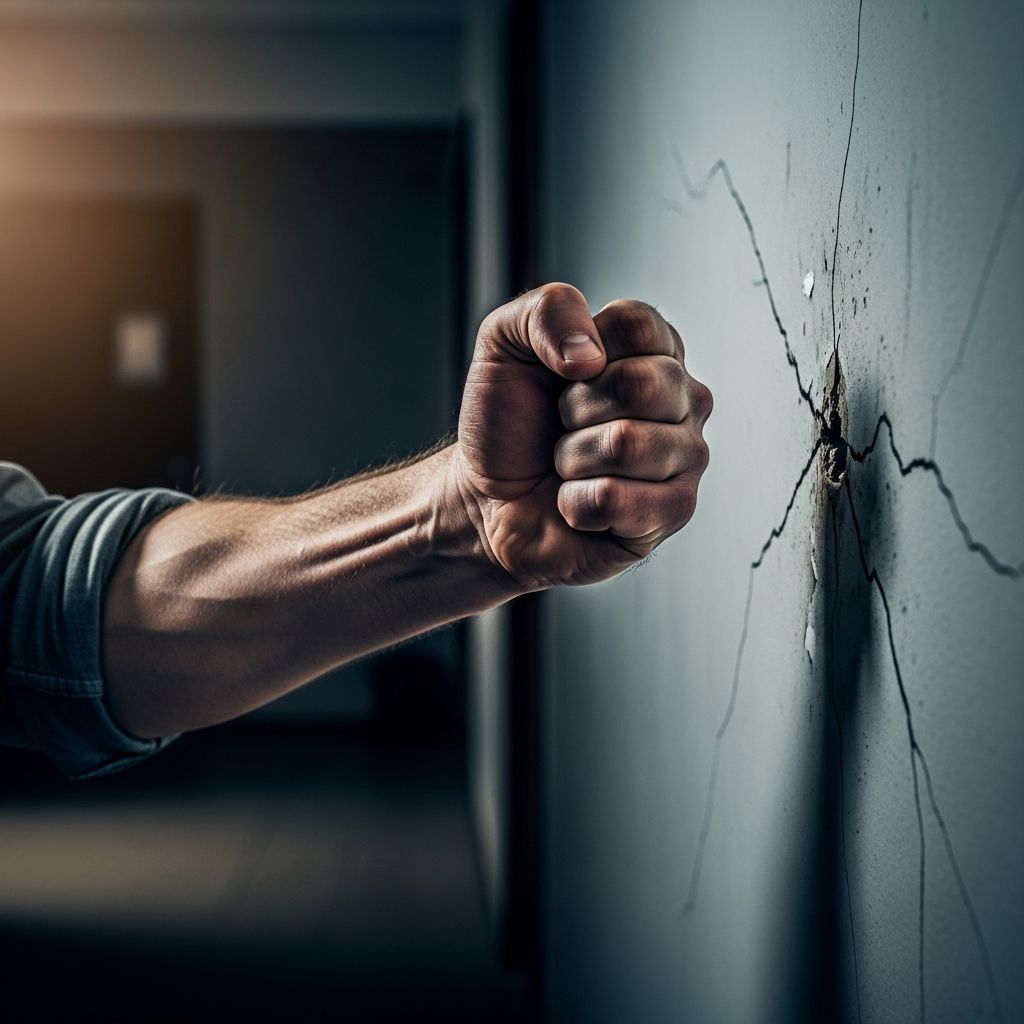
Men, particularly fathers under stress, sometimes channel overwhelming frustration into physical acts like punching walls. This behavior stems from deeply ingrained societal expectations around masculinity, limited emotional expression, and misconceptions about releasing aggression.
The Roots of Physical Outbursts in Modern Fatherhood
Fatherhood brings immense joy but also intense pressures—from financial responsibilities to balancing work and family life. When emotions peak, some dads turn to inanimate objects like walls as outlets. This isn’t mere impulsivity; it’s often a manifestation of unprocessed feelings bottled up over time.
Societal norms play a pivotal role. Boys grow up learning that vulnerability, such as sadness or fear, signals weakness. Instead, anger becomes the default emotion, sanctioned as a sign of strength. This emotional funneling creates a pressure cooker effect, where minor triggers—like sibling squabbles or daily stressors—ignite explosive reactions.
How Childhood Conditioning Shapes Adult Anger
From playgrounds to sports fields, boys receive messages that toughen them against softer feelings. Therapists note that this conditioning persists into adulthood, especially for fathers modeling behavior for their children. A father’s outburst might echo patterns observed in their own upbringing, perpetuating a cycle.
- Early socialization: Discourages crying or expressing anxiety, redirecting to aggression.
- Media influence: Portrays male heroes as stoic anger machines.
- Family dynamics: Fathers passing down ‘tough love’ responses to stress.
Research highlights how these patterns lead to displaced aggression. Unable to lash out at people without repercussions, men target walls, doors, or furniture—objects that absorb the blow without retaliation.
Debunking the Catharsis Myth: Why Punching Makes It Worse
A common belief holds that ‘venting’ anger through physical action provides relief. This catharsis theory, popularized decades ago, suggests blowing off steam reduces tension. However, rigorous experiments contradict this.
In controlled studies, participants provoked to anger who punched bags afterward reported heightened aggression compared to those who didn’t. Far from calming, such acts reinforce neural pathways linking frustration to violence, priming individuals for future outbursts.
| Myth | Reality | Evidence |
|---|---|---|
| Venting reduces anger | Increases aggression | Experimental psychology studies on provoked participants |
| Physical release is natural for men | Learned behavior, not biology | Therapist observations on cultural conditioning |
| One-time outburst clears the air | Escalates emotional cycles | Longitudinal family aggression research |
Parental Aggression: A Cycle Across Generations
Studies on family dynamics reveal that parental physical aggression predicts similar behaviors in adolescents. When fathers display outbursts, children internalize these as normal responses to conflict. This intergenerational transmission heightens risks of property damage and verbal escalations in homes.
Fathers modeling wall-punching inadvertently teach sons that destruction equals emotional resolution. Breaking this requires intentional disruption—through therapy, open dialogues, or alternative modeling.
Healthier Alternatives: Building Emotional Resilience
Effective anger management empowers fathers to respond rather than react. Start with immediate de-escalation techniques, as anger physiologically peaks for about 20 minutes.
- Deep breathing exercises: Inhale for 4 counts, hold for 4, exhale for 4 to activate the parasympathetic nervous system.
- Physical redirection: Opt for brisk walks, push-ups, or squeezing a stress ball instead of destructive acts.
- Mindful distraction: Watch humorous clips, listen to music, or engage in a hobby to shift focus.
- Journaling: Articulate underlying emotions like disappointment or fear to expand emotional vocabulary.
Long-term, therapy specializing in men’s issues or anger management groups fosters accountability. Support networks normalize vulnerability, proving strength lies in control, not explosion.
Creative Parenting Responses to Outbursts
Some families transform mishaps into lessons. Instead of punishment, parents might frame holes as prompts for reflection—carving reminders of calm or discussing triggers openly. This approach builds self-awareness without shame.
- Turn damage into teachable art: Engrave calming quotes near the spot.
- Involve kids in repairs: Fosters responsibility and empathy.
- Family meetings: Debrief emotions post-cool-down for collective growth.
Signs It’s Time for Professional Help
Occasional frustration is human, but patterns signal deeper issues. Watch for:
- Frequent property damage or near-misses with people.
- Regret followed by repetition, indicating poor coping.
- Impact on relationships or parenting quality.
Domestic violence counselors emphasize that unchecked aggression risks family safety. Early intervention prevents escalation.
Frequently Asked Questions (FAQs)
Why do fathers specifically punch walls more than mothers?
Societal gender norms restrict men’s emotional outlets to anger, unlike women who have broader expression permissions. This leads to displaced physical aggression in males.
Does punching a wall really relieve stress?
No—science shows it amplifies anger by reinforcing aggressive habits, per catharsis myth debunking studies.
How can dads teach sons better anger habits?
Model calm responses, discuss feelings openly, and use non-violent outlets like exercise or talking.
What if a child witnesses a wall-punching incident?
Acknowledge it calmly, apologize, repair together, and explain healthier ways to handle big feelings.
Are anger management classes effective for men?
Yes, group settings normalize experiences and provide tailored tools, reducing recurrence significantly.
Long-Term Benefits of Emotional Mastery for Families
Masters of their emotions, fathers cultivate safer, more connected homes. Children learn resilience, partners feel secure, and personal health improves—lower stress correlates with better cardiovascular outcomes.
Expanding emotional literacy dismantles toxic masculinity myths. Fathers who embrace full feeling spectrums become role models of true strength: self-regulated, empathetic leaders.
Ultimately, walls endure; humans heal. Choosing growth over destruction forges lasting family bonds.
References
- Corporal Punishment by Parents and Associated Child Behaviors — American Psychological Association. 2002-12-01. https://www.apa.org/pubs/journals/releases/bul-1284539.pdf
- Longitudinal Links with Parents’ Physical Aggression — National Institutes of Health (PMC). 2014-10-15. https://pmc.ncbi.nlm.nih.gov/articles/PMC4209344/
- Bushman, B. J. (2002). Does Venting Anger Feed or Extinguish the Flame? Catharsis, Rumination, Distraction, Anger, and Aggressive Responding — Personality and Social Psychology Bulletin (via APA). 2002-12-01. https://www.apa.org/pubs/journals/releases/bul-1284539.pdf
- Parents’ Previous Physical Aggression and Adolescent Outcomes — NIH/PMC Peer-Reviewed Study. 2014-10-15. https://pmc.ncbi.nlm.nih.gov/articles/PMC4209344/
- APA Guidelines on Anger and Aggression in Families — American Psychological Association. 2023-05-10. https://www.apa.org/topics/anger