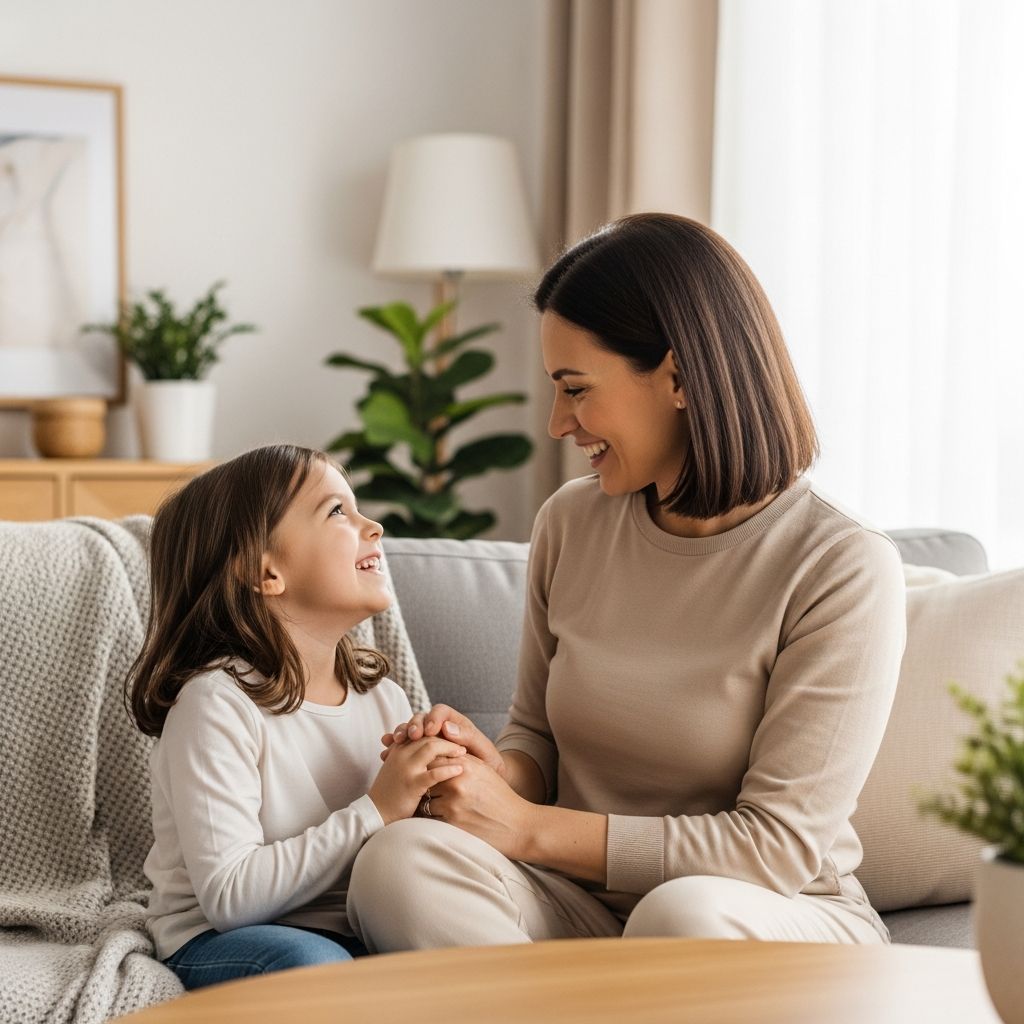
Secure attachment forms the cornerstone of healthy child development, creating a foundation of trust and emotional security that influences a child’s behavior, relationships, and resilience throughout life. This bond, typically with primary caregivers, enables children to explore their world confidently while knowing they have a reliable source of comfort. Understanding these signs helps parents gauge their child’s emotional health and adjust caregiving approaches accordingly.
Understanding the Foundations of Secure Attachment
Secure attachment emerges when caregivers consistently respond to a child’s needs, providing both a secure base for exploration and a safe haven during distress. According to attachment theory pioneered by researchers like Mary Ainsworth, this style represents the healthiest form, where children feel protected and supported. Children with this attachment use their caregiver as a launchpad for discovery, regularly checking in visually or physically, which builds internal models of reliable relationships.
Unlike insecure styles—such as avoidant, where children seem indifferent to separation, or disorganized, marked by inconsistent responses—securely attached children show balanced reactions: mild distress upon separation but quick recovery upon reunion. This pattern fosters autoregulation (self-soothing) and interactive regulation (seeking help from others), skills that persist into adulthood.
Key Behavioral Indicators in Everyday Life
Observing daily interactions reveals clear markers of secure attachment. These children thrive in environments that mirror their caregiver’s warmth and availability.
- Confident Exploration: Securely attached children venture out boldly when their caregiver is nearby, treating them as a secure base from which to explore toys, spaces, or peers. They pause to glance back for reassurance, confirming safety before continuing.
- Preference for Primary Caregiver: In group settings, they gravitate toward their main attachment figure over strangers, seeking proximity during uncertainty, which underscores their trust in that bond.
- Quick Recovery from Upset: Brief separations may cause temporary distress, but reunion brings rapid joy and calming, allowing a swift return to play without lingering anxiety.
These behaviors stem from repeated experiences of responsive care, teaching children that emotions are manageable and caregivers are dependable.
Emotional Expression and Regulation Skills
One hallmark is the open display of feelings without fear of rejection. Securely attached children freely express joy, frustration, or sadness, knowing their caregiver will help regulate these emotions. This leads to advanced self-regulation: they learn to soothe themselves using internal strategies while also comfortably seeking external support.
For instance, during tantrums, they turn to parents for co-regulation, calming faster than peers with insecure attachments. Long-term, this translates to higher emotional intelligence, empathy, and fewer behavioral issues.
| Secure Attachment | Insecure Attachment |
|---|---|
| Expresses full range of emotions openly | Suppresses or amplifies emotions extremely |
| Recovers quickly from distress | Prolonged upset or avoidance |
| Balances independence and seeking help | Overly clingy or distant |
This table contrasts core differences, highlighting how secure bonds promote adaptive emotional strategies.
Social Competence and Peer Interactions
Secure attachment equips children with superior social skills. They engage empathetically with peers, share toys readily, and resolve conflicts constructively, mirroring the responsiveness they receive at home. Studies show these children form deeper friendships and exhibit less aggression, as their internal working models view others as trustworthy.
In preschool settings, they initiate play confidently and include others, fostering a cycle of positive social feedback. Parents of securely attached children often report easier transitions to group care, with fewer separation anxieties.
Building Self-Esteem and Independence
A profound outcome is robust self-esteem. Children internalize their caregiver’s attunement as proof of their worthiness, leading to self-reliance without detachment. They tackle challenges optimistically, persisting through setbacks because they trust support is available if needed.
- They celebrate achievements independently yet share pride with caregivers.
- They handle mild failures with resilience, viewing them as temporary.
- They develop curiosity-driven learning, unhindered by fear of judgment.
This balance prevents overdependence, preparing them for school and beyond.
Long-Term Benefits into Adulthood
The advantages extend lifelong. Securely attached individuals enjoy healthier relationships, higher trust levels, and better stress coping. They form stable partnerships, parent responsively, and maintain emotional equilibrium amid life’s demands. Research links early secure bonds to reduced anxiety, depression, and enhanced career success.
Internal working models, formed by age 12 months, guide adult perceptions of self and others as reliable. Thus, nurturing this attachment yields compounding returns.
Practical Strategies for Parents to Foster Secure Bonds
While some temperaments influence attachment, responsive parenting is key. Here’s how to cultivate it:
- Respond Promptly: Attend to cries, cues, and bids for attention consistently, even if briefly.
- Offer Physical and Emotional Presence: Hold, soothe, and label emotions to model regulation.
- Encourage Exploration Safely: Provide a secure base by staying nearby during play, intervening only when necessary.
- Maintain Routines: Predictability reinforces reliability.
- Practice Self-Care: Parents’ emotional availability stems from their well-being.
These steps, applied from infancy, significantly increase secure attachment likelihood.
Potential Challenges and When to Seek Help
Not all children develop secure attachment effortlessly. Factors like parental stress, transitions, or temperament can challenge bonds. Watch for persistent avoidance, extreme clinginess, or disorganization—signs of insecure styles warranting professional input. Early intervention, such as therapy focused on attachment, can realign trajectories.
Consult pediatricians or child psychologists if concerns arise, as secure attachment underpins broader developmental health.
Frequently Asked Questions (FAQs)
What age do secure attachment signs appear?
Signs emerge by 6-12 months, becoming clearer in toddlerhood through exploration and reunion behaviors.
Can secure attachment develop after infancy?
Yes, responsive care at any early stage can foster security, though patterns solidify early.
Does secure attachment mean no distress ever?
No, mild separation distress is normal; quick comfort-seeking and recovery define security.
How does secure attachment affect school performance?
It boosts focus, peer relations, and resilience, aiding academic and social success.
Are both parents equally important for attachment?
Multiple secure figures enhance development; primary consistency matters most.
References
- What is a Secure Attachment? And Why Doesn’t “Attachment Parenting” Get You There? — Developmental Science. 2017-03-31. https://www.developmentalscience.com/blog/2017/3/31/what-is-a-secure-attachmentand-why-doesnt-attachment-parenting-get-you-there
- What Is Secure Attachment and How Does It Develop? — Talkspace. Accessed 2026. https://www.talkspace.com/blog/parenting-secure-attachment-what-is/
- Secure attachment — Wikipedia. Accessed 2026. https://en.wikipedia.org/wiki/Secure_attachment
- “Psychology Works” Fact Sheet: Attachment in Children — Canadian Psychological Association (cpa.ca). Accessed 2026. https://cpa.ca/attachment-in-children/
- Secure Attachment Style: From Infancy to Adult Relationships — Simply Psychology. Accessed 2026. https://www.simplypsychology.org/secure-attachment.html
- Introduction to children’s attachment — NCBI/NIH. Accessed 2026. https://www.ncbi.nlm.nih.gov/books/NBK356196/