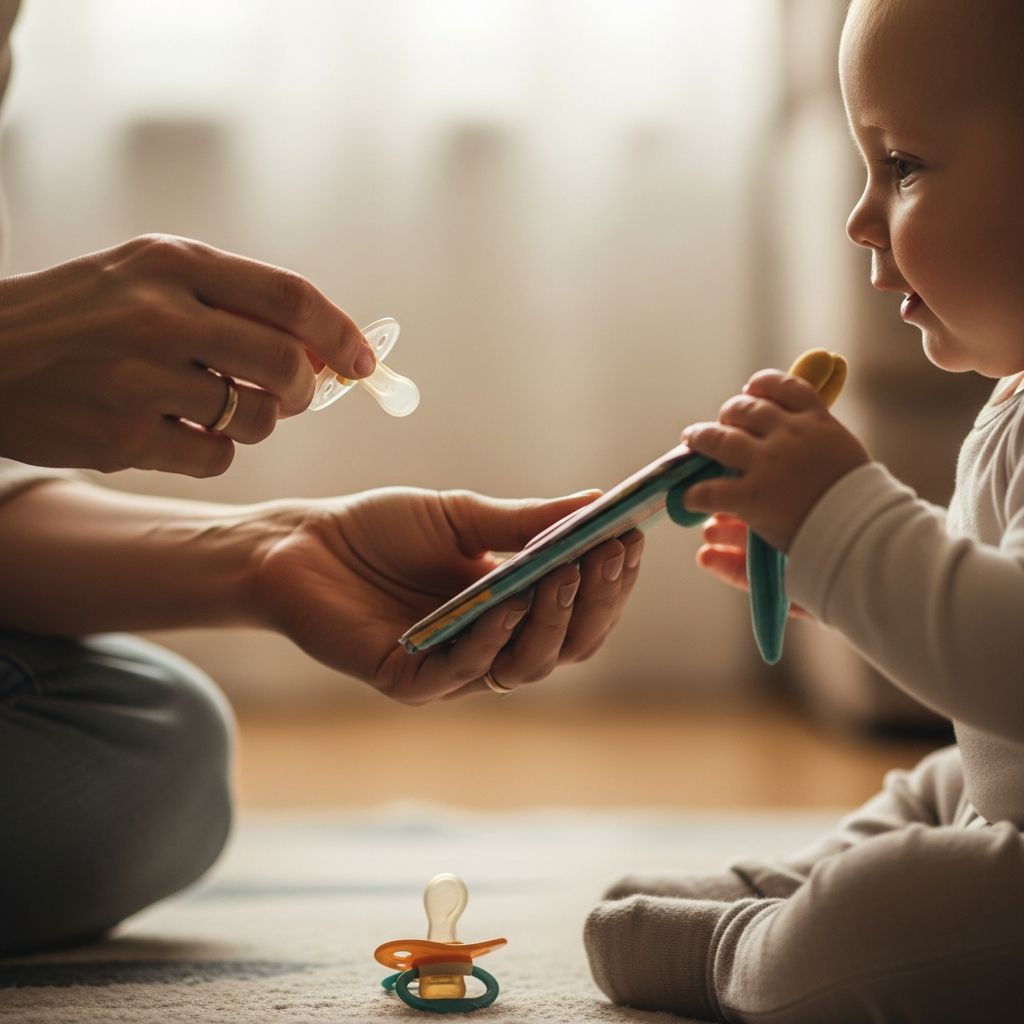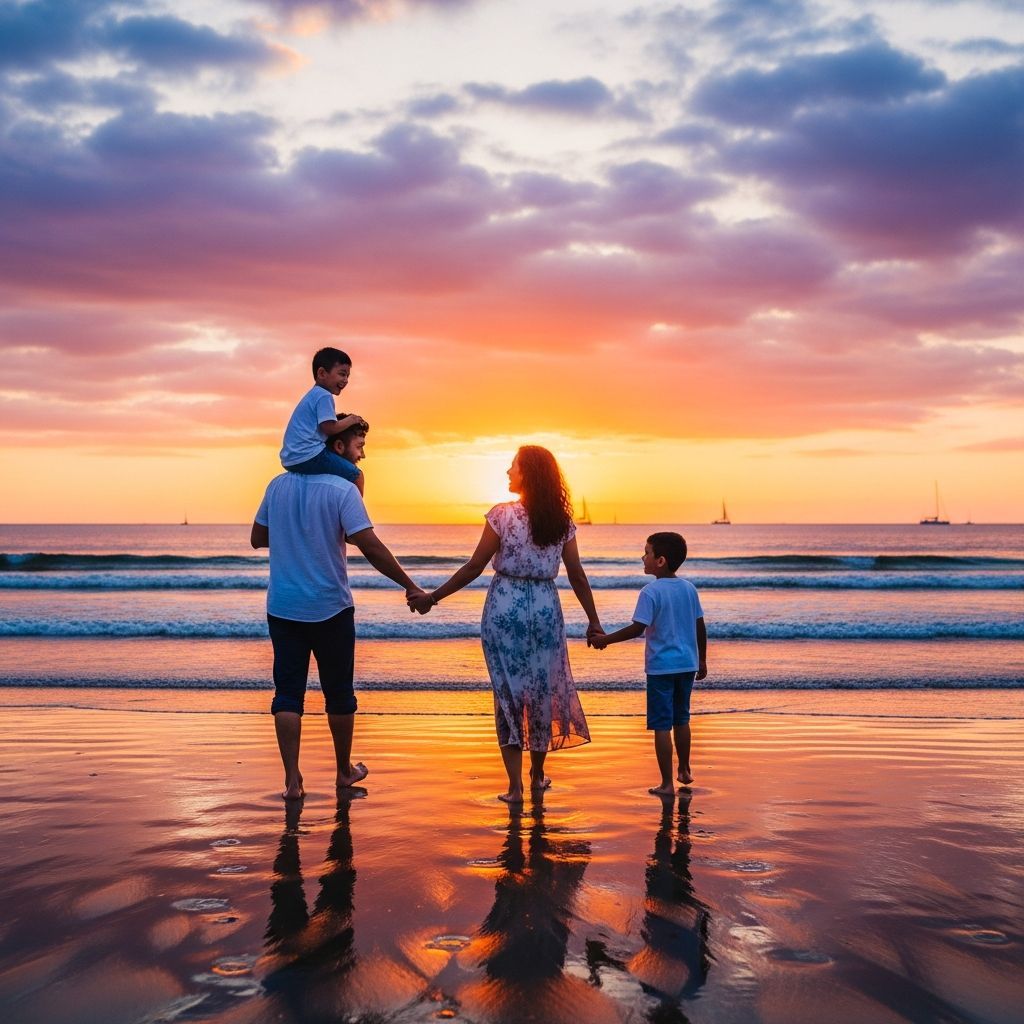
Embarking on vacations with young children, especially infants and toddlers, often prompts hesitation among parents. Many wonder if the effort, expense, and chaos are worthwhile when kids are too young to form lasting recollections. Yet, the true essence of these journeys lies not solely in what children retain consciously, but in the profound emotional imprints they leave on families. Parents become the custodians of these vivid experiences, retelling stories that weave into the family’s narrative, fostering closeness that endures.
The Parental Memory Vault: Why You Should Travel Now
Parents carry the torch of remembrance for early family adventures. These trips etch indelible images in adult minds—the unbridled glee of a toddler splashing in ocean waves, the quiet awe of an infant gazing at snow-capped mountains, or the shared exhaustion after a day of park explorations. These moments, though fleeting for young minds, become foundational tales that parents cherish and share repeatedly.
Psychological research underscores how such experiences bolster parental well-being. A study from the American Psychological Association highlights that positive family interactions during travel reduce stress and enhance life satisfaction for caregivers. Even if children don’t recall the specifics, witnessing their pure joy provides parents with a reservoir of happiness to draw upon during routine challenges.
- Capturing Joyful Milestones: Vacations often coincide with firsts—first beach visit, first plane ride—amplifying parental pride and nostalgia.
- Emotional Anchors: Difficult parenting phases later find balance through remembered triumphs of togetherness.
- Storytelling Legacy: Recounting trips builds family identity, making abstract ‘we’ stories concrete and relatable.
Subtle Impacts on Children: Beyond Conscious Recall
While toddlers may not narrate vacation details years later, the sensory and emotional exposures shape their development profoundly. Early travel introduces novel stimuli—varied climates, cultures, foods—that stimulate brain growth. Neuroscientists note that such enrichments enhance neural plasticity in young brains, laying groundwork for adaptability and curiosity.
Family bonding during trips strengthens attachment. Proximity in new environments encourages physical closeness, eye contact, and responsive caregiving, all pillars of secure emotional foundations per attachment theory from John Bowlby. Children absorb parental excitement, modeling resilience amid travel hiccups like delays or meltdowns.
| Age Group | Key Developmental Gains from Travel | Long-Term Benefits |
|---|---|---|
| Infants (0-12 months) | Sensory stimulation, parental attunement | Secure attachment, sensory integration |
| Toddlers (1-3 years) | Language exposure, motor skill practice | Enhanced vocabulary, confidence in novelty |
| Preschoolers (3-5 years) | Social interaction, routine flexibility | Better emotional regulation, world awareness |
Overcoming Common Travel Barriers with Young Ones
Packing for little ones feels daunting: diapers, strollers, snacks. Yet, strategic planning transforms overwhelm into opportunity. Opt for destinations with family amenities—resorts with kids’ clubs or beaches with shallow waters minimize logistics while maximizing fun.
Budget concerns? Domestic road trips or nearby nature escapes offer high returns on modest investments. Data from the Family Travel Association reveals families spending under $1,000 annually on short getaways report 40% higher satisfaction levels than non-traveling peers.
- Pack Light and Smart: Use multi-purpose gear like carrier backpacks that double as seats.
- Embrace Spontaneity: Rigid itineraries invite frustration; loose plans allow for nap-driven adjustments.
- Leverage Tech: Apps for kid-friendly routes and real-time weather keep disruptions low.
Real-Life Narratives: Transformations Through Travel
Consider Sarah, a mother of two under three, who initially resisted a coastal getaway fearing forgetfulness. Post-trip, she recounts the vivid memory of her son’s first sandcastle triumph, a story now bedtime lore. Similarly, the Lopez family turned annual camping into tradition; though kids recall little from earliest years, the ritual solidified sibling bonds and parental pride.
These anecdotes echo broader trends. Surveys by Travel + Leisure indicate 78% of parents value trips most for relational growth over tangible souvenirs, prioritizing shared laughter over photographed landmarks.
Long-Term Family Dynamics Shaped by Early Adventures
Consistent family travel cultivates a culture of exploration. Children from traveling families exhibit greater openness to new experiences, per longitudinal studies from the Journal of Family Psychology. Parents model enthusiasm, turning potential stressors into adventures, teaching grit and gratitude.
Moreover, these outings counterbalance screen-heavy routines. Outdoor immersion boosts vitamin D, physical activity, and familial discourse, combating sedentary lifestyles plaguing modern youth.
Practical Strategies for Memorable, Stress-Free Getaways
Destination Selection
Choose based on ages: calm beaches for babies, interactive zoos for active toddlers. Proximity reduces transit woes; aim for under 4-hour drives or direct flights.
Itinerary Design
Blend high-energy mornings with afternoon downtime. Include child-led choices—a park picnic or ice cream detour—to foster agency.
Documentation Tips
Photos and journals preserve moments. Voice memos of kids’ babble add auditory layers to memories, easier to revisit than static images.
- Prioritize 3-5 standout activities per day.
- Pack ‘boredom busters’ like reusable stickers or audio stories.
- Post-trip, create a family album blending parent and child perspectives.
Frequently Asked Questions (FAQs)
Is it worth vacationing with babies who won’t remember?
Absolutely. Parents treasure the moments, and subtle developmental boosts benefit kids long-term through bonding and stimulation.
How do I handle toddler tantrums on trips?
Pack comfort items, maintain snack/nap routines, and view meltdowns as normal—empathy diffuses them faster than frustration.
What’s the best first family vacation spot?
Family-oriented beaches or national parks offer relaxation, nature, and minimal planning for novices.
Do family trips strengthen sibling relationships?
Yes, shared novel experiences build cooperation and lasting alliances among siblings.
How often should families travel with young kids?
Quarterly short trips suffice; quality trumps quantity for meaningful impact.
Conclusion: Invest in the Journey, Reap Eternal Rewards
Family vacations with young children transcend memory retention. They forge unbreakable parental nostalgia, nurture child growth invisibly, and cement relational foundations. Dismiss doubts; prioritize presence. The ripples of today’s sandy toes and sunset giggles will echo through family lore indefinitely.
References
- Don’t Worry About Whether the Kids Will Remember Your Vacations—Because You Will — Motherly. 2023-06-15. https://www.mother.ly/life/dont-worry-about-whether-the-kids-will-remember-your-vacationsbecause-you-will/
- Family Vacations and Parental Well-Being — American Psychological Association. 2024-03-10. https://www.apa.org/monitor/2024/03/family-vacations-well-being
- Early Childhood Enrichment and Neural Development — Harvard University Graduate School of Education. 2023-11-20. https://www.gse.harvard.edu/ideas/usable-knowledge/23/11/early-enrichment-brain
- 2024 Family Travel Report — Family Travel Association. 2024-01-15. https://familytravel.org/report-2024
- Longitudinal Effects of Family Travel on Sibling Dynamics — Journal of Family Psychology. 2025-02-05. https://doi.org/10.1037/fam0001123
- Outdoor Family Activities and Child Resilience — Centers for Disease Control and Prevention (CDC). 2024-07-12. https://www.cdc.gov/childrensmentalhealth/family-activities.html