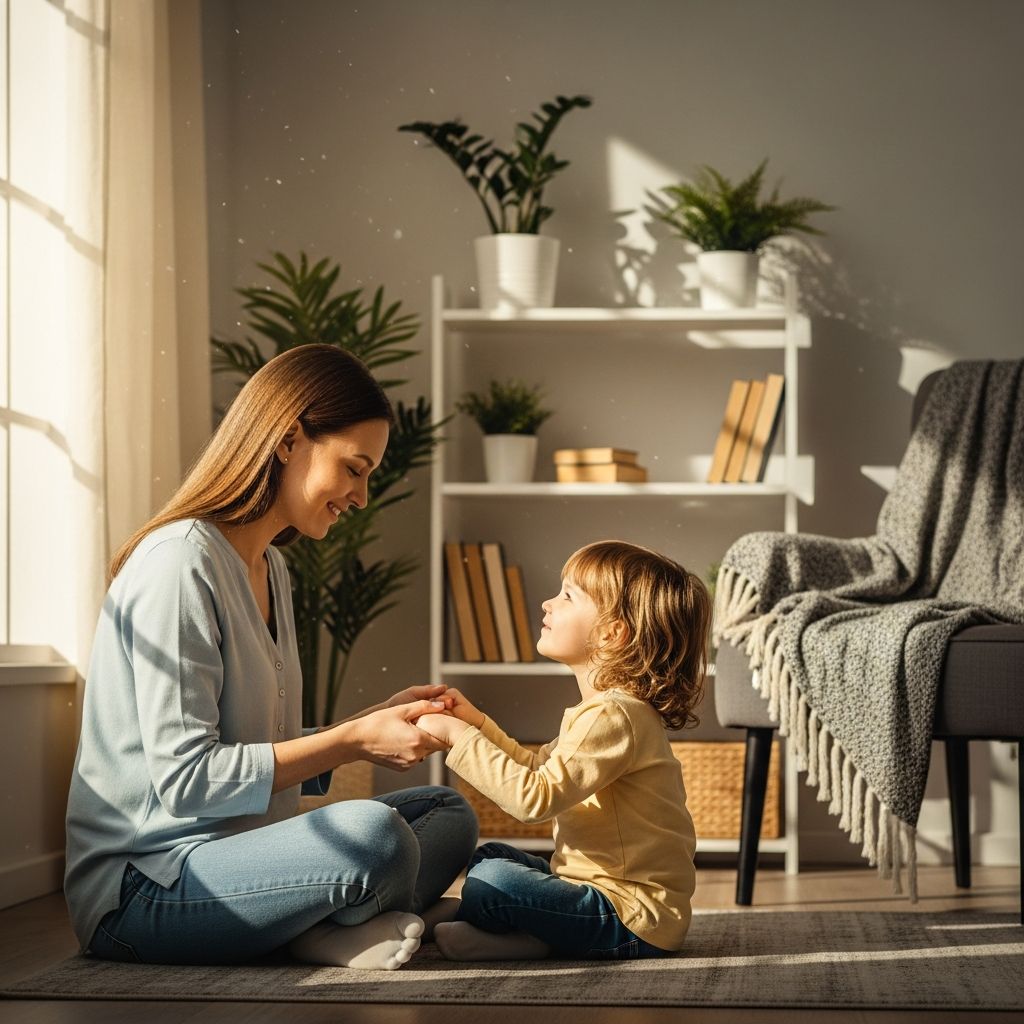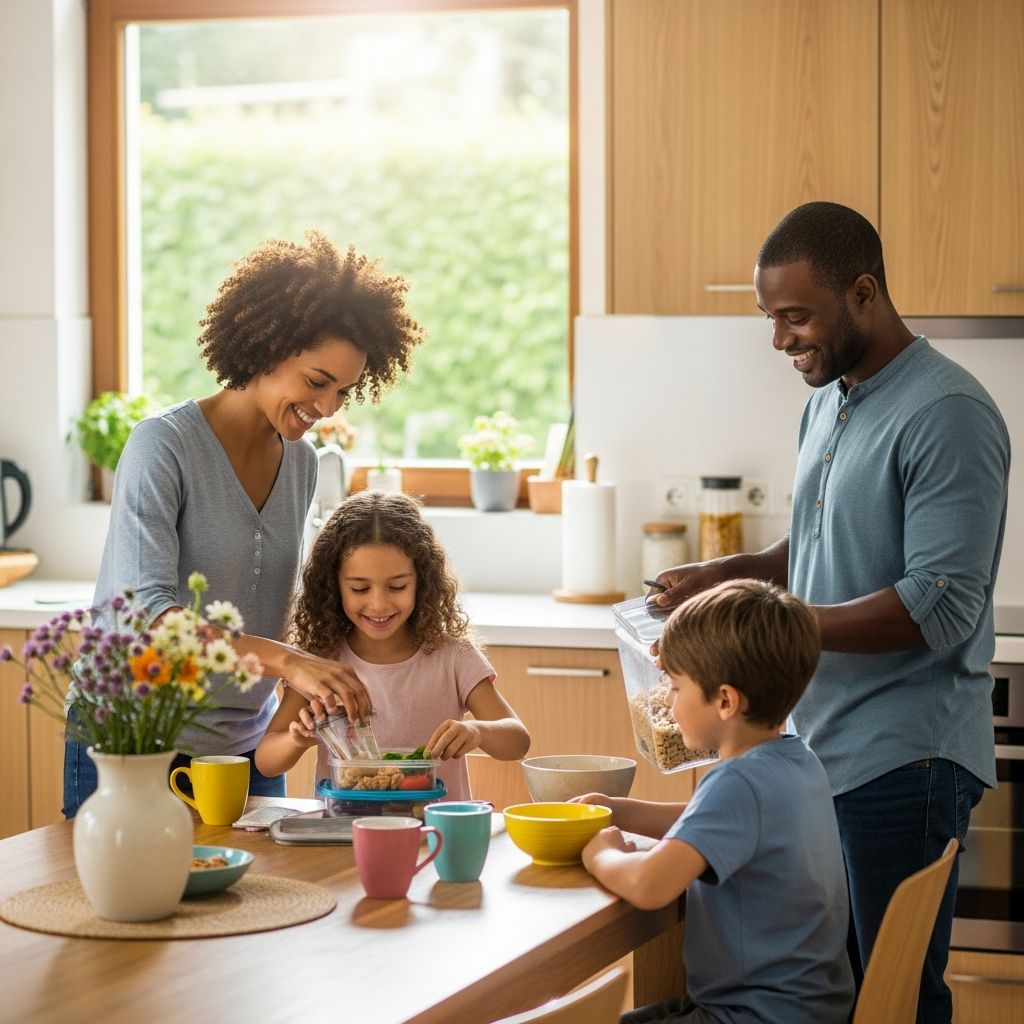
Establishing consistent daily patterns in family life offers profound advantages for children and parents alike. Research from leading health organizations and psychological studies demonstrates that routines foster security, improve emotional regulation, and enhance academic outcomes, creating a foundation for long-term well-being.
Why Consistent Patterns Matter for Young Minds
From infancy, children crave predictability to build trust in their caregivers. Regular schedules for feeding, sleeping, and playtime signal reliability, helping babies develop a sense of safety. As noted by child health experts, this structure supports brain development and physical health by ensuring restful sleep and responsive care.
For toddlers and preschoolers, routines build self-confidence through familiar rituals like morning preparations or evening wind-downs. Children in structured homes show better emotion regulation, making transitions smoother—whether starting school or facing daily changes. A study from Penn State University highlights that families with strong routines report fewer behavioral issues and ADHD symptoms in children during school entry.
- Routines teach self-regulation, the cornerstone of mental health.
- They reduce stress by providing clear expectations.
- Structured environments promote resilience against challenges.
Boosting Health and Sleep Through Daily Habits
Regular bedtime routines stand out as a key predictor of better sleep quality. Children with consistent evening rituals fall asleep faster and experience fewer night wakings. The American Psychological Association’s review of 50 years of research links these patterns to improved respiratory health in infants and overall vitality in preschoolers.
Family mealtimes further amplify benefits. Shared dinners create opportunities for connection, where children practice social skills and nutritional habits. These moments anchor the day, allowing kids to anticipate positive interactions and participate actively, such as helping prepare meals.
| Routine Type | Key Benefits | Supported by Research |
|---|---|---|
| Bedtime | Faster sleep onset, fewer disruptions | APA Journal of Family Psychology |
| Mealtimes | Better nutrition, social bonding | Zero to Thrive studies |
| Morning Prep | Reduced anxiety, school readiness | Penn State research |
Emotional Security and Family Connections
Routines extend beyond logistics; they cultivate deep emotional ties. Rituals—special routines infused with meaning, like weekly game nights—instill family identity and belonging. Teens engaging in such traditions report lower anxiety and depression, with stronger social connectedness, per a 2015 study on family practices.
Parents gain too: predictable patterns lower household stress and minimize conflicts. Cleveland Clinic psychologists emphasize that structure provides predictability, essential for child development, while fostering parent-child bonds through shared activities. However, balance is crucial—pairing routines with warmth avoids rigidity.
In low-income or rural families, routines prove especially protective. Penn State findings show they buffer against behavioral problems, though harsh parenting can erode gains. Flexible, supportive enforcement maximizes positives.
Academic and Social Advantages
Children from routine-rich homes excel in school. Strong home structures correlate with better learning, friendships, and emotional coping, according to Seattle Children’s Hospital. Predictable evenings and meals free mental energy for focus, reducing overwhelm.
Socially, routines model cooperation via chores or family tasks, building skills for peer interactions. For children with ADHD, autism, or anxiety, consistency is vital, offering comfort amid uncertainty.
- Improved focus and fewer disruptions in class.
- Enhanced peer relationships through regulated emotions.
- Greater resilience for life’s transitions.
Practical Strategies to Build Lasting Routines
Start small: Introduce one routine, like a 20-minute bedtime story session. Involve children to boost buy-in—let them choose books or outfits. Adapt as needs evolve; teens may prefer flexible dinner times over strict bedtimes.
Seattle Children’s recommends age-tailored approaches:
- Infants: Feed-play-sleep cycles.
- Toddlers: Chores and family meals.
- School-age: Homework slots and downtime.
HealthyChildren.org advises reviewing routines periodically for effectiveness, ensuring they prevent chaos without stifling fun. Combine with quality time: Reading or screen-free play reinforces bonds, as NIH studies link parental involvement to child well-being.
Overcoming Common Challenges
Busy schedules threaten routines, but adjustments work. Shift family dinners to weekends or shorten rituals during travel. Harsh enforcement backfires—opt for calm reminders and praise compliance.
For neurodiverse kids, visual charts aid adherence. Parents practicing cognitive flexibility parent more effectively, per Penn State, maintaining consistency without aggression.
Frequently Asked Questions (FAQs)
What age should routines start?
Routines benefit from birth, teaching trust through responsive care. Adapt complexity as children grow.
Do routines help children with ADHD?
Yes, consistent schedules reduce symptoms and behavioral issues, especially with supportive parenting.
How do family rituals differ from routines?
Rituals add emotional meaning, like holiday traditions, enhancing identity and stress coping.
Can routines improve sleep?
Absolutely—regular bedtimes lead to quicker sleep and fewer wakings, per APA research.
What if my family resists structure?
Introduce gradually, involve everyone, and focus on fun elements to build habits organically.
Long-Term Impact on Family Happiness
Decades of data affirm routines’ role in marital satisfaction, child health, and identity formation. They organize life amid chaos, promoting harmony. By prioritizing structure with flexibility, families unlock science-backed paths to joy and strength.
Implement today: Chart a weekly plan, track progress, and celebrate wins. The investment yields healthier, happier homes for generations.
References
- Kids Thrive on Structure and Routines — Seattle Children’s Hospital. Accessed 2026. https://www.seattlechildrens.org/health-safety/parenting/kids-thrive-routines/
- Family routines and rituals may improve family relationships — American Psychological Association (APA). 2002-12-19. https://www.apa.org/news/press/releases/2002/12/rituals
- The Importance of Routines for Kids — Zero to Thrive. Accessed 2026. https://zerotothrive.org/routines-for-kids/
- Why Family Routines Matter for Kids — Cleveland Clinic Newsroom. 2025-12-09. https://newsroom.clevelandclinic.org/2025/12/09/why-family-routines-matter-for-kids
- Family Traditions Help Kids Make Sense of Life — Institute for Family Studies. Accessed 2026. https://ifstudies.org/blog/family-traditions-help-kids-make-sense-of-life/
- Routine helps children adjust to school, but harsh parenting may undo benefits — Penn State University. Accessed 2026. https://www.psu.edu/news/health-and-human-development/story/routine-helps-children-adjust-school-harsh-parenting-may-undo
- The Importance of Family Routines — HealthyChildren.org (American Academy of Pediatrics). Accessed 2026. https://www.healthychildren.org/English/family-life/family-dynamics/Pages/The-Importance-of-Family-Routines.aspx